Visibility rates of Swiss publishers down slightly in the second quarter

After the IAB, LSA, and SWA published the first visibility rates for ad impressions in Switzerland in May, the figures for the second quarter can now be announced. The figures for Switzerland have declined slightly compared to the first quarter.

IAB

As part of the transparency initiative of the three Swiss advertising associations, the visibility rates of the major marketers and publishers in Switzerland are once again being published. For the second quarter compared to the first quarter a slight decline can be observed.

  • In the Desktop segment, the visibility rate in the second quarter was 66.2 % (compared to 71.1% in Q.1).
  • The mobile segment achieved a visibility rate of 56.5% (Q1: 61.2%).
  • The overall visibility rate has therefore fallen from 65.1% to 60.8%.

According to the MRC standard, the minimum visibility must be 50% of the pixels during 1 second for an ad impression to be billed. With the current values, the visibility rate in Switzerland is slightly below the international average, which was calculated at 63% (display: 70 % and mobile 57%).

The measurement is based on 4.74 billion ad impressions and was carried out with the publishers using the following tools:

  • Admeira: Xandr and Google Ad Manager
  • Goldbach / TX Markets: Integral Ad Science (IAS) and Google Ad Manager
  • Audienzz: Xandr
  • Romandie Network: Smart Adserver
  • Watson: Google Ad Manager

The three associations IAB Switzerland, LSA Leading Swiss Agencies and SWA Schweizer Werbe-Auftraggeberverband monitor visibility trends on an ongoing basis and have been publishing the figures for each quarter since this year.

Jung von Matt/Limmat for Child Protection Switzerland: Cuddly Animals as Silent Witnesses

For the third time in a row, Jung von Matt/Limmat is realizing the nationwide awareness campaign of Child Protection Switzerland. After the children themselves, the parents, grandparents and closest caregivers have had their say, the focus is now on the faithful companions who see the most and can say the least: The children's cuddly toys.

Jung von Matt/Limmat

As silent witnesses, cuddly toys accompany children through everyday life and experience both the happy and the sad moments. For example, when parents run out of patience and children have to bear the consequences. The change of perspective in this year's campaign by Child Protection Switzerland continues the concept developed by Jung von Matt/Limmat: to tell the story of violence against children from different perspectives and to sensitize the public to the fact that there is always an alternative to violence.


Switzerland-wide sensitization

The campaign comprises online spots and OOH measures and will be played out throughout Switzerland and in three languages from the end of August. The emotional spots make it tangible how it feels to be helplessly and wordlessly at the mercy of violence. And they make it clear that this situation is still a reality for many children. Through the campaign, lobbying and studies on the topic, Child Protection Switzerland is therefore working to encourage parents to develop self-reflection with regard to their parenting behavior and to decide in favor of parenting without psychological and physical violence.

Jung von Matt/Limmat

Responsible at Child Protection Switzerland: Tamara Parham (Head of Communications / Member of the Executive Board); Regula Bernhard Hug (Head of the Child Protection Switzerland office). Responsible at Jung von Matt/Limmat: Lorenz Clorman, Rob Hartmann (Creative Direction); Fabian Zahner (Text); Ben Staudenmann (Art Direction); Sebastian Kaps, Andrea Braschler (Project Management); Adrian Haut (PR). Responsible at Jung von Matt/impact: Carina Müller, Jasmin Heri, André Heller (Media). Responsible at Jung von Matt/services: Chiara Killer, Fabrizio Rutishauser, Pepe Kägi (DTP). Responsible at Tasty Pictures: Sean Fee (director & cinematographer); Pascal Duschletta (producer); Lea Fee (executive producer). Other external partners: UKO (scoring); Jürgen Kupka (colorist).

SRG television: The "Idée suisse" is not far behind

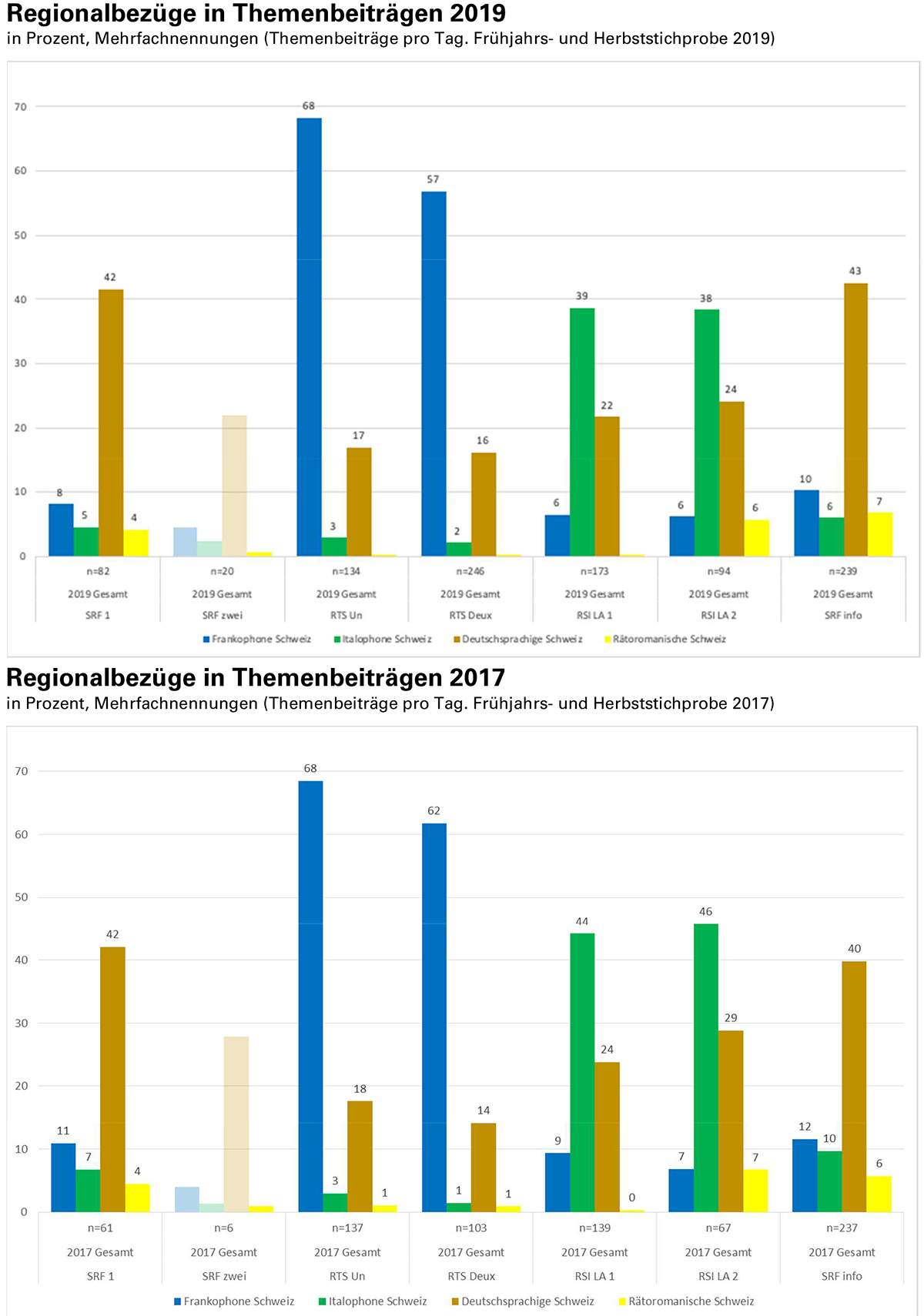
Although SRG television’s programming covers a wide range of topics, the language regions still have little interaction with one another. The proportion of women featured in reports is particularly high on French-Swiss television.

srg

These are two main findings of the latest content analysis by the Federal Office of Communications (OFCOM), which was published on Tuesday. Overall, the SRG slightly expanded its information offering last year, mainly thanks to a restructuring at the French-speaking Swiss channel RTS Deux.

The variety of topics covered by SRG television stations remains high, according to the study. Migration and integration topics are also "identifiable to a quantitatively clearly recognizable extent," according to Bakom's statement on the study. Likewise, the view beyond the language-regional edge of the plate is present, but this is not expanded, according to the study authors. In particular, western and southern Switzerland reported little about each other.


Almost radio silence between southern and western Switzerland

It is true that all the programs examined include programs that focus on the Swiss language regions. Repetitions and program takeovers between the language regions had also increased in comparison to earlier years. But overall, the thematization of the other language regions was rather modest and was not expanded. In particular, the references between Ticino and French-speaking Switzerland are "very low". On the whole, the other parts of the country are also featured in the programs - "but at a consistently low level.

srg

There is praise for the appropriate representation of the sexes in the journalistic offering, especially for the French-speaking Swiss television station RTS. At 64 percent (RTS Un) and 56 percent (RTS Deux) respectively, the proportion of female actors in the journalistic thematic contributions is above average.

At SRF 1, women have their say in 45 percent of the reports, while the corresponding figures for the two channels for Italian-speaking Switzerland are 29 and 33 percent. According to the study's authors, however, a structural assessment of these values will only be possible in the coming years. SRG has only been obliged to strive for appropriate gender representation in its journalistic offerings since 2019.

SRG must also take people with a migration background into account in its offerings. According to the study, the corresponding proportions vary between 2 percent (RTS Un) and 9 percent (SRF 1), depending on the program.


2352 program hours examined

The study also found that the structures of SRG's TV channels have remained largely stable since the last survey in 2017. The only major change was seen at RTS Deux. There, the information service had been increased by almost half with the introduction of the "RTS Info" format. On the other hand, the entertainment area was sharply reduced.

The study was conducted by the German company Göfak Medienforschung GmbH on behalf of Bakom. The study examined two average program weeks each of SRF 1, SRF zwei, SRF info, RTS Un, RTS deux, RSI LA 1 and RSI LA 2. These accounted for a total of 2352 program hours on balance. According to Bakom's statement, the publication of the analyses is intended to stimulate public discussion about programming performance. The analysis is carried out every two years. (SDA)

It is advised not to lick your fingers

Regarding current hygiene regulations, fast food chain Kentucky Fried Chicken has decided that its iconic slogan is not currently appropriate.


Some people might find it hard not to lick their fingers clean after a hearty KFC meal. After all, there's a reason why the fast-food chain has been advertising "it's finger lickin' good" for over 60 years. The slogan is one of the best-known advertising claims of the 20th century. Whether the finger lickin' is really due to the delicious food or the general messiness remains to be seen.

Which is obvious: In times when hygiene is particularly important, such a slogan has a hard time. That's why KFC has decided to give the slogan a time-out. It's really not the best idea to lick your fingers at the moment.

According to statements from the company, the slogan will be reinstated when the time is right. Until then, the slogan will be hidden, distorted and crossed out. A well-intentioned gesture - translated into a clever marketing tool implemented by Mother UK.

Kentucky Fried Chicken

Wirz and Melectronics show what is just right

Wirz's new image campaign for Melectronics shows what can happen if people are tempted to make a purchase without individual advice.

Melectronics

The Migros electronics retailer has a new claim and is celebrating it with an image campaign that focuses on the expertise of its consultants.

Wirz has developed a modular film concept for this purpose, in which typical fail purchases are pointedly shown in the shortest possible time. The biggest TV, the trendiest notebook, the most expensive cell phone or the most powerful vacuum cleaner are not right for everyone. It's better to get expert advice from Melectronics beforehand.

The films will be broadcast as a 20-second online version, a 25-second TVC and 6-second bumper ads. The campaign is also accompanied by a social media competition: The winner is the person who can most convincingly explain why the prize in question would be just right for him or her. The campaign will be shown nationwide on TV, online as films and banners, as DOOH and as print ads.

Melectronics

Responsible at Melectronics: Lukas Vasvary (MarKom Fachmärkte Melectronics); Flurina Widmer (MarKom Fachmärkte Melectronics); Christina Gelmi (Campaigning); Beatrice Lütjens (Digital Campaigning & Promotions); Simone Blaser (Media); Anne Höpfner (Channel Management & Innovation); Nicole Stettler (Content Marketing). Responsible at Wirz: Caspar Heuss, Matthias Fürst, Florian Siegrist, Jannic Mascello, Evelyn Schellenberg, Adrian Busse (creation); Marleen Diener (strategy); Erasmo Palomba, Nadja Kilchhofer (agency producing); Simone Jehle, Jan Keller, Fabian Nold, Barbara Waldvogel (Consulting); Thomas Peller, Désirée Guzzo, Oliver Faes, Yussef Serrat, Sherif Ademi (Media Realization); Marina Klauser (Directing); Jonathan Heyer (Photographer); All in Production, Filmgerberei (Production).

Ringier announces Izzy relaunch for October - current team to be disbanded

Many changes are coming to the social media magazine Izzy. As part of a relaunch, the current team is being disbanded and there will be redundancies. A new concept is launched in October with a new formation.

Izzy

Since its launch in September 2017, Izzy has grown rapidly and now has more than 600,000 fans and followers on the Instagram, Facebook and YouTube platforms. The social media magazine is now responding to the rapid change in media consumption among young target groups and the drastic decline in advertising revenue caused by the coronavirus crisis with a relaunch, as detailed in a press release on Tuesday. The 12-strong Izzy team will be dissolved as part of the concept change. Discussions are being held about possible further employment within Ringier, but individual redundancies cannot be avoided.

A newly formed team will assume responsibility for the brand and its content. The launch of the new concept is planned for October. The digital media offering will be expanded to include new channels and revenue sources.

Further details, including the new team composition, will be announced in October. Izzy will continue to run in its existing form and team composition on the Instagram, Facebook and YouTube platforms until the end of September.

Roman Müller leaves Migros

Roman Müller, Head of Marketing and Communications, is leaving the Migros Cooperative Federation at the end of August.

Migros

"Differing views on the strategic direction" led to this "joint decision", according to an internal company information letter that Advertisingweek.ch is available.

Matthias Wunderlin, Head of the Marketing department, regrets Müller's departure and praises his work. It is a shame that they were unable to find common ground "on a few strategic issues".

The search for Müller's successor was initiated immediately. Nadine Hess will take over the management of the directorate on an interim basis.

Roman Müller took up the position in March last year (Werbewoche.ch reported). Previously, he headed the SportXX division for six years, where he was responsible for the new Bike World format, among other things.

National Council Commission wants to split up media promotion package

The National Council's Telecommunications Commission (KVF) plans to address media funding in two phases. The uncontroversial part—the expansion of indirect press funding—is to be separated from the controversial new direct funding for online media.

Nationalratskommission

This was decided by the committee by a wafer-thin margin of 13 votes to 12, as announced by the parliamentary services on Tuesday. The State Policy Committee (SPK) had also spoken out in favor of tightening the package in a joint report.

The majority doubt that the planned funding of online media amounting to CHF 30 million per year is in line with the constitution, according to a statement. The committee has therefore commissioned further clarifications from the administration.

A minority of the committee, on the other hand, wants to discuss the bill in its entirety. For its part, it believes that media funding should be geared more towards the growing use of digital media and that it would therefore be wrong to delay these measures in particular.


Expansion of indirect press funding

The National Council will debate the first part of the package of measures for the media in the fall session in September. This will focus in particular on the expansion of indirect press subsidies in the Postal Services Act. This has proven its worth for years, according to the committee's communication.

All subscribed daily and weekly newspapers are now to be supported - including national titles with a larger circulation as well as biweekly newspapers and magazines. The lower the circulation, the cheaper the postal delivery should be.

The KVF is proposing to follow the resolutions of the Council of States on most points. In addition to the CHF 50 million for daily and weekly newspapers, the package of measures should also include support for the early delivery of newspapers, including the Sunday press. This will cost the federal government an additional CHF 40 million per year.
A proposal to increase this to 50 million was rejected, as was a proposal to remove the early delivery discount from the bill, according to the press release. The association and member press will now receive CHF 30 million per year instead of CHF 20 million.


Money for news agencies

The National Council committee also wants to exempt simple companies from the corporate fee for radio and TV. In doing so, it is taking up a concern of the parliamentary initiative of Councillor of States Hans Wicki (FDP/NW).

Support for education and training institutions and news agencies as well as IT investments of CHF 30 million per year are also uncontroversial. In the overall vote, the first draft was approved by 12 votes to 7 with 6 abstentions.

With regard to the amendment of the Radio and Television Act (draft 2), the National Council Committee is proposing a change to the decision of the Council of States. The KVF does not want to provide for a fixed distribution between TV and radio broadcasters for the fee shares. In the overall vote, this proposal was adopted by 14 votes to 0 with 10 abstentions.

In the summer session, the Council of States allocated more money for indirect press funding than the Federal Council had requested. However, the small chamber did not release the spending brake on the promotion of online media, which means that no money is likely to be allocated to this area. (SDA)

Problematic use of social media among four percent of children

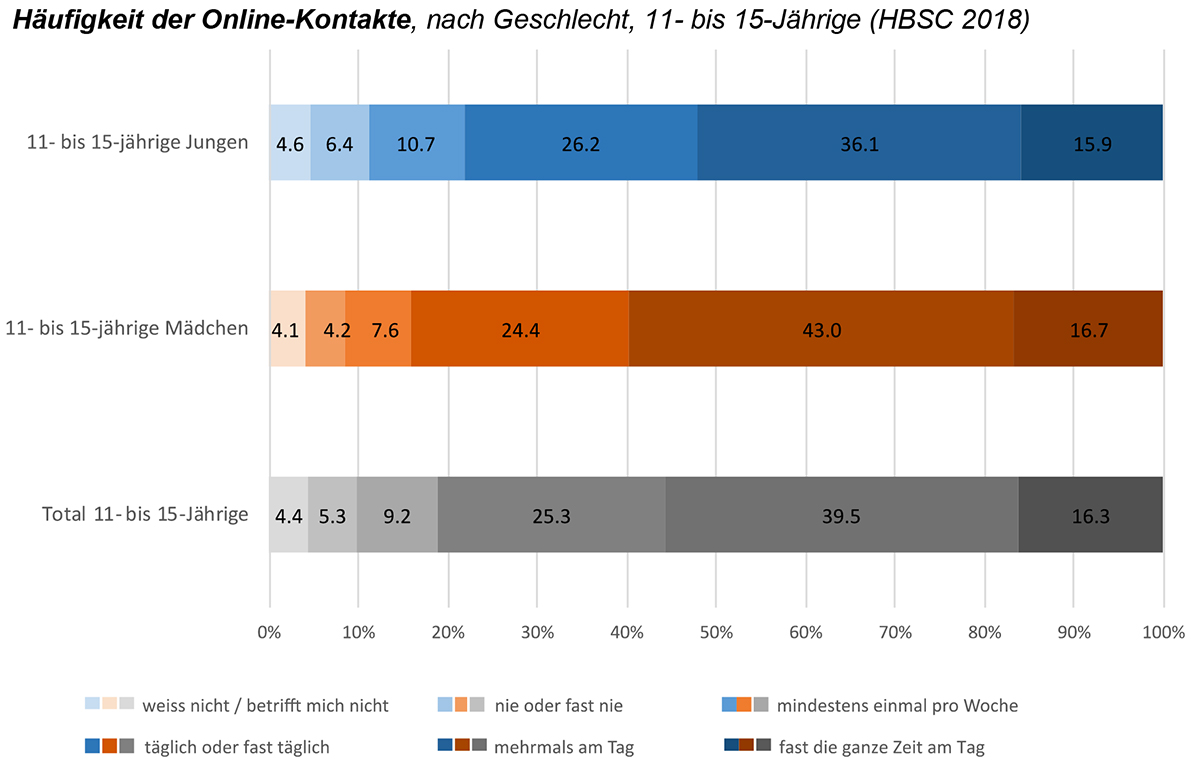
A national study of schoolchildren conducted by Addiction Switzerland provides insights into schoolchildren’s screen use. Only 4 percent of Swiss schoolchildren exhibit problematic use of social media. However, one-quarter of adolescents aged 11 to 15 turn to social media to escape negative feelings.

vier Prozent

This is more often the case with girls (33.3 percent) than with boys (22.7 percent), Sucht Schweiz announced on Tuesday. The school study conducted by the non-profit foundation on the subject of screen behavior also shows that every tenth school child is affected by bullying in the virtual space - here too, girls (11.5 percent) are more often affected than boys (6.4 percent).


Difficulties with social media use

The 11- to 15-year-olds report difficulties with using social networks such as Snapchat, Instagram or Twitter in the past 12 months. These include unsuccessful attempts to spend less time on social networks (girls: 37.5%, Y: 23.7%) as well as frequent use of social networks to escape from negative feelings (girls: 33.3%, boys: 22.7%). Almost every fifth child surveyed has even had serious conflicts with parents or siblings because of their use of social networks (girls: 18.2%, boys: 14.6%). Compared to boys, girls seem to have more difficulties with the factors mentioned.


Gender-specific usage patterns

There are certain differences between the genders in terms of usage: Video games are significantly more popular with boys and they watch slightly more videos, while girls invest more time in other screen activities, including those related to schoolwork, surfing the Internet or social networks.


Online most frequent contact with close peers

More than half of 11- to 15-year-olds say they interact online several times a day or almost constantly, i.e., receive and send messages, or receive and send emoticons, photos, videos, or voice messages (girls: 59.7%, boys: 52.1%). According to the young people, they are most likely to do this with best friends and girlfriends. People such as parents, siblings, classmates or teachers are mentioned much less often. Online acquaintances play a subordinate role.

vier Prozent

Personal concerns prefer direct exchange

Young people also share secrets, worries and feelings on social media. However, the vast majority of students prefer to talk about this directly. Only a minority clearly prefers screen media for this purpose: 7.7 percent of girls and 6.7 percent of boys. Switzerland is thus one of the countries where this preference is least widespread.


Who else has problems is more online

As Sucht Schweiz writes, screen time and social network use increase among young people when they have more problems in general, including drug use, physical ailments or difficulties in the family.

The Health Behavior in School-aged Children (HBSC) study, conducted every four years, is under the auspices of the World Health Organization Europe and examines various health-related behaviors of 11- to 15-year-olds, including alcohol and drug use, the results of which were published earlier.

Addiction Switzerland conducted the study for the ninth time in 2018. Participation in the survey was voluntary and anonymous. The final national sample comprises 11,121 girls and boys. (SDA/swi)

Sampo Lenzi founds Arctic

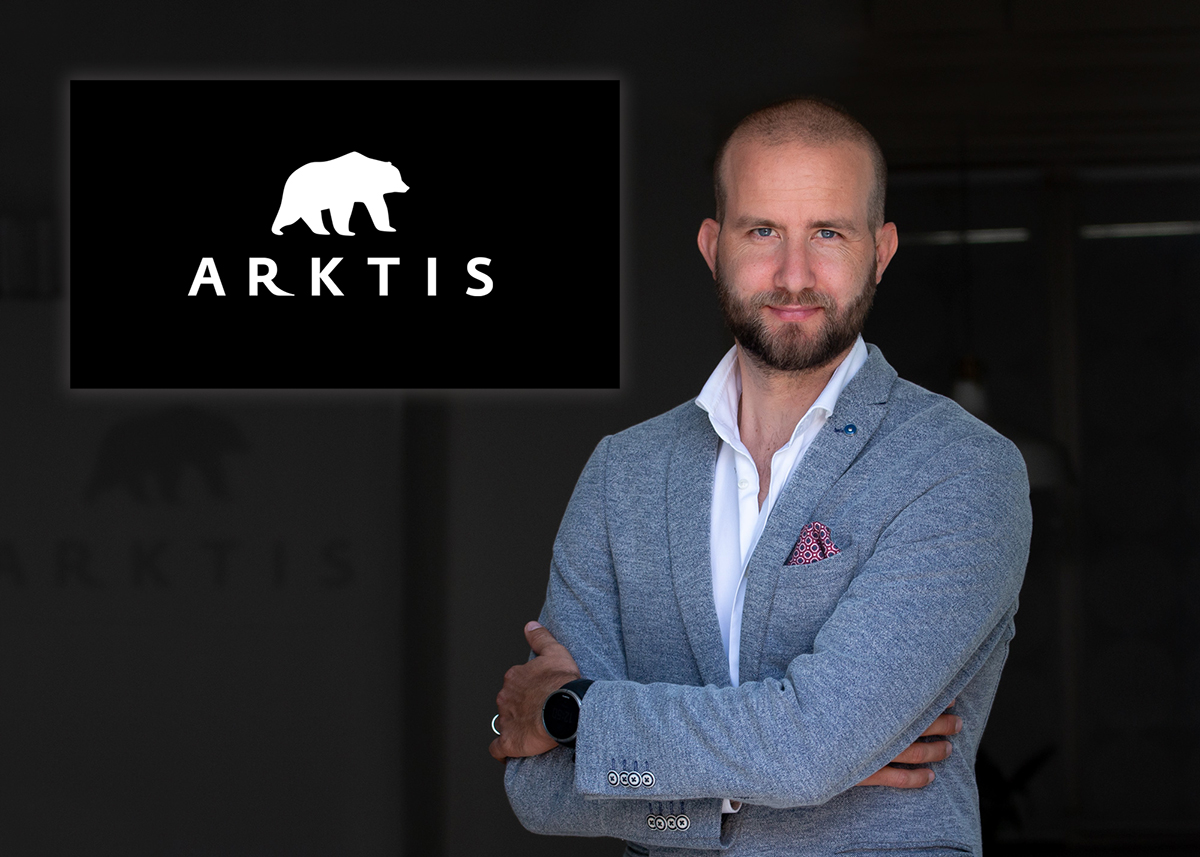
Sampo Lenzi founded Arktis, a story design studio, and through his agency offers a full range of services from concept to implementation.

Arktis

Arctic is the region of the earth around the North Pole, which is located directly under the constellation "Great Bear". The term Arctic is also derived from the ancient Greek word for "bear". That is why there is a bear in the logo of Arctic.

The agency works with various formats such as presentations, films, illustrations and publications and aims to enable clients to use story design as a management tool in branding, marketing, advertising, PR and corporate communications to convey information and emotions. Already, the agency's clients include companies such as Swisscom and Alpiq.


SWA Annual Meeting to be postponed until 2021

Covid-19 and networking don't go well together. This is the main reason why the Swiss Association of Advertisers (SWA) is foregoing the SWA annual meeting "Man or Machine?" in its anniversary year. The AGM will be held virtually on September 22. 

Schweizer Werbe-Auftraggeberverband

Over 370 participants have registered for the SWA Annual Meeting on September 22. As the organizer, the association is also bound by the requirements of the Federal Council and the Canton of Zurich regarding the corona virus. In the advertising industry in particular, many employees still work from home offices or have to adhere to strict travel restrictions. For this reason, only some of the speakers and registered participants will be able to attend the annual meeting in person in September.

At the same time, the number of corona cases has risen again in recent weeks and none of the tested protection concepts could meet the requirements of a high-quality event. Moreover, a hybrid implementation would not have suited the character of this event. Therefore, the SWA has decided with a heavy heart not to hold the annual meeting this year. The event will be postponed until next year with the entire program "Man or Machine?

The SWA will contact all guests for this purpose, as a new registration will be required. The association will inform in due time about the exact implementation date in the second quarter of 2021. However, the planned General Assembly on September 22, 2020, for members only, will take place and will be conducted virtually.

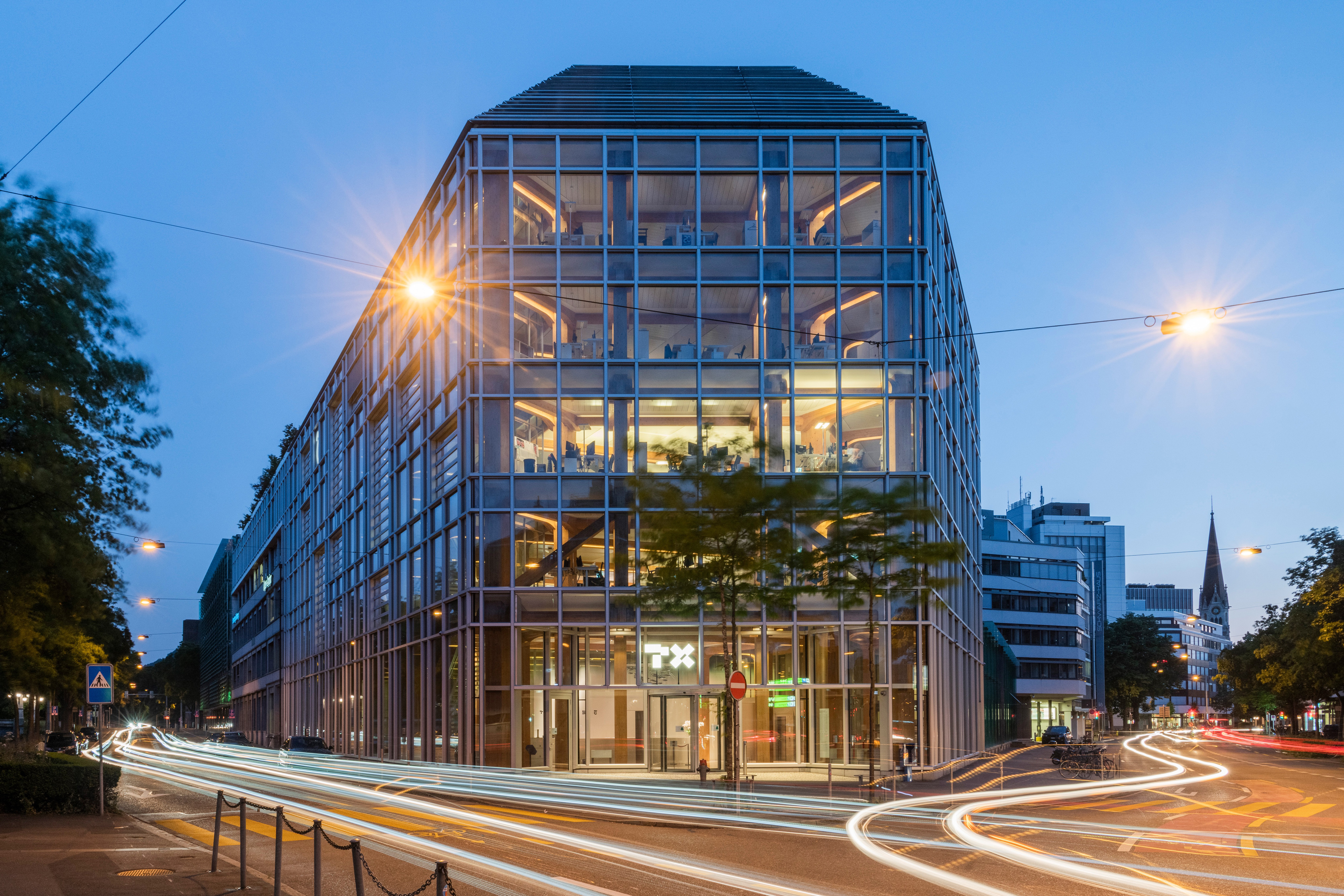
TX Group posts half-year loss and launches savings program

The coronavirus pandemic has hit the media industry—and thus the TX Group—hard. Declining revenue and massive goodwill write-downs led to a significant loss in the first half of the year. The group is now taking countermeasures in the hard-hit paid-subscription newspaper sector with a comprehensive cost-cutting program.

TX Group

Sales of Switzerland's largest private media company fell by 17.7 percent to CHF 431.2 million in the first six months of 2020, TX Group announced on Tuesday. The minus was thus roughly in line with the expectation of around one fifth published in advance in mid-July.

Operationally, the Group slipped into the red, as also forewarned. The operating loss at EBIT level was 107.5 million, following a profit of 41 million in the previous year. In addition to the decline in sales, goodwill impairments of 85 million at the Tamedia division had a negative impact on the result. EBIT adjusted for the effects of business combinations was 12.3 million compared to 71.1 million. The bottom line was a loss of 109.4 million after a profit of 53.6 million.

"After a good start of the newly positioned TX Group in 2020, the months from March onwards were particularly overshadowed by the Corona crisis," Chairman of the Board of Directors and publisher Pietro Supino is quoted as saying.


70 million savings in the area of paid newspapers

Tamedia", which continues to be the strongest segment in terms of sales and which includes the paid media, lost 18.6 percent of its sales in the first half of the year and already slipped into the red at the EBITDA level. The Corona crisis is accelerating the fundamental structural change of the media, which is why lower cash flows are to be expected looking ahead. As a result, the TX Group additionally recorded an impairment on goodwill in the amount of CHF 85 million at the pay media.

In order to create a sustainable business basis for the future, Tamedia's management now wants to save 70 million in costs over the next three years. The measures required for this are to be developed in the coming months with the affected divisions and with the involvement of the social partners, according to the statement.


Commuter media and advertising sales most affected by Corona

Meanwhile, the Corona-related lockdown hit the commuter medium hardest 20 minutes and advertising marketing. In the corporate division 20 minutes sales slumped 43.5 percent in the first half, and the traditionally high-margin segment posted an operating loss. At Goldbach, sales fell by just under 22 percent and here, too, there was an operating loss. Since June, however, the market has calmed down and a significant recovery is expected for the second half of the year.

But it was not only the publishing and advertising-oriented businesses that suffered losses. TX Markets, with its large classifieds platforms and marketplaces such as Jobcloud, Homegate and Ricardo, also lost almost 7 percent in sales and reported significantly lower profitability than usual.


"Catastrophic austerity measures"

The unions were alarmed by the latest news from the Zurich media house. In a statement, the journalists' association Imprint described the cost-cutting measures as "catastrophic. It called on management to refrain from layoffs and to bridge the temporary shortfall on the earnings side with the extensive reserves.

Together with the media union Syndicom, Imprint demanded a socially responsible implementation of the drastic savings program. Both organizations welcomed the company's willingness to involve the social partners and staff in shaping the strategy. (SDA)

Key figures

2020-6 

in CHF million

2019-6 

in CHF million

Change

in percent

TX Group

Operating income

431.2

524.1

-17.7

Operating result before depreciation and amortization (EBITDA)

34.1

91.5

-62.7

    Margin1 

7.9

17.5

-54.7

Operating profit before effects of business combinations
(EBIT adj.)

12.3

71.1

-82.6

    Margin1

2.9

13.6

-78.9

Operating result (EBIT)

-107.5

41.0

-362.5

    Margin1

-24.9

7.8

-419.1

Result

-109.4

53.6

-304.2

  of which attributable to shareholders of TX Group

-116.5

39.6

-394.4

Cash flow from operating activities

15.4

64.9

-76.3

Cash flow after investing activities in property, plant and equipment and intangible assets (FCF adj.)

-0.0

54.2

-100.0

Balance sheet total

2 613.4

2 841.6

-8.0

Equity ratio (in percent)2

73.6

72.8

1.1

TX Markets

Operating income

100.8

108.1

-6.7

thereof intersegment

0.8

0.6

32.4

EBIT adj.

35.8

42.6

-7.1

    Margin1

35.5

39.4

-9.9

Goldbach

Operating income

61.1

78.1

-21.8

thereof intersegment

21.0

22.1

-4.7

EBIT adj.

-3.3

10.8

-130.6

  Margin1

-5.4

13.8

-139.1

20 minutes

Operating income

39.8

70.5

-43.5

thereof intersegment

2.4

1.9

25.7

EBIT adj.

-7.0

19.3

-136.3

  Margin1

-17.6

27.4

-164.2

Tamedia

Operating income

224.7

276.1

-18.6

thereof intersegment

10.8

14.8

-27.0

EBIT adj.

-5.4

16.2

-133.3

  Margin1

-2.4

5.9

-141.0

Group & Ventures

Operating income

102.3

76.5

33.7

thereof intersegment

62.6

46.0

36.3

EBIT adj.

-3.5

-17.1

-79.4

  Margin1

-3.4

-22.3

-84.6


Number of employees (FTE)3


3 640   


3 642 


-0.1


1 As a percentage of operating income
2 Equity to total assets

3 Average number of employees, excluding employees of associates/joint ventures

get_footer();