Corona brings fundamental changes to Swiss society
OMG’s COVID-19 Tracker is now in its ninth edition: Switzerland is in the midst of its second summer of the pandemic and finds itself caught between a return to normalcy and the need for caution.


 On the one hand, the Swiss are longing for a normal life again, with vacations and restaurant visits, carefree meetings with friends and a life without restrictions. On the other hand, there is still the sword of Damocles of the pandemic - rising case numbers again, fear of infection and the feeling that the crisis will be with us for a long time to come. This is shown by the latest results of the OMG Corona Tracker, which is now in its ninth wave since March 2020.
Most parts of social life have largely returned to normal - 63% are happy to be able to go to restaurants again, half of the car purchases postponed during the crisis have now been made up for, and shopping habits and media use are back to pre-corona levels. The number of people who are worried about their family's health has halved from 37% in winter to 18% now. Personal stress levels are also decreasing.

However, this joy is also accompanied by an incipient laxity towards the FOPH's hygiene measures: men in particular are less and less willing to comply with them. After all, compared to other countries, people in this country feel that they have made good progress through the pandemic. Comparatively speaking, the situation is well under control - that is the general opinion of more than a third of the population - and the trend is rising.
But not everything is normal yet: two thirds of Swiss people believe the crisis is far from over. Public transport remains a source of anxiety for many and the obligation to wear masks on public transport (29%) and when shopping (40%) is seen as an annoying evil. The fewer restrictions remain, the more present they are in the minds of the population.
In view of the summer vacations, 47 percent are particularly bothered by the remaining restrictions on travel: means of transport, destinations, quarantine rules and the uncertainty that everything can change at any time are causing problems for almost half of the Swiss and their travel planning.
Nevertheless, the vacations were eagerly anticipated. More than a third are traveling during the summer vacations, while a further 17% are planning for the autumn vacations. However, around half remain rather pessimistic about traveling in the near future - these are mainly the older respondents over 50.

Overall, the pandemic has also led to some fundamental changes in society - 7 percent have seen their private relationship break down and the same number have lost their job. 12% have changed their living situation, 11% have looked for a new job and some have moved to the countryside.

"The study shows that a number of things have changed in the attitudes and lifestyles of the Swiss over the past year, and possibly for the long term," says Michael Selz, Managing Partner Insights & Strategy at Omnicom Media Group, who is responsible for the study. "Many people have used the pandemic as an opportunity to take a closer look at their living situation, change their priorities and live their lives more consciously. After all, we humans are very adaptable and try to make the best of the situation."
The figures also show this: 36% try to get out of the house more, 32% take more time for themselves and 27% pay more attention to their work-life balance. It is interesting to look at the genders here: while women seem to enjoy having more time for themselves and using it productively, men are increasingly looking for variety through new hobbies, more sweets or alcohol.
There are also (slight) changes in working life: Employees are still - even in July - spending an average of just under two thirds of their working hours working from home - down 3 percent compared to May. For most, this means a better work-life balance, but also lower productivity - 45% are of the opinion that they are less productive when working from home.
The OMG Corona tracker examines how Switzerland is experiencing the coronavirus crisis, the lockdown and the reopening in several waves of surveys. Nine waves have been conducted since March 2020 and more are planned. In each wave, 450 people from German- and French-speaking Switzerland aged between 16 and 75 were surveyed.

 Digital TV Network
 In August 2021, the Kantonsspital Aarau KSA and the Spital Zofingen launched their campaign "Around the belly". In collaboration with KSA, Lumina Health developed the cross-media hospital campaign around the health of the abdomen, its organs and their functions. In an entertaining way, posters, buses, social media, advertisements, a magazine and a microsite make the topic of "belly health" a public conversation and highlight the corresponding medical services. The core of the campaign is formed by the pictorial motifs of the stomach, intestines and liver, staged as a museum. The abdominal organs, depicted as works of art, are intended to familiarize viewers with these valuable and often underestimated and taboo organs and their functions. The campaign aims to build confidence and reduce fears among patients and their relatives.


 As of September 1, 2021, Kingfluencers will be newly led by a woman and a man: Anja Lapčević, who has been Chief Influence Officer at Kingfluencers for over a year, will share the role as Co-CEO with Yoeri Callebaut. The previous Chief Growth and Marketing Officer also started in July 2020.

 With its new campaign "Long Live Life," Helsana wants to celebrate the uniqueness of life and the value of health. The life-affirming messages are intended to inspire the population to embrace life with all its facets.


 Corona has affected us all in some way. Working in a home office for the first time, shopping online for the first time and spending most of your time at home. Corona has created a new reality for many people in Switzerland. A study by Intervista shows that the unprecedented situation has fundamentally changed people's consumer behavior and media use. The study revealed, for example, that during the corona pandemic, a full 52 percent displayed a change in purchasing and consumption behavior: For example, more attention was paid to Swiss products, to quality and also to bargains.
 Back to physical direct mail: today, addressed advertising is often also sent as an insert, for example together with an invoice or a bank statement. Clearly, the opening rate is even higher with such letters and the enclosed advertising benefits from additional attention. In the best case, addressed advertising mail is not perceived as 'aggressive' advertising at all. Instead, it is perceived as a desirable communication measure, because the recipient has registered with the advertising company's mailing list and is perhaps even pleased to be valued as a regular customer.

 On their way from Lake Zurich to Lake Geneva, the six women discover the diversity of Swiss cities as well as unexpected facets of their friendship and the secret of true solidarity.
 Six branches of Raiffeisen Switzerland are becoming independent cooperatives. Anyone who now buys share certificates and, as a member of the cooperative, can actively participate in the bank's business and share in its success, can rightly claim to be a banker. Whether you are a fisherman, doctor, musician, brewer, forester or firefighter, you can all subscribe to share certificates and become a banker.


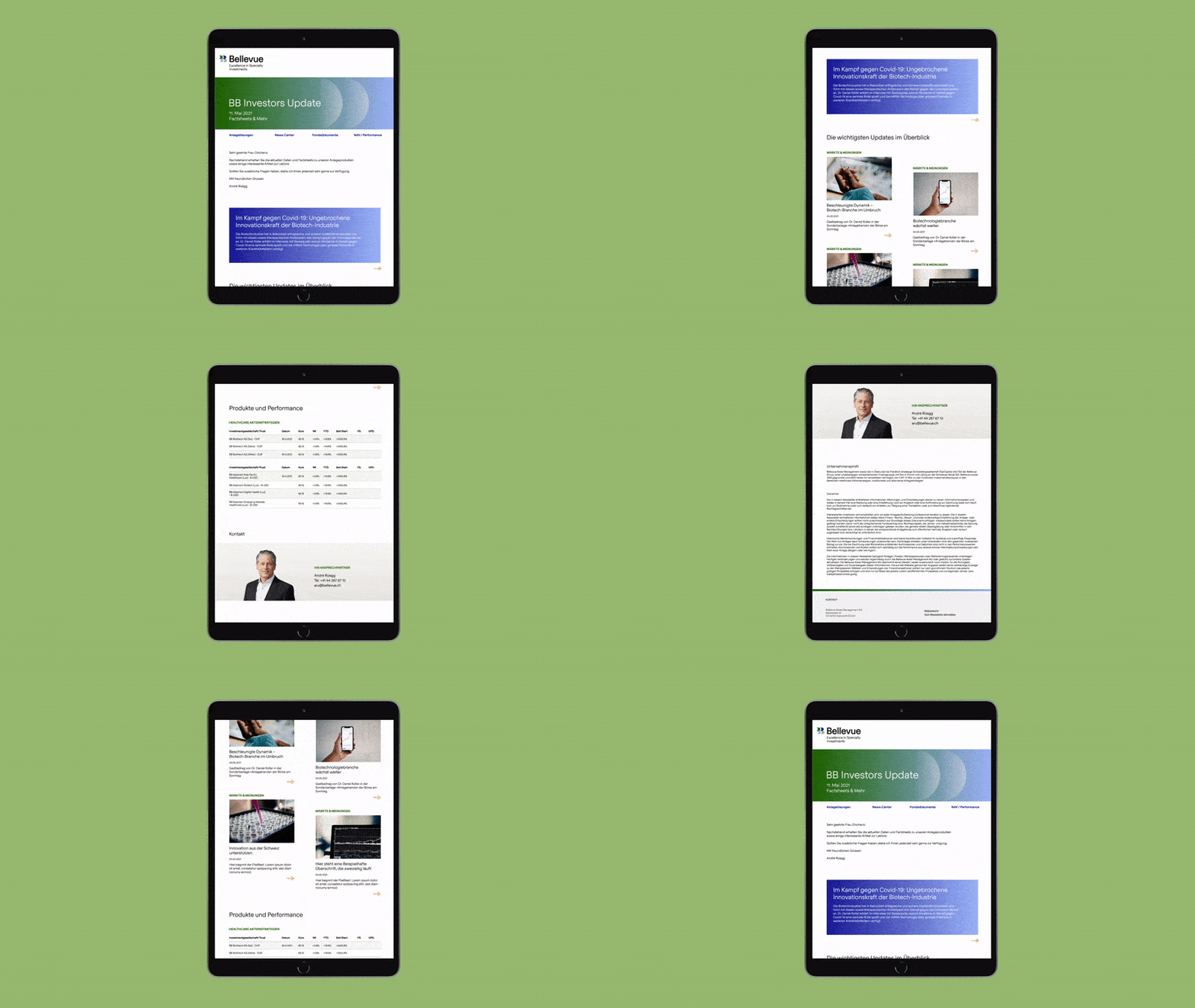
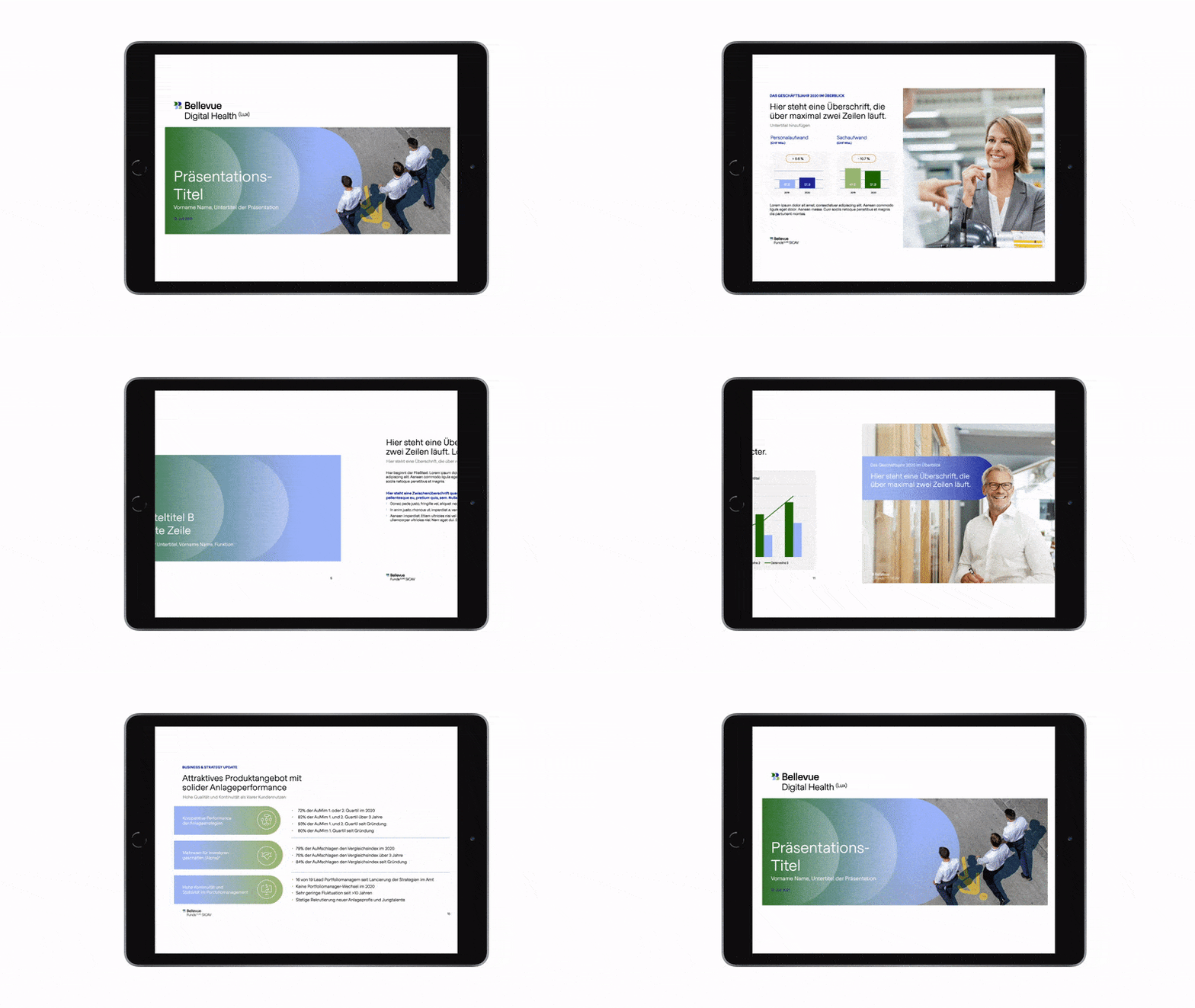
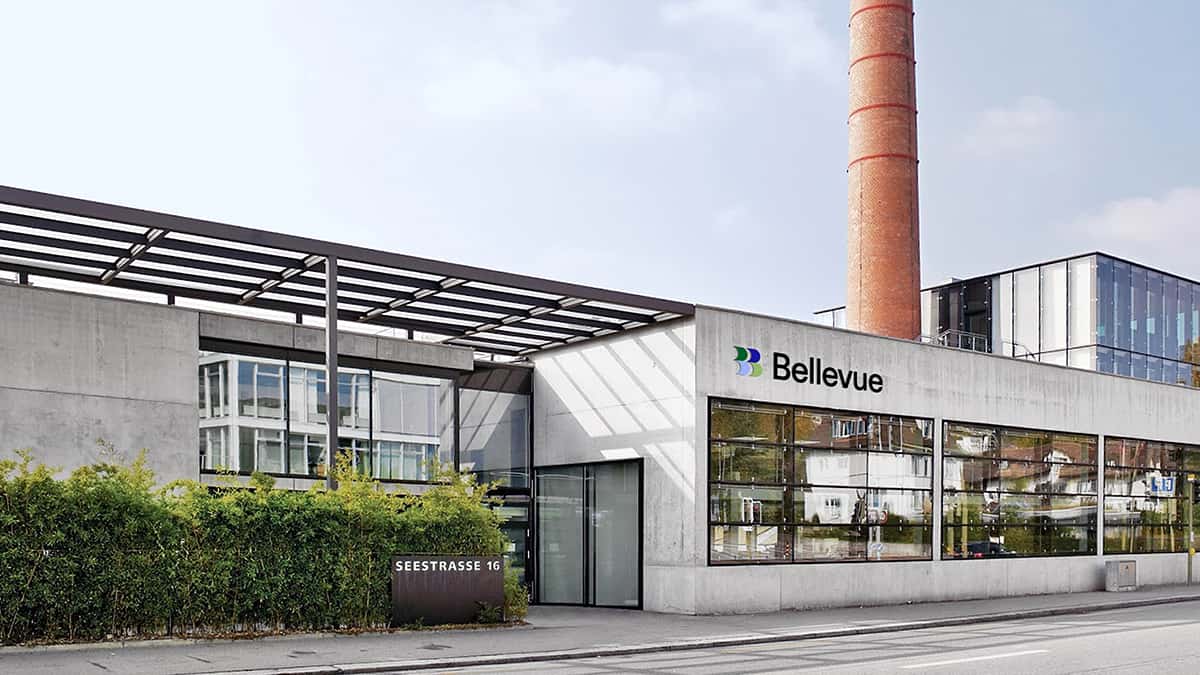
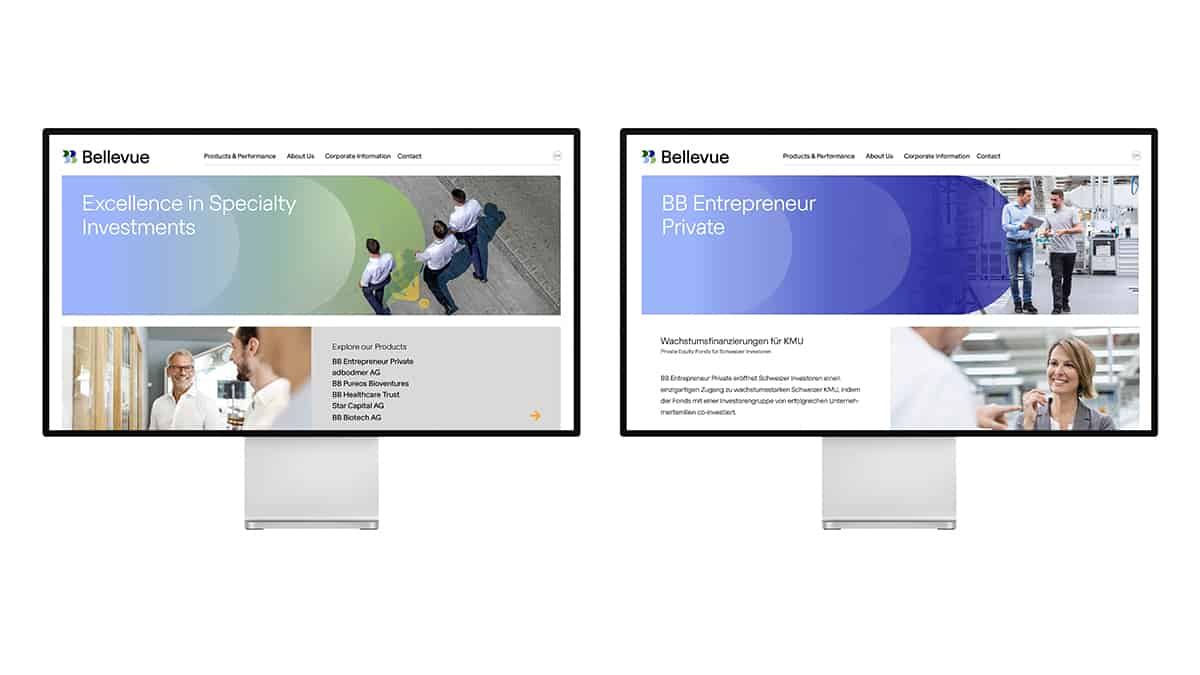
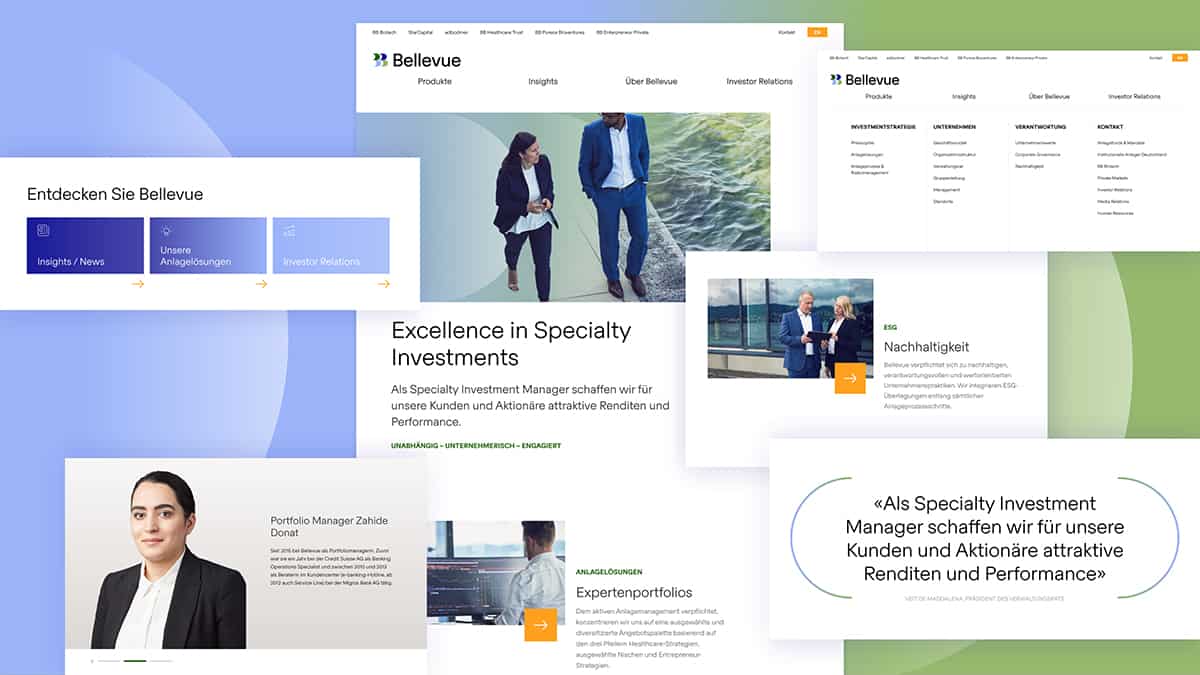
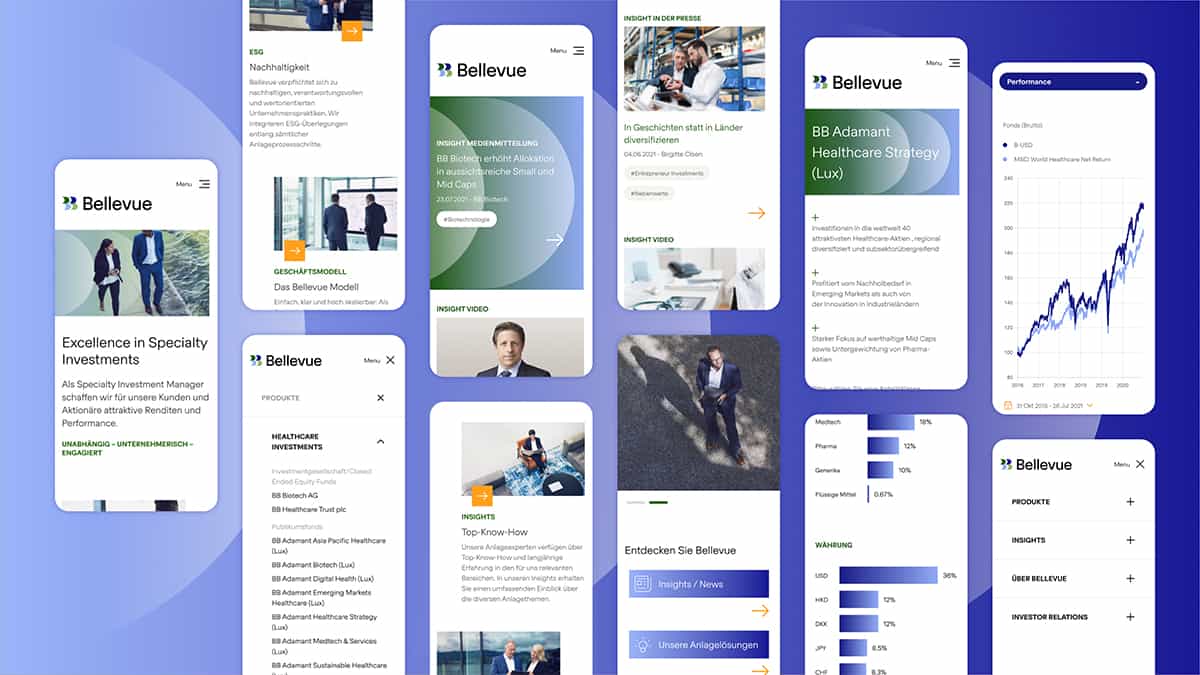
 Bellevue is a specialized asset management company and serves intermediary and institutional clients. Together, Jung von Matt Brand Identity and Jung von Matt Tech repositioned the company and completely rebuilt its website.