The nine largest media and technology companies will spend a record $140.5 billion on content in 2022. Compared to the previous year, this represents a 10 percent increase, according to the U.S. financial services provider Wells Fargo, based on current data. Experts even expect this figure to rise further to $172 billion by 2025.
Editorial
-
January 12, 2022
"The fact that spending in the content sector is increasing is due to the exploding costs that the business in the streaming war brings with it," explains the industry newspaper Variety. Some investors are already worried about the profitability of media companies in light of recent developments. "The shares of all these companies have experienced a boom in 2021. However, Wall Street now seems to be taking a much more skeptical view," says the assessment.
The situation is becoming increasingly difficult, especially for traditional media companies that still have to finance a program for their traditional linear channels in addition to digital on-demand offerings. "They have no choice but to increase their expenditure in order to keep up with the big tech companies. But this squeezes their profit margin," the experts point out. Whether this strategy will work in the long term is questionable, "because there can only be a handful of global players who will support consumers".
From Disney to Warner Bros.
Disney has announced that it will spend almost 33 billion dollars on content in 2022. In the previous year, the figure was 25 billion dollars. Wells Fargo is also forecasting additional expenditure of 22.4 billion dollars for the current year for the competition from Warner Bros. and Discovery, which will soon be merged for good. This corresponds to an increase of 8.2 percent compared to 2021. (pte)
Raybeam becomes part of Dept
The data science and engineering agency is joining the Dept agency group. With more than 20 years of experience in developing data-driven applications, Raybeam is set to further expand Dept’s global expertise in data, business intelligence, technology, and engineering.
Editorial
-
January 12, 2022
DS Anderson Song, Co-Founder of Raybeam, is excited about the merger of Raybeam and Dept. (Image: zVg.)
Data science and software engineering agency Raybeam will become part of agency group Dept. Raybeam develops data-centric applications and software to help companies such as Google, eBay and Meta address Big Data issues, increase revenue and optimize costs. The agency has more than 100 engineers and consultants and is expected to accelerate Dept's global growth, the agency group said in a statement.
"Data has always been a powerful tool for businesses, but now it has simply become indispensable," says DS Anderson Song, Co-Founder of Raybeam. "We want to help our clients* use data in sustainable, practical and ethical ways, and we share that belief with Dept."
Raybeam was founded in 1997 and specializes in the development of tools and platforms in the areas of SEO, SEM, data warehousing and business intelligence.
According to Dept, this growth has positive implications for Switzerland: "We will now work on integrating our existing tools and data solutions internationally and thus be able to provide our customers in Switzerland with even more expertise and resources," explains Tobias Kräft, Lead Data and Intelligence at Dept Switzerland.
Content and form does the Aldi shopping on the sofa
The retailer Aldi Suisse has launched an online store. The Zurich-based agency Inhalt und Form is promoting the digital offering of Aldi-now.ch in a launch campaign.
Editorial
-
January 12, 2022
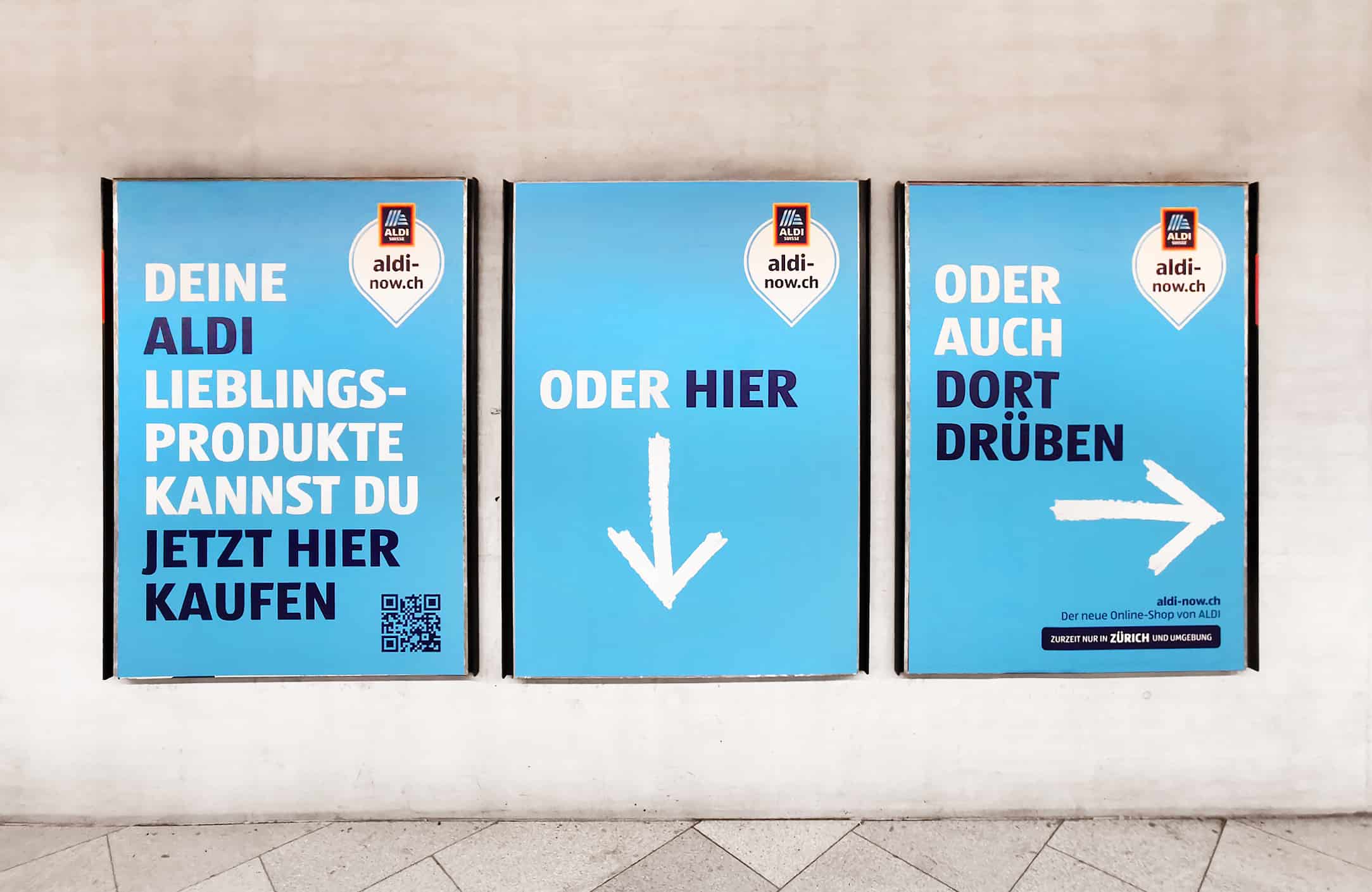
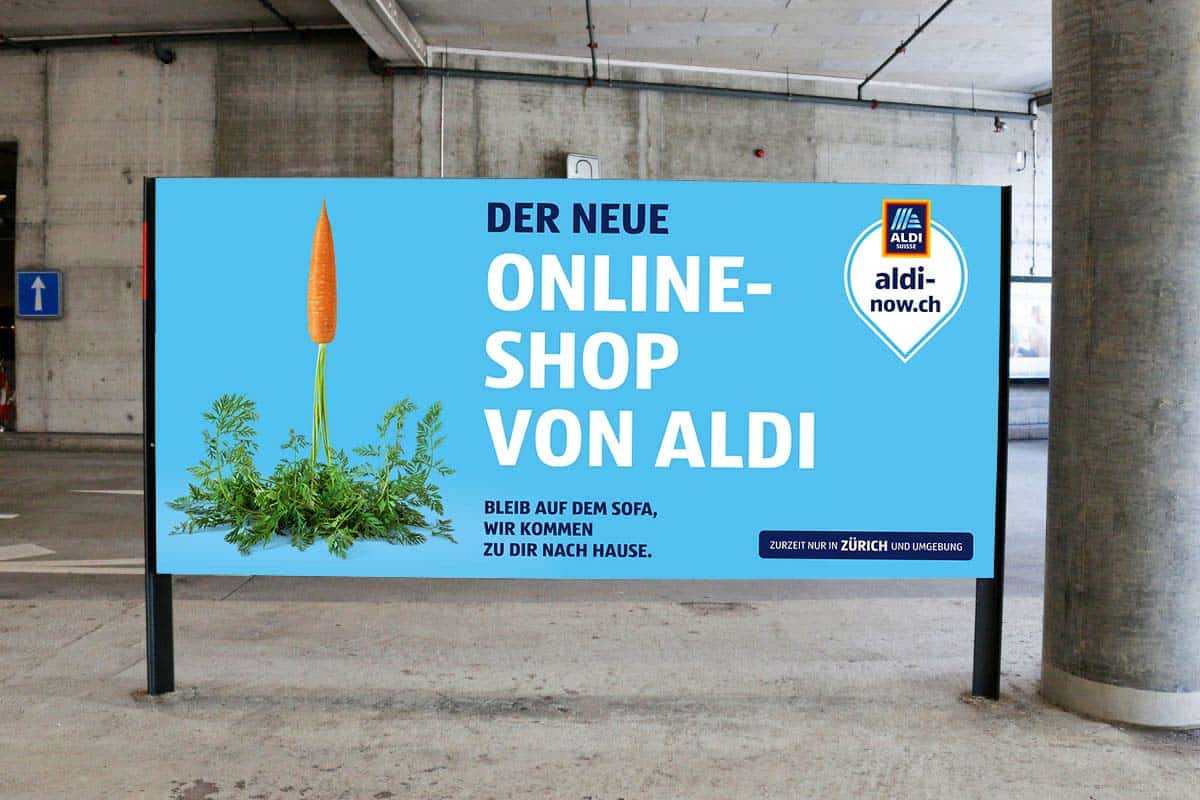
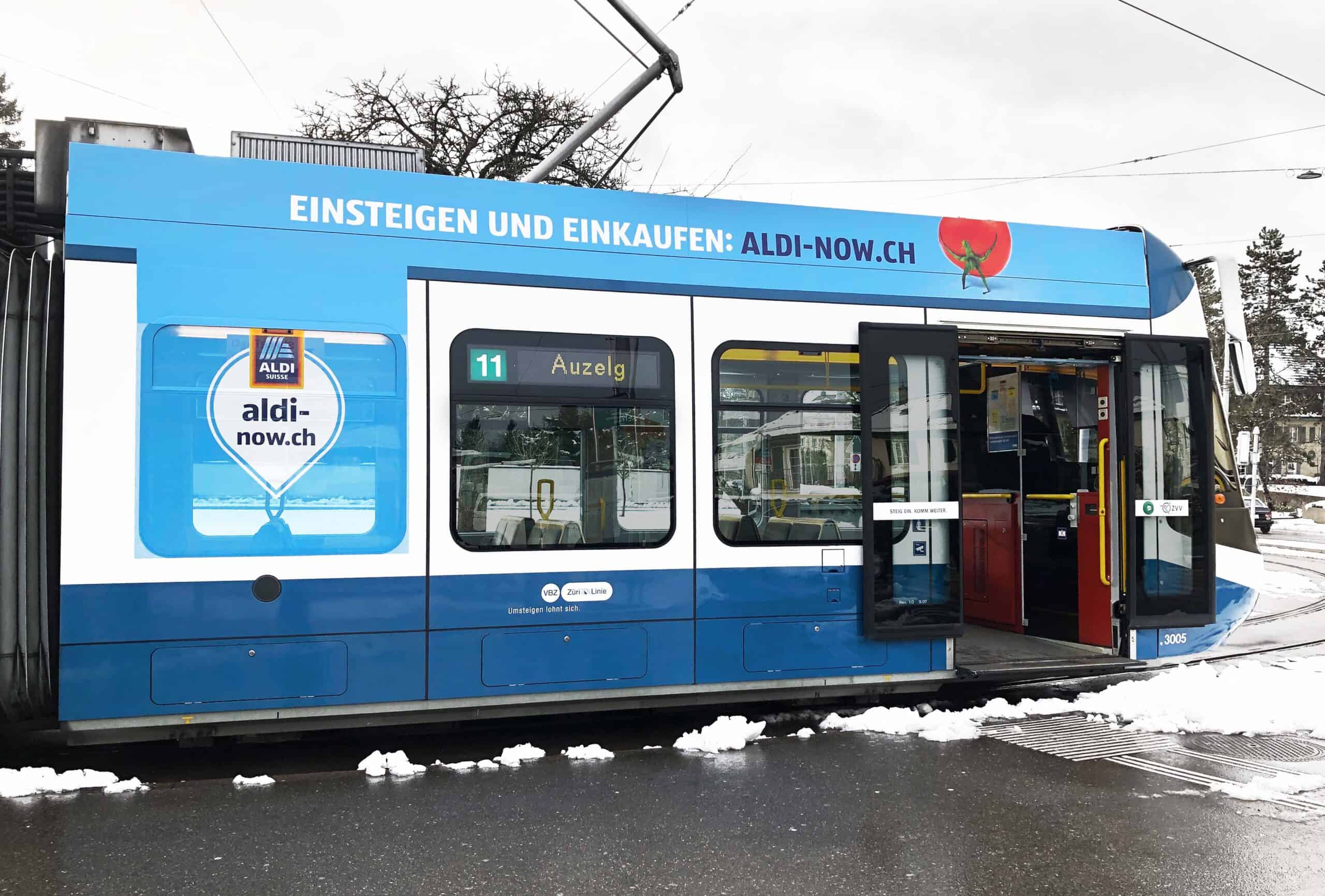
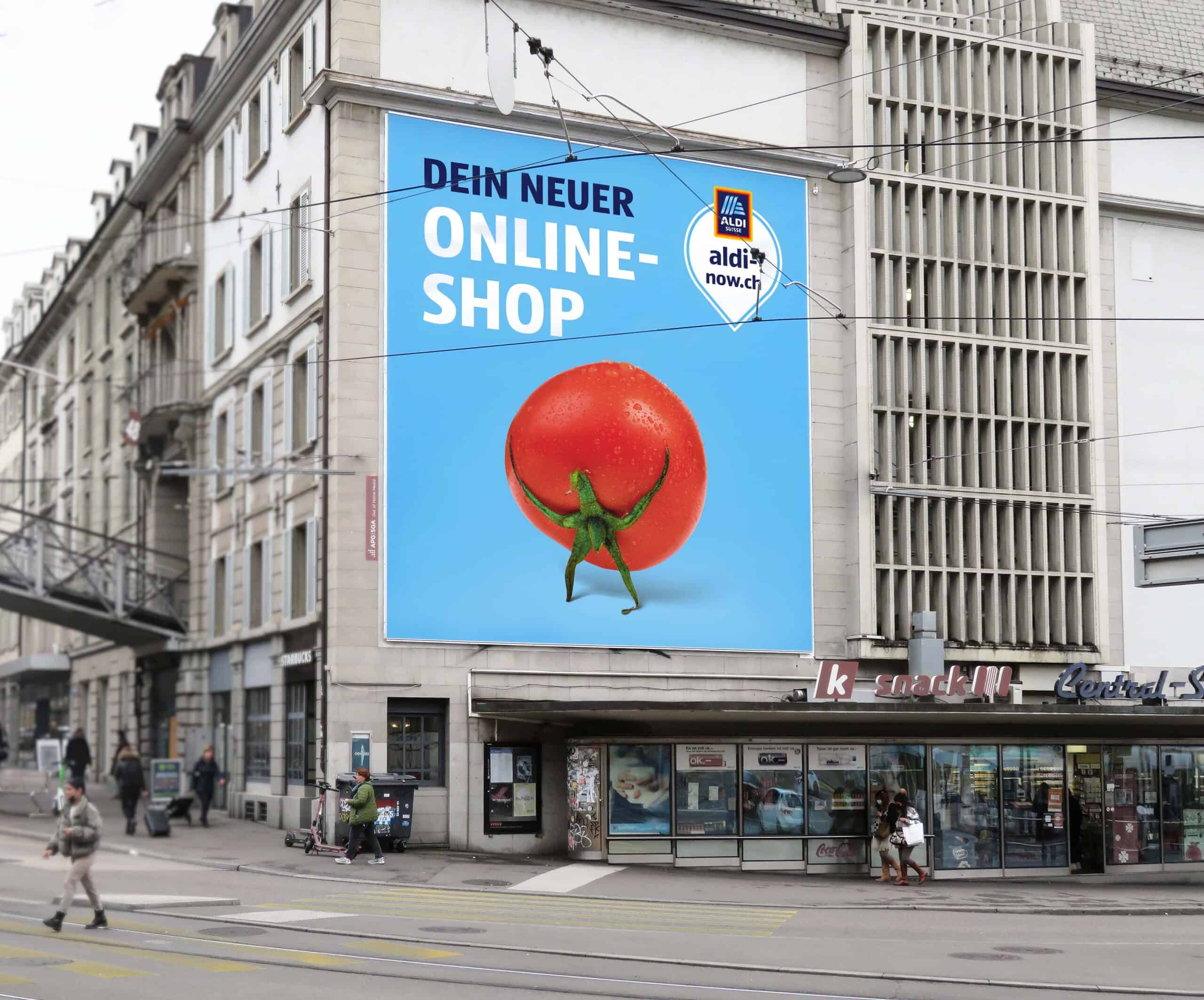
Anyone who wants to shop at Aldi prices no longer has to go to an Aldi Suisse store, but can now stay in the comfort of their sofa or bathtub. Because those who live in Zurich and the surrounding area now have access to Aldi-now.ch, the new online store from Aldi Suisse.
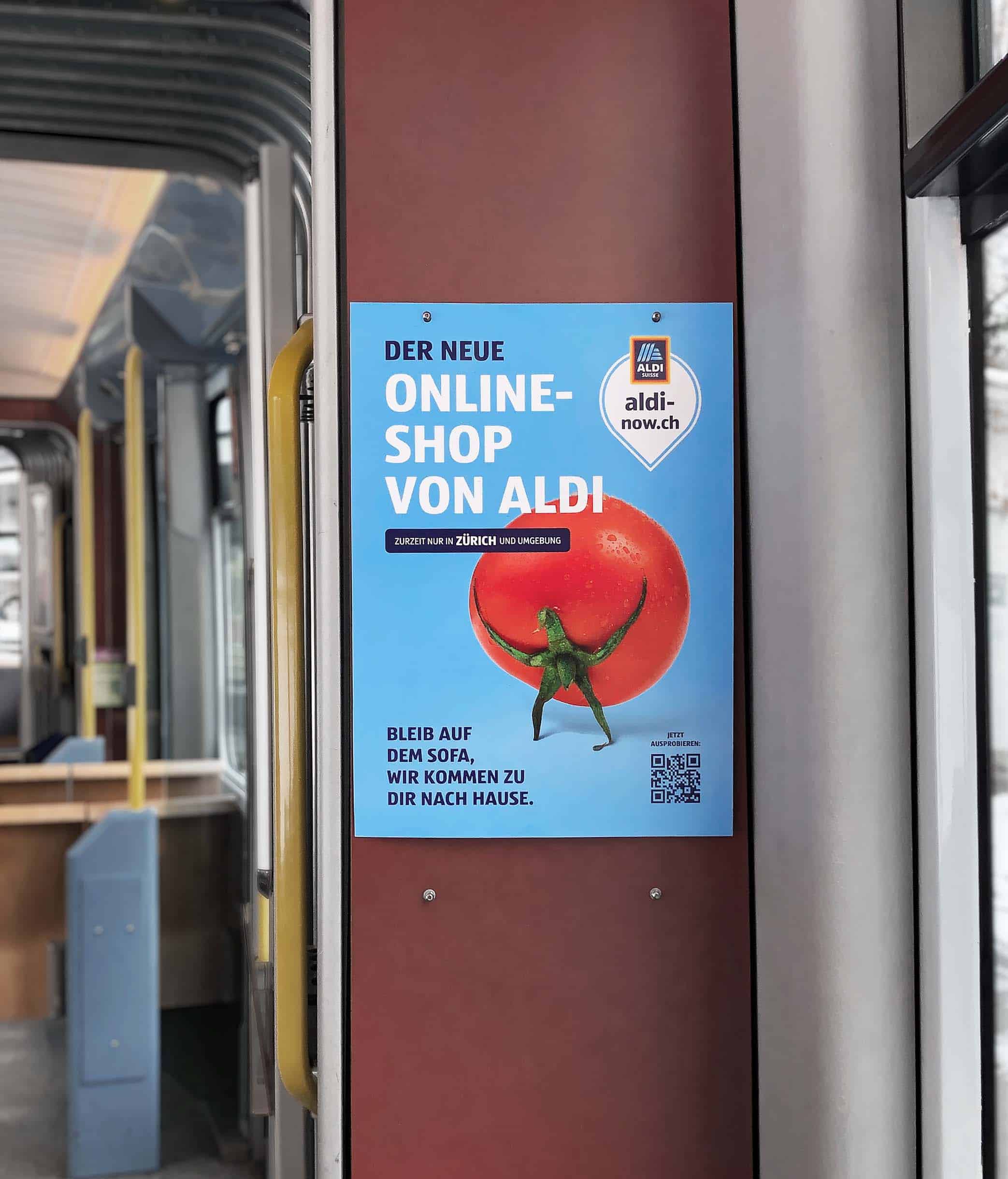
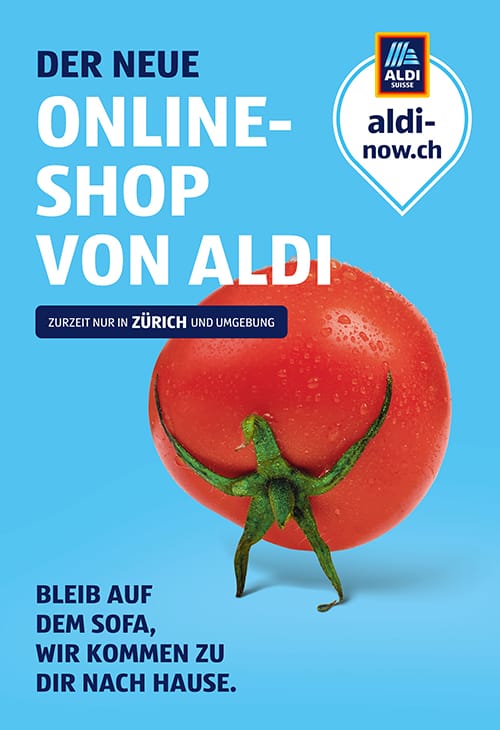
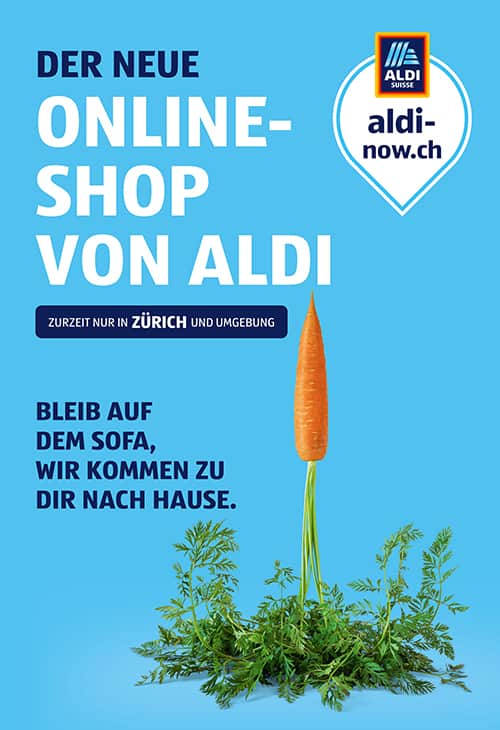
For the new service, which is initially limited to Zurich and parts of the Zurich Oberland and Unterland and will be expanded after a test period, Inhalt und Form has implemented a full-scale launch campaign. The new digital offer of Aldi Suisse is advertised, among other things, in the form of three key visuals that encourage customers to stay on the sofa and do their shopping from home. Groceries are shown that are already on their way to the customer.
The key visuals are used in the form of megaposters, (D)OOH, advertisements and display ads. In addition, further advantages of Aldi-now.ch will be brought to the attention of the people of Zurich via streetcar branding, special posters and POS measures.
Responsible at Aldi Suisse: David Biernath (Director Customer Interaction), Michèle Bürgi (Project Manager Customer Interaction), Sarah Thalmann (Manager Customer Interaction), Maria Brecht (Media Planner), Stephanie Wernli (Project Manager Customer Interaction). Responsible for content and form: Dominik Stibal (CEO), Karin Estermann (Executive Creative Director), David Hugentobler (Creative Director), Paul Labun (Art Director), Noé Kwok (Graphic Designer), Melanie Möckli (Project Manager), Manuela Marty (Head of Consulting/Strategist).
Virtual City Tours realizes virtual city tour through St.Gallen
St. Gallen has now joined cities such as Basel, Lucerne, and Zurich as part of the Virtual City Tours offering. The «Best of St. Gallen» video city tour was produced in close collaboration with St. Gallen-Bodensee Tourism.
Editorial
-
January 12, 2022
In "Best of St.Gallen", Antoinette Corciulo, city guide of St. Gallen-Lake Constance Tourism, guides visitors through the charming city of St. Gallen in an experienced and competent manner for about 15 minutes. The most important sights and also lesser-known corners are on the route of the virtual city tour. At each stop of this picture-rich video city tour, interesting and surprising information is imparted.
Experience the city - whenever you want
The company Virtual City Tours specialized in various formats of virtual city tours of Swiss and European cities in 2021. By means of video tours, cities can be visited completely independently of time and place. The idea behind this is to make visiting cities possible at any time, even in turbulent, uncertain Corona times. At the same time, these virtual tours serve as preparation for an upcoming city trip to Corona.
"The cooperation with Virtual City Tours allows us to target existing as well as new customers and make our city tours in St.Gallen palatable to them," says Tobias Treichler, Vice Director and Head of Marketing & Customer Experience at St.Gallen-Bodensee Tourism.
Record year for the specialist exam for copywriters
2021 was a record year for the Federal Examination for Copywriting: 27 out of 28 participants passed the oral and written examinations. The 2021 exams show a pass rate of 96 percent. The best graduate finished with a grade point average of 5.2.
Editorial
-
January 12, 2022
The examinations for the Federal Certificate of Proficiency in Copywriting took place for the tenth time in 2021. The written and oral examinations were demanding and challenged the participants, writes the Association for the Federal Certificate of Proficiency in Copywriting in a statement.
The 28 candidates were put through their paces by the experts. 27 of them were convincing in both the written and the oral subjects and successfully passed the examination for the professional certificate. The 27 examination graduates : Nina Bärtsch, Debora Baumgartner, Anne Boekhout, Sarah Brühwiler, Andrea Bühner-Schwarb, Marion Garbely, Lara Grimm, Anne-Marie Häfele, Samira Hammami, Aline Hautle, Sara Hübscher, Carmen Imfeld-Mani, Theres Kummer, Nicole Lange, Leila Lützelschwab, Leonie Müller, Andreas Oetiker, Luzia Popp, Michael Rohrbach, Sibylle Salzmann, Ramona Schafer, Dorothea Schöll, Sandra Stump, Nicole Urweider, Sabine Walther, Jeannine Zubler and Marc Michel can now call themselves copywriters with a federal certificate.
New examination regulations
The 2022 examinations will be held for the first time in accordance with the revised examination regulations for the federal specialist examination for copywriters. Little has changed in terms of content. However, more attention will be paid to the text requirements in digitalization. This relates in particular to "automated marketing", the social media text keyboard, digital campaigns and more.
The next exams will take place in Zurich in October and November. Interested parties can register until August 12, 2022 register, the examination fee is 2400 francs.
Supporting association new at Textverband
On the occasion of its 10th anniversary, the supporting association broke away from KS/CS Kommunikation Schweiz and found a new home at the Textverband. The Board of Directors has also been renewed and is made up of President Odile Nerfin and Board Members Lisa Steger and Roger Hausmann.
Noord: New brand to kick off Swiss Sport Integrity
Since January 2022, the Antidoping Switzerland Foundation has been operating under the name Swiss Sport Integrity. As part of the foundation’s relaunch, Noord implemented the new brand identity.
Editorial
-
January 12, 2022
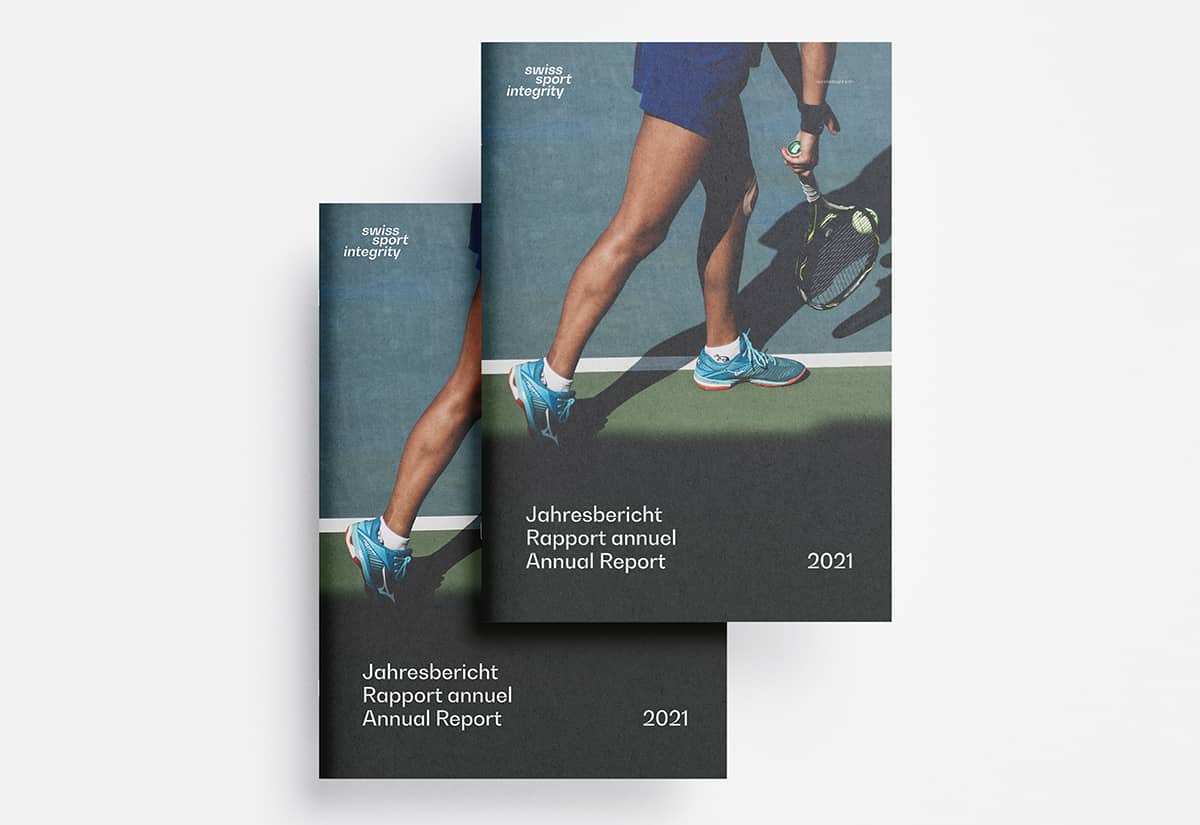
With the adoption of the Swiss Sport Ethics Statute at the 25th Sports Parliament, Antidoping Switzerland was renamed Swiss Sport Integrity.
He said this laid the foundation for better protection of athletes in Switzerland. The Swiss Sport Integrity Foundation aims to make a significant contribution to combating ethical violations and wrongdoing as well as doping in Swiss sport by providing initial advice, investigating and prosecuting suspected violations, doping controls and doping prevention.
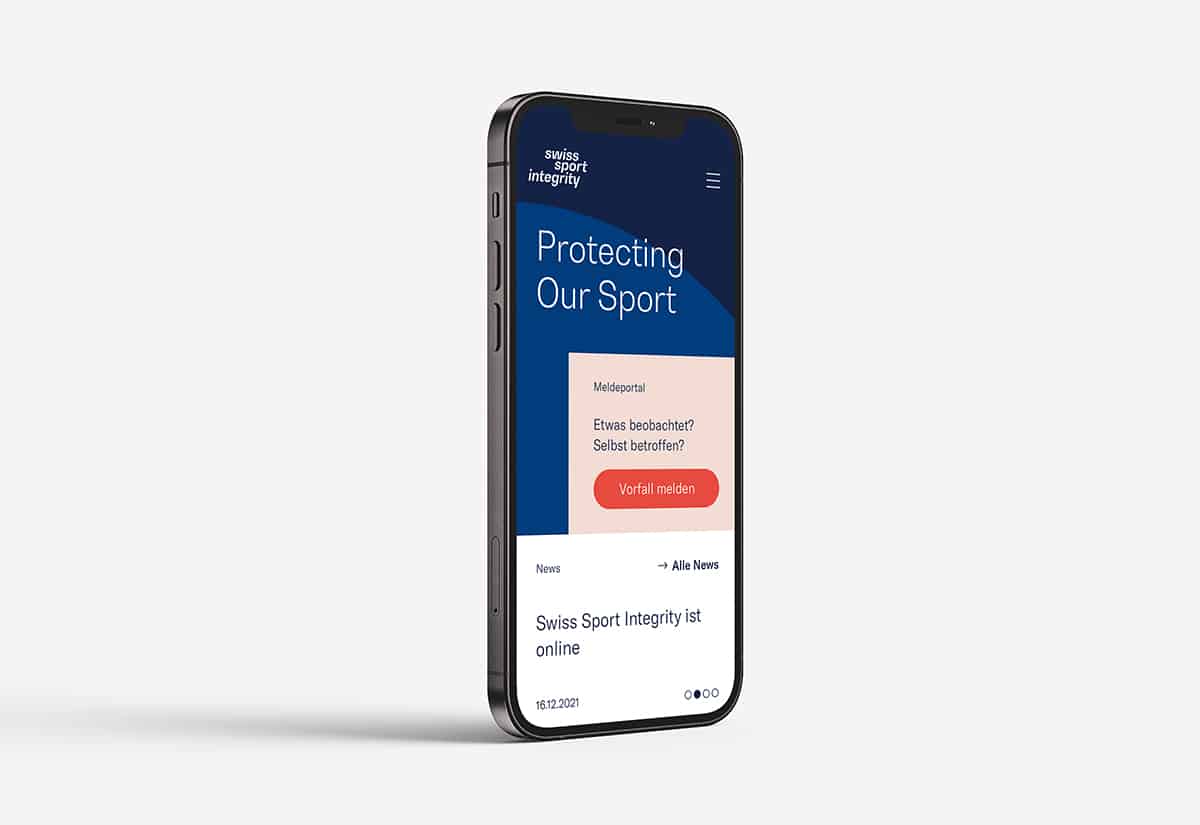
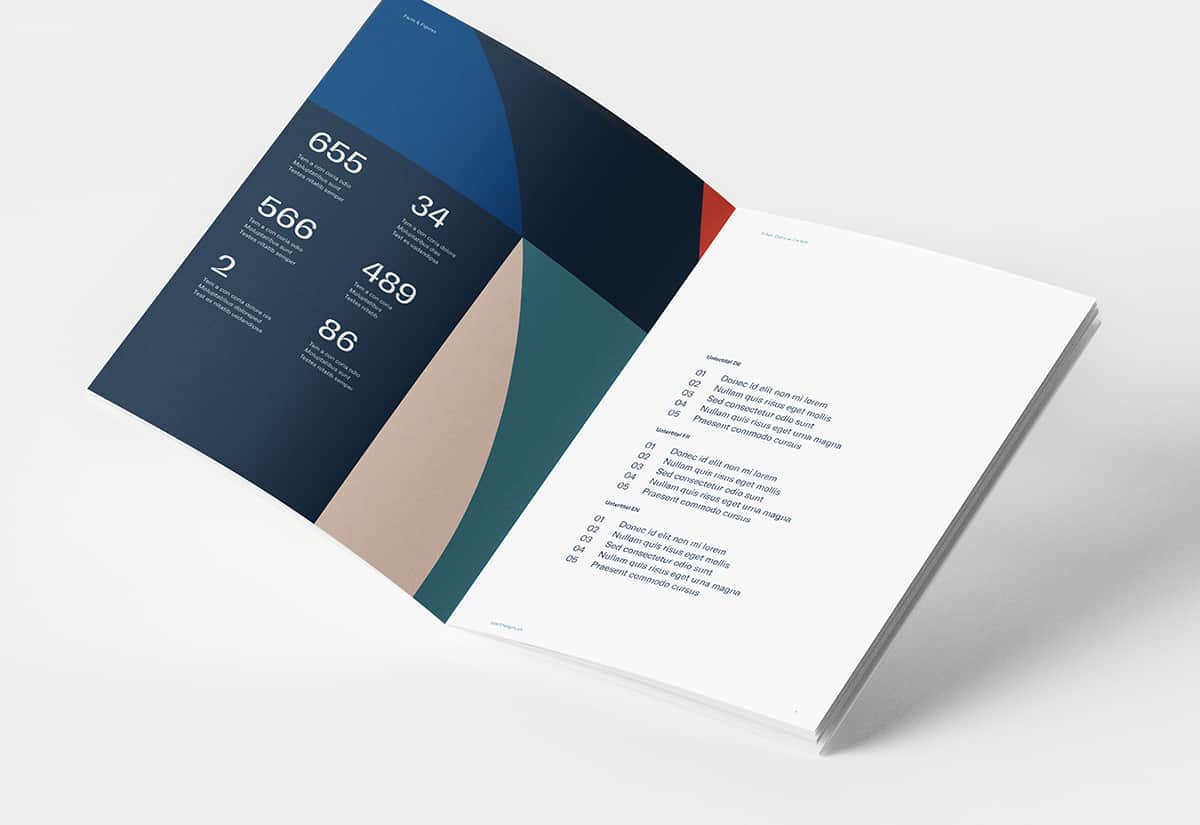
Noord redesigned the entire branding for the launch of Swiss Sport Integrity and created a versatile key visual for the foundation. Since January, the new design is presented on the new website as well as on the social media channels of Swiss Sport Integrity. In addition, Noord designed a set of over 70 icons as well as various templates for publications and business stationery. Animations and further digital applications are currently being developed.
Younger people feel underrepresented in the pandemic
Younger people feel little about the discussion during the Corona pandemic. According to a study, they hardly remember any kind of communication about their age group - and if they did, it was critical media reports.
Editorial
-
January 12, 2022
A joint study by the Zurich University of Applied Sciences ZHAW and the Università della Svizzera italiana USI shows that the discourse in the first year of the Corona pandemic largely bypassed the younger population, ZHAW and USI announced Wednesday.
"We see that young people do care about the health of older people," Suzanne Suggs of USI is quoted as saying. Instead of blaming them, however, Suggs says communication would do better to encourage certain behaviors.
Young people want more explanations
This is particularly successful when it is explained in a comprehensible way why which behaviors are important. The need for more explanations is obviously great. In the survey, many younger people wanted a better explanation for the Corona measures.
In a national crisis, basically everyone is at risk and must be addressed accordingly, Julia Datva of the ZHAW Department of Health is quoted as saying.
It is difficult for authorities and health organizations to emphasize the connection while addressing all target groups, the release continues.
For the study, the research team examined the public discourse in the media, politics or health organizations during the first months of the pandemic. It also conducted a quantitative survey and qualitative interviews among 15- to 34-year-olds in German and Italian-speaking Switzerland. (SDA)
Valencia realizes a magazine for vegan enjoyment for Coop
This is the third time Switzerland has celebrated «Veganuary»: The goal is to encourage interested people to try a vegan diet for 31 days. To mark the occasion, Coop is publishing a magazine for the first time, designed to introduce consumers not only to its vegan product line but also to the concept behind a vegan diet. Valencia conceived and produced the new magazine.
Editorial
-
January 12, 2022
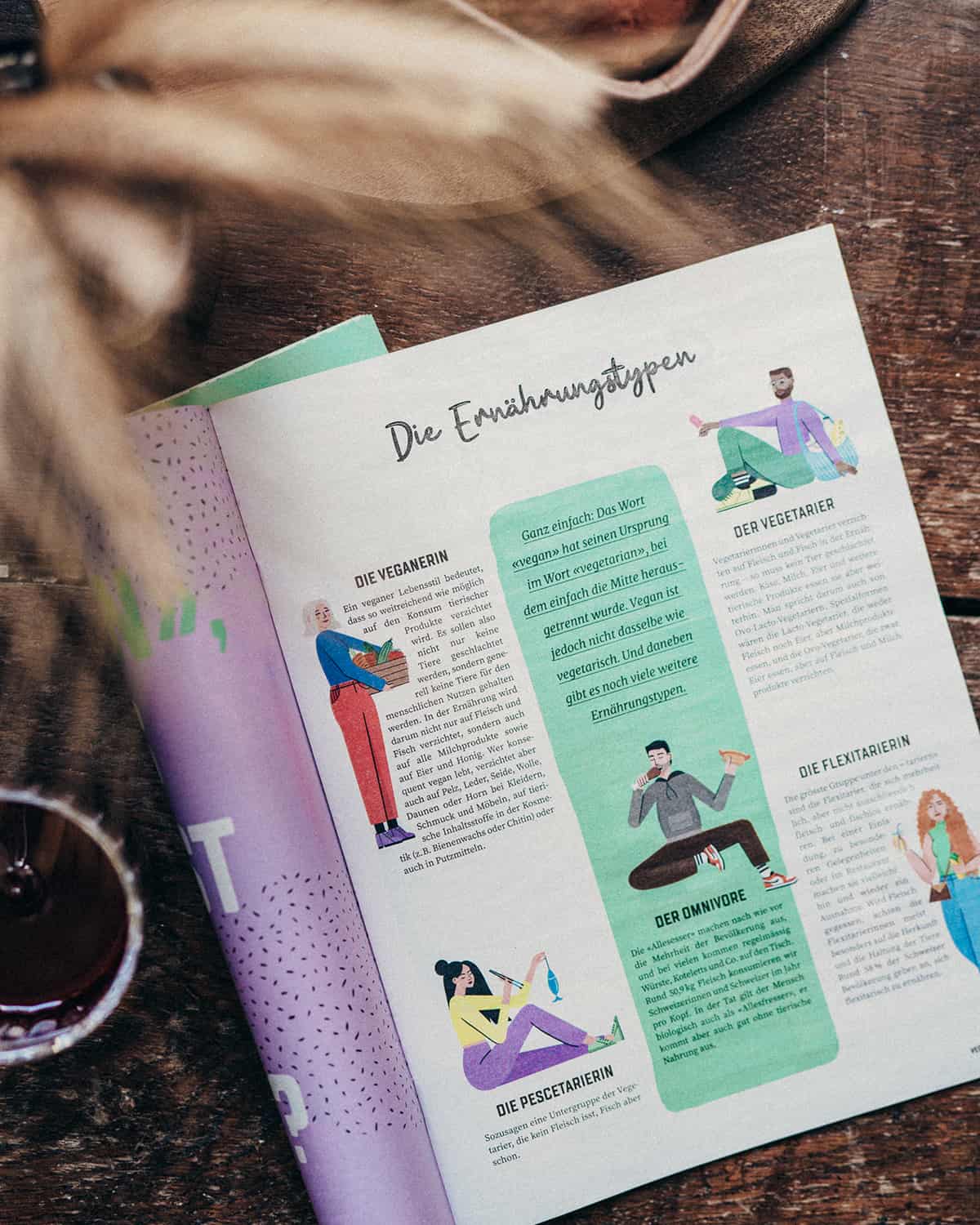
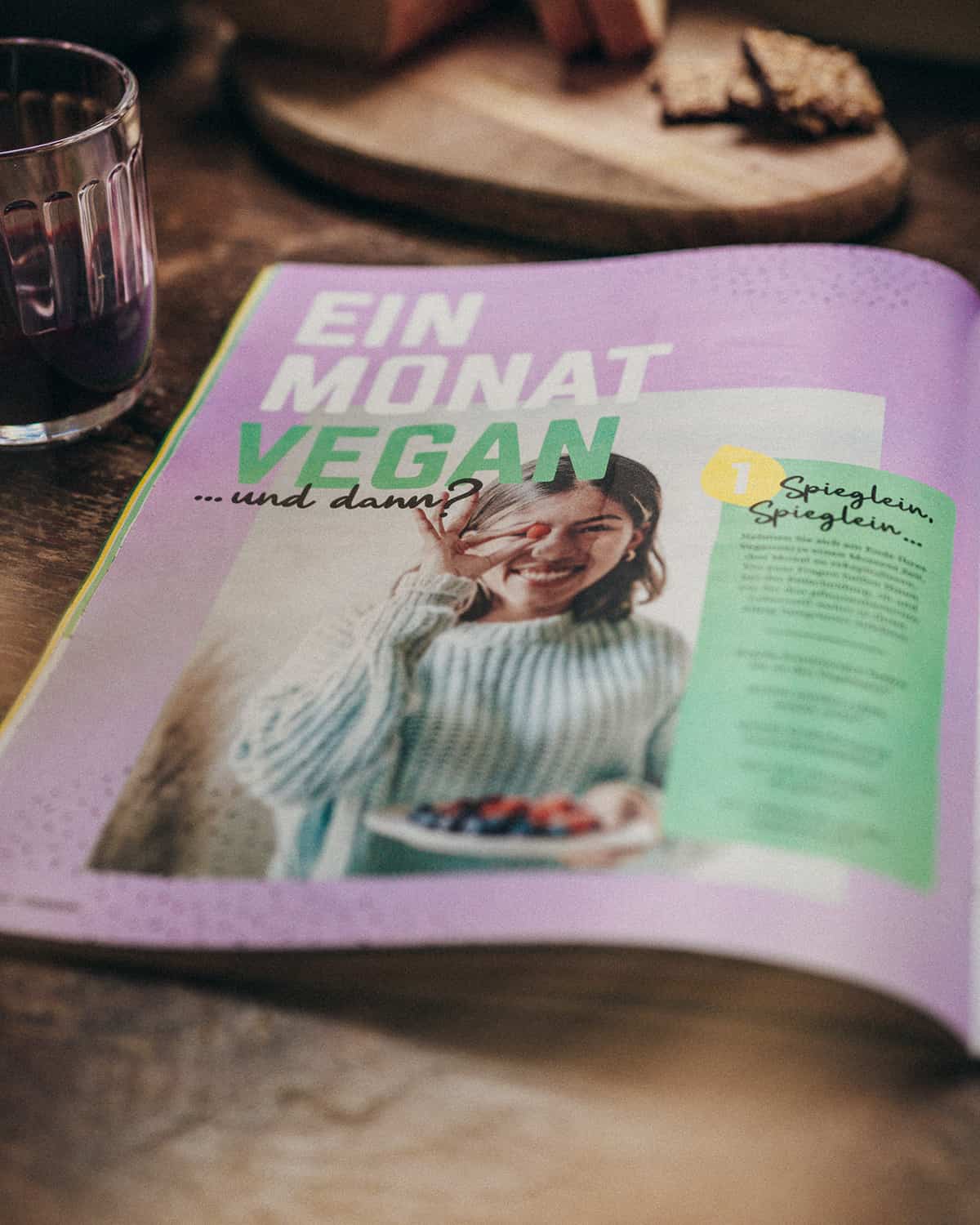
New year, new magazine: "Veganuary" is designed to accompany customers through vegan January in an entertaining way. The aim of Coop's latest publication is to show the variety and size of the vegan range and to communicate the retailer's brand expertise in an entertaining and informative way.
The Basel-based Valencia agency worked closely with the Coop departments involved to develop the design concept and define, write and implement the content. The magazine was enclosed with the Coop newspaper in the first week of January and can be obtained in larger Coop sales outlets.
Responsible at Coop: Markus Graber (Head of Coop Retail Media), Katharina Birkner (Project Manager Coop Retail Media), Sandro Graber (Project Manager Marketing Production/Purchasing). Responsible at Valencia Communication: Tommy Schilling (Chief Creative Officer), Madeleine Knörzer (Art Director), Katrin Deubelbeiss (Junior Art Director), Sebastian Refardt, Guillermo Garcia (Senior Copywriters), Julia Bommersheim (Copywriter), Paula Estepa Garcia (Illustrations, Graphic Designer), Carol Damann, Joëlle Puglisi (Polygraphers), Mirjam Müller, Jasmin Marty (Consultants).
Ringier Advertising and Yieldlove start cooperation
Ringier Advertising is launching a close partnership with programmatic advertising monetization provider Yieldlove. From now on, Ringier Advertising will use Yieldlove's programmatic header bidding solutions.
Editorial
-
January 12, 2022
As part of the collaboration, Yieldlove will handle all cross-border marketing for all Ringier digital advertising platforms in Switzerland, according to a statement. Traffic coming from outside Switzerland will be monetized exclusively by Yieldlove. For domestic traffic, Ringier Advertising will henceforth use Yieldlove's proprietary header bidding technology, which will be extended to include compatibility with the Xandr ad server.
"With Yieldlove, we have found a strong partner to consolidate our leading position within Switzerland," says a delighted Thomas Passen, Managing Director of Ringier Advertising. "In addition to Yieldlove's many years of experience in the digital industry, we were particularly impressed by their flexibility - how they respond to our individual technical wishes and offer a solution that fits us perfectly."
Matthias Hämmerly new Head of Content at Mediafisch
Matthias Hämmerly is taking on the role of Head of Content and member of the executive board, assuming responsibility for all content at the TV production company Mediafisch. He is moving from SRF, where he currently serves as head of commissioned productions and program acquisitions.
Editorial
-
January 12, 2022
TV producer Mediafisch is reorganizing its management structure and bringing on board a TV expert in Matthias Hämmerly. In his role as Head of Content, Hämmerly will be responsible for the content development and implementation of all Mediafisch productions. He will take up his post by the end of spring at the latest.
The previous holder of the position, Theresa Hofer, is reducing her workload at her own request and wants to work more on the production front again. In her new role as Head Producer, the experienced TV producer will share responsibility for special projects and format development.
Matthias Hämmerly has worked in various areas at SRF over the past ten years, including as Senior Developer Youth/Family/Entertainment and Senior Producer Factual Entertainment. In these roles, he developed and produced numerous linear and nonlinear broadcast formats and podcasts, and was responsible for content development for the Thursday, 9 p.m. slot on SRF 1, as well as development and implementation of various docu-series. Before joining SRF, Hämmerly worked as a video journalist at Telebärn and as a presenter and editor at TV 3 Plus and Radio Rabe.
"Matthias Hämmerly is an absolute professional who has mastered the entire claviature of TV making at the highest level. He will qualitatively secure our strong growth of the last years and will be decisively responsible for our future expansion," says Marc Görtz, Managing Partner of Mediafisch. "Theresa Hofer has been with Mediafisch since its inception and is indispensable to us. That's why I'm very pleased that she will remain with us as a reliable doer on the front line with her creative talent and experience."
Consent windows scare away more and more users
Consent banners have a devastating effect on traffic. A website’s bounce rate can increase by up to 40 percent due to a consent banner. Companies that run ads on their sites lose a massive amount of money as a result. The tragedy of it all is that most consent banners are neither necessary nor legally valid.
Mark Baer
-
January 11, 2022
Consent windows are not only a thorn in the side of users. (Symbol image: Werbewoche.ch)
As soon as it pops up, more and more users click away. The consent banner is annoying and gives potential website visitors a bad feeling. Across all website analyses, an average of just 35 percent of visitors agree to the use of cookies in a legally compliant consent window. This was the result of a study by the Swiss marketing technology company Fusedeck. For this purpose, more than 100,000 website calls in Switzerland and abroad were analyzed. "Our analysis shows that cookie-based tracking only captures just over a third of reality," says Fusedeck co-founder Sandro Albin.
Albin himself was also surprised by the fact that just displaying a consent window makes users flee directly by up to 40 PRozent. "The Consent banner obviously has a chilling effect on website visitors."
As the study further shows, no website with over 50 percent consent rate in the EU is even in possession of a legally effective consent banner. "Many websites harass their visitors without obtaining the required consent," says attorney Martin Steiger. The expert on law in the digital space also sees that most consent banners do not obtain legally valid consent. Many banners are designed in a misleading way or do not allow active, explicit and informed consent.
Whether a website needs a pop-up consent window at all depends on whether the operators of the site need the consent of homepage visitors for certain activities. According to Steiger, it's not where a website provider is located that matters, but which law applies. Most consent banners stem from the European E-Privacy Directive and the European General Data Protection Regulation DSGVO. Since the DSGVO came into force in 2018, cookie harassment has been the order of the day. For more than three years, users have been asked for their consent to the transmission of so-called cookies. These are pieces of information that are stored in the visitor's browser, and with the help of which advertisers are allowed to sound the halalalal on surfers.
Due to the countless online consent requirements, a certain cookie fatigue and annoyance has spread. More and more users also feel restricted by the many consent banners. According to Sandro Albin, many of the consent windows are also misleadingly presented. "So-called 'nudging' and 'dark patterns' make it more difficult for users to decline," he says. In this way, surfers are virtually persuaded or even pressured into giving their consent, in part with the help of manipulative processes.
This applies in Switzerland
In France, the data protection authority has just fined Google and Meta millions. This is because users on the two sites cannot reject cookies so easily. It is much easier for visitors to Google and Facebook, respectively, to say yes to cookie tracking. The authorities in our neighboring country to the west concluded that the complicated rejection process would therefore encourage users to opt for the simpler solution, namely clicking "I accept".
Albin advises to use the Consent Banner only where it is necessary for legal reasons. For Swiss traffic, he recommends a simple info banner like the one used by the Rhaetian Railway:
For traffic from the European area as well as accesses from countries where corresponding data protection regulations are in force, such a consent banner should be used:
If a consent window is nevertheless used on a website with Swiss users, then such a banner would also have to comply with the EU requirements: This means that such a window, as in the example of the washing machine manufacturer Schulthess, must have one click for "accept" and one click for "reject" at the top.
According to the expert, cookie-less tracking that does not process any personal data may be used before the consent banner. If the website visitor gives her consent afterwards, the tracking switches to normal cookie-based tracking. "In this way, website usage and campaign efficiency can still be measured, and at the same time you are DSGVO-compliant with this setup," says Albin.
The advertising franc also sticks to the Consent wall
The increased bounce rate due to approval windows also has frightening effects for advertisers. "The impact of advertising campaigns can no longer be measured, and advertising money is largely optimized to waste," continues Sandro Albin. With a media spend in a campaign of 100,000 Swiss francs, this would be around 65,000 Swiss francs that would be spent in the dark without any feedback on the quality. This is devastating and many advertisers are certainly not even aware of it.
From the Advertisingweek.ch These Fusedeck analyses also show that the traffic quality of an advertising campaign varies greatly: the best advertising space provider delivers on average more than 200 percent better quality visitors than the worst publisher. With an average approval rate of 35 percent, according to Albin, only a few percent of the incoming users would even be counted via the known tracking and analytics systems. If advertisers can no longer optimize on 65 percent of the advertising budget used, it is not surprising that economic damage occurs.
The cookieless tracking is here
The marketing technology company Fusedeck enables its customers to measure the success and reach of websites without cookies. This is so that no more traffic is lost and website visitors who reject consent can also be measured. The Zurich-based company's cookieless session tracking has been DSGVO and e-privacy compliant since 2020.
In addition to Fusedeck, cookieless tracking can also be implemented with the free open source software Matomo, for example, which is also available as a cloud version. Matomo is used by various providers. One example in Switzerland is Friendly Analytics.
According to Martin Steiger, cookieless tracking has two major advantages: The measurement of success and reach remains possible without having to bother website visitors with a consent banner for cookies. Those who use cookieless tracking would also behave in a data-saving manner, according to the lawyer.
Cookieless tracking has the disadvantage that certain tracking options cannot be used or can only be used to a limited extent. However, it turns out that these options are often not needed at all or that alternative tools are available.
The lawyer recommends that his clients always check what tracking they actually need and how it can be used in a data-saving, user-friendly and target-oriented way. "For example, there is no point in using Google Analytics with many data protection problems, although you could rely on a data-saving alternative in Switzerland or at least in Europe." If, on the other hand, one is absolutely dependent on the possibilities of Google Analytics, it may be worthwhile to carefully weigh the regulatory effort, the economic benefits and the legal risks, he said.
What is the next legal step?
Data protection and telecommunications law is currently being revised both in Europe and in Switzerland. In particular, this concerns the new Data Protection Act (DSG) in Switzerland and the ePrivacy Regulation as the successor to the ePrivacy Directive in Europe. From today's perspective, however, it is not yet clear when these decrees will apply. According to Zurich lawyer Martin Steiger, the new DPA could at best come into force on January 1, 2023.
Wirz Brand Relations sets an example of modernization for the KSW
With the opening of the new building, Winterthur Cantonal Hospital is taking a significant step in the ongoing development of its hospital operations and medical services. The simultaneous introduction of the new logo, implemented by Wirz Brand Relations, is a communicative sign of modernization.
Editorial
-
January 11, 2022
With over 240,000 patients treated each year, KSW is one of the largest hospitals in Switzerland and makes a significant contribution to medical care in the greater Winterthur region. Under the influence of medical, technical and social changes, the central hospital is in a continuous development process in order to be able to offer a high-quality, comprehensive range of services.
In contrast to the modern medical services on offer, the brand image had become outdated and no longer seemed appropriate for today's KSW. The hospital therefore commissioned Wirz Brand Relations to renew its image. This process has now been completed with the introduction of the new logo.
The content of the logo design was inspired by the relevant aspects of networking, cooperation and collaboration described in the hospital's vision and strategy. The bold lettering is intended to express this through the striking combination of the letters K and S. This should give the logo an independent character and promote rapid recognition. Furthermore, it is easier, more compact and more legible to use in the digital space than the previous logo.
In the spirit of an umbrella brand, the redesigned KSW logo appears as a clearly visible sign on the roof of the new building, among other things. The further rollout will take place successively over the next few months, enabling a resource-saving introduction and changeover.


 "The fact that spending in the content sector is increasing is due to the exploding costs that the business in the streaming war brings with it," explains the industry newspaper Variety. Some investors are already worried about the profitability of media companies in light of recent developments. "The shares of all these companies have experienced a boom in 2021. However, Wall Street now seems to be taking a much more skeptical view," says the assessment.

 Anyone who wants to shop at Aldi prices no longer has to go to an Aldi Suisse store, but can now stay in the comfort of their sofa or bathtub. Because those who live in Zurich and the surrounding area now have access to Aldi-now.ch, the new online store from Aldi Suisse.


 With the adoption of the Swiss Sport Ethics Statute at the 25th Sports Parliament, Antidoping Switzerland was renamed Swiss Sport Integrity.









 TV producer Mediafisch is reorganizing its management structure and bringing on board a TV expert in Matthias Hämmerly. In his role as Head of Content, Hämmerly will be responsible for the content development and implementation of all Mediafisch productions. He will take up his post by the end of spring at the latest.


 With over 240,000 patients treated each year, KSW is one of the largest hospitals in Switzerland and makes a significant contribution to medical care in the greater Winterthur region. Under the influence of medical, technical and social changes, the central hospital is in a continuous development process in order to be able to offer a high-quality, comprehensive range of services.


