Swiss Life shows how to actively shape your working life

swiss-life-zeigt-wie-das-berufsleben-aktiv-gestaltet-wird-mk-marketing-kommunikation
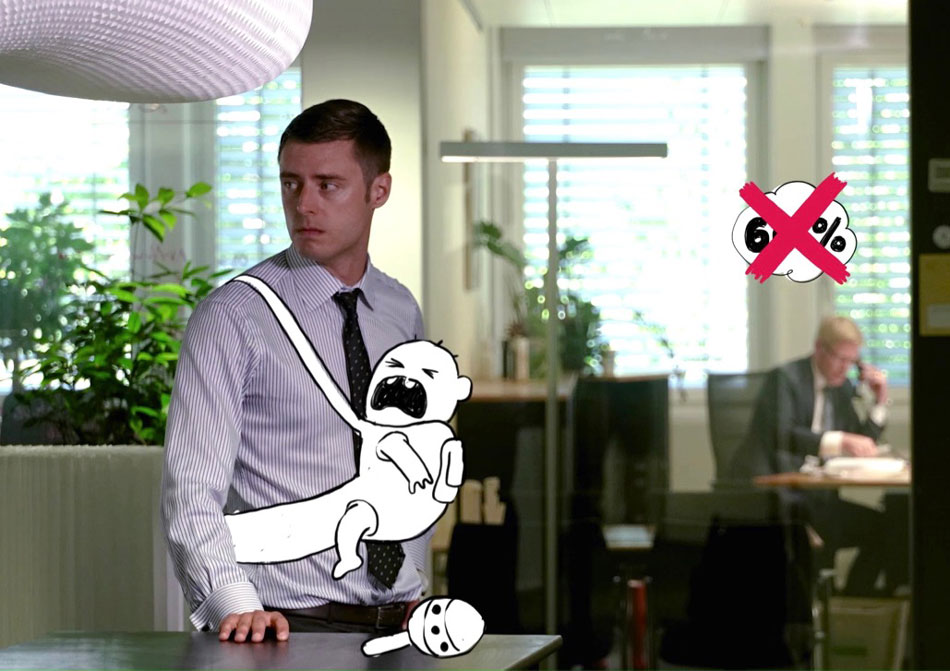
Actively shaping your professional life: Swiss Life's new campaign highlights typical thought patterns.A longer, self-determined life is the central theme for Swiss Life. It is not only relevant for customers, but also for employees. Working life will change. With the "Actively shaping working life" initiative, Swiss Life wants to encourage its employees to engage with this topic in order to find new ways of shaping their working lives together. It addresses typical thought patterns that prevent employees from taking control of the development of their professional lives. At the same time, the film is a call to take action. Three further short clips explain the important topics of employability, employability and diversity.the films are used as part of internal communication, on the intranet and at events.Seed conceived and realized the films as general contractor, Adrian Wisard directed. All the actors are Swiss Life employees.To the video >>

Sir Mary's website becomes a chatbot

sir-marys-website-wird-zum-chatbot-mk-marketing-kommunikation
Information via chat: the Sir Mary agency uses a chatbot on its website.The visitors of www.sirmary.com now receive answers to their questions about the young agency Sir Mary in chat mode. "We are fascinated by the new possibilities that communication has to offer today. Our bot is therefore also an experiment to gain more experience in this area and learn more every day. Just like the algorithm behind it," explain the managing directors. For example, interested parties can ask what Sir Mary offers or which clients the agency looks after. The chatbot is still in the beta stage - but deliberately so, because it should optimize itself day by day through the interactions of the users.Chatbots or "bots" are text-based dialogue systems and thus help to automate communication. In the future, consumers will encounter them more and more often in order to enter into dialog with companies.

How advertisers boost their campaign performance in the run-up to Christmas

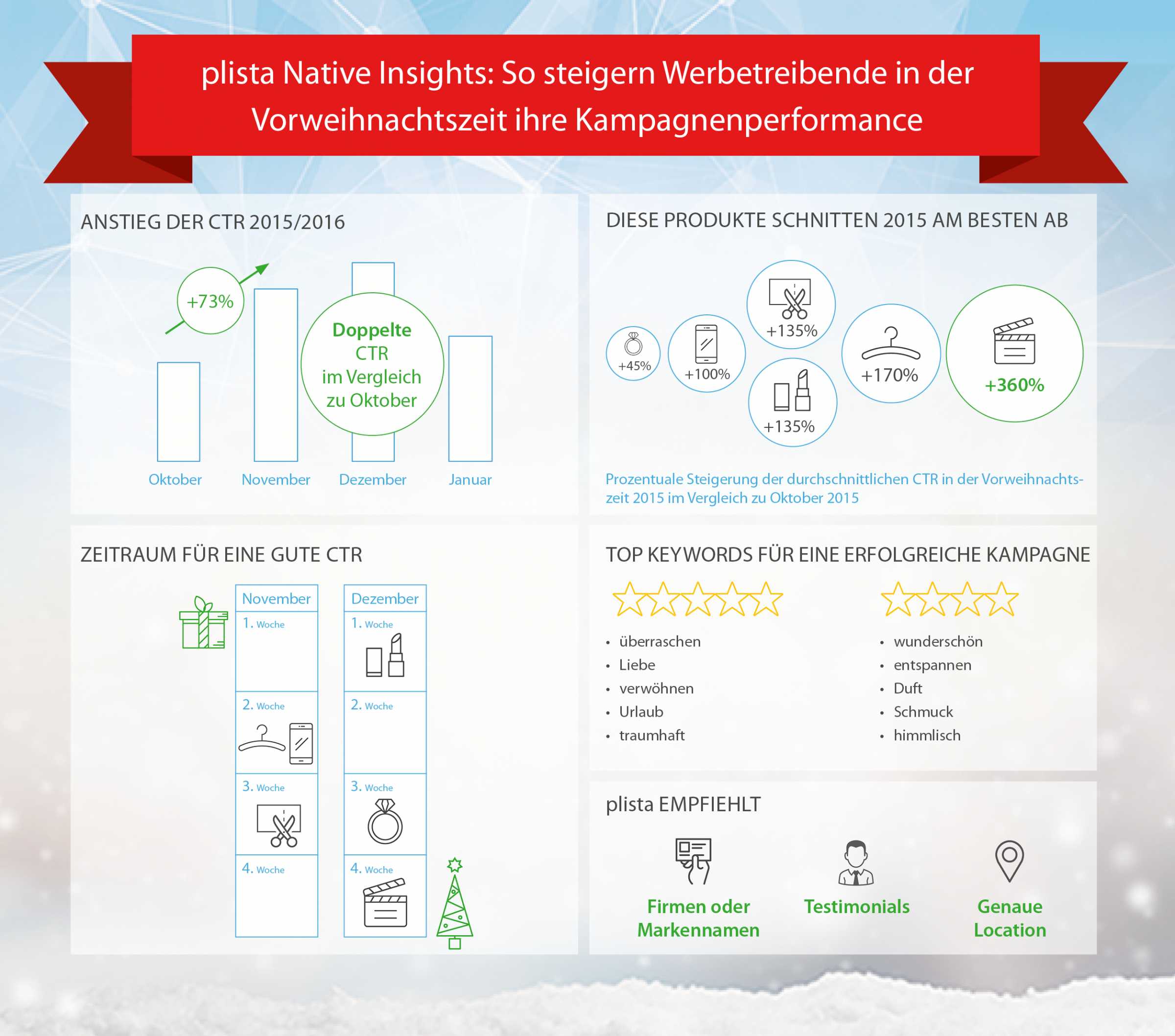
The infographic visualizes the following key learnings:

  • Doubling of the click-through rate between October and December
  • plista evaluated six product categories with the highest CTRs in the pre-Christmas period: jewelry, cell phones, beauty, couponing, fashion and films. Here, the increase in CTR varies from 45 percent for jewelry, to a doubling in the mobile phone category of 100 percent, to the highest uplift for films at 360 percent.
  • Analogous to the graph, the above categories reach their peak at different weekly intervals in the run-up to Christmas: For example, advertisers are well advised to push their campaigns for fashion and cell phones seven weeks before the festive season in order to achieve the best possible CTR. Just six weeks before Christmas, on the other hand, consumers are increasingly on the lookout for coupon deals. The closer we get to December 24th, the more interest shoppers show in jewelry and beauty products. And finally, films achieve the highest CTR shortly before the festive season as a favorite last-minute gift.
  • When it comes to keywords, positively charged keywords such as "surprise", "relax" and "vacation" generate the highest click rates among users and therefore perform best.

Based on this evaluation, companies should integrate the brand name to support their credibility and strengthen their regionality through location labeling to further increase their CTRs.

infografik-so-steigern-werbetreibende-in-der-vorweihnachtszeit-ihre-kampagnenperformance-mk-marketing-kommunikation

The march to happiness

der-marsch-ins-glueck-mk-marketing-kommunikation
Blick's wish campaign enters the next round to make officer candidates happy.What do you actually want most while you have to march 60 kilometers? In the approximately three-minute film, 17 officer candidates are accompanied on the energy-sapping 60-kilometer march to answer this question. The first kilometers and the sleep deprivation of several days weigh on the mind on this October morning. When the army members spot the light show of a Chilbi attraction at dawn, the march takes a moving turn. It was to be an unforgettable march for the aspirants, not only because of the exertions - because the wishes for rest, surprise and even food from mom were fulfilled.Reporter team captures great emotionsThe people surprised were accompanied by a camera team under false pretenses. This team did not produce a report as announced, but captured the three surprises up close, including all the emotions. Thanks to an alert mind and six cameras, the team of around 25 people managed to capture all the surprise moments on film. The film draws attention to the Blick wish campaign from today. Short versions can also be seen in cinemas, on TV and in online advertising formats.About the Blick wish campaignSince the summer of 2015, readers of Blick and SonntagsBlick have been able to www.blick.ch/wunsch formulate their wishes. With a bit of luck, these are fulfilled by the Blick Group's helpful wish team. In this way, people with a wide variety of wishes have already been made happy over 40 times. Some of these touching wishes and their surprising realization become entertaining stories that create interesting content for the editorial teams of the Blick titles. In this way, not only the wish recipients but also the readers benefit from the campaign. With this campaign, the Blick titles are demonstrating their closeness to their readership.

"The content of a website must never be an end in itself"

Der-Content-einer-Website-darf-niemals-Selbstzweck-sein-mk-marketing-kommunikation
Content marketing is essential for a successful.Many companies rack their brains over the design of their own website. Nowadays, there are so many options that it seems almost impossible to find the best one. After all, everything could be done differently. Certain tips and guardrails are nevertheless quite helpful. "You should be clear from the start that the website is not being designed as an end in itself," says Ben Klein, Managing Director of the Zurich-based full-service digital marketing agency Bee Inbound AG. A great design is certainly attractive "prima vista ", he adds. "However, it is much more important that the company can generate good quality inquiries and leads via the website."Careful analysis requiredBen Klein recommends thinking about an inbound marketing strategy as a first step. This applies both to a redesign and to a completely new website. With a careful analysis, one can learn more about the target person ("buyer persona") and their challenges and, based on this, develop content that is relevant for them. "You ideally deal with the optimal conversion and make friends with social media. In a strategy plan/game plan, the exact goals to be achieved with the digital marketing strategy are first defined. Based on this, a concrete action plan is then developed for implementation."User needs must be at the centerWhen developing the website's content and structure, it is very important to think from the user's point of view and take into account his or her needs in the individual phases of the customer journey, says Andrea Iltgen from the Internet agency Xeit in Zurich. "That sounds banal, but it's not. Because when developing a corporate website, representatives from many areas usually register their wishes and needs. And here it's always a matter of returning to the user's point of view and consistently aligning the site with his or her needs."Different user typesIt is important to remember, however, that there are very different types of users. "One prefers to obtain information via images, another via moving images, the third reads, and the fourth would like to print out a PDF if possible," reports Andrea Iltgen from experience. Accordingly, it naturally makes sense to also offer multimedia content. In order to avoid overloading a page, it can make sense under certain circumstances to divide and outsource content to several content instruments: for example, to a wiki, a glossary or a blog. "This content should then be linked together where it makes sense."Answer customer questions and offer solutions The preparation of the content is one thing, but the message actually communicated is something else entirely. "Content must never be an end in itself. The content must always answer the target person's questions and offer real added value. The content has to be helpful," says Ben Klein from Bee Inbound. He adds that it is precisely not ostensibly about the company's message, i.e. not about self-promotion. "Content marketing should be about answering customer questions and offering solutions," he says. Because that's how users work: "They search the Web for answers to their questions. Of course, this also applies to products and services.Perception via Google In addition to the preparation and quality of the content, the decisive factor is of course whether it can be made accessible to the desired target audience at all. Perception essentially takes place via Google, says Philipp Sauber, owner and managing director of the digital marketing and full-service agency INM AG in Wetzikon. "That's why a website must be search engine optimized, contain appropriate keywords and, above all, authentic content."Effect clearly measurableThe effect of a website can also be clearly measured. "Google ranking, traffic, dwell time, reaction to a 'call to action' and 'conversion rate' are among the criteria that distinguish a good from a bad website. Of course, all communicative means such as videos or graphics should be used, but subordinated to the goal of turning visitors into users and ultimately into customers." Perception is one thing, user-friendliness is another, he said. "A commercial website must lead the visitor, regardless of their device, clearly and quickly to the goal, trigger an action."Linking brands with relevant contentPhilipp Sauber also takes a clear stance on content. Content marketing describes the skillful linking of brands with relevant content. As long as a web-friendly structure is ensured, anything goes. "However, anyone who only attracts attention but does not deliver will fail. Better is: an expressive 'key visual' linked to a core message and a 'call to action', a lead text that gets to the heart of the offer and is provided with a keyword-relevant title, supplemented by listicals, infographics, checklists and testimonials." The point here, he said, is a complete work in which nothing should be left to chance.A web presence can always be developed furtherFinally, it is also helpful to realize that this overall work is never complete, but can or even should always be perfected further in a rolling process that never ends. "It is important to understand that there is no such thing as the perfect web presence. A website is never finished and must be constantly revised, updated, rebuilt and adapted to the latest technological possibilities," says Simon Künzler, Co-Managing Director at Xeit together with Andrea Iltgen. Künzler is convinced that a lot of convincing still needs to be done precisely for this. "I think that this understanding or, even better, this mindset has not yet arrived in many companies."Author: Robert Wildi

Staff Finder enters the healthcare industry

staff-finder-steigt-in-die-gesundheitsbranche-ein-mk-marketing-kommunikation
The shortage of staff in the healthcare sector is acute.The staff shortage in the healthcare sector is acute: according to a study by the Swiss Health Observatory Obsan, institutions will need around 25,000 additional specialists by 2020. The industry is suffering from a permanent shortage of skilled workers, particularly in qualified nursing care, as more and more older people need to be cared for for longer. Staff Finder aims to counteract this trend with flexible work assignments. Profiles for healthcare professions at all levels of training can now be found on the on-demand job market. This means that short-term and temporary support can be recruited for many care professions in the event of staff shortages - including specialists in radiology, surgical technology, midwives, paramedics and transport paramedics. Specialist departments such as IPS, OPS, anaesthesia and others should also be able to be served. "We offer employers in the healthcare sector attractive conditions and employees such as mothers and fathers the opportunity to remain in the industry even with the smallest workloads and maximum flexibility of 10 or 20 percent. We also open up interesting prospects for career changers and those returning to work," says Gianni Valeri, Managing Director Switzerland of STAFF FINDER, and explains: "Our fully automated platform makes it possible to handle flexible assignments cost-effectively and with minimal administrative effort. This gives healthcare institutions completely new opportunities to manage the fluctuating intensity of care with flexible working hours in the interests of patients".Targeting career changers more effectivelyThe current qualifications in the healthcare professions only cover just under 60 percent of the annual demand for young talent. STAFF FINDER has therefore entered into a cooperation with various partners in order to better meet demand in the medium term: Potential career changers are to be addressed in a more targeted manner. This is because anyone with a school-leaving certificate or a tertiary-level qualification can complete a HF course in the healthcare sector. Thanks to training courses with flexible scheduling, a car body mechanic can become a nursing specialist or a technical businesswoman can become a specialist in surgical technology.

Challenges and opportunities of corporate newsrooms

herausforderungen-und-chancen-von-corporate-newsrooms-mk-marketing-kommunikation
Silvan Merki from Postfinance explained how the corporate newsroom works in his company.More and more companies are organizing their internal and external communication in "corporate newsrooms". This serves as a control center for communication, where the planning, coordination and preparation of content is carried out - similar to a traditional editorial office in a publishing house.Postfinance and Suva with Corporate NewsroomThe Neidhart + Schön agency organized a workshop on this topic on 15 November. Representatives from Postfinance and Suva presented their newsroom concepts. At Postfinance, a so-called "content board" was introduced that contains all communication activities. Corporate and marketing communication, internal and external communication, from branding to direct mailing - and this cross-media in all instruments. The benefits quickly became apparent: the agile coordination of topics and the up-to-date overview of all activities, and a corporate newsroom was also introduced at Suva. "The newsroom has created a different dynamic in the department, and those involved are better informed," explained Marcel Hauri from Suva. "We can also react more quickly to events." As an example, Hauri cites information from Suva on the dangers of the popular smartphone game "Pokemon Go".New structures cause frictionHowever, the introduction of a corporate newsroom is also associated with challenges, as both speakers emphasized. Familiar structures have to be changed, which can lead to resentment among employees. Suva, for example, had to cope with a few departures because employees were no longer satisfied with their new tasks. Marcel Hauri also warned against expensive purchases such as big screens that bring little benefit, and finally Neidhart + Schön presented their tool "ns.wow", which can also support companies in corporate newsrooms with the media preparation of their content. More information in the following video.Author: Simon Wolanin

Passenger TV offers online youth magazine tize a platform

passenger-tv-bietet-online-jugendmagazin-tize-eine-plattform-mk-marketing-kommunikation
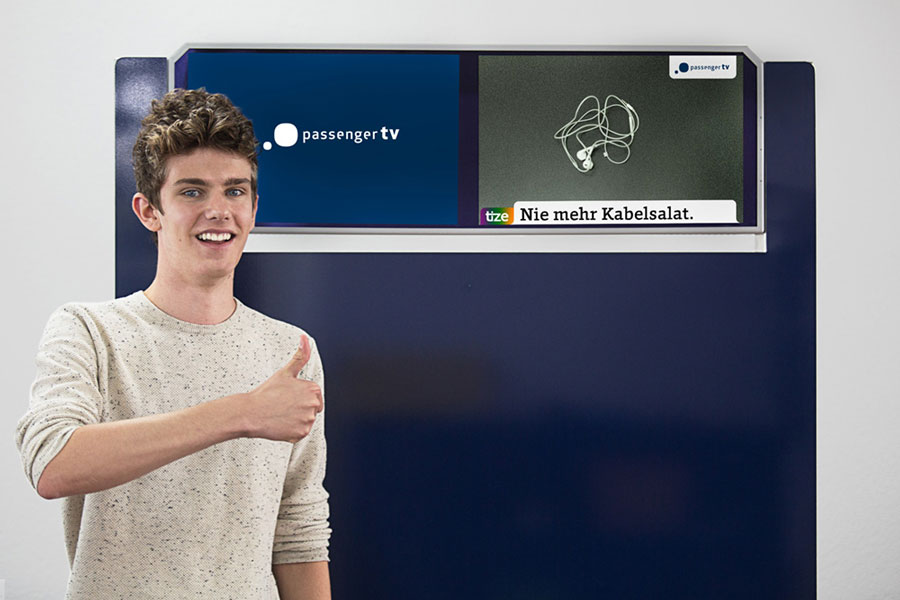
Nils Feigenwinter, 16, presents the clip on Passenger TV.From now on, the young journalists from tize will be showing surprising short clips on Passenger TV's public transport screens. "In one clip, we show how you can avoid tangled cables with your headphones on the move," says tize CEO Nils Feigenwinter as an example.

Bolero: 100,000 copies circulation as of 2017

bolero-100000-exemplare-auflage-ab-2017-mk-marketing-kommunikation
Bolero increases its circulation for the coming year.Starting with the January/February issue, 65,000 copies will be distributed in German-speaking Switzerland (previously 40,000) and 35,000 in French-speaking Switzerland (previously 20,000). The focus will continue to be on exclusive reports from the world of fashion and beauty and stories about the luxurious side of life, such as culture, design and "art de vivre". The higher circulation is intended to help further raise the magazine's profile and attract new readers within the relevant target group.As a consequence, the distribution concept is being slightly adjusted. The additional copies are to reach people with a high affinity for fashion, beauty and lifestyle via targeted mailings in German-speaking and French-speaking Switzerland. The personally addressed recipients belong precisely to that discerning audience that is of interest to the luxury goods industry. Collaborations with new partners also enable the magazine to be distributed at events such as Design Miami Basel, the Baselworld watch fair, the Zurich Opera House, and at high-traffic locations such as Zurich and Geneva airports. In addition, travelers on long-haul flights in Swiss Business Class will in future receive the magazine as reading matter. "The editorial teams in Zurich and Lausanne put a lot of heart and soul into producing a monthly magazine with regional content and an international format. Bolero also enjoys a first-class reputation abroad," says Editor-in-Chief Sabina Hanselmann-Diethelm. "The fact that we are entering the market with a print run of 100,000 copies is a clear signal. With this investment, Ringier Axel Springer Schweiz is underlining its conviction that print has a future, especially in the glossy segment."

User data: Utilization often falls by the wayside

Businessperson walking on a binary aisle
Many companies don't know what to do with their data.Nowadays, 97% of marketing experts in Germany believe that nothing works in marketing without data. However, over a third of those surveyed state that they have only actually used a fraction of the data collected to date. Their strategy for data generation is based on the slow and controlled collection of data for better customer understanding and more targeted advertising. This was the result of the annual trend survey of 147 marketing experts conducted by Hamburg-based digital agency Eprofessional.Using the head start of the big playersA quarter of survey participants (25.5%) believe that large internet companies such as Google and Facebook have an enormous advantage when it comes to data usage. They see collaboration with these giants as absolutely essential and work closely with them as part of their data strategy. They want to benefit from the data-driven solutions they offer.Companies are aware of the relevance of dataThere are also pioneers when it comes to data analysis: at least one in ten respondents see their own data strategy in the fast lane and are already using extensive IT solutions to handle user data. Only three out of 100 marketers see the topic of data strategy as a hype that won't upset them; the existing systems are sufficient for them.Ben Prause, CEO of Eprofessional: "The importance of data-driven marketing is now clear to everyone, but anyone who does not approach the topic of data professionally will not be able to derive any relevant benefits. In addition to a fundamental strategy, an appropriate infrastructure for evaluation must also be in place. This requires, on the one hand, efficient technology that fits the company's framework conditions perfectly and, on the other hand, analysts who can interpret and process the data correctly. It is only through this combination that companies can make a real profit, regardless of whether they work with large internet companies or not."Study ProfileIn August 2016, the digital marketing agency Eprofessional surveyed 147 marketing experts about their data strategy using an online questionnaire. download here available.
grafik-nutzerdaten-verwertung-bleibt-haeufig-auf-der-strecke-mk-marketing-kommunikation
Source: Eprofessional

Mobile advertising: the five most important trends for 2017

What are the most important trends in mobile advertising?Two years ago, the use of mobile devices worldwide surpassed the use of computers for the first time. Since then, the gap has been growing inexorably. One in two people now reach for their smartphone the first thing they do when they wake up. In terms of advertising expenditure, 2017 will be the first time that mobile overtakes the stationary internet. However, this turnaround is not only heralding a new era in terms of sales. The technical possibilities also offer far more potential when interacting with a smartphone than when browsing on a computer and therefore new ways for brands to engage with their customers. The most important trends:1. Programmatic conquers mobile native advertising"On the one hand, more and more companies are jumping on the programmatic bandwagon. On the other hand, the field of application of programmatic methods such as real-time bidding is also expanding. Mobile programmatic native ads are conquering the screens in users' hands. They attract the reader's attention without being distracting. The main challenge for the advertising industry now is to drive forward the rapid technical adaptation of standards, which must go hand in hand with the willingness of budget holders to integrate the topic of 'programmatic' into the marketing mix in future."Robert Wildner, VP Media Operations2. big data becomes smart data"Target group segmentation based on smart data will become increasingly important and bring more benefits for all parties involved. Publishers will deliver better content in their ad slots, advertisers will reach their customers more precisely and customers themselves will enjoy a user experience that is tailored to them. However, truly meaningful data does not result from mass alone. Above all, it is important to enrich it, analyze it and combine it with other sources, such as environmental, location, behavioral or sensor-related data."Dora Lakatos, VP Global Business Development3. virtual and real worlds intermingle"Pokemon Go has shown what traction a successful combination of augmented reality and the offline world can have. The VR and AR revolution makes it possible to get the best out of mobile advertising. It is location-based, active, interactive and social all in one. Whether poke-stops or coupons as you pass by: In-game ads with a local connection bring users back into 'real' stores."Philipp Neuberger, COO 4. native advertising formats are becoming more diverse"Whether stationary or mobile: ad blindness on the consumer side is becoming an ever greater challenge. Publishers therefore need to use new advertising formats that offer added value, are geared towards user behavior, are unobtrusive and still have an impact. The perspective should change: Away from the device, towards the person behind the device. Native ads have therefore now firmly established themselves as an alternative and will continue their triumphant advance with new formats. Budgets for both mobile native video ads and playable ads will increase in 2017."Conno Christou, co-founder of Avocarrot by Ampiri5. messengers win the race for users"Snapchat, WeChat & Co. will overtake email and even social networks like Facebook in the race for the most user activity. When it comes to gaining the attention and loyalty of millennials, they will also establish their position as the first port of call for brands. This will also have a lasting impact on mobile marketing. Chat bots, for example, will take on a prominent role as a marketing channel."Jaeson Hildebrand, SVP of Client Services and Business Development 

These online advertising formats work best

Diese-Online-Werbeformen-wirken-am-besten-mk-marketing-kommunikation
Mobile native ads leave a lasting impression on potential customers.Attracting attention, arousing the intention to buy, increasing recognition value - advertising should do all of this. The digital marketplace offers numerous opportunities to present brands online. A Yahoo study tested the effect of various advertising formats on brand indicators such as brand awareness or activation. The following formats were examined as part of a campaign from the travel industry:- Desktop native ads- Mobile native ads- Mobile native ads including content (ads that offer content with added value)- Mobile bannersThe results of the study are clear: advertising formats on smartphones, tablets etc. perform significantly better than the desktop version in all areas of brand awareness. Among the mobile advertising media, mobile native ads, which present user-oriented content, are clearly ahead. They not only strengthen brand awareness, but also motivate most users to buy or book the advertised product or service. "The results show how important content with added value is for long-term success. Content-rich advertising media - especially on mobile devices - are particularly recommended for brands that want to increase brand awareness and boost sales with their campaigns," says Eva Herzog, Head of Research Germany at Yahoo.Content creates awarenessThe study, in which 500 users were asked about different advertising formats, shows in detail: 76% of users remember mobile native ads including content. Even without the user-oriented ad content on a smartphone or tablet, almost one in two (49%) still do. If a native ad is placed on a desktop, advertising recall drops to 30 percent. Mobile banners still achieve 32 percent. And in terms of brand awareness, content-rich mobile native ads also performed best of all the variants examined: Both in terms of unaided and aided brand recall - i.e. with and without memory aid.Increase brand interestContent-rich mobile native ads most frequently arouse interest in the placed brand among the study participants (50%) and more often encourage them to buy: 43% of respondents intend to buy the product or service shown. In comparison: mobile banners show significantly lower values here (brand interest: 30 percent, intention to buy: 26 percent).content also increases users' willingness to book. For example, 43% of users state that content-driven mobile native ads have encouraged them to book a hotel via the provider - a significantly higher willingness than with the other formats (mobile banner: 31%).Native formats increase click figuresAccording to the study, marketers who want to increase their click rates achieve the greatest success with both desktop and mobile native ads. Almost half of all desktop users (47%) were willing to click on the ad, while the figure for mobile native ads was 42%, significantly higher than for mobile banners (32%).About the study and its methodologyYahoo surveyed 500 participants from the UK as part of the study. All users were over 25 years old and had an interest in travel. Mock-ups of all advertising material were created based on the real campaign and integrated into Yahoo pages, which the respondents were shown during the test. The test subjects were able to decide for themselves how long they were confronted with the advertising.
get_footer();