Jim & Jim brings quadruple reinforcement on board

The Jim & Jim agency is expanding its expertise in consulting, social media, and digital. The four new employees come from Accenture Interactive, L’Oréal, Universal Music, and Augen Glattzentrum.

Jim & Jim Bord
New to the Jim & Jim team: Julia Strachowitz, Nina Forjan, Charlotte Bünter and Ann-Christine Lindner (from top left to right).

With Julia Strachowitz, Nina Forjan, Charlotte Bünter and Ann-Christine Lindner, four new employees are now joining the existing team. "The requirements of our customers have changed significantly in recent years. In addition to know-how about the lifestyles of networked and young female customers, digital consulting skills have always been important and are now even more in demand. To this end, we have strategically strengthened individual positions. Jim & Jim is thus continuing to grow in the area of digital consulting," Fabio Emch, CEO of Jim & Jim, was quoted as saying in a press release.

Julia Strachowitz comes on board for Business Development and Consulting. She brings over ten years of experience in digital and strategic marketing. Previously, she worked for Accenture Interactive, among others. As a certified design thinking coach, she supports Jim & Jim clients with innovative methods. She also teaches marketing at the FHGR.

Nina Forjan joins as Digital Marketing Consultant. She brings in-depth knowledge and many years of experience in marketing and social media on the corporate side. Previously, she was responsible for marketing international female artists in Switzerland at Universal Music. Her previous focus on millennials and Generation Z will now also be put to use at Jim & Jim.

Charlotte Bünter also joins the team as Digital Marketing Specialist. She worked for L'Oréal for several years as Brand Engagement Manager for Lancôme. Her experience in digital experience, media planning and branding complements the existing team at Jim & Jim.

Ann-Christine Lindner starts in the area of Digital Campaigning and Social Media. She has a background in economics from the University of Zurich and was previously employed at Augen Glattzentrum in the area of digital marketing.

Outdoor advertiser Working Bicycle launches first reach study

In late summer, the outdoor advertising company Working Bicycle commissioned its first reach study covering five major Swiss cities. The provider of mobile outdoor advertising on bicycles in Switzerland is assessed in the study as a new mass medium.

Working BicycleThe market research institute Intervista was commissioned to conduct the comprehensive reach study. Two-week campaigns were measured in each of the cities of Basel, Bern, Zurich, Geneva and Lausanne between August 15 and September 18, 2021. The results were determined on the basis of a representative sample across all cantons, age, gender and income. Geolocation tracking with live data was used.

For the study, the stays in the area of advertising boxes mounted on bicycles were measured. For this purpose, the advertising boxes were equipped with a beacon, a Bluetooth transmitter. The Swiss resident population aged 15 to 79 years represents the basic population.

Overall, remarkable results were achieved with a budget input of 30,000 Swiss francs in the five cities and 155 advertising media. The OTS values - OTS is the abbreviation of the English term "opportunity to see", i.e. the average contact - show a gross reach of just over 4.2 million, while the net reach is more than 1.36 million. This means an average of 3.09 potential contacts and a cost per thousand of 6.63 Swiss francs.

Net reach by canton

Net coverage was analyzed on a cantonal basis. The high coverage in Basel-Stadt (53%) and Geneva (41%) stands out in particular. However, even with relatively modest budgets, high coverage was achieved in the cantons of Bern, Zurich and Vaud. These cantons, which are large in terms of area, can already be properly covered by Working Bicycle via the capital (22 to 32%). In these cantons, additional regions can also be booked, which were not covered in the study.

Application area with potential

Working Bicycle focuses its campaigns on highly populated cities and their agglomerations. According to the company, this reaches an extremely attractive target audience. A look at the age and income groups reflects the urban population, which is often on the move in the cities. Men are reached slightly more than women. In addition, the target groups reached are mostly between 30 and 59 years old and have a monthly income of between 6,000 and 12,000 Swiss francs.


Ringier Advertising lowers advertising rates for three titles from 2022 onwards

Ringier Advertising has decided to adjust the advertising rates for some of its print publications to accommodate changes in readers’ media consumption habits. Effective January 2022, advertising rates for SonntagsBlick, Schweizer Illustrierte, and L’illustré will therefore be reduced by 14 to 17 percent.

Ringier Advertising

The lockdown measures to contain the Corona pandemic resulted, among other things, in reduced mobility of the population and repeated restaurant and kiosk closures lasting several weeks. According to Ringier Advertising, the closure of restaurants, hairdressing salons and doctors' surgeries reduced the number of second and third readers per copy, while the closed newsstands led to a sharp reduction in single-copy sales.

The SonntagsBlick as a Sunday title with the highest single-sales share of 26.3 percent, was particularly hard hit by this measure. In response to this development, Ringier Advertising has decided to reduce the advertising prices of various print titles accordingly from the beginning of 2022, according to a statement. Thus, the advertising prices for the SonntagsBlick, the Swiss Illustrated and L'illustré reduced by 14% to 17%.

Managing Director Thomas Passen is confident: "Despite declining readership figures, our fully paid subscribed circulation remains at a stable level."
In the future, too, advertisers should pay attention to a balanced mix of print and digital when booking advertising. Print is still an incredibly strong tool for certain target groups, as is regularly shown in the evaluation of campaigns.

Hillton: "Never Give Up. For Every Child" for UNICEF

UNICEF is placing the slogan «Never Give Up» at the center of its new TV and online fundraising campaign, making it both the campaign’s motto and its strategy. The film production company Hillton is responsible for producing the video campaign.

UNICEF stellt

For 75 years already, the UN Children's Fund has been following the attitude "Never give up" and demands this also from the donors of Switzerland. No Covid 19 virus, no climate change, no takeover should be stronger than this guiding principle. If all helpers think like this, then change is possible. This is exactly what the new spot wants to tell in a poetic and contemporary way. In strong symbolic images, a child competes against the embodiment of all the evil in this world:

"In the communication for fundraising campaigns, the needy persons are often staged very one-dimensionally and as victims in order to arouse pity among donors. It was important to us to address the suffering on this planet, but still portray the needy children in this world as strong and optimistic personalities. I wanted to show that they, in particular, never give up," explains director Alex Tank from Hillton.

"With the reinterpretation of the Queen song "Don't Stop Me Now", we can offer a very special TV spot for mobilization after eight years. But as a fundraising organization, we are of course dependent on support in many areas of our work. Hillton and our long-time partner Schwiizergoofe, have put a lot of pro bono work, commitment and heart and soul into the project and directly exemplified the motto "never give up" with their work," says Marc Uricher of Unicef.

The cast also contributed to the film free of charge and thus to the welfare of disadvantaged children. The reinterpretation of the Queen song "Don't Stop Me Now" was made possible by Sony Music and the "Schwiizergoofe" music project.


Responsible at UNICEF Switzerland& Liechtenstein: Marc Uricher (overall responsibility), Felix Freese, Lucia Pigliapochi, Sarah Ehrensperger (concept & strategy). Responsible at Hillton (Production): Alexander Tank (Director), Gilles Germann (Producer), Carlo Esposito (Production Manager), Julia Hallasch (Production Assistant), Lou Staub (Production Assistant), Fabio Tozzo (Camera), Sven Probst (1st AC), Andreas Schneuwly (1st AC), Sven Uhlman (1st AC), Carla Maiolino (2nd AC), Elio Fumagalli (Runner), Fafa Silvia Fierz (Gaffer), Mojo (Lighting), Nik Delley (Key Grip), Robin Fessel (Production Design), Kilian Lilenfeld (Set), Sibel Kaya (Costume), Amanda Brooke (Styling), Viviane Saner (Makeup), Marc d'Rone (Butterfly Tamer), Max Neumeier (Editing), Ennio Ruschetti / Das Alte Lager (SFX), Nadia Khairat Gómez (Color Grading); Hitmill (composition, sound design & mix), Nikol Camenzind, Jonas Künzle (sound production Schwiizergoofe); Samory Kinteh; Darwin Stapel; Enea Pileggi; Samiel Yosan; Cherline and Anthony Thelus; Wintana Alemtsegay; Eve Riedi; Giulia de Filippo; Noelia Finocchiaro; Celine Huelin; Mateus Schmid; Jaden & Jay; Asia Casella; Beletu Plüss (Cast).

Gruber & Ianeselli stages interactive fundraiser for BlackRock

As part of its 25th-anniversary celebration, the asset management firm BlackRock made donations to three nonprofit organizations. The agency Gruber & Ianeselli handled the communications for the fundraising campaign.

Gruber & Ianeselli

BlackRock has been managing assets in Switzerland for 25 years. However, the company also believes that taking responsibility also means making a contribution to Swiss society. To mark its anniversary, BlackRock demonstrated this commitment with a donation to Swiss non-profit organizations.

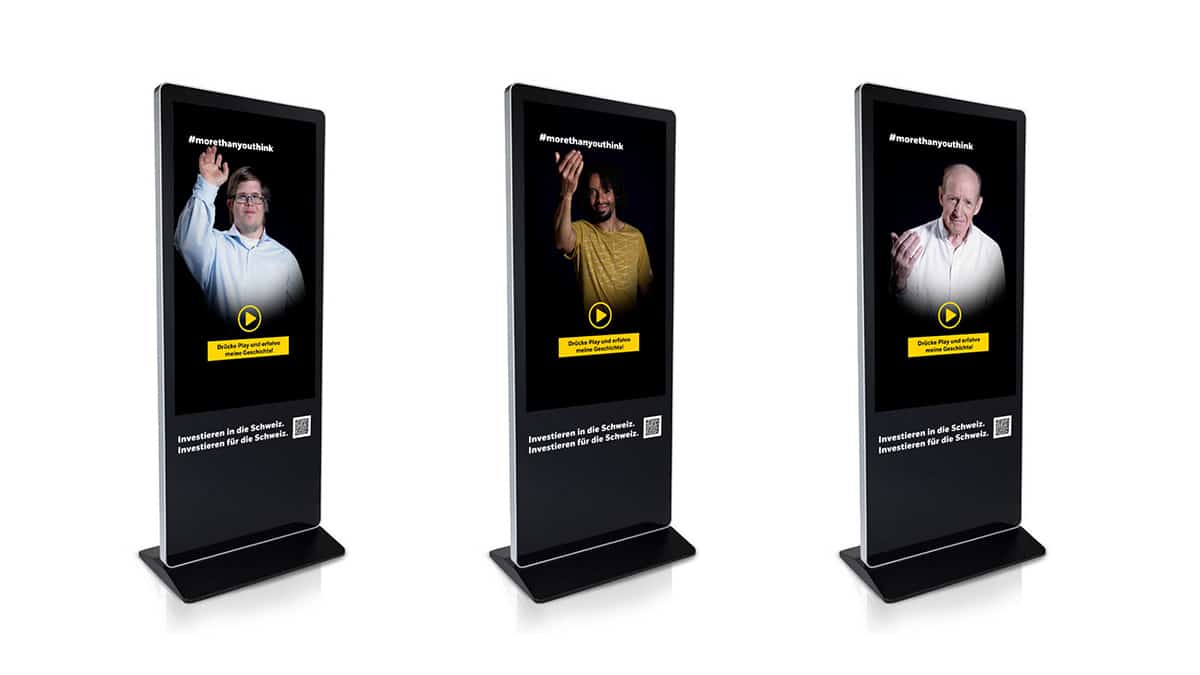
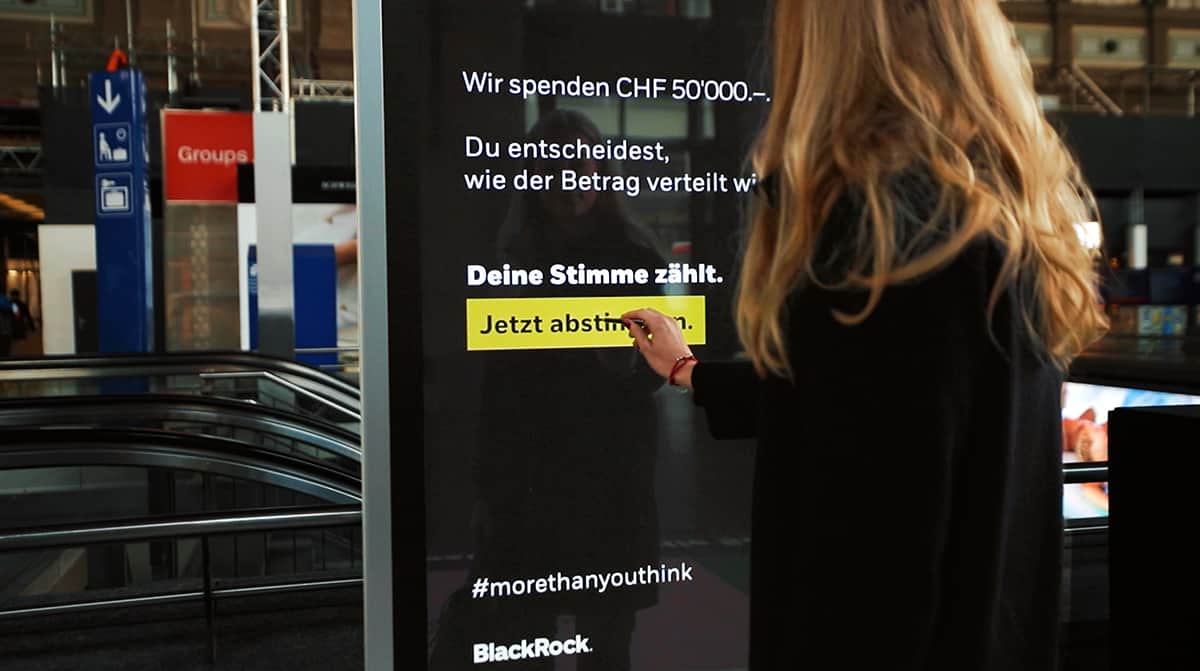
However, the core of the fundraising campaign was not the amount, but the active involvement of users and passers-by and the organizations Insieme Zurich, Sportegration and Schweizer Tafel, conceived and implemented by Gruber & Ianeselli: online and with interactive screens they met.

Digital live voting

On the Campaign landing page and the interactive screens, members of the organizations presented their projects themselves via video and invited users and passers-by to vote for them and thus help determine their share of the donation. The voting process could be followed live online. The final distribution of donations was announced at the end of October.


Responsible at BlackRock Switzerland: Marc Wiedenmann (Head of Marketing); Cloé Corsini (Vice President Marketing). Responsible at Gruber & Ianeselli: Alessandro Ianeselli (CEO/ Strategy); Fabian Gruber (Creative Direction); Tina Locher (Senior Consulting Communication); Tamara Broggi (Senior Project Management Live). Film: Witwinkel.

Successfully stand out: how apps generate attention

A mobile app is a powerful marketing tool—if used correctly. It should constantly push itself to the forefront, but in a way that users perceive it not as a nuisance but as an enhancement, says João Bruges of Merkle.

João Bruges von Merkle
Vendors need to stay close to the pulse of the latest features to stand out from the sea of mobile apps (Image: Merkle)

Hardly anywhere is the line between fascination and weariness as narrow as in advertising. This is especially true for advertising in mobile apps. It is according to a Statista survey conducted in Germany although accepted by more than 60 percent of users as part of free information offerings, is usually perceived only as a necessary evil - especially if it is omnipresent and neither funny nor informative.

Advertising with apps works in a similar way to advertising in apps: mobile applications should create proximity to customers and, at best, encourage them to make a purchase. In order to achieve this, they must not just be downloaded, but also used. So they should always draw attention to themselves. That alone is difficult enough. In addition, it is important not to get on the cell phone owner's nerves. How can that work?

Flattering without falling annoying

Only those who are fundamentally interested in a manufacturer's or retailer's offer download the app. Nevertheless, the download is often the only thing that happens. Even the smartest and best-performing app often leads a sad existence as an icon in the back of the screen. One way to bring it back to the forefront of interest is to give users a good reason to open it. For example, providers can use e-mail to draw attention to goodies that are only available via app. Sweepstakes, bonus points, or discounts are conceivable.

It is crucial that users receive real benefits from the opening - only then will they feel flattered rather than harassed. The following technical means, for example, fulfill this condition. Some of them have been around for a while; however, they are still used so rarely that they are still considered insider tips.

App Indexing - Access through the Back Door

If only the user knew what he knows! Often, the information they need is already in their pocket - but they've forgotten it's there. App indexing increases the chance that the user will find it again quickly.

App indexing makes the app's content accessible to Google search crawlers. If a user searches for a cashmere sweater, for example, his app from the leading knitwear supplier will hopefully show up among the results - provided it is indexed and search engine optimized. For the supplier, offering the same content on the app as on the website and directing potential customers to the right place via a so-called universal link opens up double the chances of winning.

Widgets - the constant companions

But why wait until the user searches for something on his own initiative? After all, you can remind them of the app's existence even when they're using their phone for something else entirely. The best way to do that is with a widget - a mini-application that is connected to the app and can be placed directly on the phone's surface.

For the widget to end up there, however, it has to offer something that the user of the cell phone considers useful. This could be current weather data, for example, or daily new cooking recipes tailored to the respective diet. Static information, on the other hand, is less suitable for this purpose.

Insider tip: Functions that take over routines

It is particularly promising to relieve users of tedious routine tasks. This is exactly what the short application sequences do, which have been available for Android for quite some time and recently for iOS as well. They are called Instant Apps on Google and App Clips on Apple.

Both are able to handle standard processes independently. These include managing a visit to a restaurant, starting with table reservations, ordering and paying for drinks at the bar, and settling the bill - or even renting an e-bike at the train station. Instant Apps and App Clips do not have to be explicitly installed. They respond to suitable NFC transmitters, including visual codes or links in e-mails and messages. To enable them to complete payment transactions, for example, they should be able to access functions such as "Log in with Apple" or "Apple Pay".

So far, only a few app owners are taking advantage of this opportunity. The others are missing out on various competitive advantages. To stand out from the sea of mobile apps, providers must keep their finger on the pulse of the latest features. After all, even the most beautiful app is useless if it is not used regularly.


* João Bruges is a Senior iOS Developer at Merkle - a dentsu company.

Serviceplan: "CMO Barometer" surveyed for the first time for Switzerland only

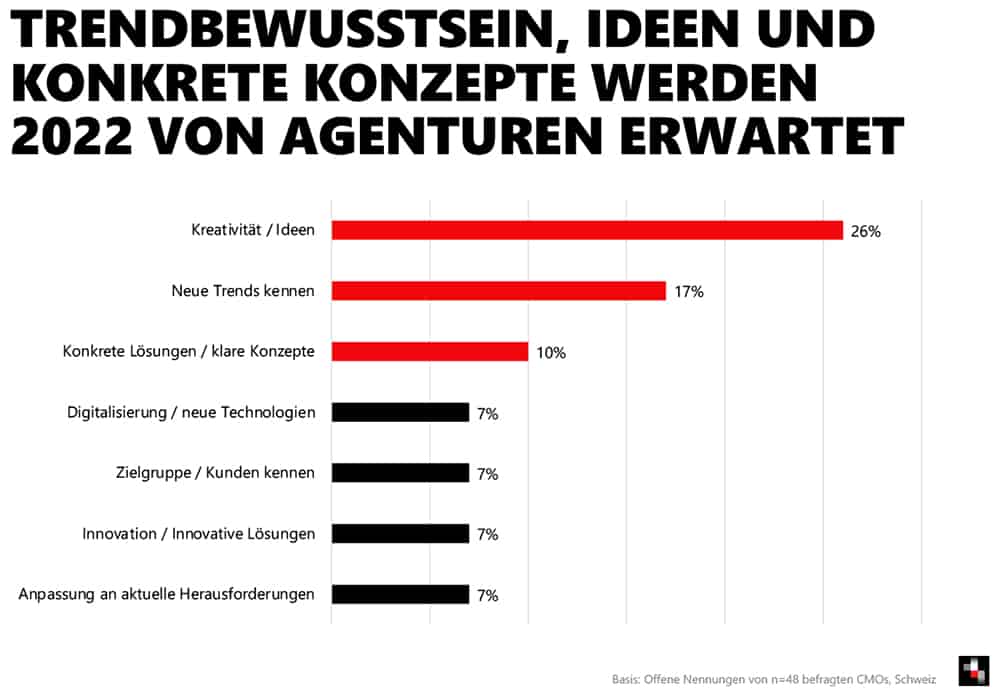
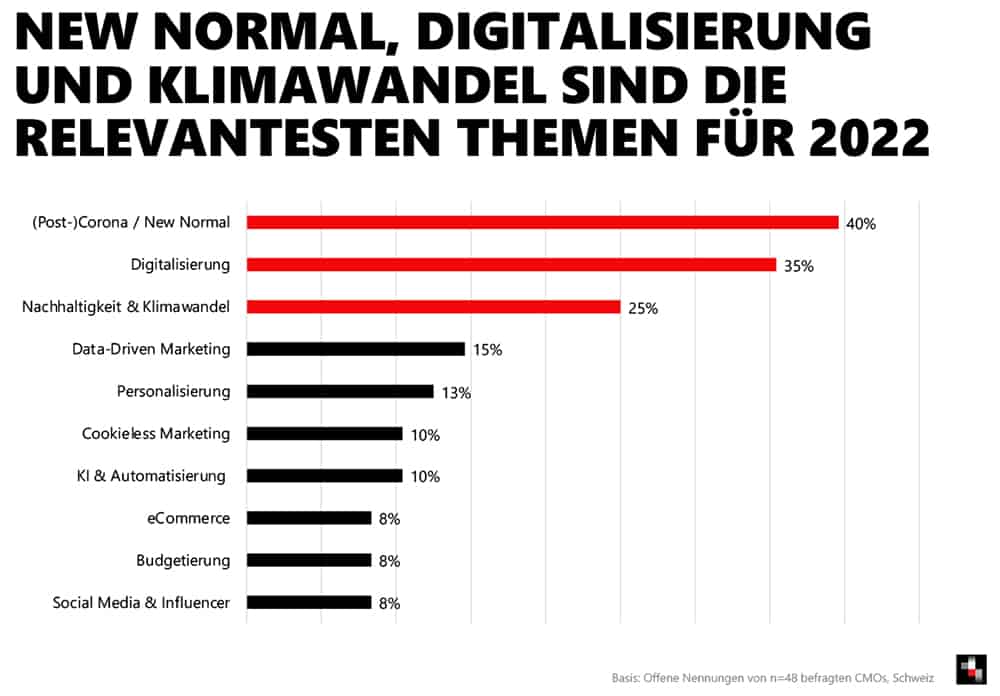
In the Serviceplan Group’s «CMO Barometer,» 48 chief marketing officers assess relevant marketing trends and share their expectations for 2022. Currently, they are focusing on sustainability and on how to best position their brands for the future.

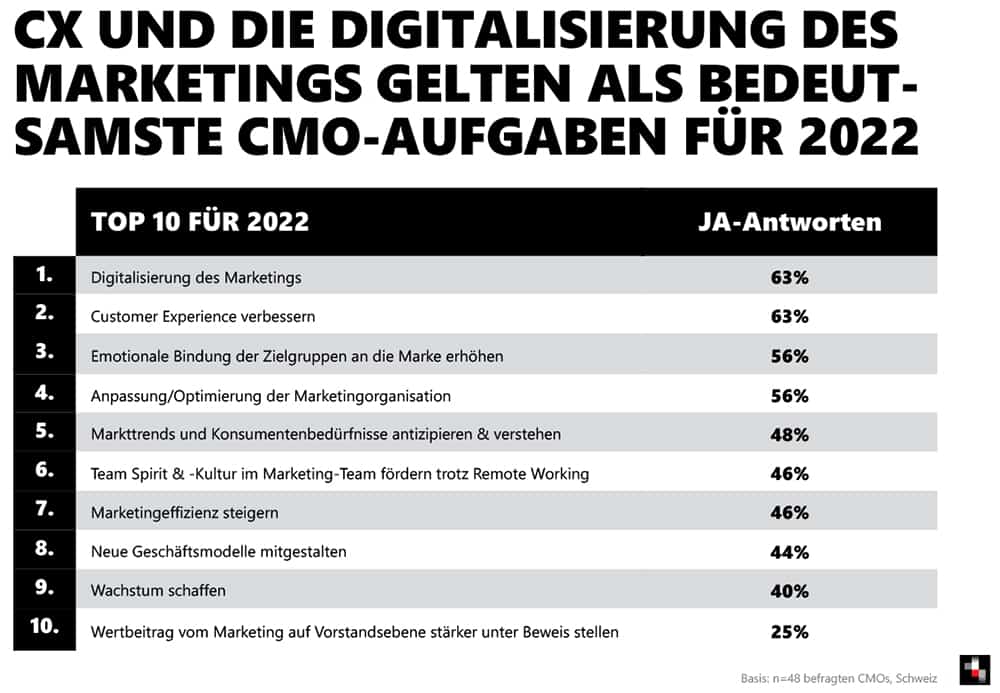
CMO BarometerRarely has a look at the mood among CMOs been more exciting than today: What has the pandemic situation and its consequences done to brands, advertising and everyday life in marketing departments? What focus will decision-makers have in the coming year when it comes to reaching consumers? Four key insights can be gleaned from the responses of the 48 CMOs in the "CMO Barometer".

Pandemic has greatly accelerated developments in the field of digitalization

Although data-driven marketing, CX and sustainability communication are among the most important trends, marketing in 2022 will be dominated by the consequences of the coronavirus pandemic and digitalization. The use of digital technologies in marketing is unavoidable and is gaining in importance due to the consequences of the coronavirus pandemic. In general, CMOs are also expected to focus more on the digitalization of marketing and improving the CX compared to the previous year.

Brand and changing management requirements come more into focus

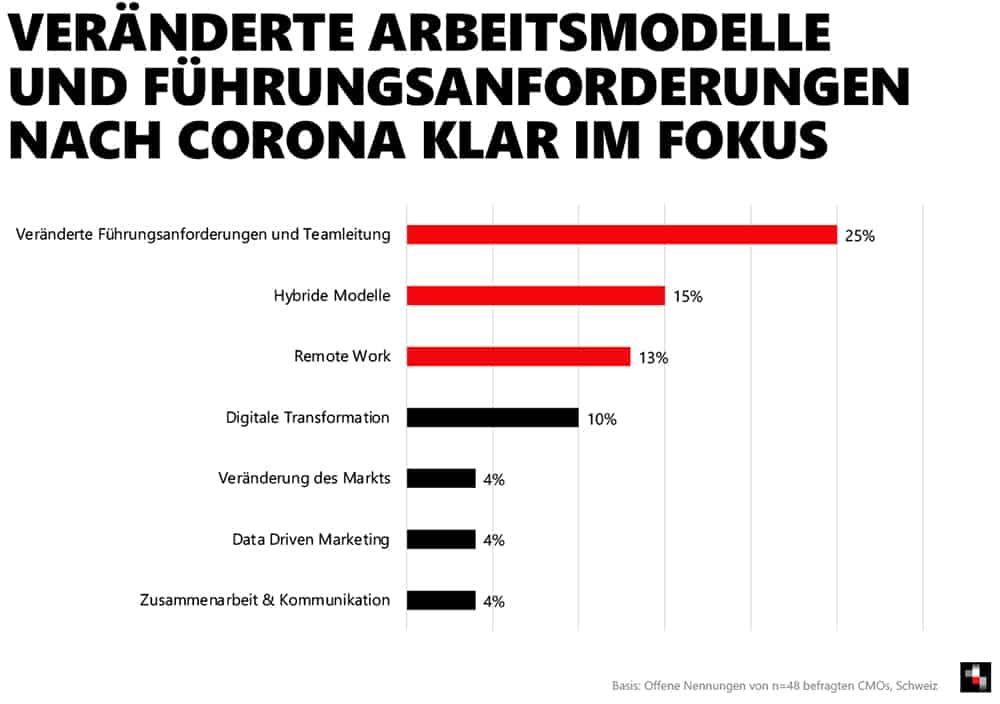
The development and maintenance of brands is seen as a central part of the CMO's repertoire of tasks in 2022. This will be accompanied by new challenges due to the coronavirus, such as changing management requirements and working models. The human factor is becoming more important again.

Creativity remains an important driver

CMOs want company-oriented, creative ideas at all levels. They expect their agency partners to be up to date with the latest trends.

Sustainability has established itself as a megatopic

Although sustainability is not at the top of the list, it is still one of the three most important topics. One might have thought that this trend would be a lower priority during the pandemic. However, the opposite is true: many companies have noticed that it is mainly consumers who are asking them to act on sustainability issues.

"A strong brand was, is and will remain the goal of all CMOs. However, the way to achieve this is changing constantly and ever faster," says Pam Hügli, CEO and Partner at Serviceplan Suisse. "Our job is to combine factors such as creativity, relevance and empathy with hard facts gained through digital technologies. The ability to optimally combine these two worlds is a strong driver for a successful brand."

Peter Schäfer, Chief Strategy Officer at Serviceplan Suisse, adds: "The results show that the human factor is becoming more important again. During the pandemic, CMOs have realized how important it is to integrate 'humanity' back into business. Customer relationships and customer loyalty have regained significance. But internal topics such as teamwork, employee management and new collaboration models are also high on the agenda."


The "CMO Barometer" is an annual study by Serviceplan Consulting Group and Facit. It is based on an online survey of marketing managers from companies of all sectors and sizes in the DACH region. The study was conducted exclusively for Switzerland for the first time. 48 Swiss CMOs took part in the current survey. The detailed results of the "CMO Barometer" with a classification of the results by experts from the Serviceplan Group and other CMO voices are available at in the presentation.

OWM survey: advertisers are more optimistic

A survey conducted by the Organization of Advertisers in the German Brand Association (OWM) shows that advertisers expect sales and earnings to improve in the second year of the COVID-19 pandemic. They view media inflation as the biggest challenge, but performance and impact metrics, as well as transparency, are also key issues. Sustainability is being implemented by member companies.

WerbungtreibendeAdvertisers fared better overall through 2nd Corona year. This is the result of the current survey of the organization advertisers in the brand association OWM, which was conducted in October among member companies and presented on Wednesday at the OWM Summit by the managing director of OWM, Susanne Kunz. Half of member companies (50%) expect sales to increase this year, up from 40% in 2020. Only 26% expect sales to remain flat in 2021, compared to 36% last year.

Earnings development has also improved overall. The proportion of companies (42%) reporting better development in 2021 compared with the previous year (35%) increased by 20%.

Advertising investment: 2021 recovery, 2022 stability

In the current year, advertising investments have increased again in total: in 2021, 38% have increased their budgets, compared with only 11% in the previous year. Whereas in 2020, 49% of companies reduced their budgets, the figure is now only 43% - 19% have maintained their advertising volume.

Advertising volumes in 2021 thus show a positive development and are recovering from the Corona-related slumps from the previous year. The data on changes in advertising volumes for 2022 indicate that advertising volumes will remain stable next year: 37% of companies expect advertising volumes to remain stable, 32% expect them to increase.

The forecast for overall economic development in 2022 reflects this sentiment: 35% of respondents currently believe that the situation will improve next year (in 2020, the figure was 29%). This compares with 30% who expect the situation to worsen in 2022 - last year the figure was 38%.

Revenues under pressure: media inflation by far the biggest challenge 

Despite the positive development, OWM Managing Director Susanne Kunz notes, "Media inflation is currently the biggest challenge for advertisers, even though they have come through the second Corona year better and stable advertising volumes can be expected next year."

77% of the companies surveyed say that media inflation is a very big challenge for them. And rightly so: The positive development of the pandemic in the middle of the year and the incipient economic recovery have led to strong demand in TV and digital. The parallel explosion of media costs is viewed very critically by advertisers. This development is driving almost every member company.

This is underscored when the companies are asked for their assessment of the development of earnings in 2022 compared with 2021: Despite positive sales development, the earnings development for 2022 is assessed as very subdued (31% worse, 52% unchanged, 17% better). This reflects both the price development on the procurement side and on the media side. In terms of sales development for 2022, 56% of the companies surveyed expect an increase compared with 2021.

Among the other challenges facing advertisers, cross-media measurement, proof of performance and impact, transparency and fragmentation top the rankings.

Shift to digital: trend of the past years continues

When asked about the development of advertising expenditure for 2022, it is clear that digital channels in particular lead the ranking of advertising investment. In particular, CTV/ATV (71% will increase their spending in this area, no company plans to reduce here) and online video (increase: 68%, decrease: 7%). But companies are also increasing their advertising volume for social media (increase: 47%, reduction: 13%) and influencers (increase: 44%, reduction: 1%).

There is little movement in classic media: In sponsorship, 72% of members rate future investments as stable, and they also rate print (74%) and out-of-home and search (69% each) as constant. TV continues to be under pressure (20% increase, 43% decrease).

According to Susanne Kunz, the results confirm that the previous trends in the media mix are continuing: "Advertising volumes are following consumers - the trend towards digital continues, with video leading by far, followed by social media and influencer marketing. Podcasts, as newcomers, can also look forward to a positive development in advertising volumes."

Sustainability being implemented at member companies

More and more consumers expect companies to show attitude and take responsibility. 93% of the member companies are already working on implementing the Sustainable Development Goals (SDGs) or have entered the concrete planning stage.

Almost three quarters (71%) of the member companies already live up to this claim in the area of sustainable consumption and production methods. In the area of gender equality, 69% of the companies are taking a stance. In the area of sustainable economic growth and decent work, the figure is 65% and in climate protection 60%.

Sustainability is also being driven forward in media use. 68% of advertisers are already making the CO2 emissions generated by their advertising campaigns CO2 "free" for selected campaigns or are planning to do so in the near future. Kunz is delighted: "Sustainability is not an option, but already part of the business model. The survey shows this very clearly. OWM has already taken up this topic and is currently working on an overview of the most important CO2 compensation models existing in the market."

Rotkopf assisted Jipijapa with its brand launch

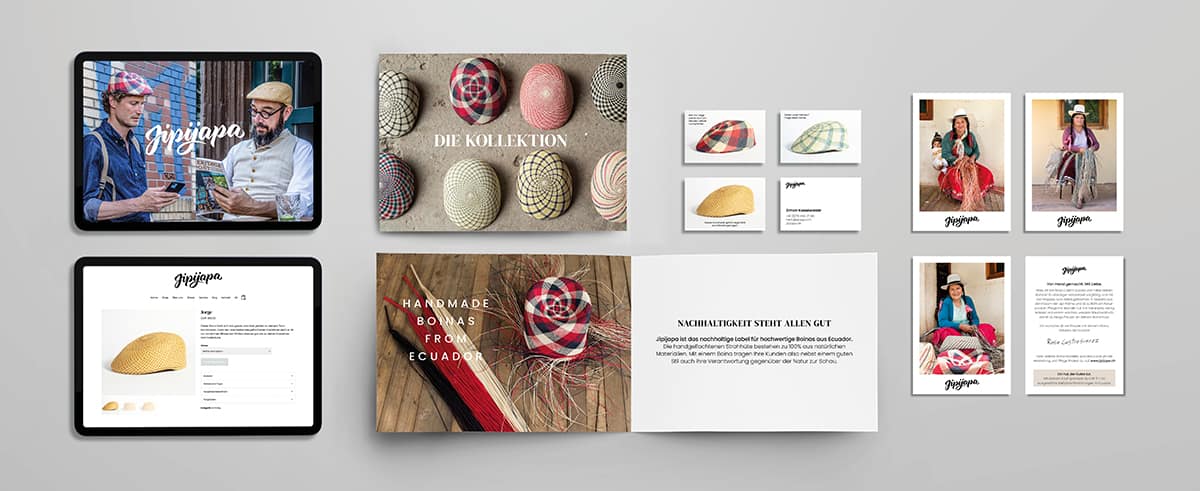
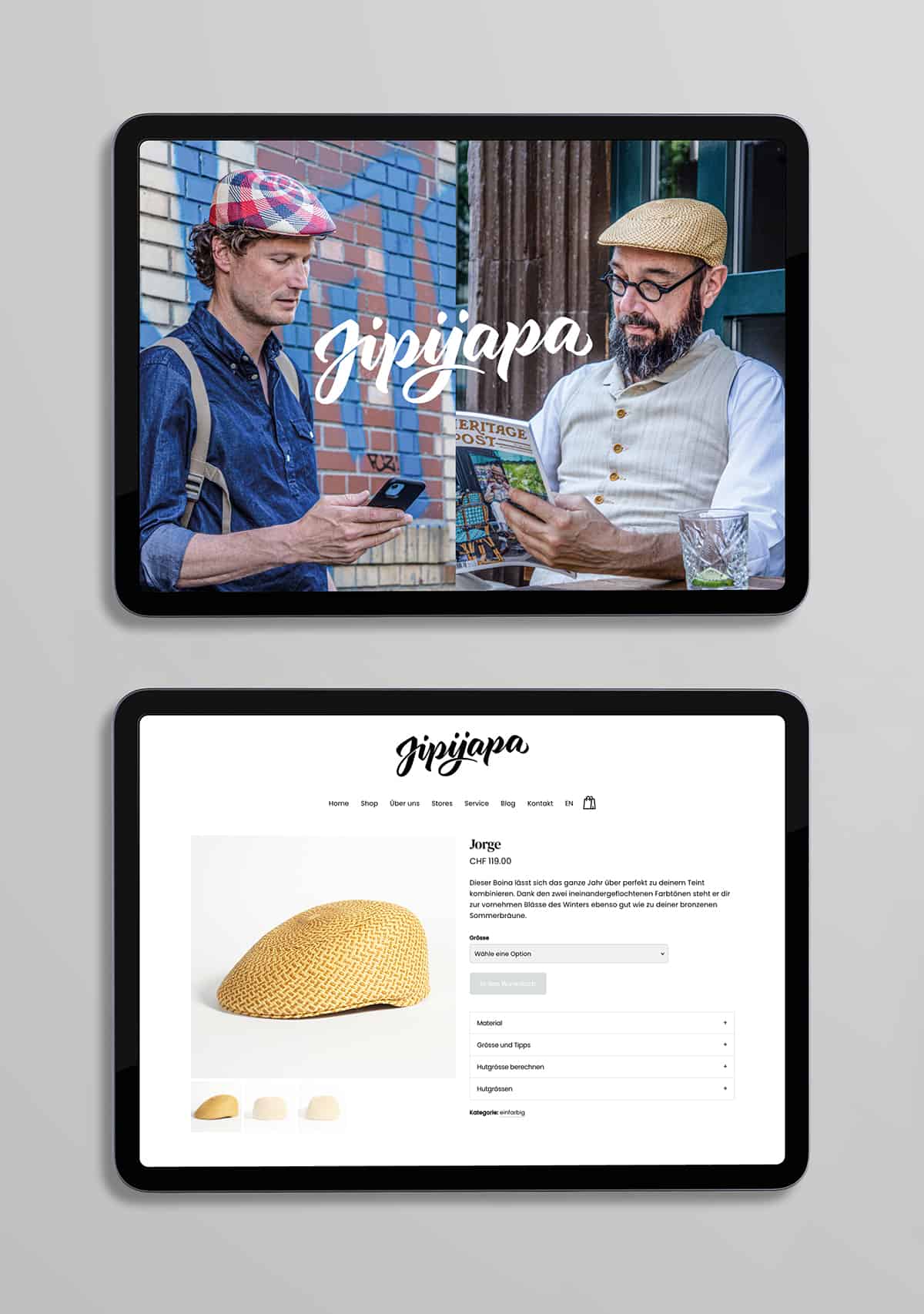
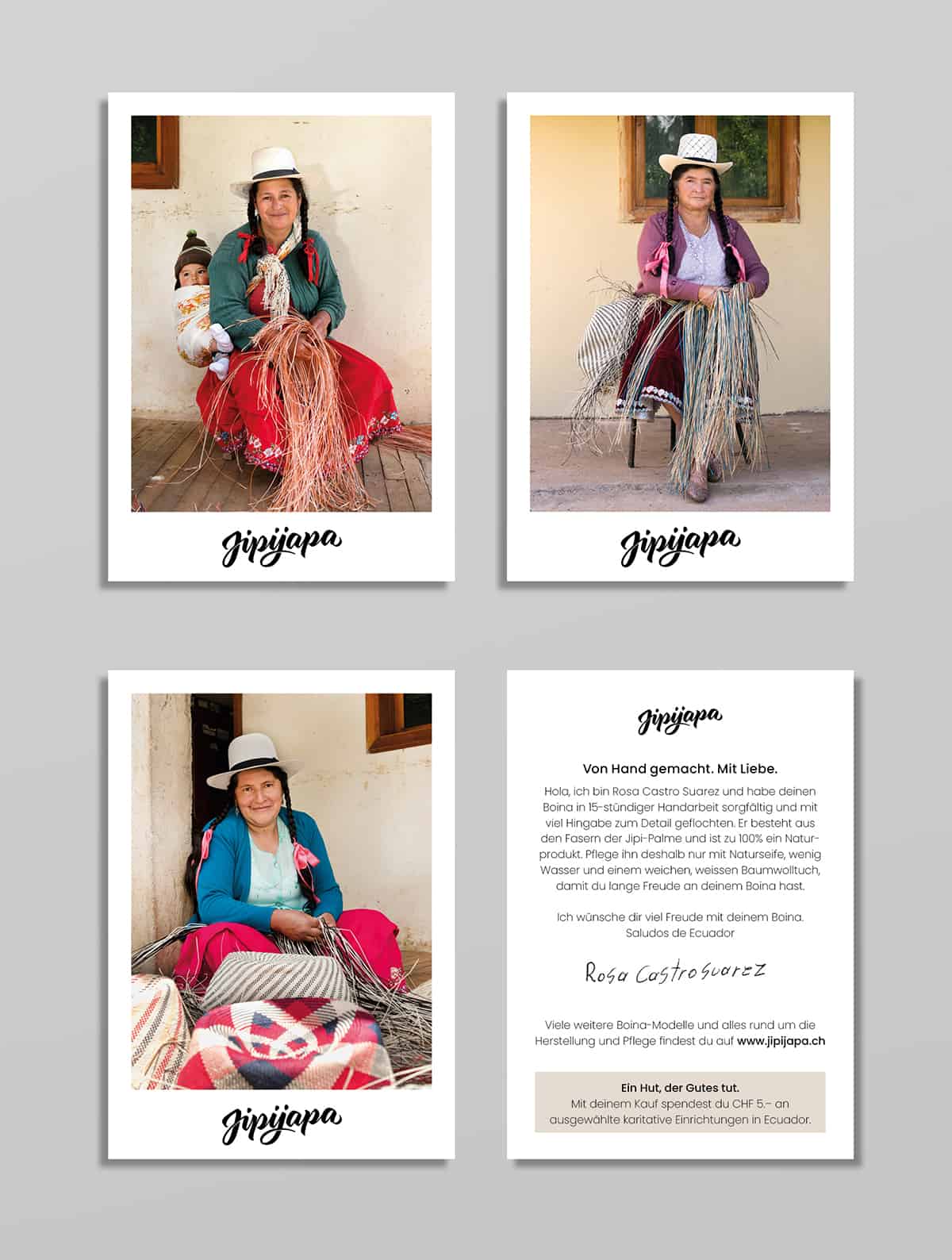
The Basel-based agency Rotkopf, in collaboration with business owner and designer Simon Kassewalder, created the website and other communication materials for the Swiss importer of hand-woven straw hats from Ecuador.

RotkopfRotkopf has been responsible for Jipijapa's communications since this summer. The one-man agency from Basel prevailed in a pitch against selected competitors. The texts, which are to inspire customers for handmade boinas, would have convinced with a mixture of South American joie de vivre, summery flair and stylish looseness.
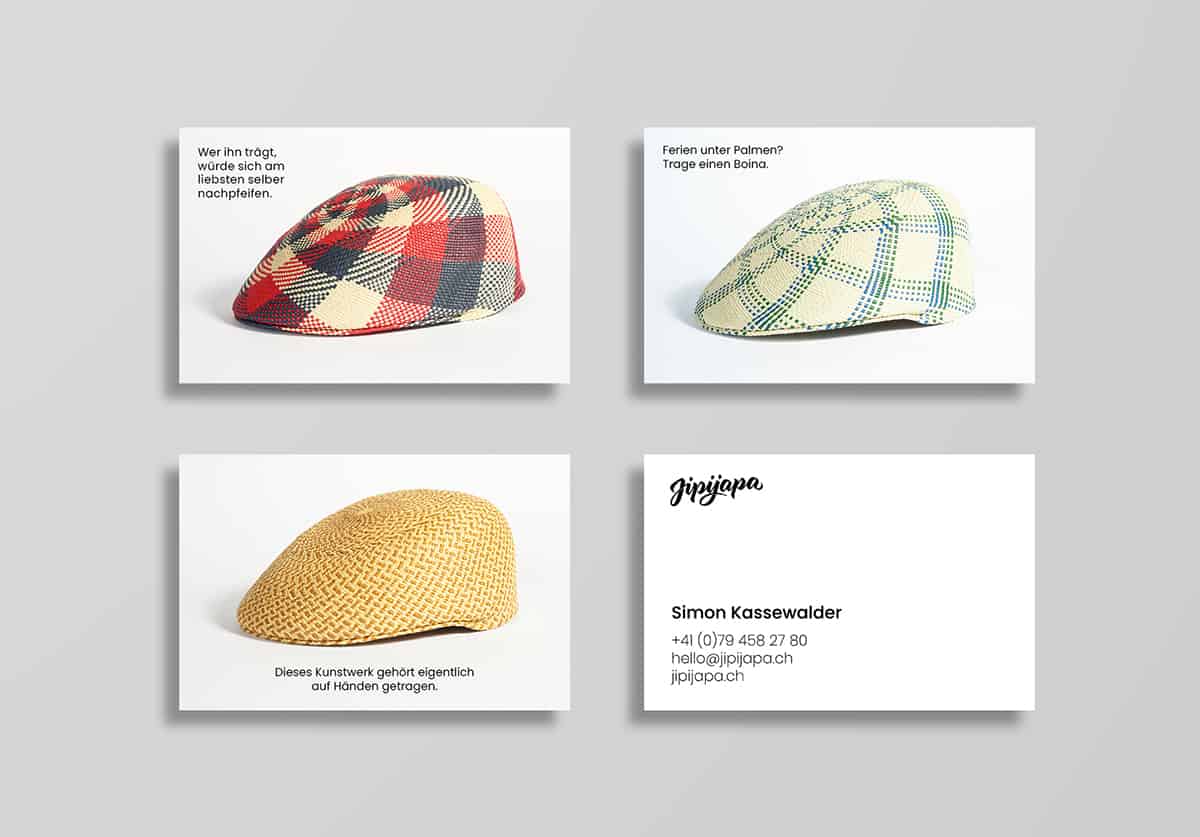
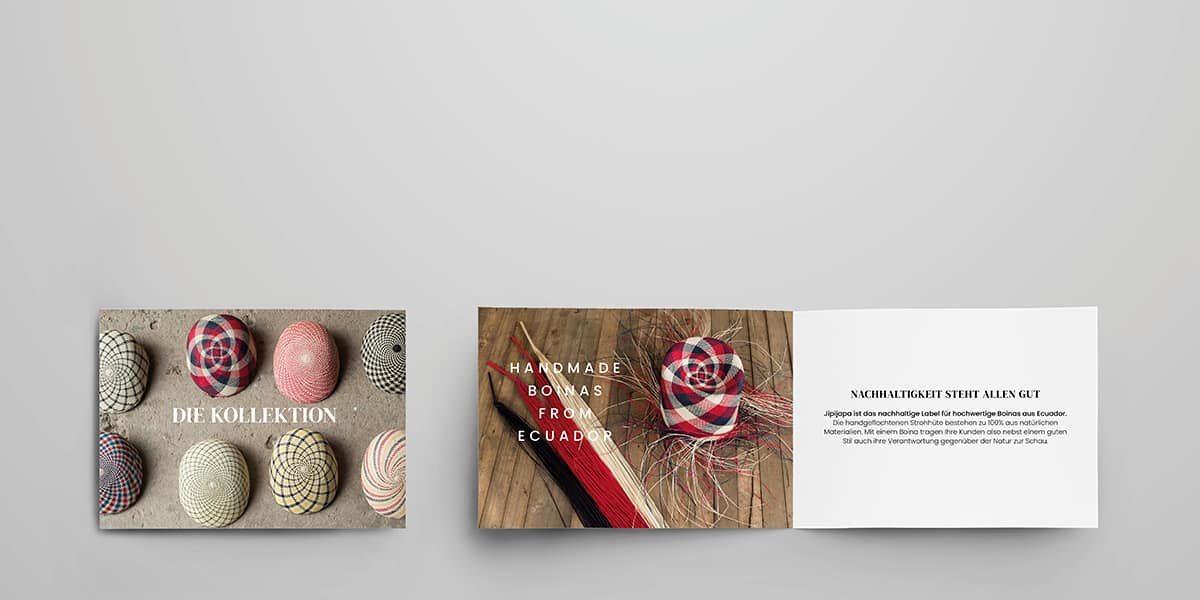
The heart of the website Jipijapa.ch is the online store with over twenty differently designed hat models and the corresponding entertaining product descriptions. In addition to all other website texts, for example about the production of the Boinas in the small manufactory in Ecuador, periodically published blog articles provide insights into the Ecuador travels of the Jipijapa founder.

Other measures developed include a sales presentation for the field sales force, social media posts, business cards, and postcards drawing attention to the unique sliding caps in trendy stores and stylish eateries.


Responsible at Jipijapa: Simon Kassewalder (Managing Director & Designer). Responsible at Rotkopf: Martin Schmidlin (Text & Concept). English translation: Balz Chen.

Study shows economic importance of Olma trade fairs for city and region

A study by the University of St. Gallen shows that the activities of the Olma trade fairs, as well as the spending by exhibitors, visitors, organizers, and participants, have significant economic impacts on the region.

Olma Messen
According to the study, Olma fairs are important for the regional economy. In the picture: Hall 1.

The business activities of Olma Messen St. Gallen with its trade fairs, congresses and events result in a wide range of economic effects for the city of St.Gallen and eastern Switzerland. This is shown by a new study of the Institute for Systemic Management and Public Governance of the University of St.Gallen (IMP-HSG). Those responsible have investigated what added value Olma Messen generates for the city of St.Gallen and eastern Switzerland, who benefits from it and what other effects the cooperative has on the region.

"The trade fair and exhibition activities of Olma Messen not only make a significant contribution to value creation and employment in the St. Gallen region, but are also a showcase and platform for the regional economy and contribute to the image of the city and region," says Dr. Roland Scherer, Director at IMP-HSG, summarizing the study results.

Significant economic effects

The study showed that the trade fairs and events of Olma Messen generated total sales of around CHF 294 million with their exhibitors, organizers and visitors in the 2019 financial year. Of this, around CHF 177 million was generated in eastern Switzerland (AI, AR, SG, TG). Direct and indirect sales for the city and agglomeration of St.Gallen amounted to around 141 million Swiss francs.

1,350 full-time positions in Eastern Switzerland

In 2019, the activities of Olma Messen had direct, indirect and induced employment effects of around 1,350 full-time positions in eastern Switzerland - around four-fifths were in the city and conurbation of St.Gallen. The indirect employment effects were particularly in the hospitality industry, trade and business-related services. For accommodation businesses in the city and agglomeration of St.Gallen, the trade fairs and events of Olma Messen represent a very relevant NaFrankenragesegment.

In terms of events, it is primarily the national and international trade congresses that generate a large number of overnight stays. For the businesses in the wider tourism region of St.Gallen-Lake Constance, individual trade fairs and events such as the OLMA or larger trade congresses develop a noticeable demand. The activities of Olma Messen St.Gallen are associated with an estimated income, profit and VAT revenue of 18 to 23 million Swiss francs.

With and for the region

The study identifies three possible levers for strengthening the regional impact: increasing the number of regional suppliers at public trade fairs, establishing and expanding trade fairs, and increasing the number of congresses with national or international appeal. In order for this to succeed, it is necessary on the one hand to further develop the image, which up to now has mainly been characterized by rural tradition, and on the other hand to ensure close interaction in strategy and marketing with the location promotion of the city of St.Gallen and St.Gallen-Lake Constance Tourism.

Olma Messen St.Gallen has further developed its strategy in recent months and, among other things, sharpened it on the basis of the impact study conducted by the University of St.Gallen. In the area of trade fairs, the strategic focus is on the development and acquisition of trade fairs and the sustainable development of Olma. "The goal is for Olma to be as successful in ten years as it is today; to achieve this, we must invest and develop with our clientele and the market," says Christine Bolt, Director of Olma Messen St.Gallen.

In the area of congress events, the cooperative intends to act increasingly as a co-organizer and organize congresses and events together with regional institutions and companies. In addition, the strategy envisages a significant expansion of the consulting activities of the in-house event agency.

"Due to our sponsorship and our legal form as a cooperative, we are committed to the region and our owners - and aware of our responsibility. And we are convinced that if we stand together as a region, we will succeed in exploiting the opportunities offered by Hall 1 and thus sustainably strengthen the region, on various levels," says Bolt. On the one hand, Hall 1 offers a wide range of opportunities for new trade fairs and major cultural and sporting events, and on the other, it gives the entire site more room to maneuver during peak periods.


The analyses of the study "The regional importance of the OLMA fairs St.Gallen". led by Dr. Roland Scherer from the Institute for Systemic Management and Public Governance, refer to the year 2019. Due to the Corona pandemic, the activities of the Olma Messen came to an almost complete standstill in 2020. For the study, the researchers carried out a regional economic analysis of the purchasing power and value-added effects of the Olma trade fairs and conducted an online survey of the hotel industry and private landlords in the St. Gallen-Lake Constance destination as well as a media analysis.

The study is available as Download available.

Carine Bachmann is the new director of the Federal Office of Culture

The new Director of the Federal Office of Culture (FOC) is Carine Bachmann. The Federal Council presented the successor to Isabelle Chassot, who was elected to the Council of States, to the public after its meeting on Wednesday.

Bundesamts für Kultur
Carine Bachmann introduces herself at the Federal Council media conference. (Screenshot: YouTube.com)

Asked what goals she would pursue in her new role, the designated FOC director replied at the press conference that it was still too early to comment. Bachmann, who has been head of the City of Geneva's Department of Culture and Digitization since 2011, will take up her new post on Feb. 1, 2022. Until then, the deputy director, Yves Fischer, will lead the FOC on an interim basis.

A major topic, however, will certainly be the pandemic and its impact on culture. "I hope that we will not only master this crisis, but that it will lead us to long-term models of support for those working in culture," the designated FOC director continued. The last two years, she said, have shown that culture is a collaborative affair and that the FOC plays a big role in it.

Carine Bachmann studied social psychology, film studies and international law and holds a CAS in economics and regulatory law. She started her career as program manager of the international film and video festival Viper in Lucerne, worked as communications officer and project manager in various non-governmental organizations and managed Cimera, an organization for development cooperation and conflict prevention in the Caucasus and Central Asia.

The 54-year-old is bilingual, married and has three children. She brings "thanks to her great experience and broad network" the prerequisites for her new position, it said in a statement of the Federal Department of Home Affairs FDHA. (SDA)

LSA Lunch Time: Podcast about Purpose Marketing

In September, the association's own podcast series LSA Lunch Time celebrated its premiere in French-speaking Switzerland. In the second episode, Laura Scorza-Wade from PRfact and Priscilla Rossi from Publicis Group talked about the topic of "Purpose Marketing".

LSA Lunch Time The podcast "LSA Lunch Time" reveals what moves agency heads, up-and-coming talents and other interesting guests. During an approximately 30-minute conversation between two players from the agency industry, listeners gain insights into their everyday work and the current hot topics.

For the second episode of LSA Lunch Time in French-speaking Switzerland Laura Scorza-Wade, Director Sustainability and Southern Switzerland at PRfact, and Priscilla Rossi, Global Strategy Director at Publicis Group, took a look at the current topic of "Purpose Marketing". What is purpose marketing? What role do communications agencies play in this and how can agencies accompany their clients? Because in a rapidly changing world, it is becoming increasingly essential for brands to position themselves with values.

Laura Scorza-Wade and Priscilla Rossi raise the question of the role of agencies and the aspects that purpose marketing can bring to the communications world of tomorrow. In the podcast, they also talk about the various challenges that companies and agencies face in order to maintain an authentic purpose marketing approach.

"Agencies are also there to accompany. It makes sense and fills one with pride to work in the communications industry, contributing to a reflection process at our level and at the same time leading the actors to a positive change," says Priscilla Rossi.

get_footer();