Farner launches "Don't be a follower" for Honda

To be free. The new Honda motorcycle campaign speaks straight from the heart of this primal dream of all young people. Farner is responsible for the implementation.

Honda

Since the beginning of the year, young people over the age of 16 have been allowed to ride 125cc motorcycles. This opens up new freedoms. For young people and parents, as the new campaign for Honda motorcycles shows.

Because: As great as the desire of the offspring for independence is, their dependence on the parents' purse is usually just as great. At least when it comes to buying a motorcycle. That's why Honda and Farner are relying on a sophisticated programmatic online and POS campaign with measures designed to appeal to everyone. From girls and boys to mommy and daddy.

As a trigger for both target groups, the campaign uses an insight that both young people and parents support one hundred percent: #dontbeafollower encourages young people to be independent - and shows that there is only one style worth following: their own. Mike and Annika, for example, show how this works on their Honda bikes.

That the new freedom of daughters and sons can certainly have its positive sides is shown by the advertising material produced for parents with a wink - and the hint that they too have a new independence to gain. "And so the campaign has a clearly stated goal," Céline Renevey, Marketing Manager for Motorcycles at Honda Switzerland, indicates. "To motivate parents and offspring to take one last ride together: to their local Honda dealer."

The national campaign drives through the three phases "See," "Think," and "Do" with tailored messages and plays predominantly on social networks. Young people are targeted on Snapchat, TikTok and Twitch, and their parents on Facebook, Instagram and YouTube. Matching POS material can be found at all 75 Honda Motorcycle representatives.


Responsible at Honda MCThomas Moureau (Managing Director, Honda Motorcycles), Céline Renevey (Marketing Manager, Honda Motorcycles Switzerland). Responsible at Farner: Fabian Röthlisberger (Member of Senior Management, Unit Lead Advertising), Didier Bonvin (Senior Consultant), Hanja Heuss, Jan Walser (Creative Direction), Aleksander Sofranec (Art Direction/Motion Design). Film production: Tuna Production. Media agency: Mediatonic.

Scatter plan: One is for or against Glarner Schabziger

Streuplan’s new campaign, based on the tagline «Love it or leave it,» is designed to encourage people to form their own opinion about Glarner Schabziger.

StreuplanThe product has been dividing tastes for 558 years. Geska, the producer of the quintessentially spicy Glarus Schabzer, is now venturing out of the shadow of the Zigerschlitz and conquering Switzerland under its new managing director Reto Hiestand.

Streuplan is responsible for the new and bold campaign. "It was important to us to work with professionals who believe in the potential of the product and the value of the brand. Just like ourselves," Reto Hiestand explains the strategic reorientation.

Thomas Back, Managing Partner and Creative Director of Streuplan, explains: "I have rarely cared about a client as much as I do about Geska. Not only because Glarner Schabziger is the oldest brand in the world, but also because it captures the zeitgeist: lactose-free, high in protein, virtually fat-free and made exclusively from Glarner milk with a lot of handcrafting. And it polarizes as strongly as it smells."

"Yes, Glarner Schabziger polarizes like hardly any other product," Reto Hiestand is aware: "The aim of the campaign is therefore, on the one hand, to increase awareness of the entire Glarner Schabziger product range beyond existing circles of enthusiasts. On the other hand, the public should be encouraged to form their own opinion about the taste of Glarner Schabziger."

The new campaign is therefore based on the motto "Love it or leave it" and gives both the "lovers" and the "haters" a chance to have their say - accompanied by a wink and a generous dose of self-irony.

The campaign is currently running on posters, DOOH, social media and YouTube. Short videos show passers-by tasting Glarner Schabziger for the first time ever. This sometimes results in very funny scenes and facial expressions.

Whether this communication and charm offensive will actually achieve its intended goals remains to be seen. Thomas Back says succinctly: "The world belongs to the brave.

Family and KPT focus on hiking

The trend activity Hiking forms the uniform umbrella theme of this year's fall campaign of Family for KPT. This is intended to further sharpen KPT's appearance in terms of content and pave the way for the future lineup of themes.

Family für KPTThe hiking motifs from the Swiss mountains have been on display throughout Switzerland since Monday and are intended to give the public a wink. They show concrete product benefits and services - and illustrate in a natural way why KPT is the health insurance company with the plus.

The national campaign runs as a large-scale out-of-home and social media campaign. It will also be supplemented with digital out-of-home advertising at central train stations and advertising space on public transport.


Responsible at KPT: Marc Bissig (Head of Marketing + Communications), Stefanie Gehrig (Marketing Manager), Tanja Huber (Digital Expert), Natalie Portmann (Text), Beatrix Haldimann (Website), Beni Meier (Head of Corporate Communications). Responsible at Family: Claudio Catrambone (creative director/overall responsibility), Svenja Hässig (account director), Mery Wunderlin, Severin Binkert, Marion Gwerder, Torsten Maas, Grit Wolany (concept and art director) Studio Voile, Lina Baumann (production) JBW Media, Nina Rolle (media), Arthur Mebius (photographer).

Wunderman Thompson: More freedom, more responsibility with PostFinance

Thanks to a good performance, Wunderman Thompson sends the PostFinance 3-in-1 campaign for young people into the second round.

Wunderman Thompson

In the continuation of the campaign, on the one hand the wording was adapted to the new PostFinance banking package products, and on the other hand new formats such as DOOH films were created especially for outdoor swimming pools.

All advertising media, including online banners and videos, DOOH space, OOH, social media, and flyers and posters, will be in place until the end of August 2021.


Responsible at PostFinance: Lisa Rohrer, Amanda Bickel (concept, realization), Rose Portmann (social media). Responsible at Wunderman Thompson: Stephanie Belvedere, (Senior Art Director), Winfried Schneider (Senior Copywriter), An Le, Kathrina Seiler, Kim Prinzing (Production), Sandro Tschuor (Head Client Service), Sara Runggalider, Franziska Saxer (Client Service), Marlon Perini (Programming), Robert Rauchfuss (Motion Design). Responsible at Senler Media (Social Media): Jacqueline Passos (Project Lead), Metin Senler (Creative Lead), Monica Salcedo (Content Creator), Nico Tschurtschenthaler (Content Creator), Larissa Stryffeler (Casting & Location), Oliver Süess (Sound Design), Daniel Gremli (Bandara AR). Offline Media: Havas Media. Responsible at Webrepublic (online media): Janine Lüchinger (Account Lead), Florian Hamer (Service Lead), Daniela Ertl (Senior Consultant SEA), Giuliana Pastore (Consultant Programmatic Advertising), Vera Hauri (Consultant Social Media Marketing).

Journalists' associations demand halt to Apple surveillance

Journalists' associations from Switzerland, Germany, and Austria are calling for a halt to Apple's planned surveillance of mobile phones in Europe. In a joint statement, the associations assert that local surveillance of smartphones violates freedom of the press.

Apple-Überwachung

Apple had announced a system for tracking down child pornography photos. As a result, critics warned that an authoritarian state could try to sneak pictures with political motives into the database in order to find out who has them on their cell phones.

The concerns of the journalists' associations of the German-speaking countries aim in the same direction. As they write in a joint appeal to their state governments and EU Commission President Ursula von der Leyen published on Tuesday, they protest against the Apple company's intention.

Confidential information

All journalists have confidential content on their smartphones, former Swiss U.S. correspondent Priscilla Imboden of the SSM media union was quoted as saying in a press release. It cannot be that an American private company judges the admissibility of content and also wants to view and forward it.

It is a relatively short way from the alleged surveillance of the child porn scene to checking the user data of opponents of the regime in Turkey or the LGBT community in Hungary. Confidential data on smartphones would thus be put at risk, and research would be massively hampered.

Moreover, it is only a matter of time before what is starting in the U.S. comes to Europe. The journalists' associations are therefore calling on the relevant authorities to put a stop to the Apple group's plans for all European countries. (SDA)

Evoq and Htp present a sweet Swiss brand landscape

Evoq and Htp St. Gallen are once again launching the excursion map to Switzerland’s brand landscape and will present the «Grand Schoggi Tour» at the 2021 Swiss Brand Congress.

Schweizer Markenlandschaft

Switzerland is a country of brands. And quite a few of them are waiting with offers to visit, which are portrayed on the excursion map of the Swiss brand landscape. This year's edition focuses on Switzerland's sweetest brands: on the "Grand Schoggi Tour", exhibitions, worlds of enjoyment and gift stores of Swiss chocolate manufacturers attract visitors in all regions of the country.

Visitors are given an insight into state-of-the-art production facilities, move through worlds of chocolate experience, or even get hands-on in the production of their own chocolate.

The online platform Brand landscape.ch supplements the excursion map and links their offers directly. With almost 1,000 brands, the portal provides the most comprehensive overview of brands with Swiss origins, including additional information on history or ownership.

The excursion card was again launched in collaboration with Switzerland Tourism. Other sponsors support the initiative, including the chocolate manufacturers Camille Bloch, Läderach, Maestrani and Lindt, as well as Ausflugsziele.ch, the poster company APG/SGA, Distillerie Etter and e-bike manufacturer Flyer. The excursion card can be purchased free of charge at the Switzerland Tourism Brochure Shop be obtained.

The inventors and creators of the brand landscape - Evoq communications and Htp St.Gallen - have been regularly publishing news from the Helvetic brand landscape for over 10 years.


Responsible at HTP St.Gallen: Stephan Feige. Responsible at Evoq: Christian Sutter. Design: Sara Streule, Saija Sollberger. Programming: Beatrice Burkart. Prepress and printing: Cold print+online.

Clubhouse competition? Why Spotify has better chances with "Greenroom

Spurred by the hype surrounding Clubhouse—which has since died down—Spotify has now jumped on the audio bandwagon as well. Dominik Sedlmeier of El Clasico Media explains why this launch brings Spotify one step closer to a monopoly and why Greenroom promises to be more successful than Clubhouse.

Clubhouse-KonkurrenzAfter this year's hype around the audio-based app Clubhouse, Spotify also seems to want to jump on the bandwagon. Similar to other audio apps, live conversations about culture, sports, and music will take place in the "Greenroom," according to Spotify. Especially if Greenroom can be linked with Spotify, the new app shows enormous promise - explicitly for musicians with a large reach on the streaming platform.

But what can Greenroom do that Clubhouse can't? And what happens when the live conversations are also available for listening on Spotify?

First Clubhouse, now Greenroom?

The success of Clubhouse recently proved that users will still be interested in new social media platforms in 2021. A purely audio-based app in which conversations are conducted like a kind of panel discussion.

For a long time, Spotify was considered the market leader in the audio world; with exclusive podcasting formats, the company from Sweden maneuvered itself further and further toward a monopoly position.

It seems as if Spotify senses a big competition in the Clubhouse app, but the beta version of Greenroom was released relatively quickly for testing by all interested parties. The two apps are based on the same concept; apart from visual aspects, Clubhouse and Greenroom only differ slightly from each other.

A serious head start

Although Clubhouse can score points with its pioneering position, Spotify could ultimately win this competition. The decisive factor here is its position of power in the auditory sector. The Swedish company is one of the market leaders in the streaming sector as well as in podcasting and radio plays.

Spotify could now also use this influence to implement Greenroom on the market, as some podcasters and musicians have a close connection, if not financial dependence, on Spotify. In particular, if an artist's profile on the streaming platform can be linked to that on Greenroom in the future, these same artists would benefit from the reach they have already generated on Spotify in the form of followers.

This would give Spotify a big head start, since fans could immediately access their stars' profiles when the two platforms are linked. Whether this feature will actually be implemented is not yet completely clear, but according to Spotify, they are already preparing for it.

Continuing diversity of topics

As far as the topics to be discussed in the rooms are concerned, there is currently no difference to Clubhouse; here, too, the topics range from celebrities and sports to coaching and small talk. Even if music streaming initially seemed to be Spotify's hobbyhorse, the last few years have shown that the platform also dominates the podcast market. While the topics covered by the audio formats are by no means limited, the variety of conversations on Greenroom is likely to be in harmony with the platform.

Podcasters of all topics that have already been able to find an audience on Spotify will also be able to transfer this audience to Greenroom; such a room can be considered an extension of regular podcasting from this point of view. The variety of topics on Greenroom does not harm the auditory platform at all. Rather, it offers the opportunity to further serve the individual interests of the listeners.

Live or for listening after all?

It's the live factor that makes Clubhouse so special. The conversations take place here in real time. Anyone who doesn't join in via app misses out on the talk. However, since Spotify already has the infrastructure for on-demand audio content, it's not far-fetched to think about offering Greenroom conversations as podcasts for listening in the future.

While this removes the feeling of exclusivity of the moment, it also gives creators an enormous advantage. On the one hand, the live conversations in Rooms are more profitable if they are also available for later listening for followers who could not be present in the app at the live event. On the other hand, podcasters can involve their listeners directly in the creation of a new podcast episode, responding to their questions and thus producing content interactively. With this possible feature of Greenroom, Spotify would once again revolutionize the podcast world and lay the starting signal for interactive podcasting.

Conclusion

Greenroom looks promising. Spotify's position of power in the streaming and podcasting sector means that this new platform is unlikely to flop. In addition, the streaming platform's lead in terms of awareness and use by countless listeners is very clear here. For musicians and podcasters alike, Greenroom can be used as an augmented form of communication, with podcasters possibly even designing their conversations as interactive podcast episodes.

While the idea behind Greenroom is by no means new, Spotify will still manage to slide one step further towards monopoly status with the new platform and put Clubhouse out of competition.


* Dominik Sedlmeier is CEO and PR manager of the brand agency El Clasico Media and expert when it comes to marketing, social media and digitization.

"Likes" and "shares" fuel online outrage

Over time, social media platforms like Twitter amplify expressions of moral outrage as users learn that such strong language is rewarded with more «likes» and «shares.» This is according to a recent study by Yale University.

befeuern Online-EmpörungThis effect is strongest among users whose networks are actually politically moderate. This in particular is problematic, as it may encourage radicalization.

Indignation is rewarded

"Social media incentives are changing the tone of political conversations online," warns psychology postdoc and study first author William Brady. With colleagues, he measured the degree of moral outrage on Twitter for controversial events, on the one hand, and also tested in controlled experiments whether algorithms that reward popular content encourage indignant words. In this way, the team was able to show for the first time that some users actually seem to learn ever greater outrage due to the fundamental design of social media.

Brady and psychology professor Molly Crockett assembled a team to first use machine-learning software to track moral outrage on Twitter. This involved capturing 12.7 million tweets from 7,331 users*. It showed that users who received more "likes" and "retweets" for outrage in one tweet were more likely to return to expressions of moral outrage in later tweets. This was also confirmed in the experiments that the team conducted as a control.

Center becomes more extreme

To be sure, the team found that users with networks at the more extreme ends of the political spectrum are generally more likely to use indignant tones. "Our studies show that people with politically moderate friends are more responsive to feedback that amplifies their expressions of outrage," Crockett warns, however. "This suggests a mechanism for how moderate groups become radicalized over time - the rewards on social media create feedback loops that reinforce outrage."

The study did not address whether this is ultimately good or bad for society. "Given that moral outrage plays a crucial role in social and political change, we should be aware that technology companies can influence the success or failure of collective movements through the design of their platforms," the psychologist emphasizes, however. According to her, the results could very well influence the political discussion about possible regulations. (pte)

Erdmannpeisker positions Swiss rapeseed oil as "the perfect match

In the current advertising campaign for Swiss rapeseed oil, Erdmannpeisker and Campfire show that the oil is a «perfect match» in many ways.

ErdmannpeiskerSwiss rapeseed oil fits many applications in the kitchen, but also the values and lifestyle of more and more cooks in Switzerland. This is because the oil is versatile, provides a high level of well-being and sustainably supports the Swiss soil and economy. Therefore, rapeseed oil is actually always the best choice.
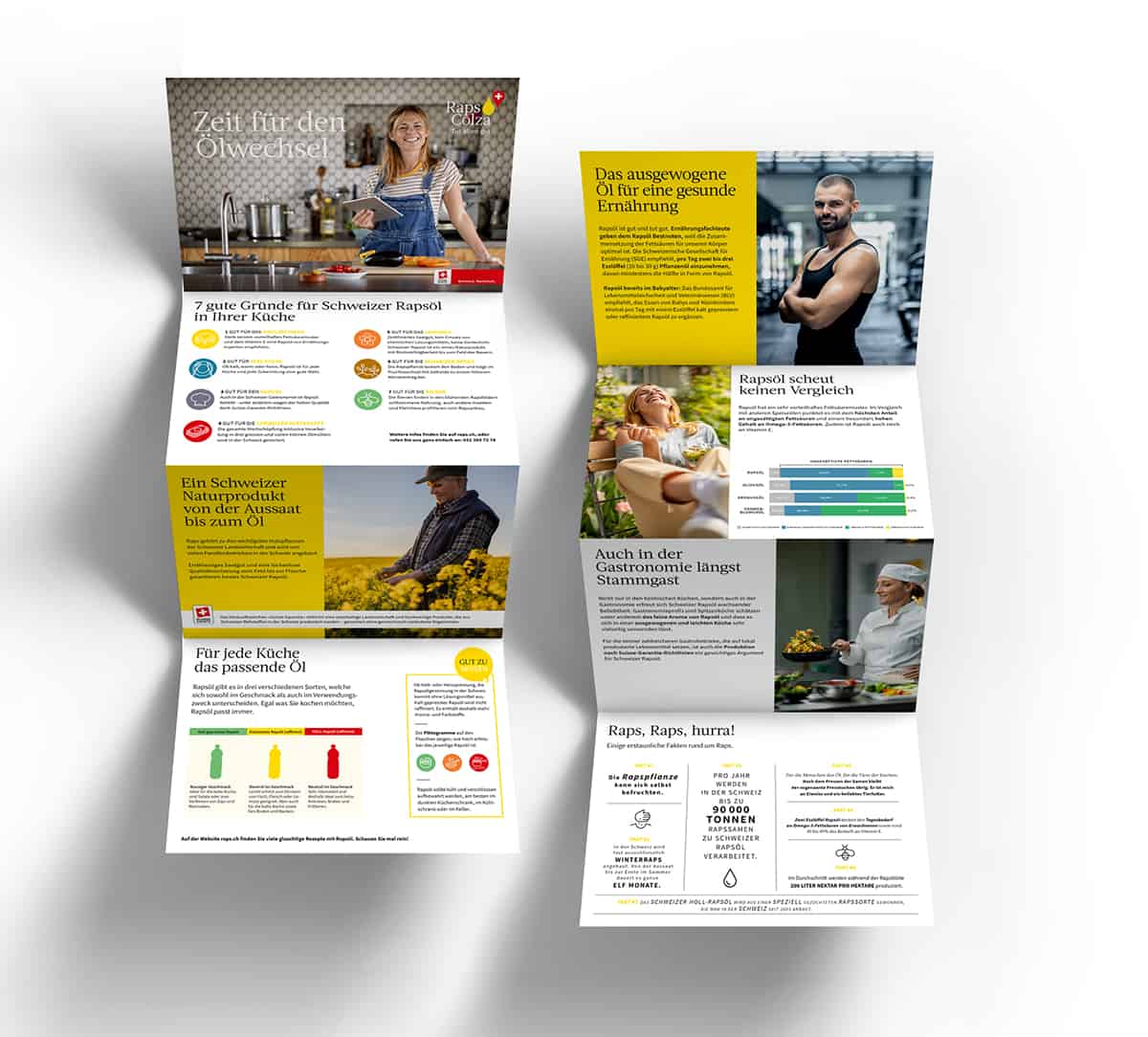
Eerdmannpeisker stages this match in the new image campaign for Swiss canola oil. In the vignette spots, the target group is shown with its needs and values - and with a swipe to the left, the "Perfect Match" with Swiss rapeseed oil is surprisingly staged. This typical online feature is intended to attract additional attention on TV. Finally, the new claim "Swiss rapeseed oil. Good for everyone.

Under the title "Time for an oil change", a flyer briefly and informatively presents the seven most important reasons in favor of rapeseed oil. The flyer serves as in-depth information about Swiss rapeseed oil for interested parties.

All advantages digital at a glance

The advantages of Swiss rapeseed oil also form the core of the new website. As part of the relaunch, the Biel-based agency Campfire designed and developed a digital platform that focuses on user questions and makes interesting facts about Swiss rapeseed oil easily accessible.

In addition to clear and simple information transfer and a high added value for the website visitors, naturalness and inspiration were the focus of the UX and visual design. At the same time, the website should reflect the brand values of the Swiss Rapeseed Oil Association and meet the demands of the users.

In addition, the campaign is supported and supplemented with various online advertising media.


Responsible for Swiss rapeseed oil: Stephan Scheuner (Director Swiss Granum), Angela Scalese (Marketing & Communication). Responsible at ErdmannpeiskerGabriel Peisker (Creative Direction), Patrick Fawer, Jenny Ziörjen (Art Direction), Laura Fässler (Motion Design), Urs Zwyssig (Text) Sybille Erdmann, Selina Helbling (Consulting), Uli Scheper, Joel Scheidegger (Brand Film, Film Production), Lukas Wälli (Direction), Christian Grund (Photo), Felix Schregenberger (Image Editing). Responsible at Campfire (website): Damian Kunz, Michèle Bash (Consulting), Dirk Unger (UX Design), Daniel Vasile (Frontend Development), Thomas Wüthrich (Backend Development), Vedat Demiri (Content Filling & Testing). Media: ASM Media.

Anemoia - Why the next gen expresses nostalgia for the 90s and 00s

The fashion highlights of the 90s and 00s are currently experiencing a comeback in the next generation offline as well as on social media. But where does this phenomenon come from and what insights can marketers gain from it who want to address a young target group?

AnemoiaThe phenomenon has a name: Anemoia.

If this is the first time you've heard of the term, don't worry, because you're probably not alone. The term was coined in 2014 by author John König and has recently been gaining more and more traction in its use.

In his book "The Dictionary of Obscure Sorrows" the author tries to fill gaps in the English language. He gives a name to feelings that we all know, but for which there was none until now. For example, the feeling of nostalgia for a time that one could not possibly have experienced oneself: Anemoia.

This feeling is not new. In the '90s, the music and style of the '70s were the source of inspiration for young people; in the '00s, young people picked up on the trends of the '80s. The phenomenon runs like a thread through youth culture and has now arrived at Gen Z.

Key Insights

  • Anemoia is the feeling of nostalgia for a time that one could not have experienced oneself.
  • The phenomenon is particularly strong in Gen Z. The fashion and trends of the 90s and 00s are currently making a comeback among the young generation.
  • Reasons for the strong expression are unclear. A connection between the strong tendency to anemoia and social media and mental health cannot be ruled out.

What does this mean for marketers?

Next-Gen agency Jim & Jim will present the most exciting insights from various studies and focus groups on November 4 at Switzerland's largest social media marketing conference, the WebStage Masters.

In general, marketers should make sure that the visual design is in line with the trend of the time - so far nothing new. At the moment, you can score points with the aesthetics of the 90s and 00s.

Examples include the kidcore trend, in which inspiration is drawn from children's clothing. TV characters are incorporated to create an obnoxiously cute and colorful look. Also, the resurgent fondness for '00s emo bands like My Chemical Romance, TV series like Friends, and sports brands like Fila and Champion just screams anemoia. Add to that the resurgence of apps like Dispo, which lets you conjure up a disposable camera look for your photos. Gen Z trends are nostalgia-soaked.

The fact that Gen Z's life is strongly characterized by being online means that comparisons with other generations should nevertheless be made with caution.

Whether the younger generation is more susceptible to anemoia these days is difficult to answer. Looking at current trends, however, there is a very strong sense of nostalgia in many topics.

An interesting factor in this phenomenon also appears to be mental health. In England, 84 percent of 16- to 24-year-olds said they had suffered from mental health problems at some point, according to Voxburner. Understandably, then, many long for a comforting reminder of a more innocent time. At this point, as is often the case, the "always-on" influence comes into play. The constant confrontation with news and advertising tires and reinforces nostalgia for a time before social media. A time that Gen Z did not experience and therefore idealized.

About the WebStage Masters

For the fourth edition, the Swiss social media industry will meet at The Dolder Grand Hotel Zurich on November 4, 2021. The 400 visitors from the fields of marketing, communications, media and PR will be offered a lineup that is quite something on three stages in parallel. Among others, Facebook, Heineken, Groupe Mutuel and the University of St. Gallen will share their latest insights with the audience. In addition to the "classic social media topics" such as social commerce, LinkedIn updates and sustainability communication on Instagram, speakers on topics such as messenger marketing and podcasts will round off this year's program.

Details about the program and the speakers as well as tickets are available at Webstage-masters.ch. Until the end of August, visitors can still benefit from tickets at the Early Bird price.


This article was created as part of a media partnership between m&k Werbewoche.ch and Webstage Masters.

"Don't miss out: get vaccinated": FOPH launches new information campaign on Covid 19 vaccination

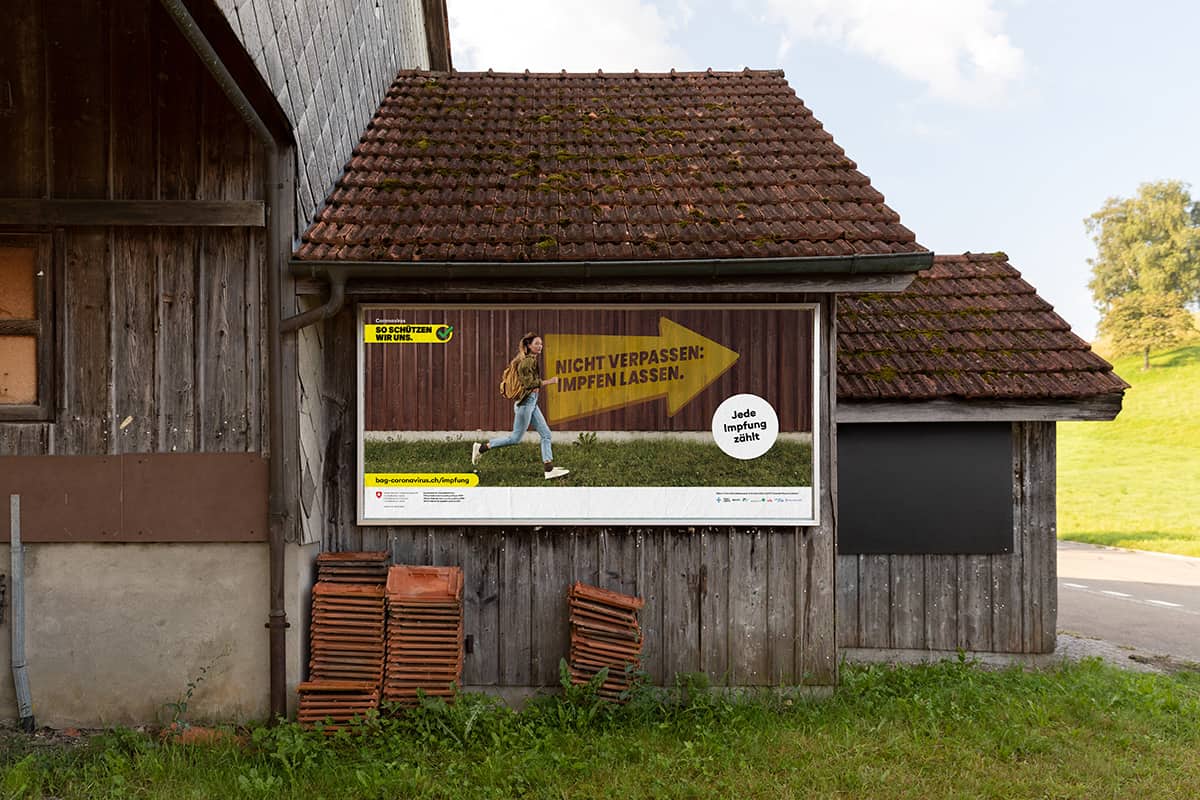
In Switzerland, around two out of three adults aged 18 and over have currently received at least their first Covid-19 vaccination. The FOPH is now directly addressing those who have waited to get vaccinated with "Don't miss out: Get vaccinated".

According to the Federal Office of Public Health, anyone who gets vaccinated before the fall will help to counteract a new wave of the pandemic and contribute to restoring the freedoms of everyday life. With this appeal, the FOPH wants to remind people that vaccination is the most effective way to protect themselves and others from contracting Covid-19 and a possible severe course of the disease. The Covid-19 vaccination is approved from the age of 12 and is still the most important measure to reduce the consequences of the pandemic. Every vaccination counts.
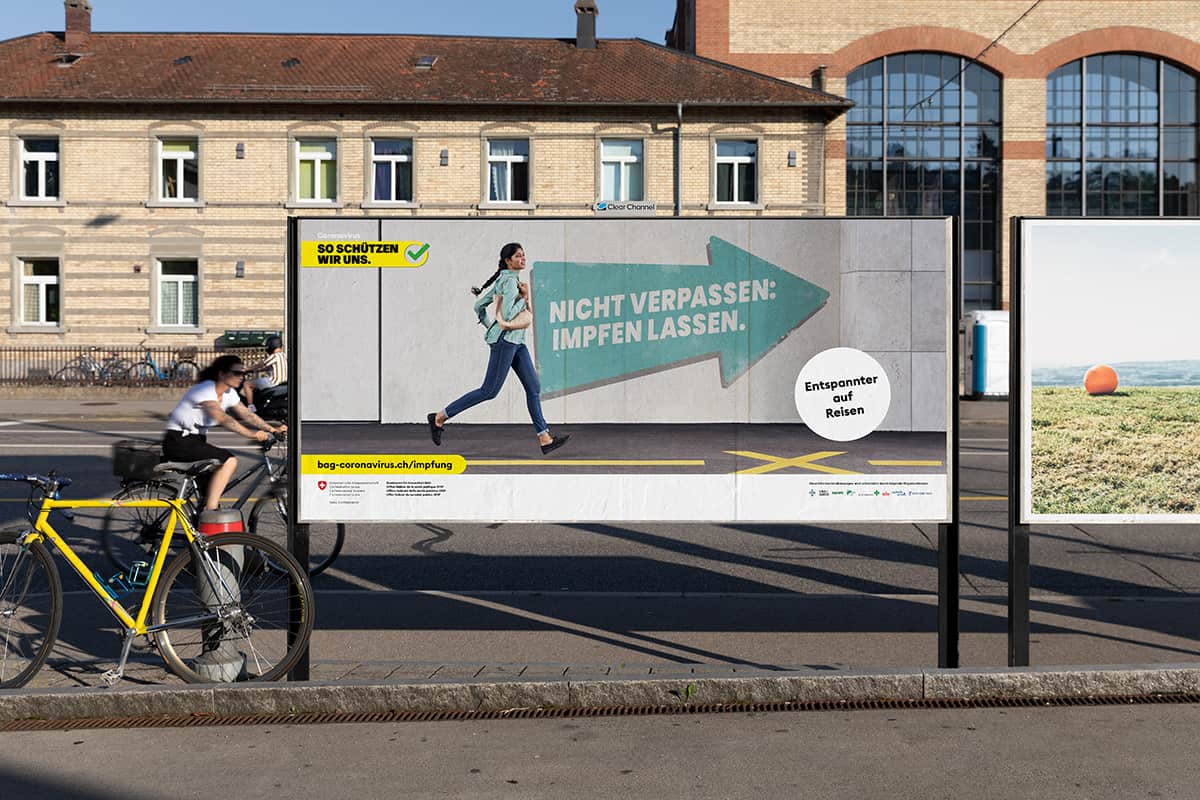
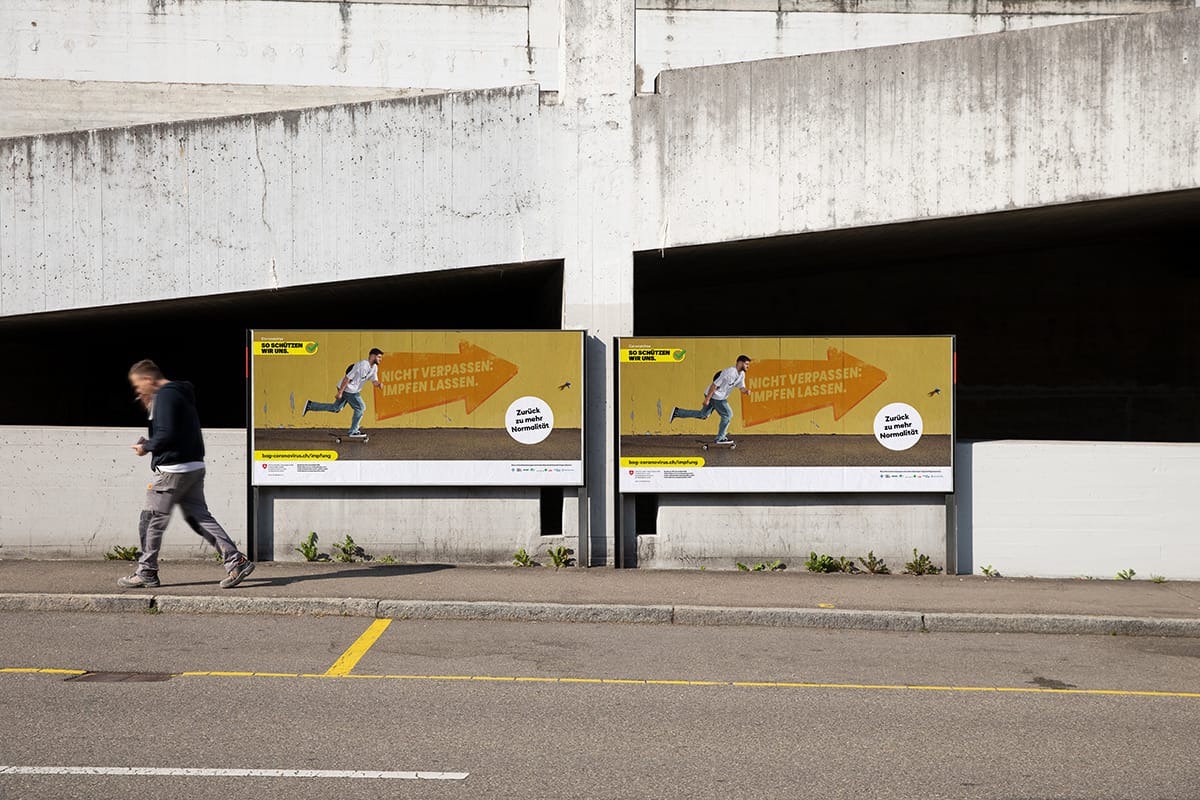
The campaign reminds all previously unvaccinated and hesitant adults and young people that now is the right time to get vaccinated, also in view of rising case numbers and virus mutations. Vaccination appointments are still available in all regions of Switzerland, often close to where you live or work. If you get your first vaccination in August, you will be fully protected until the fall vacations.

The information campaign will be widely publicized with posters, social media advertising, online measures and television commercials.

Bold and the Swiss Hiking Federation says "Merci" to the volunteers

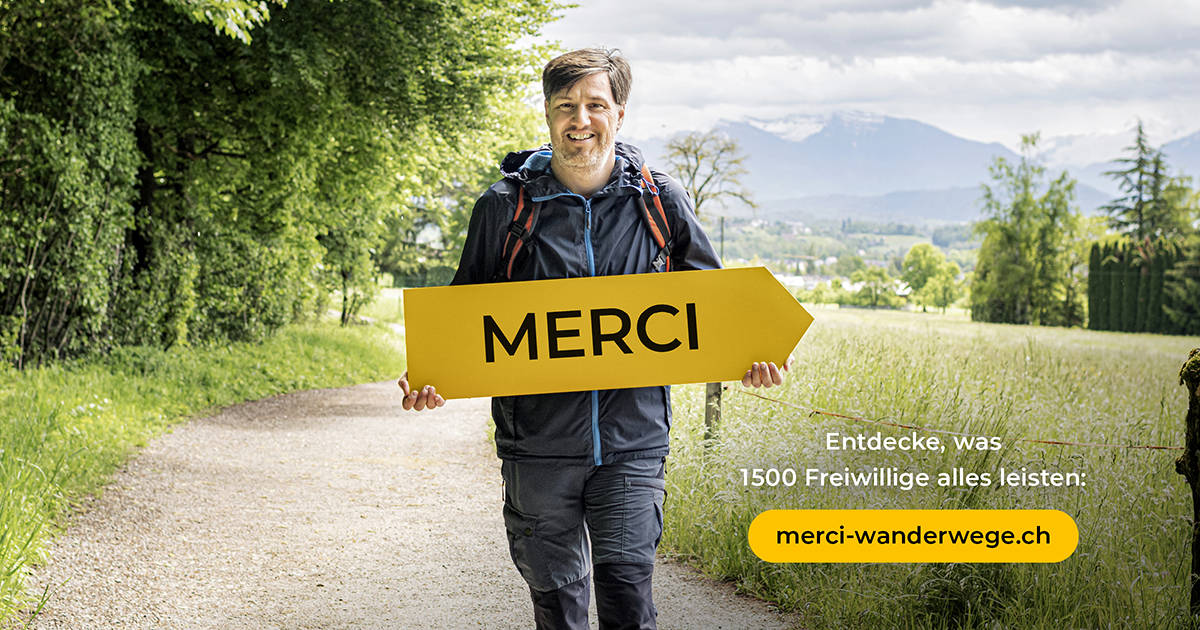
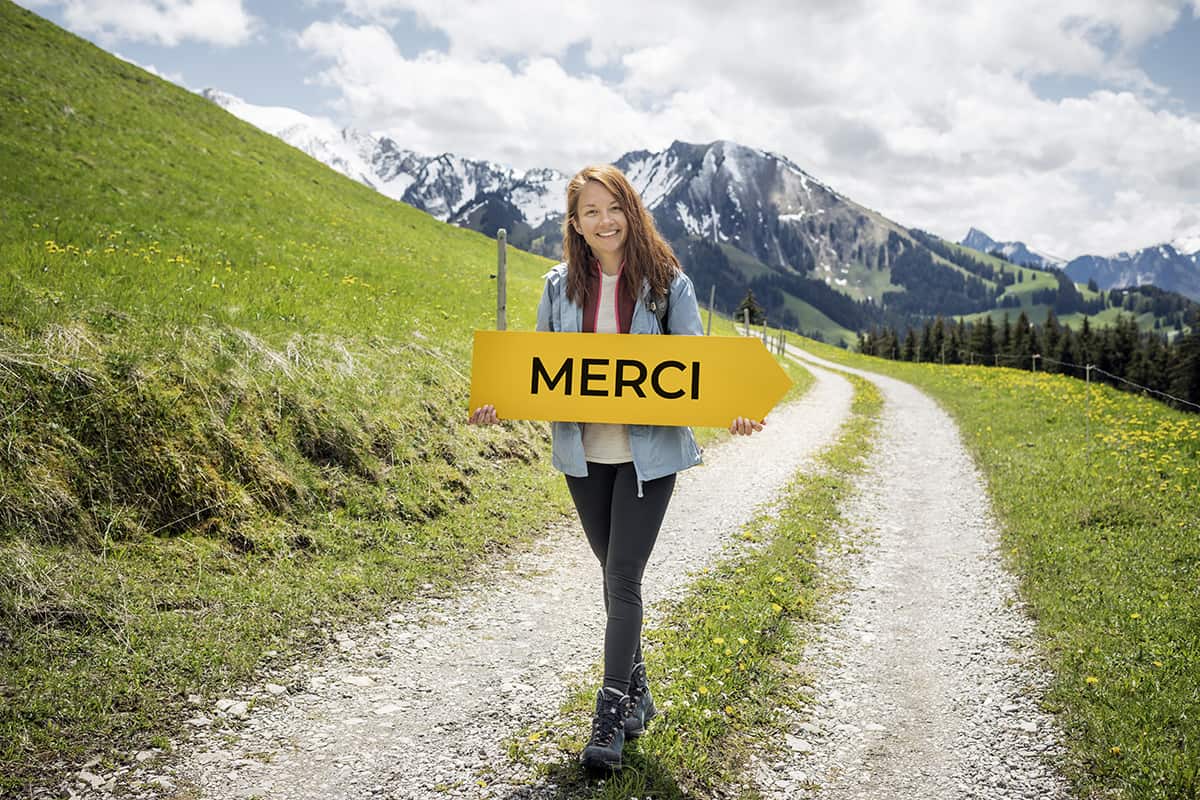
The Association of Swiss Hiking Trails is launching a national online campaign together with Bold, focusing on the commitment of 1,500 volunteers. Within the cantonal hiking trail organizations, the volunteers take care of the signalization of the 65,000 kilometer hiking trail network.

WanderwegeHiking in Switzerland is popular: 57 percent of Swiss* over the age of 15 hike regularly, according to the Swiss Hiking Association. In the campaign implemented by the Bern agency, ten men and women give thanks for the seamless signaling of hiking trails. Yohualli Muñoz is one of them: "I am grateful for the well-maintained hiking trails and the reliable markings. This allows me to discover impressive landscapes and take carefree tours with my friends."
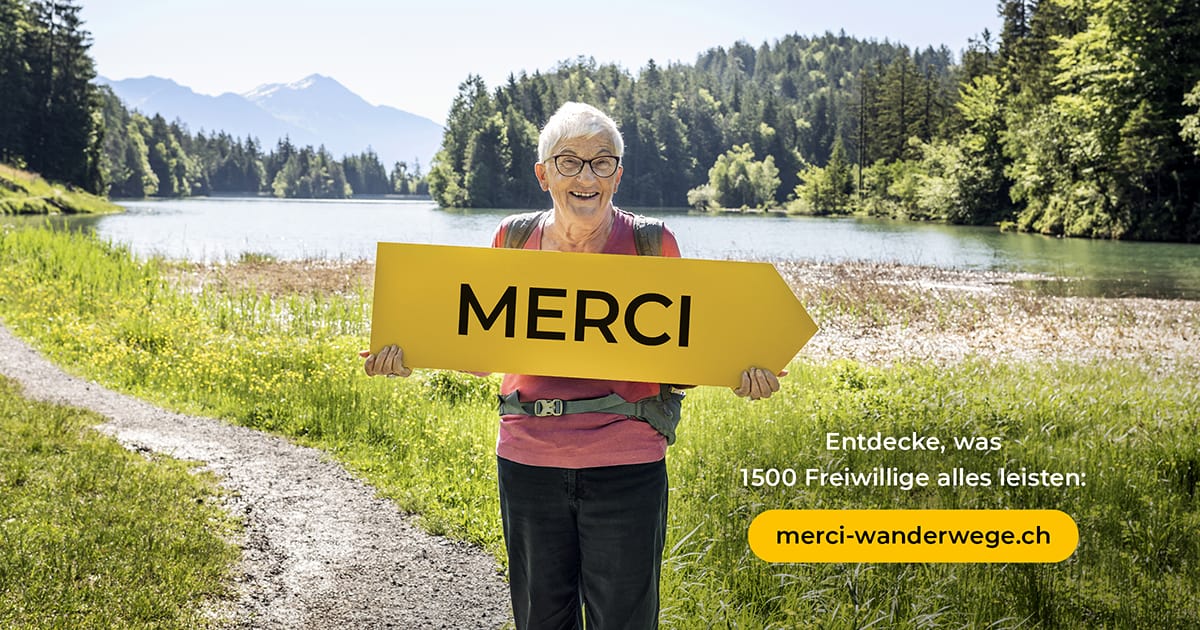
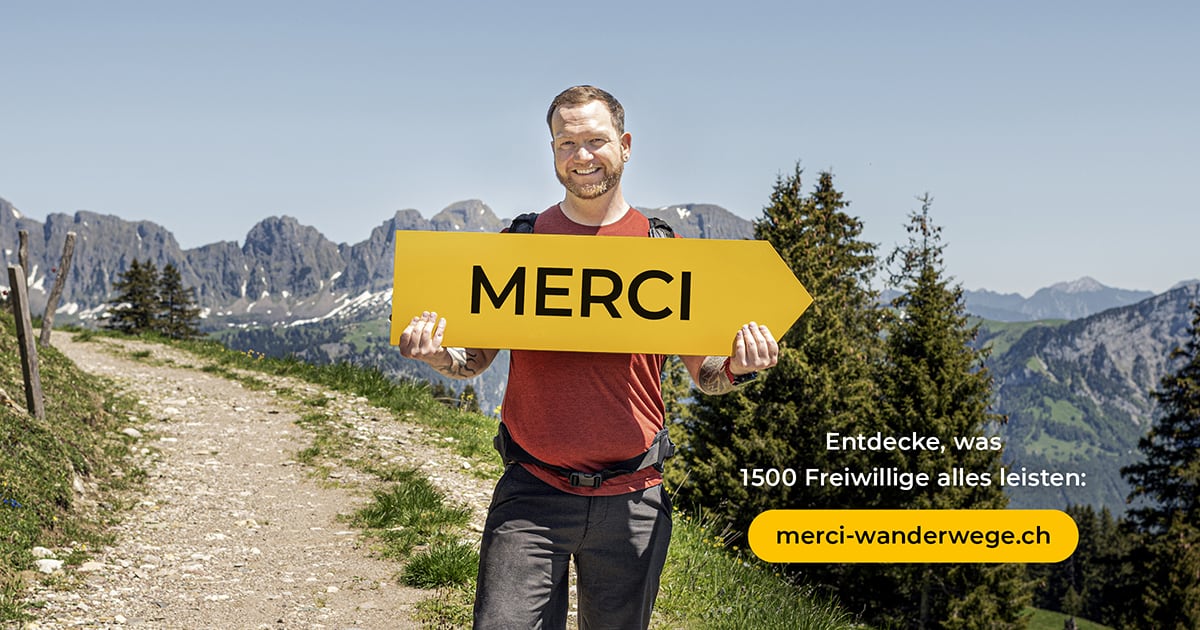
While 96 percent of people in Switzerland know about the yellow signposts, only 10 percent know who takes care of them. "I hardly thought about that in the past either. Today, however, I like to help make the services of volunteers better known and give something back with my 'Merci'," says Muñoz, a 25-year-old geology student, explaining her motivation for helping with the campaign.

In action for four million hikers

Also part of the campaign are four of the more than 1,500 volunteers nationwide. They include Peter Schaffner, who has been volunteering with the Zürcher Wanderwegen for six years: "Hiking is my passion. The commitment to it is a matter of the heart," explains the man from Kloten. "Every now and then, hikers approach me during my inspection tours and thank me for my work - that's my greatest reward. Nevertheless, it is nice that our achievements are now also publicly appreciated," he adds.

Throughout the country, all hiking trails are inspected at least once a year by the volunteers of the 26 cantonal hiking trail organizations. They clean, install or replace signposts, paint intermediate markings or, depending on the canton, carry out simple maintenance work. In this way, more than 86,000 hours of volunteer work are accumulated each year, from which around four million Swiss hikers benefit. Without the contribution of the volunteers as well as the financial support of private individuals, companies and the public sector, the free provision of attractive and reliably signalized hiking trails would not be possible. This is because the paths on the official network of hiking trails must be freely accessible by law.

Campaign with signal effect

"I am a passionate hiker myself. But before I was employed by Swiss Hiking Trails, I wasn't aware of how much work goes into the network of hiking trails," admits Patricia Cornali, the association's communications manager. "Now, in my role, I can help raise this awareness," she says happily. The aim of the campaign is to make the achievements of the helpers, who mostly work in the background, visible and to give them a face by means of short video portraits. "The existence of hiking trails and their signalization should not simply be seen as a public service," says Cornali as food for thought.

For those who want to know more about the association and its work, get to know a few of the volunteers better, and find out how their efforts can be supported, the campaign website features Merci-wanderwege.ch Information. The central instrument of the campaign is a short video clip that will be distributed on various online channels. The measures will focus on the period from August to October 2021.


Responsible at the Swiss Hiking Federation: Andrea Gysi (Head of Marketing & Communication); Vera In-Albon (digital communication and media planning); Patricia Cornali (association communication); Monika Leuenberger (marketing assistant); Susanne Frauenfelder (support hiking trail network); Loïc von Matt (coordination digital interfaces). Responsible agency: Bold. Shootings: Simon Opladen (Photography and filming models); Simon Huber (Director of Photography, filming volunteers). Responsible for TWmedia (Media Planning): Flavio Garofalo (Online Media Planner).

get_footer();