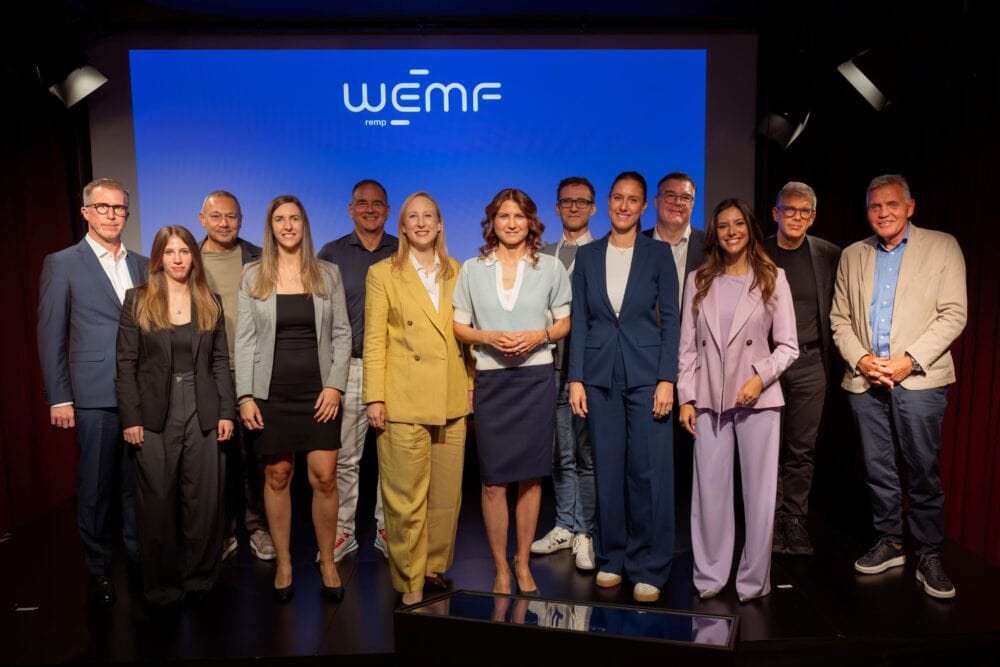
SWA and LSA reach agreement with WEMF on future readership research.
Last fall, WEMF AG for Advertising Media Research had decided to implement cost-cutting measures for the MACH Basic readership survey. The Swiss Association of Advertisers (SWA) and Leading Swiss Agencies (LSA) had opposed these measures. Now the parties have reached a compromise.


Last year, WEMF was forced to change the methodology of its readership research "MACH Basic" for cost-saving reasons. Among other things, the researchers want to reduce the annual number of interviews from the current 19,000 to 15,000 in future. In connection with this, the WEMF already changed the survey period for the readership data in its fall 2018 publication. For the first time, the reach of all titles was published on the basis of the last four semesters instead of the previous two semesters. According to WEMF calculations, this increased the reach of the titles by an average of 2%. However, individual newspapers and magazines recorded "reader gains" of up to 8 percent through no fault of their own.
The two associations SWA and LSA did not agree with this doubling of the survey period for a majority of the MACH Basic publications surveyed. For smaller newspapers and magazines with circulations of less than 20,000 copies, the readership figures had long been based on two years. This exception was accepted by the advertising market, all the more so as the readership figures for smaller titles change only slightly from year to year.
However, advertisers are still dependent on up-to-date usage information from all media! With this in mind, several discussions have taken place with the WEMF and other stakeholders in recent weeks. SWA and LSA are now pleased that a compromise has been found. From this year onwards, WEMF will continue to calculate and report reach on the basis of a survey year for titles in the "Daily press 1" category and for titles with a circulation of over 50,000 copies in the "Sunday press", "General interest" and "Consumer press" categories. According to WEMF, this is statistically justifiable even with the planned reduction in interviews.
With this solution, the advertising market will continue to receive annual readership figures for the 50 or so most important newspapers and magazines and WEMF can still save on interview costs. This means that advertising clients and agencies can continue to plan their campaigns on the basis of current readership data. The SWA and LSA remain in close contact with the WEMF and welcome further steps in media research that demonstrate the efficiency of print advertising.