On the topic: Advertising Week interview with Hans-Georg Häusel
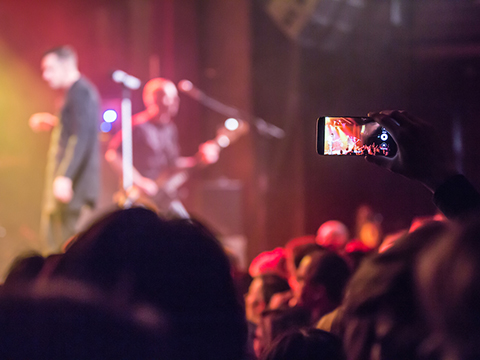
The ninth Swiss E-Commerce Summit took place at Lake Side on Tuesday. The event organized by Unic, SAP Hybris and Datatrans attracted e-business and IT experts to the shores of Lake Zurich.
The power of the limbic system
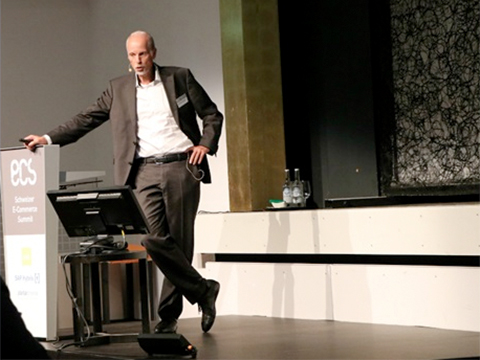
The first presentation was given by neuromarketing expert Hans-Georg Häusel. He revealed what e-commerce can learn from brain research. "People make 70 to 80 percent of all decisions unconsciously," said Häusel. One reason for this is the power of the limbic system in the brain, which processes emotions, releases endorphins and can trigger fear or enthusiasm. Emotions drive people and have a major impact on purchasing decisions, said Häusel, who gave a very entertaining presentation and made the audience laugh out loud several times.
Some of his Tips for marketing and e-business professionals:
- People have different personality structures that are defined by the three main emotional fields of stimulation, dominance and balance. Companies must therefore ensure that they address their different customer types in a targeted manner.
- Brands should convey an emotional message. Anyone selling life insurance or medication, for example, must ensure that their website conveys values such as health, cleanliness and reliability. If, on the other hand, you offer sports cars or outdoor products, you should rather convey characteristics such as courage, freedom or a willingness to take risks.
- Companies should avoid triggering negative emotions in their customers with their website or brand presence - or no emotions at all. "Anything that doesn't trigger emotions is meaningless, worthless and meaningless to our brains," said Häusel.
- Humans and the human brain don't like to think - because it's exhausting. Anyone advertising a product should therefore make it as easy as possible for the addressee. The first impression counts! According to Häusel, the feeling that a company triggers in the customer during the purchasing process is important. It therefore makes sense to emotionalize offers.
- A positive example is Booking.com. The site is packed with things that trigger emotions and encourage a booking. Häusel named the following elements: "X people are currently looking at this item", "This offer is currently in high demand", "This offer has already been booked x times today", positive community ratings, time-limited discounts.
- According to Häusel, the human brain is more patient with analog things than with digital ones. It is therefore all the more important that customers are not kept in suspense on the web.
- In the DACH region, there are around 29% Harmonizers, 13% Open-minded, 13% Hedonists, 6% Adventurers, 10% Performers, 10% Disciplined and 19% Traditionalists. Companies should take a close look at these personality structures and then decide which group to address and how.
Siroop - the Swiss Zalando?
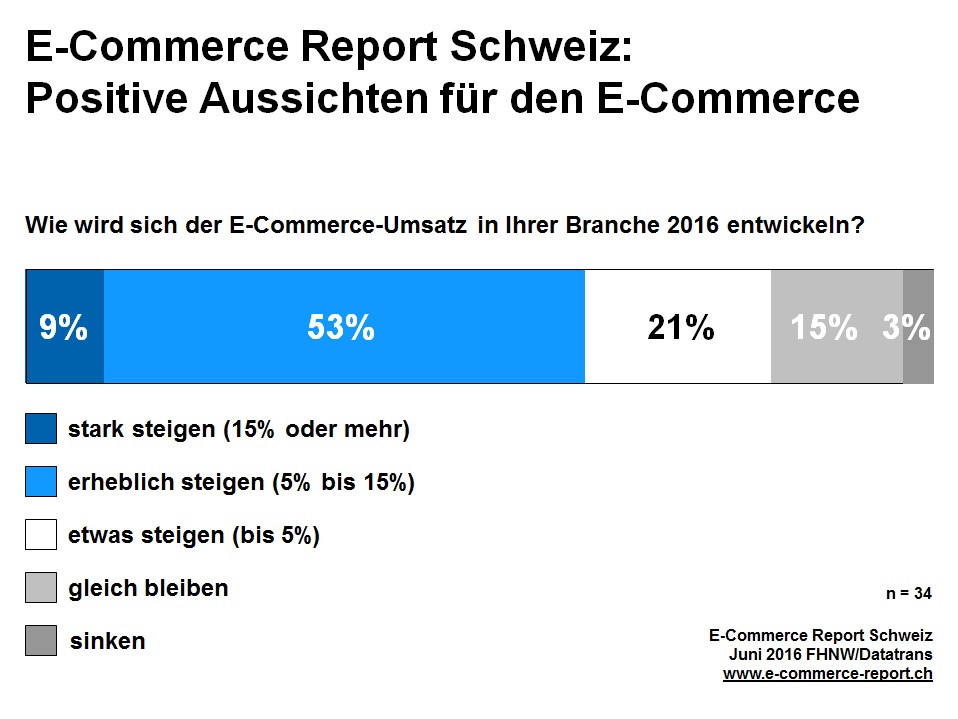
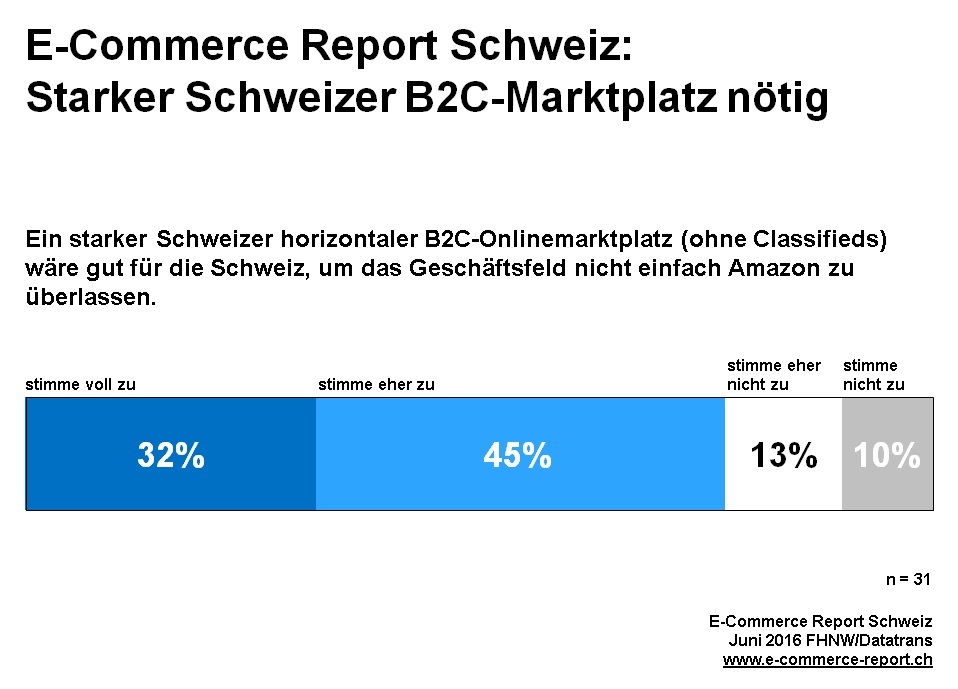
At the end of the day, Ralf Wölfle from the University of Applied Sciences Northwestern Switzerland FHNW presented the E-Commerce Report 2016, the only Swiss B2C e-commerce study from a provider's perspective.
Wölfle also mentioned the new online marketplace Siroop. "This is the most exciting e-commerce project in Switzerland this year, perhaps even this decade," he said in a personal conversation with the editorial team. The company has a start-up culture, with a lot of dynamism, expertise and the courage to take risks. "The team around Constantin Hilt is moving forward at a very fast pace, without fear of making a mistake. That's unusual for Switzerland."
The role model for establishing the Siroop brand should be Zalando, said Wölfle. Zalando had succeeded in popularizing its brand in record time. Siroop is a very ambitious project. It is astonishing that a newcomer is now taking the lead, as other players in the market would actually have had better prerequisites. Ricardo, for example, whose brand is already very well known in this country. (Web Week)