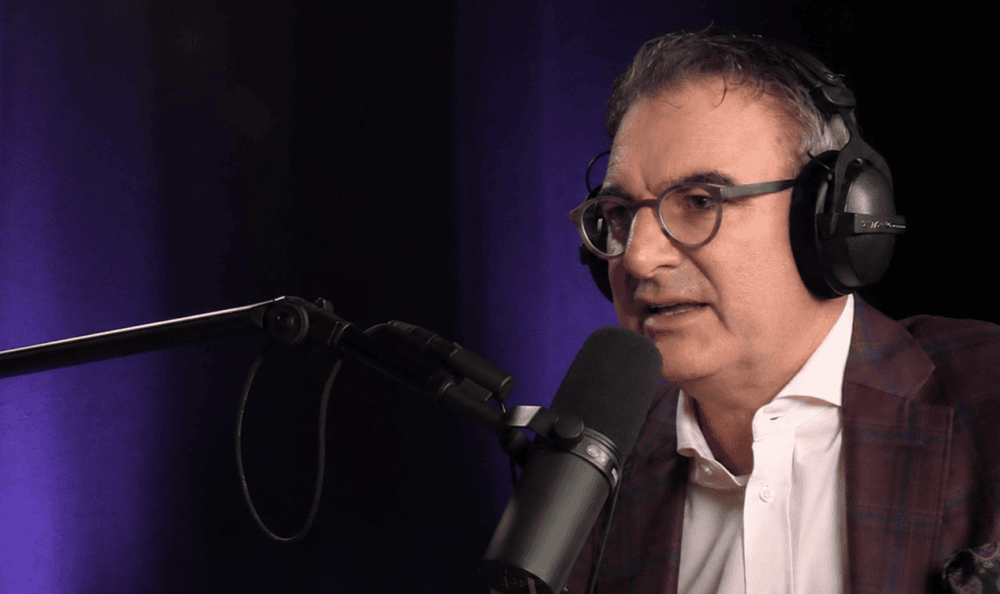
Trend conference: AI and understanding will shape the specialist media
More than 70 people from the Swiss professional publishing industry gathered on Tuesday at this year's Trend Conference on Professional and Specialized Media at the Folium Sihlcity in Zurich.


VSM Managing Director Stefan Wabel, who is stepping down at the end of the year, welcomed the attendees with an overview of the current political discussions that will have a decisive impact on the future of the entire media industry. In addition to the urgent expansion of indirect press funding, the focus was on artificial intelligence. According to Wabel, the applications do not comply with copyright law and jeopardize democracy-relevant journalism. Better and functioning protection of journalistic content on the internet is needed.
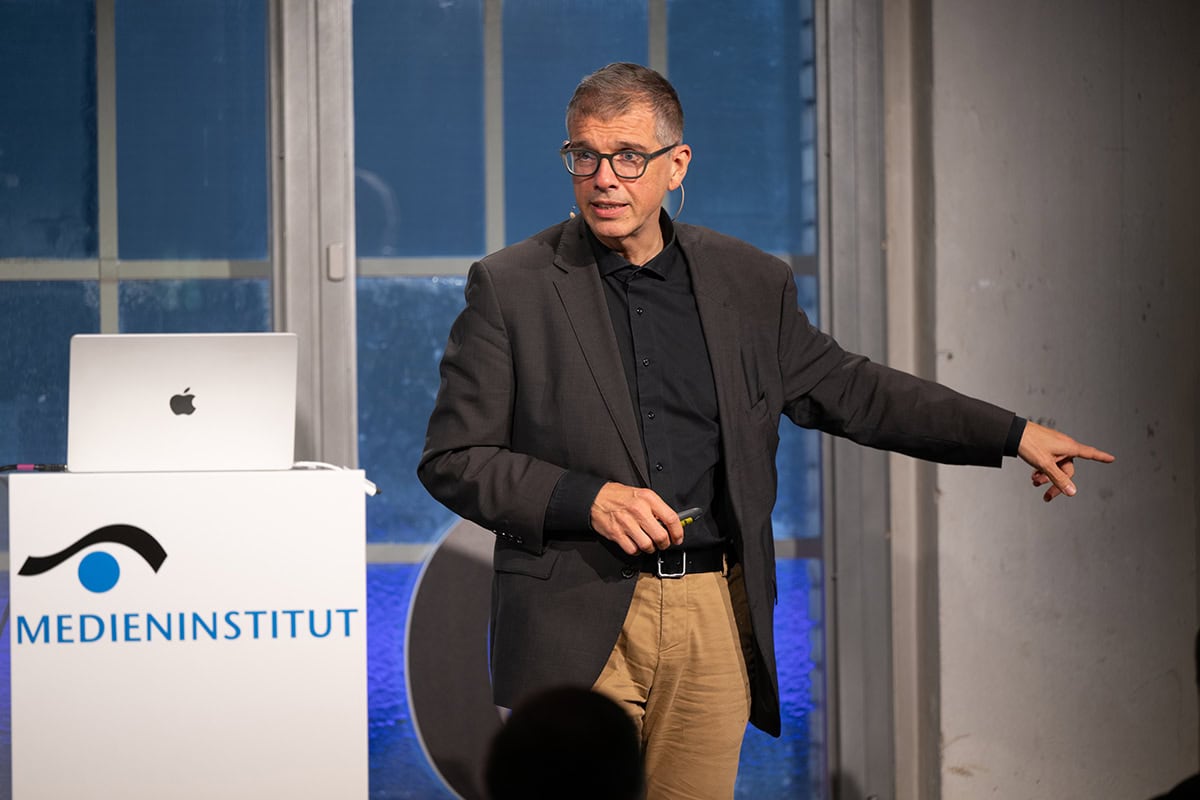
Publicist and publisher Matthias Zehnder picked up on the topic of AI and used very vivid and intuitive examples to show why people are always needed when using artificial intelligence. For example, AI works according to probability, but humans are needed to represent the truth. However, artificial and human intelligence complement each other well: humans know the meaning of things, while AI can describe things eloquently. It takes a lot of expertise to be able to use AI responsibly in the media world. Zehnder also weighs up the risks heavily: AI could mean the death of the media. The key to preventing this scenario from becoming reality is trust. The relationship with users and identification with the media brands will be the decisive success factor for the media.
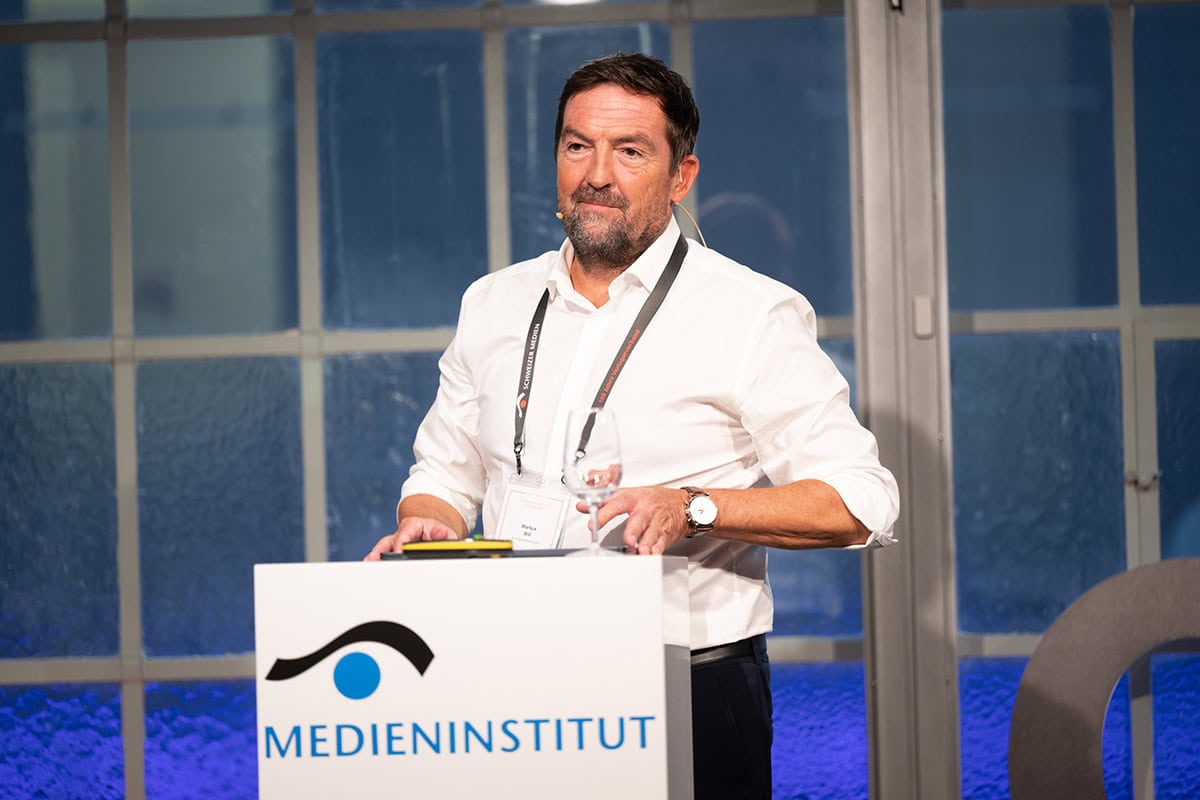
Markus Will from Rosenqvist Media advises companies on how they can use AI to optimize the customer experience. AI applications can be implemented in a highly customized way and give specialist publishers in particular the opportunity to address readers in a specialized way. Will sees a clear strategic benefit. He used very specific examples to show how AI is being used in the healthcare sector, for example.
Alongside the relaunch and expansion of m&k Co-editor-in-chief Johannes Hapig showed how the company proceeded strategically. The process began with harsh criticism of the magazine from readers. As a result, an art director was hired, new topics were set ("more personalities!") and a completely new aesthetic was developed. Infotainment and specialist topics are mixed and - according to Hapig - the team has fun doing it! The most important takeaway from his very practical presentation, however, is loosely based on Steve Jobs and Henry Ford: "The customer doesn't know what he wants until you show it to him.
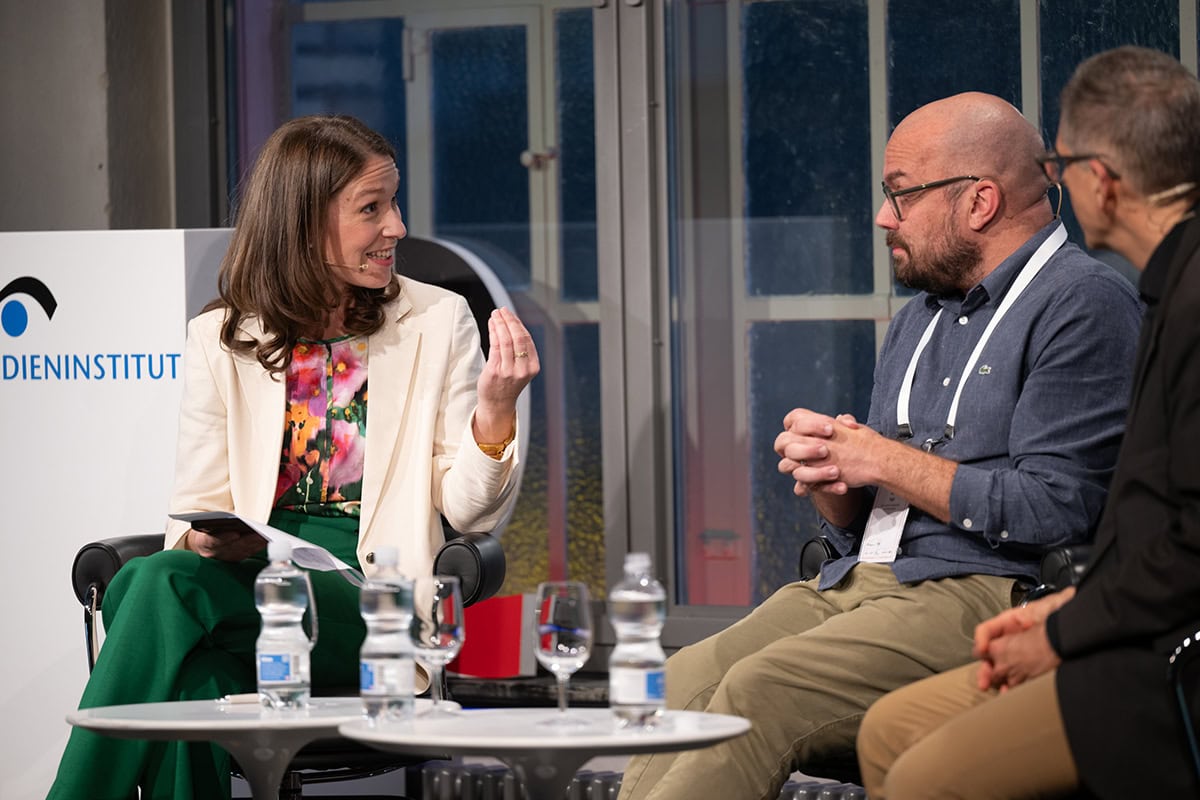
Finally, a panel also addressed the issue of strategy for specialist publishers. Edith Hollenstein, business editor at the Tages-Anzeiger, moderated the discussion with Reto Vogt, Head of Digital Studies at Maz, and Matthias Zehnder, both of whom "don't mince their words". Vogt has spent the last three years running the online magazine InsideIT and quadrupled the number of users in the process. However, the understanding of the benefits of specialist magazines for advertising customers has decreased so much that this could hardly be monetized. Technology companies in particular rely on direct leads instead of clean branding. Zehnder sees the problem in the lack of a sense of responsibility among digital players: these companies in particular should also make a contribution to the media ecosystem and take on more of a social "enabler" role.
Finally, Maz lecturer Sandro Bucher answered the question of why specialist media should use social media. Social media has become the most important source of news for young people, mostly consumed via smartphone. Facebook is becoming less and less relevant; the focus should be on Whatsapp, LinkedIn, Instagram and Tiktok. Bucher explained how the platforms are used with ten commandments ranging from the identification of a niche target group to interaction and ongoing analysis.
The concluding drinks reception offered participants the opportunity to continue the day's discussions in a relaxed atmosphere and make new contacts. The trend conference showed that a combination of technological innovation - namely AI applications - and a deep understanding of the needs of the target groups will have a lasting impact on the specialist publishing industry. Those who are open to change and at the same time focus on the core values of the industry should be able to look to the challenging future with optimism.