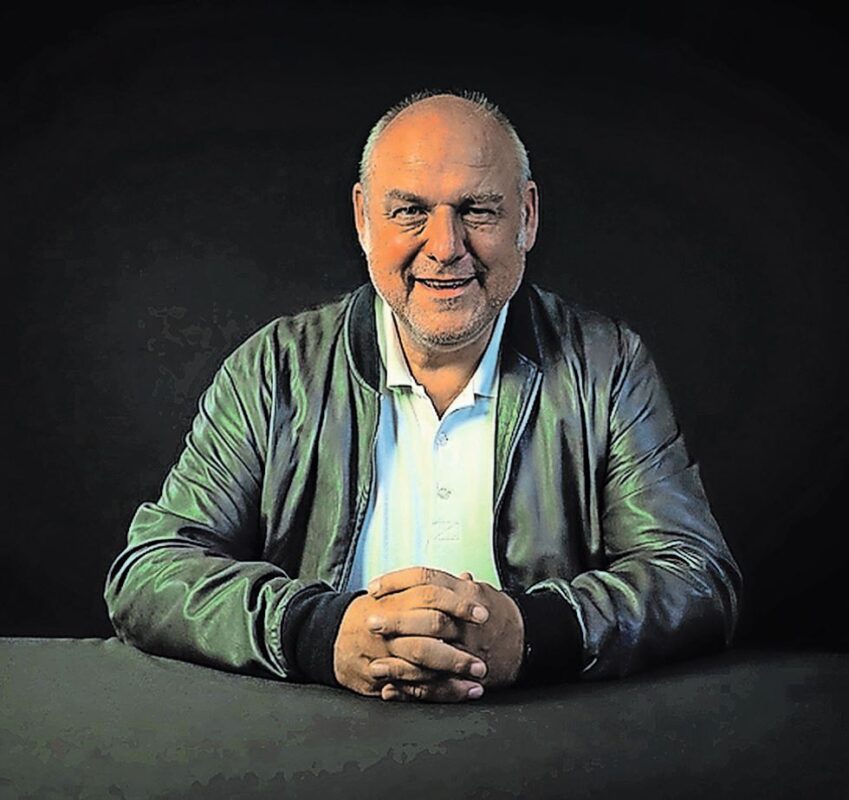
Johanna Gollnhofer: Welcome to the Age of «Taste»
A New Approach to Customer Insights.


For a long time, customer insights didn’t have a particularly good reputation. In many companies, they’re either dismissed with a scoff («We know our customers, after all») or simply ignored («Market research is too expensive»). The result: decisions are made based on gut feelings—and often turn out to be wrong.
Now, of all places, Silicon Valley is rebranding this topic. The discussion there is currently shifting—away from technology and toward something that has long been difficult to pin down: taste. Given that products, features, and even entire apps can be built in record time today, a new problem is emerging. If anyone can produce anything quickly, suddenly almost everything becomes interchangeable. So the real question is: How do you differentiate yourself in a world where execution is no longer a bottleneck? The answer you’re hearing more and more often these days: Taste.
What’s interesting here is that “taste” doesn’t refer to style, interior design, or fashion. Rather, it refers to something much more fundamental. “Taste” describes the ability to decide what should be built in the first place—and what shouldn’t. It’s about judgment. It’s about understanding what people really want, what they value, and what matters to them. Or to put it another way: “Taste” is nothing more than a profound understanding of customer insights. Because that’s exactly what people in Silicon Valley are realizing right now: When technology becomes limitless, human judgment becomes the bottleneck. A developer recently summed it up: When you can implement every idea immediately, the real skill is no longer building, but choosing.
The solution? Not more output. But better understanding. Of course, this is nothing new in marketing. Good marketers have always known that the decisive competitive advantage lies not in the campaign, but in the insight behind it. Not in «what we say,» but in «why it’s relevant to someone.» The only thing new is the term. And perhaps that’s exactly the point: over the years, «customer insights» had lost some of their appeal. They sounded like research reports, like PowerPoint slides, like something you “still had to do.” And in the heat of the moment, this step was sometimes forgotten or skipped altogether.
"Taste," on the other hand, sounds like sound judgment. Like relevance. Like something that’s hard to copy. Still, this term is a bit hard to understand. But maybe this rebranding is actually doing the term “customer insights” a world of good.
About the author
Prof. Dr. Johanna Gollnhofer is an associate professor of marketing and one of the co-directors of the Institute for Marketing and Customer Insight at the University of St. Gallen (IMC-HSG). Johanna Gollnhofer