
The office of the future : ergonomics, space utilization and sustainable interior design


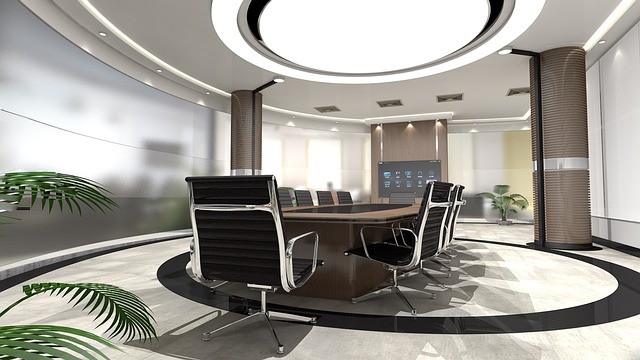
The modern workplace
As digitalization progresses, the electronic requirements of the workplace should also be taken into account when furnishing the modern office. The desk must offer enough space for sufficiently large monitors or second screens and should be equipped with new devices that work flicker-free and with a clean image. It is no longer just the graphics department that relies on an additional screen to work quickly and without obstacles. There should be at least 50, more likely 70, centimeters between the person working and a 24-inch monitor. The tabletop of the desk must be at least twenty centimetres above the seat of the ergonomic office chair. Use of digital databases and digitalized correspondence to avoid excessive use of paper, employees often do not need a filing cabinet, or only a space-saving one. It makes sense to purchase one cabinet per room, with the option of buying additional cabinets if more storage space is required. The lighting in the office should be indirect. Neon tubes and spotlights have had their day in the office. Wall spotlights with warm light from LED sources do not create reflections on screens and unwanted shadows on the keyboard.
Rethinking sustainability
The issue of sustainability in the workplace only plays an indirect role in ergonomic equipment, but has a major influence on furniture and furnishings. Modern offices largely dispense with the unnecessary consumption of resourcesto create an ecologically and socially sensible energy balance. In addition to moving away from printing out every email and every memo, this also means that sustainable products are purchased from the outset to furnish the premises. FSC sealshould be taken into account. Office waste should be separated and recycled. As a rule, electronic devices should be purchased with an A+ energy rating or higher. If possible, some parts of the office can be equipped with automatic switches that, for example, dim the lighting when there is a lot of daylight or switch off the air conditioning when the room temperature reaches a level that is ideally one degree below the comfortable temperature. Employees should be trained in the use of energy-intensive devices and be able to use standby modes or shut down computers during breaks. This is only possible if each employee is solely responsible for their workplace and can control lighting, ventilation and energy consumption themselves.
Better working conditions, higher productivity
Even a more comfortable office chair can represent a significant improvement in working conditions for an employee who spends eight hours a day at their desk. However, when redesigning and restructuring office workstations, greater focus should be placed on ergonomics as a whole. Motivated employees who feel comfortable at their workplace work more reliably, faster and better. They have a more positive attitude towards customers and colleagues and make full use of the opportunities offered by the modern office. It goes without saying that the sustainability factor should not be neglected for companies that want to make a contribution to ecological action.Source: http://www.eventconsulting.ch/Green/files/56-Green-Ideas.pdf


