Zurich Summit 2026: The Rebirth of Storytelling
Am Zurich Summit über den Dächern von Zürich traf das globale Kino auf generative KI, die Creator Economy und den radikalen Wandel der Aufmerksamkeitsökonomie. Wie behauptet sich das menschliche Erzählen inmitten technologischer Explosion und gesellschaftlicher Fragmentierung? Eine dramaturgische Bestandsaufnahme in fünf Akten über Schicksal, Mut und die Essenz jeder grossen Story mit handfesten Learnings für die Werbe- und Kommunikationsbranche.


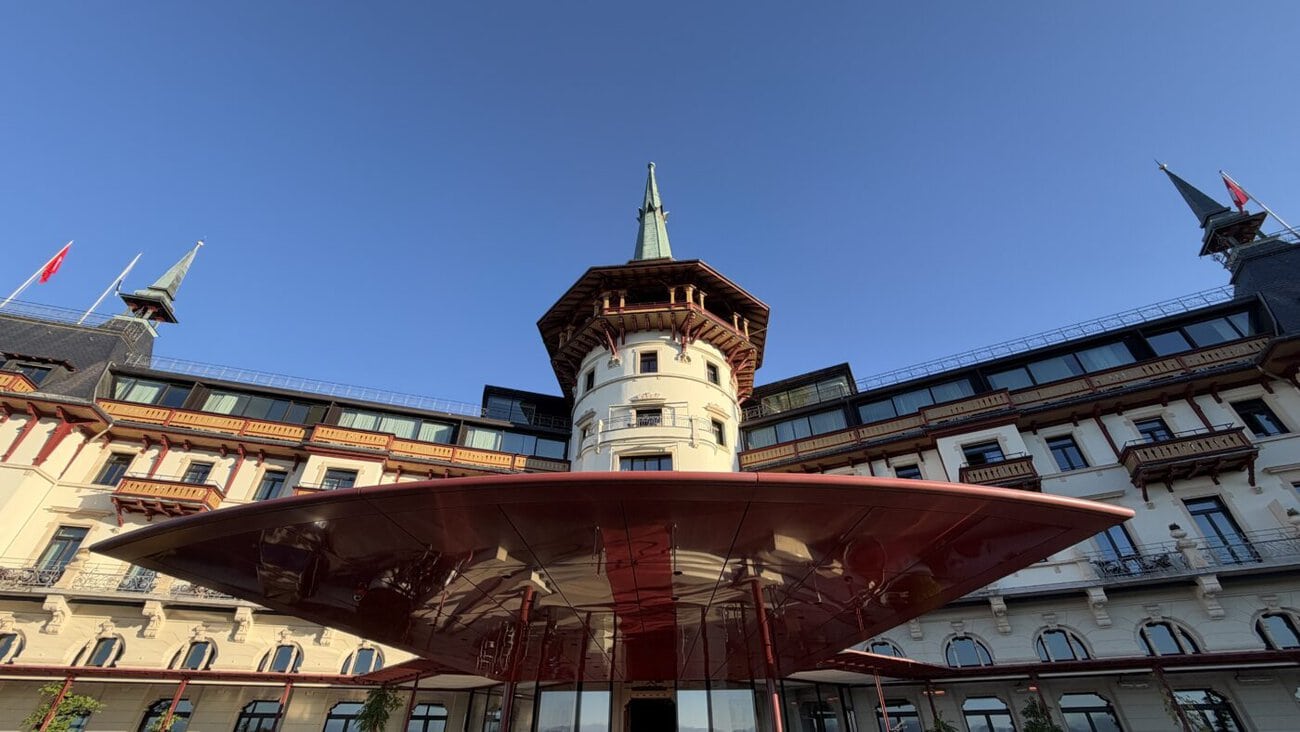
Wer vor dem Grand Hotel Dolder steht und den Blick auf die markante Fassade mit mit dem zentralen Hauptturm richtet, den flankierenden Türmchen und dem kecken Vordach, dem drängt sich das Bild einer Opernbühne auf: ein Ort gebauter Dramatik, an dem Geschichte und Gegenwart aufeinandertreffen. Und er erinnert an Giuseppe Verdi, der seine Werke als Gesamtkunstwerk verstand: Orchester, Kulisse und die Fallhöhe menschlicher Schicksale vereinten sich bei ihm, um ein Publikum zu erschüttern. In the 20th century, cinema took up this legacy and transferred the overall dramatic experience from the physical stage to the monumental screen.
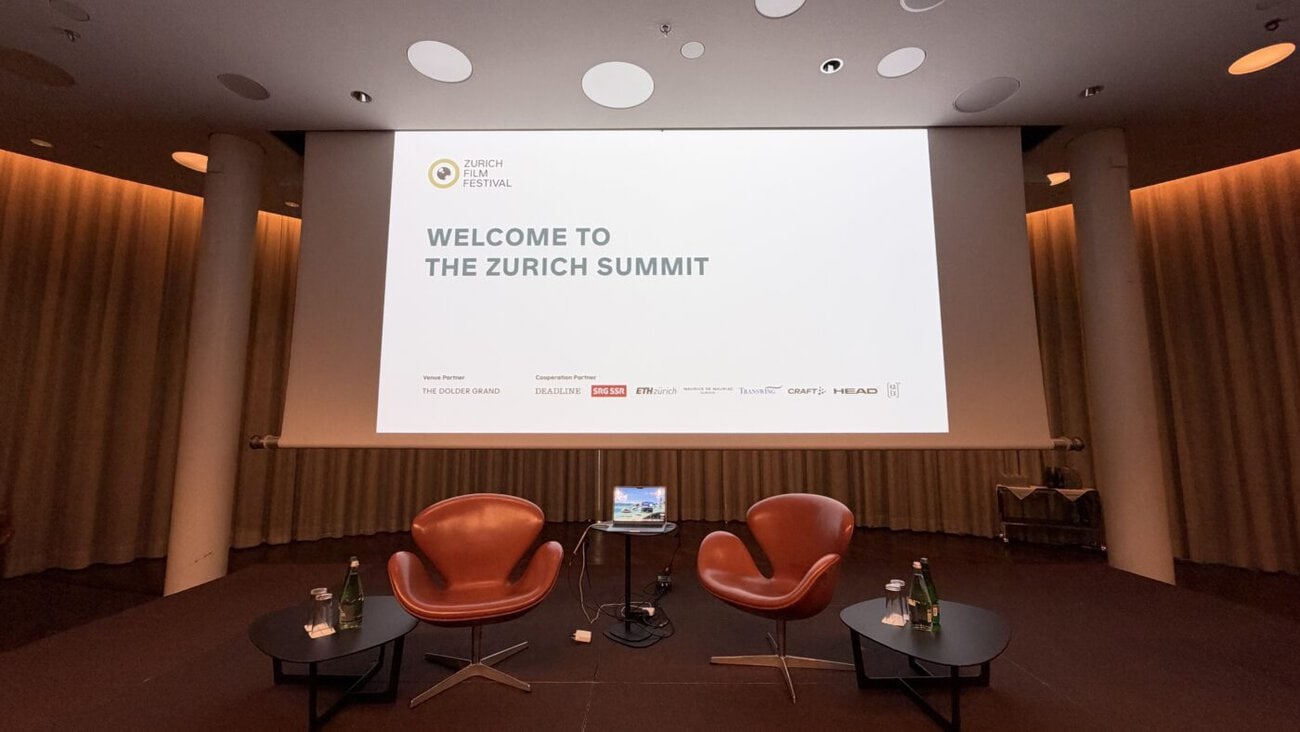
Now we are witnessing the next tectonic development in this chain: Following opera and film, a new, hybrid form of storytelling is taking shape, one that is still struggling to find its final definition. It is a space where passive viewers become collaborative creators, algorithms break down production budgets, and stories blur the lines between movie theater seats and interactive feeds. Amid this technological explosion and social upheaval, a fundamental assessment took place in Zurich:
Wie behauptet sich die Magie der Geschichte, wenn sich die Trägermedien radikal transformieren, der menschliche Drang nach Sinnstiftung aber derselbe bleibt?
Think Tank at the Dolder
When one thinks of Verdi’s *La forza del destino*, one thinks of the overwhelming, inescapable power of fate that descends upon the characters. Doch oben auf dem Zürichberg dachte niemand daran, sich dem Umbruch einfach kampflos zu fügen – im Gegenteil: Hier will man selbst am Steuer sitzen und die Zukunft aktiv in die Hand nehmen.
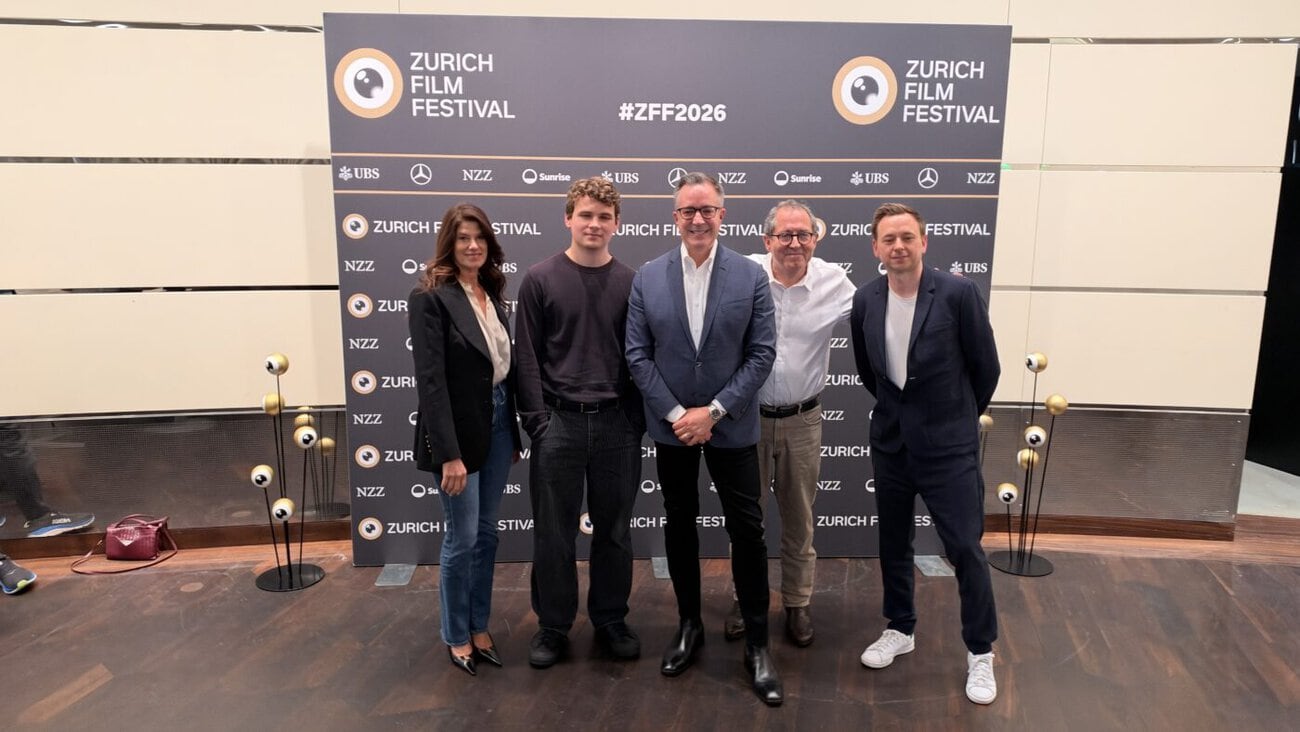
Genau diesen Führungsanspruch formulierten Festival Director Reta Guetg und der neue Festivalpräsident Martin Moszkowicz gleich zum Auftakt: Das Zurich Film Festival wolle globale Trends nicht bloss passiv abbilden, sondern die Spielregeln aktiv mitbestimmen – «trendsetting», wie Guetg das britische Blatt The Guardian she said. She explained that the Dolder isn't about the usual industry small talk, but rather a genuine think tank.
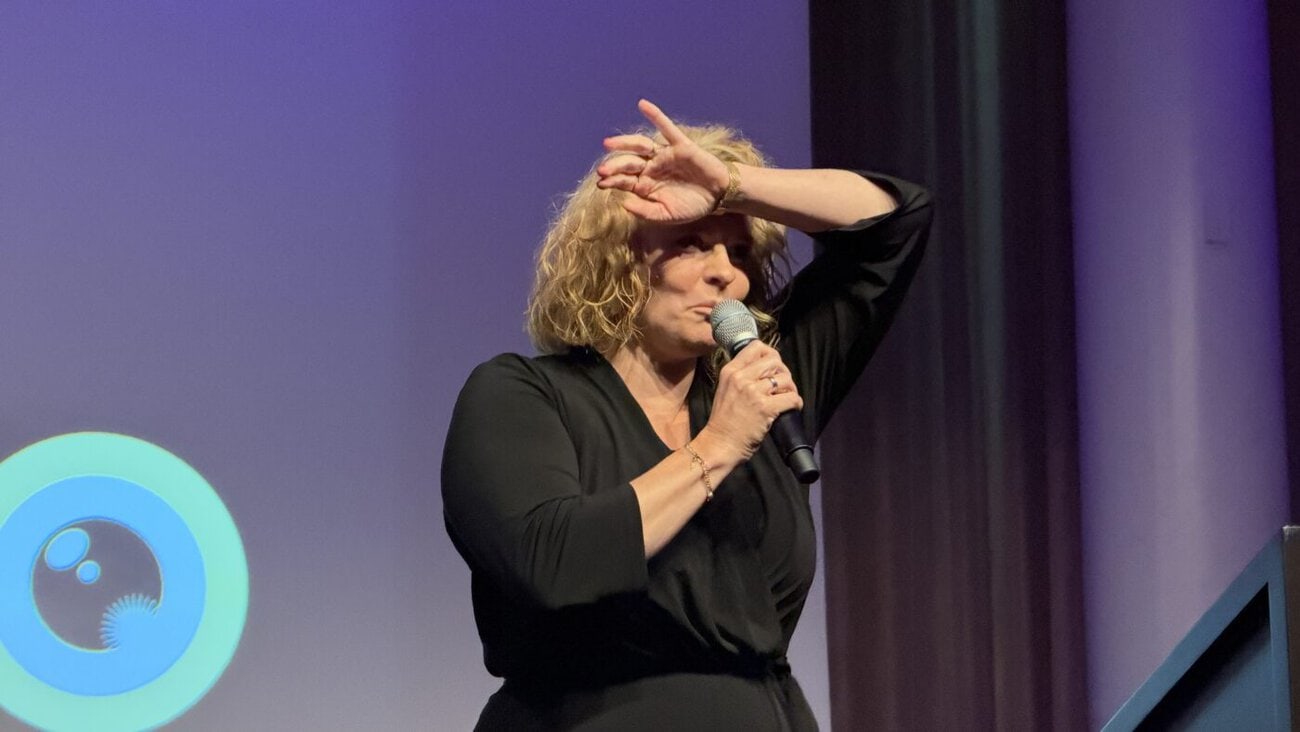
Guetg liess die junge Garde des Talentprogramms «Summit Climber» im Saal aufstehen und gab den Anwesenden einen klaren Auftrag mit auf den Weg:
«Be courageous, talk to each other – the next generation is important to have at the table.»
Moszkowicz wiederum brachte den doppelten Hebel der Veranstaltung gewohnt pragmatisch auf den Punkt: Man sei hier zusammengekommen, um neue Dinge zu lernen, um bessere Filme zu machen – und am Ende auch mehr Geld damit zu verdienen.
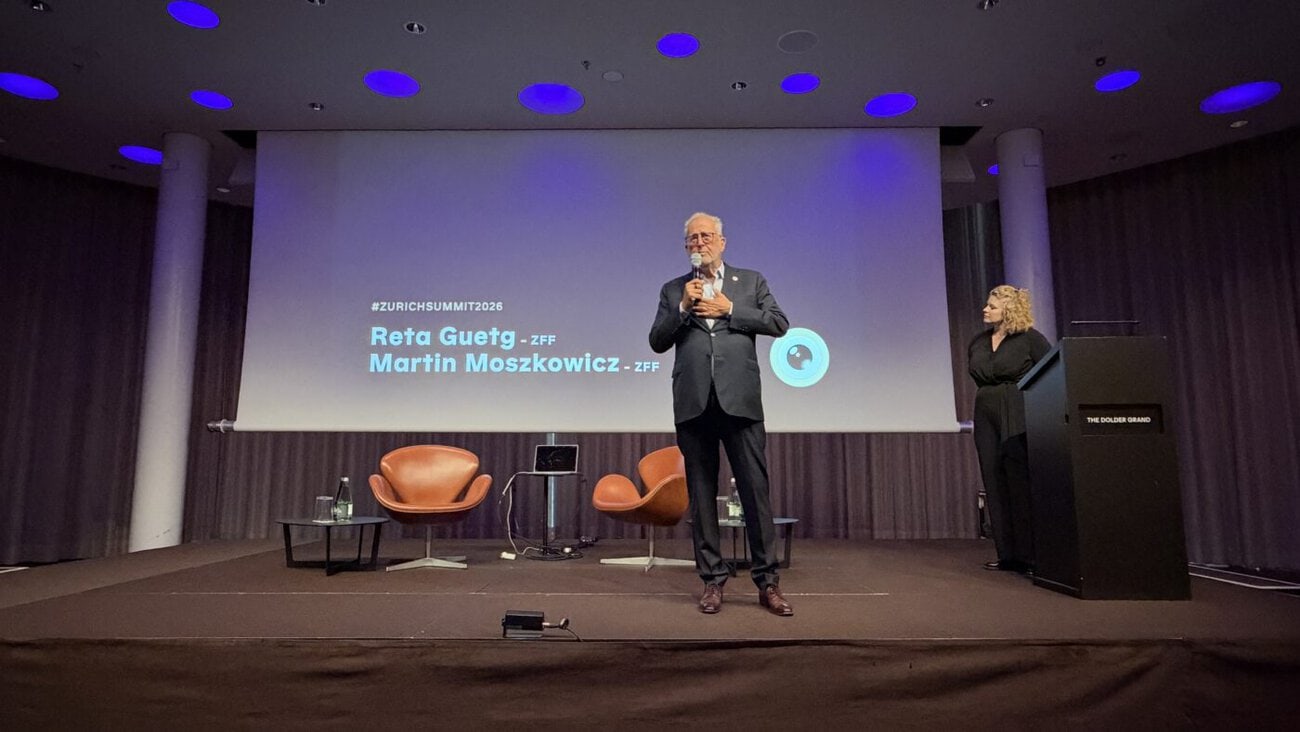
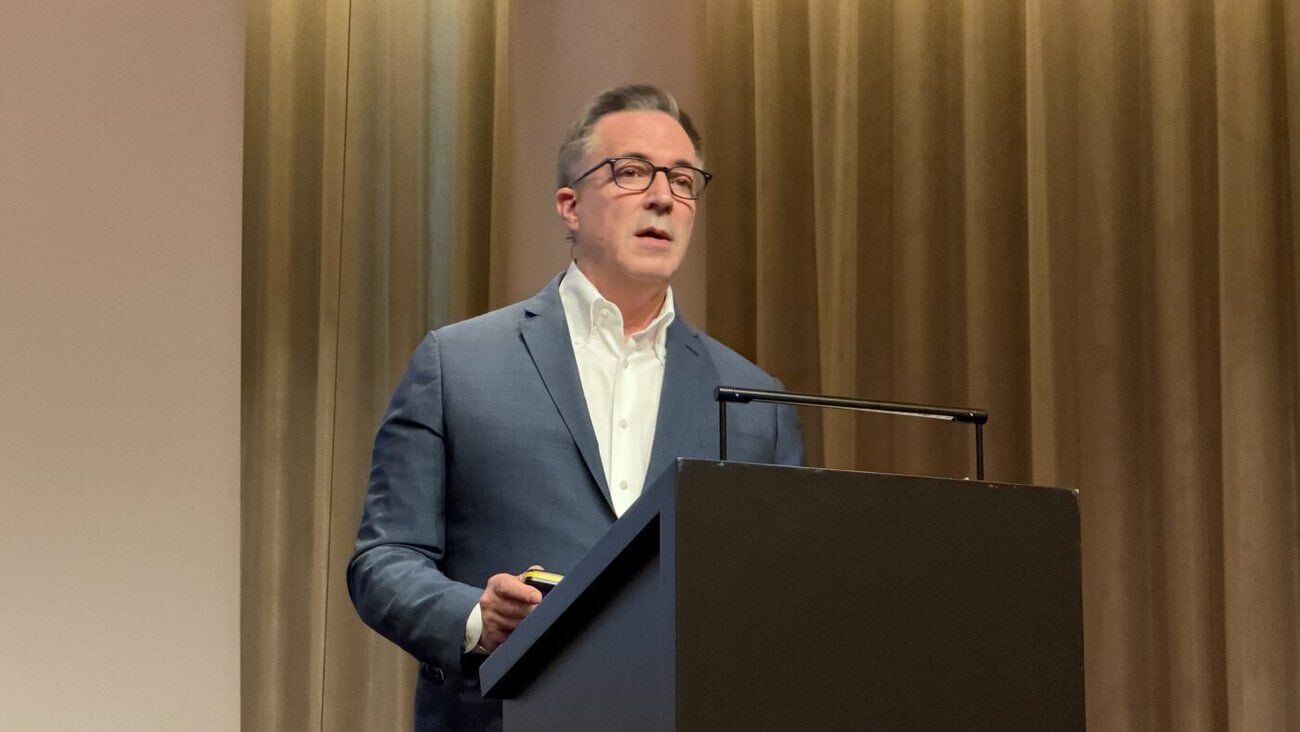
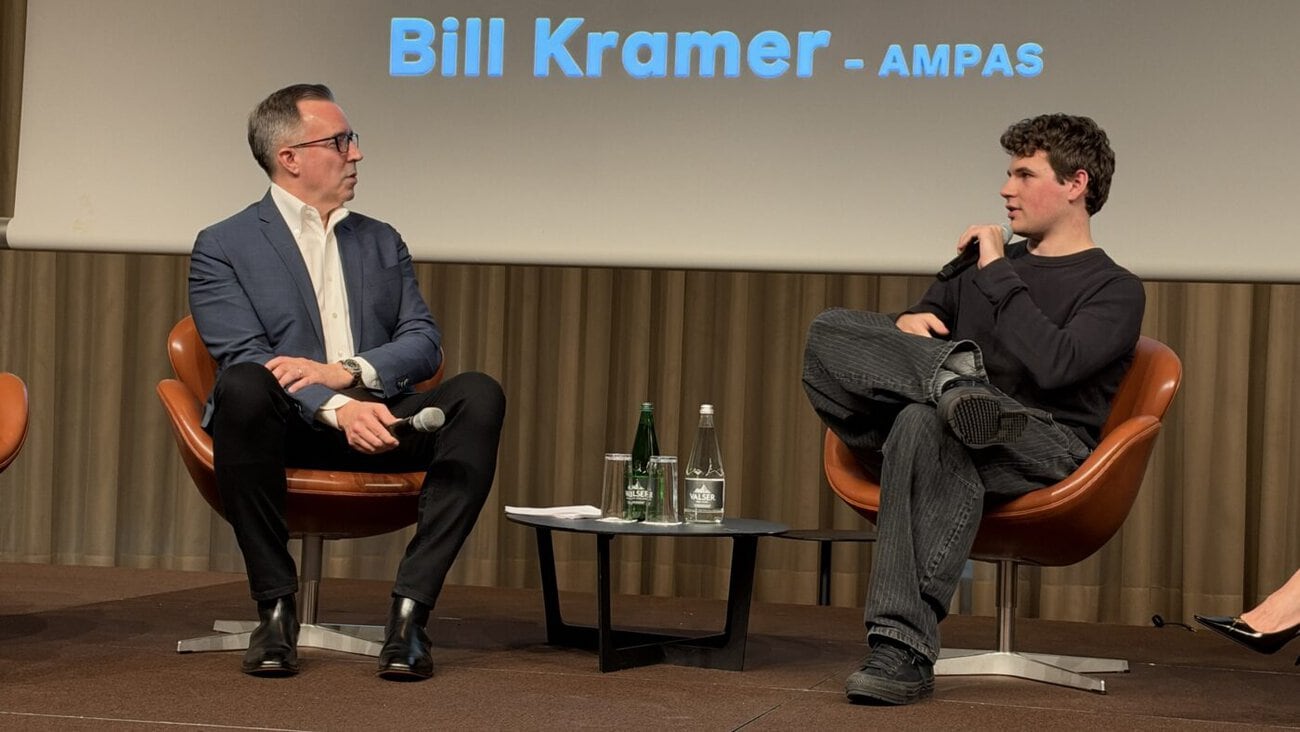
Diesen Bogen zwischen mutiger Zukunftsgestaltung und handfester Marktvernunft spannte gleich im Anschluss der ranghöchste Vertreter der weltweiten Filmbranche weiter: Bill Kramer, CEO der Academy of Motion Picture Arts and Sciences. With an eye toward the upcoming 100th anniversary of the Oscars, he grounded the Zurich think tank in a reassuring, almost defiant certainty:
«Technology changes, distribution channels change, and audiences evolve and become more connected despite great distances". But through it all, the human desire to tell our stories—and to see ourselves reflected in those stories—remains. And because of this, movies matter more than ever."
Es war der perfekte Leitakkord für einen Tag, der an die unerbittliche Essenz von Verdis La forza del destino erinnerte: Technologie mag die Spielregeln diktieren, doch die eigentliche «Macht des Schicksals» liegt im Menschen selbst. Die Zukunft des Erzählens wird nicht im Code besiegelt, sondern im unbedingten Willen, das Publikum zu berühren, zu beflügeln, zu erschüttern…
Act I: The Overture – The Ghost of Comfort
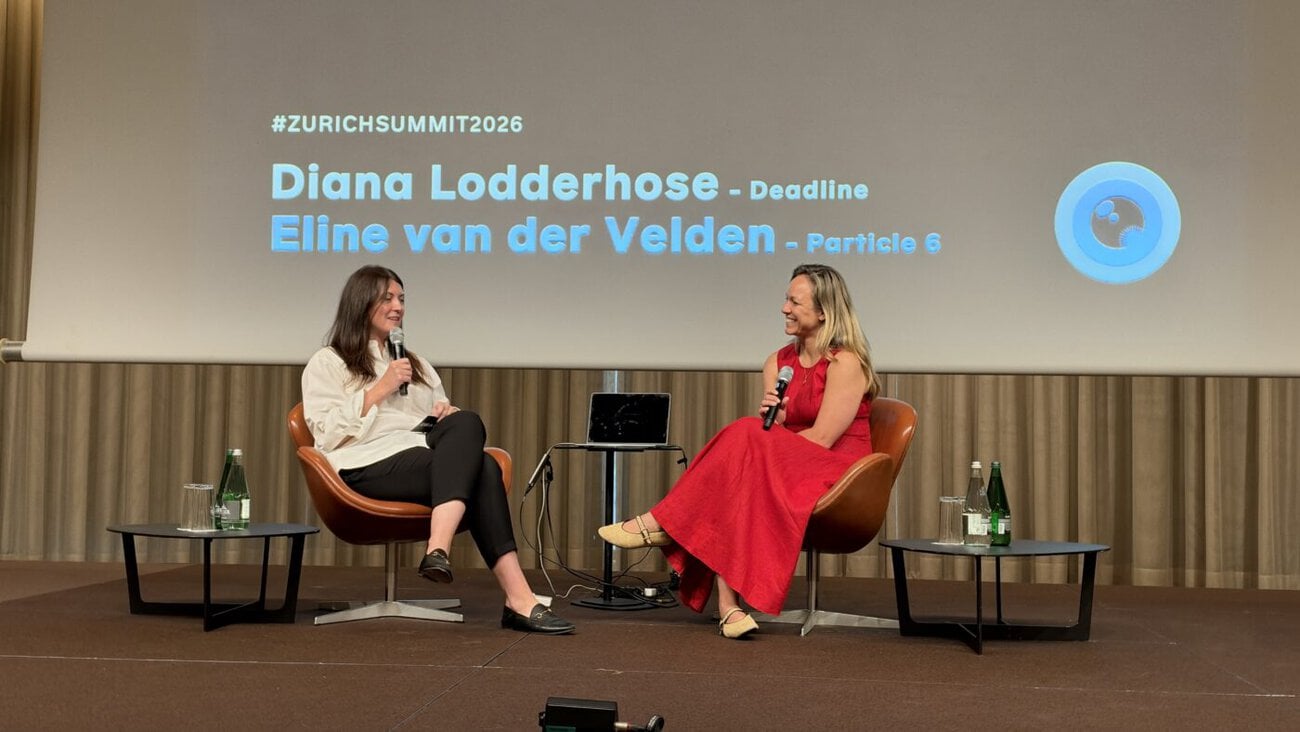
Jede Zeitenwende beginnt mit Verunsicherung. Wo einst Studios im Alleingang diktierten, was auf die Leinwand gehört, herrscht heute die Verführung der automatisierten Effizienz. Wie schmal der Grat zwischen faszinierender Machbarkeit und kreativer Selbstaufgabe verläuft, illustrierte gleich zu Beginn die Session mit Eline van der Velden. Mit «Tilly Norwood», einer vollständig KI-generierten Schauspielerin, demonstrierte sie, wie Algorithmen bereits menschliche Mimik und Präsenz imitieren können – ein technologischer Meilenstein, der im Saal jedoch sofort die fundamentale Frage aufwarf: Erleben wir die Demokratisierung der Filmproduktion oder die schrittweise Entmenschlichung der Kunst?
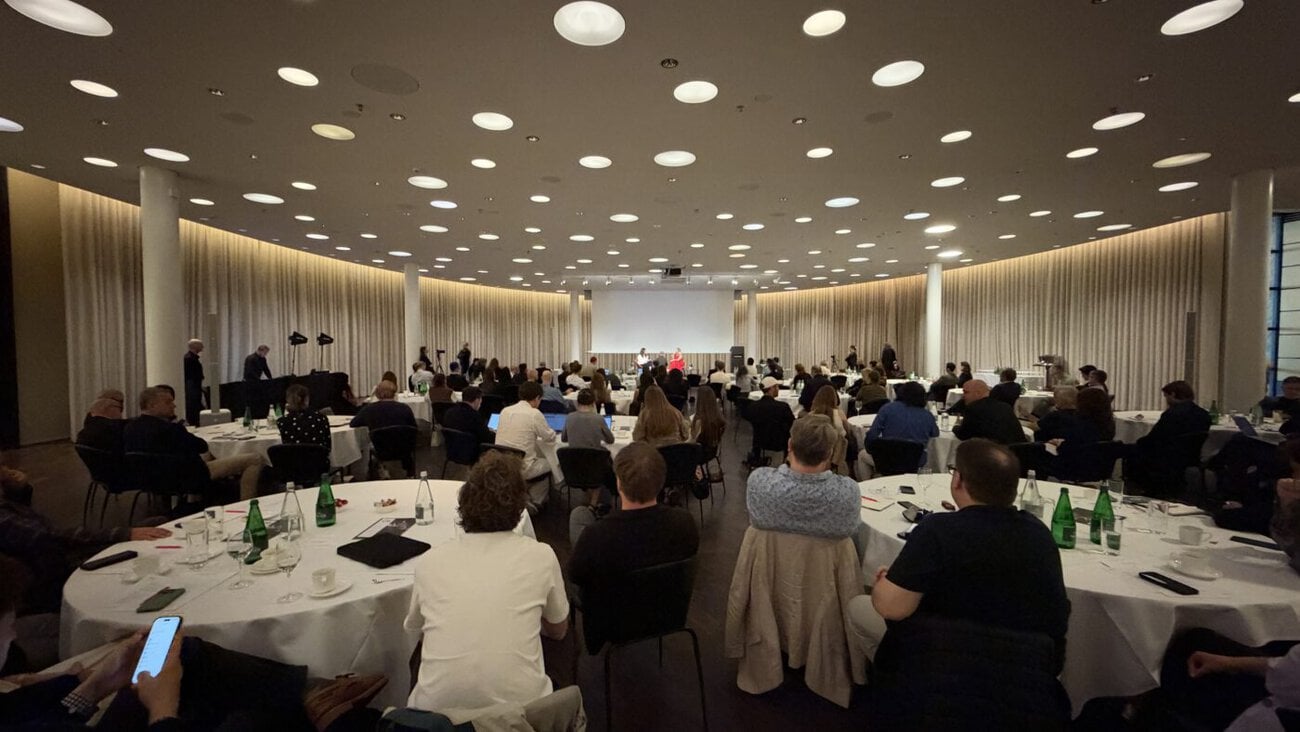
Denn die eigentliche Krise, die auf den Podien diskutiert wurde, ist keine rein budgetäre, sondern eine geistige: die freiwillige Selbstaufgabe vor der Maschine. Vania Schlogel, Gründerin von Atwater Capital, warnte eindringlich vor dieser Bequemlichkeitsfalle im Umgang mit generativen Modellen. Anstatt KI als nüchternes Werkzeug zur reinen Entlastung («offloading») zu begreifen, verfalle die Branche zunehmend in eine gefährliche Trägheit. Sie bezeichnete diesen Mechanismus als «cognitive surrender» – die Tendenz des Menschen, vor der scheinbaren Perfektion der Algorithmen geistig zu kapitulieren und deren synthetische Entwürfe ungeprüft als Autorität zu akzeptieren.
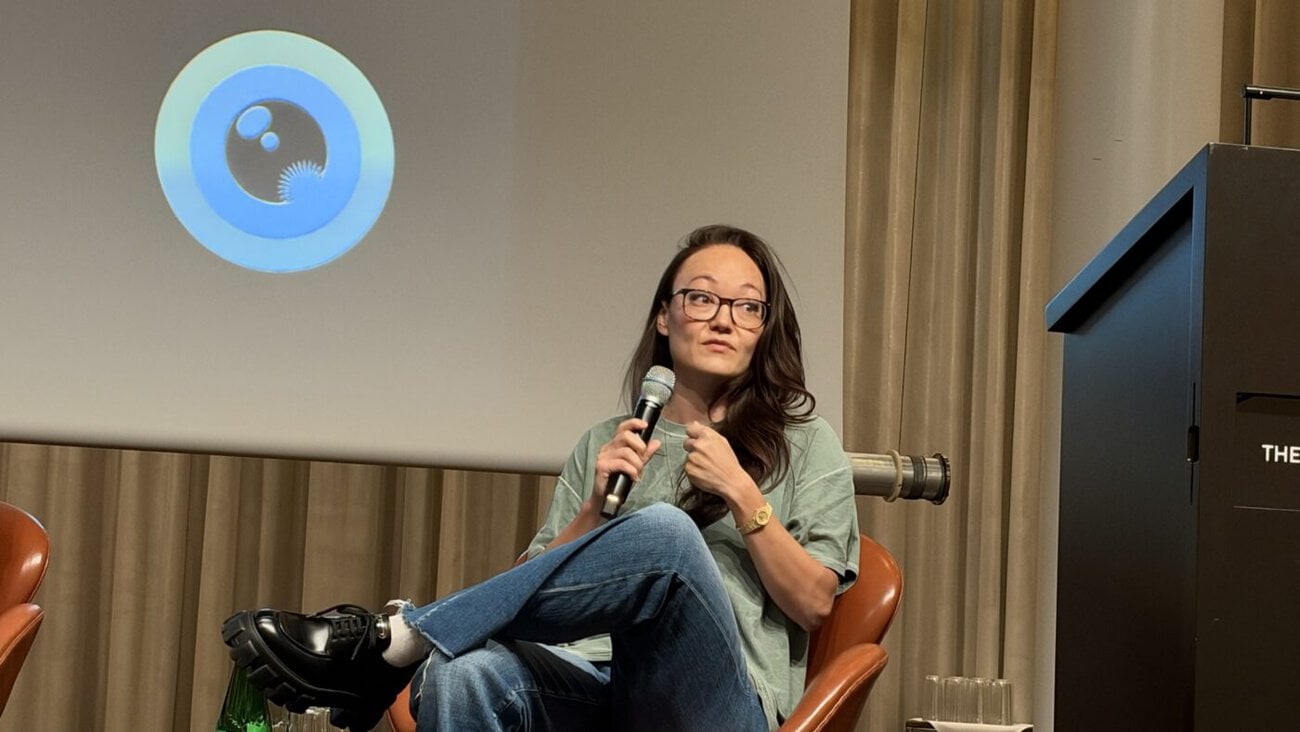
Wie sich diese drohende Unterwerfung in der Praxis auswirkt, beleuchteten ihre Panel-Kollegen aus unterschiedlichen Blickwinkeln: Für Nick Shumaker (Anonymous Content) steht dabei das Fundament der Branche auf dem Spiel – das Vertrauen in originäre Schöpferkraft. Wer Talente durch algorithmische Mittelwerte ersetzt, beraubt das Kino genau jener Ecken und Kanten, die ein Werk erst unvergesslich machen. Branchenanwalt Nick Holt (Figures from Brittenham) erinnerte an das juristische Minenfeld ungeklärter Urheberrechte und den Schutz der menschlichen Urheberschaft, während Tech- und Medieninvestor Zack London vor der Illusion warnte, Effizienzgewinne liessen sich eins zu eins in kulturellen Wert übersetzen. Die einhellige Diagnose der Runde: Wo die Maschine das Denken übernimmt, entsteht kein Fortschritt, sondern blosse Austauschbarkeit.
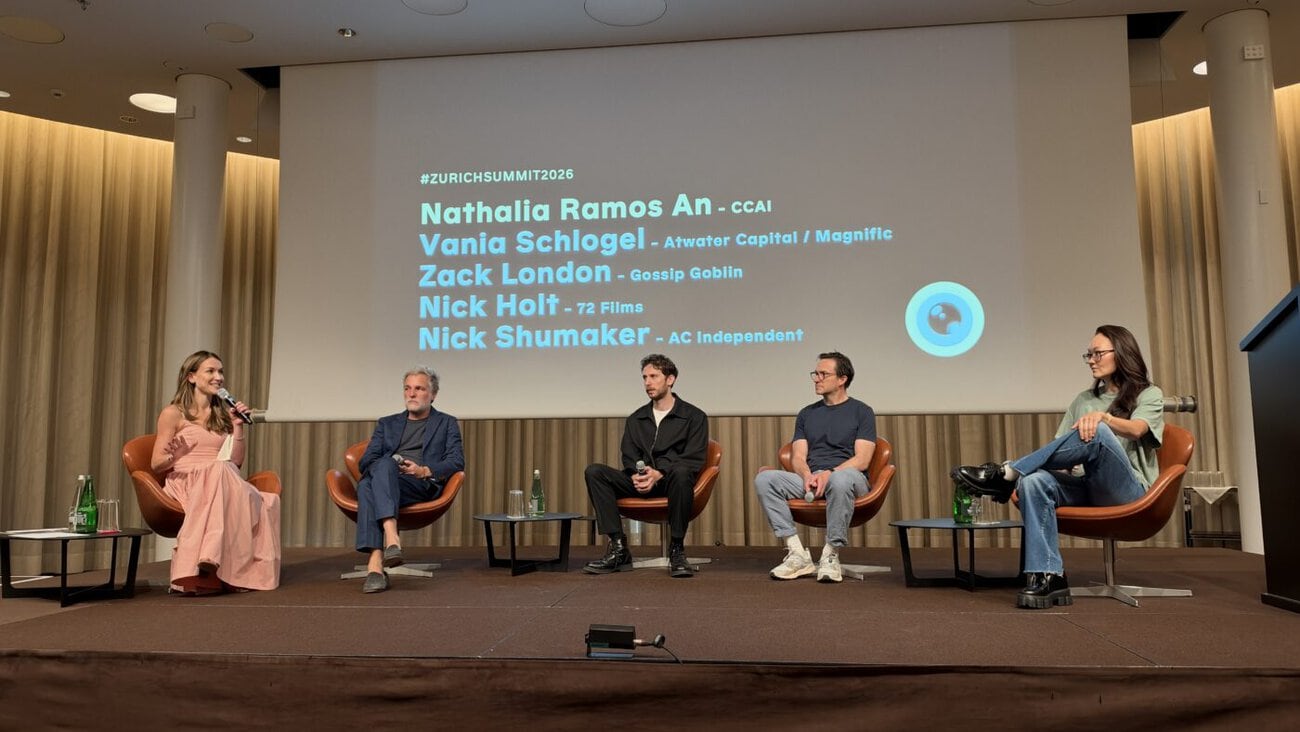
Wer Geschichten baut – sei es ein abendfüllendes Drama oder eine pointierte 30-Sekunden-Kampagne –, darf vor dieser Glätte nicht einknicken. Dass die statistischen Gesetzmässigkeiten der Tech-Welt für echte Kunst nicht taugen, untermauerte Sony-Pictures-Classics-Legende Michael Barker mit einem entwaffnenden Beispiel: Eine Praktikantin hatte eine KI nach den «zehn Regeln für einen Hit» befragt und strenge Verbote erhalten – kein Schwarzweiss, kein früher Tod des Helden, keine ältere Protagonistin. Als er sie mit Billy Wilders Meisterwerk Sunset Boulevard When she examined these rules, she realized that Wilder had shattered nearly every single one of them—and that is precisely why he made film history. Barker's conclusion:
«Billy Wilder sat at a table like that and made that up, and AI can't do that.»
Act II: The People Take the Stage – The End of the Elitist Monologue
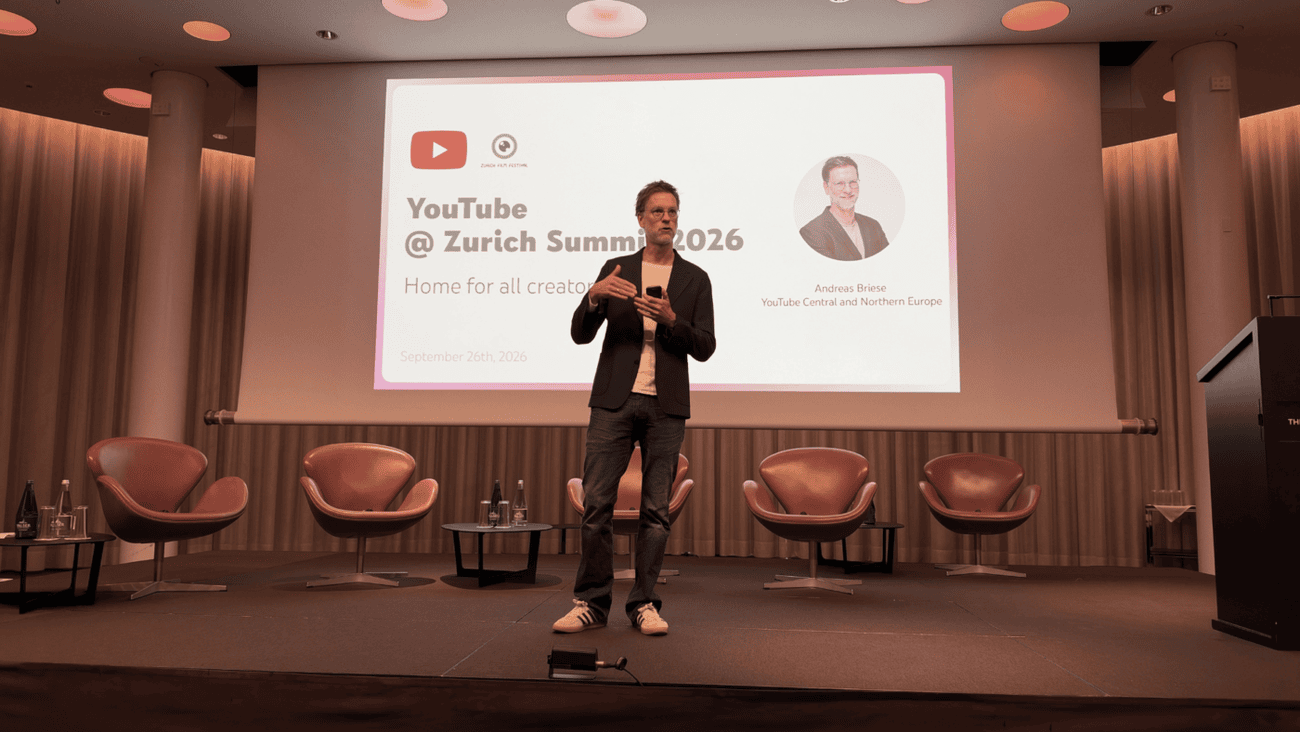
In classical opera, the boxes were reserved for the privileged, while the common people stood in the stalls below. It is precisely this hierarchy that the networked platforms have destroyed. Andreas Briese, Managing Director bei YouTube, konfrontierte das traditionelle Filmpublikum im Dolder mit harten Fakten: YouTube ist längst kein reines Smartphone-Phänomen mehr, sondern erobert massiv das Wohnzimmer. The interactive TV screen is the company's fastest-growing platform; over one billion hours are watched on TV sets every day, and more than half of that viewing time is accounted for by programs longer than twenty minutes.
The encounter at the Dolder between two seemingly opposing poles of the entertainment industry underscored just how radically this interplay between audience, brand, and creator has already changed the rules of the game.
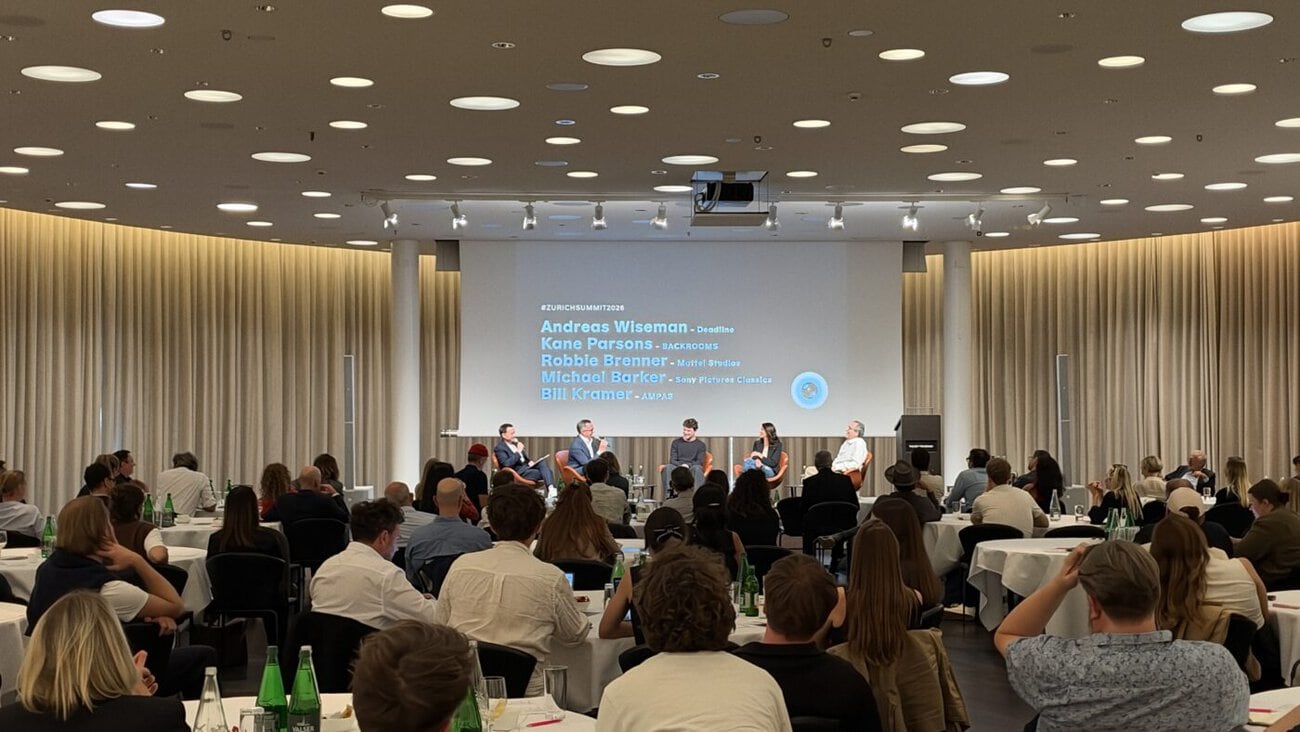
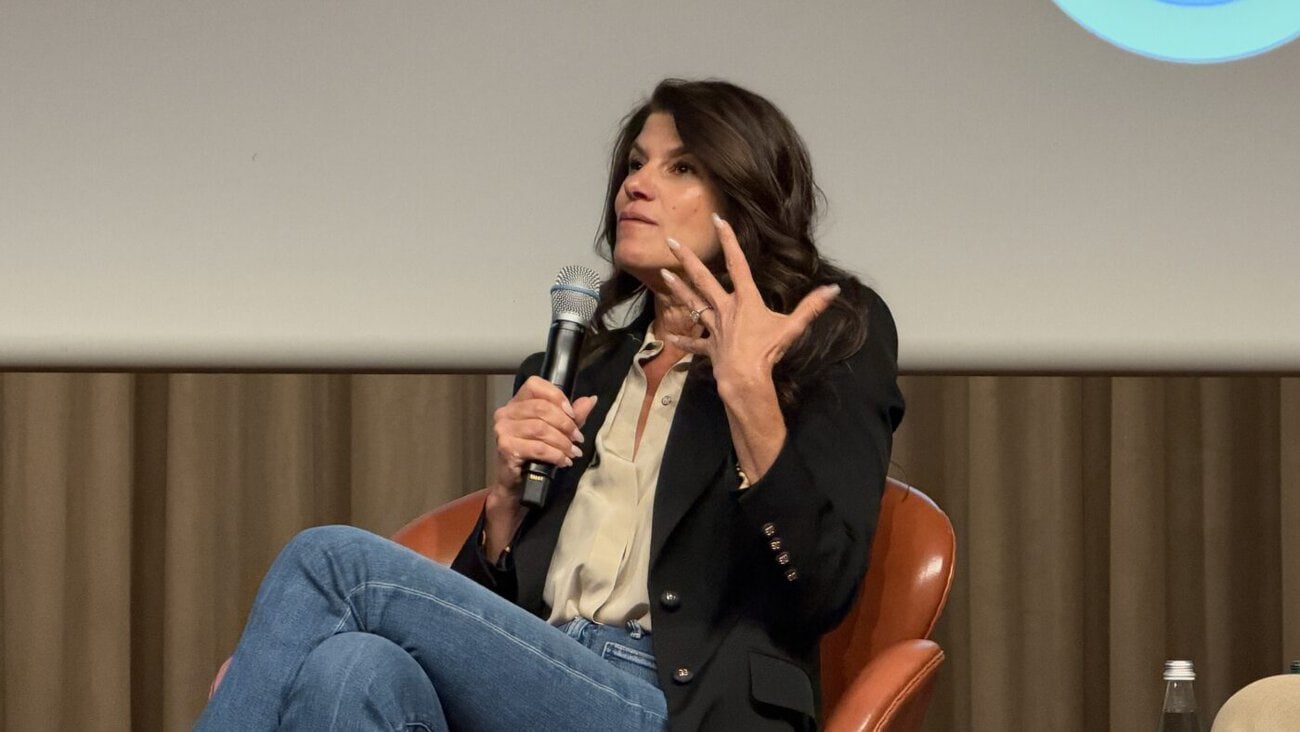
Auf der einen Seite Robbie Brenner, President von Mattel Films, die mit dem Welterfolg von Barbie demonstrated how to transform a historic corporate brand into a global cultural phenomenon through uncompromising auteur cinema. With palpable passion, she rejected the fearful obsession with censorship and control typical of traditional corporations at the Dolder Grand: Those who smooth over every point of friction out of fear of reputational risks end up producing nothing more than commercials, which the audience will punish. Relevance only arises when studios muster the courage to grant their filmmakers true creative freedom and take the audience seriously:
«You can't just make a movie to sell toys—audiences see right through that. You have to respect the audience and give them something truly original.»
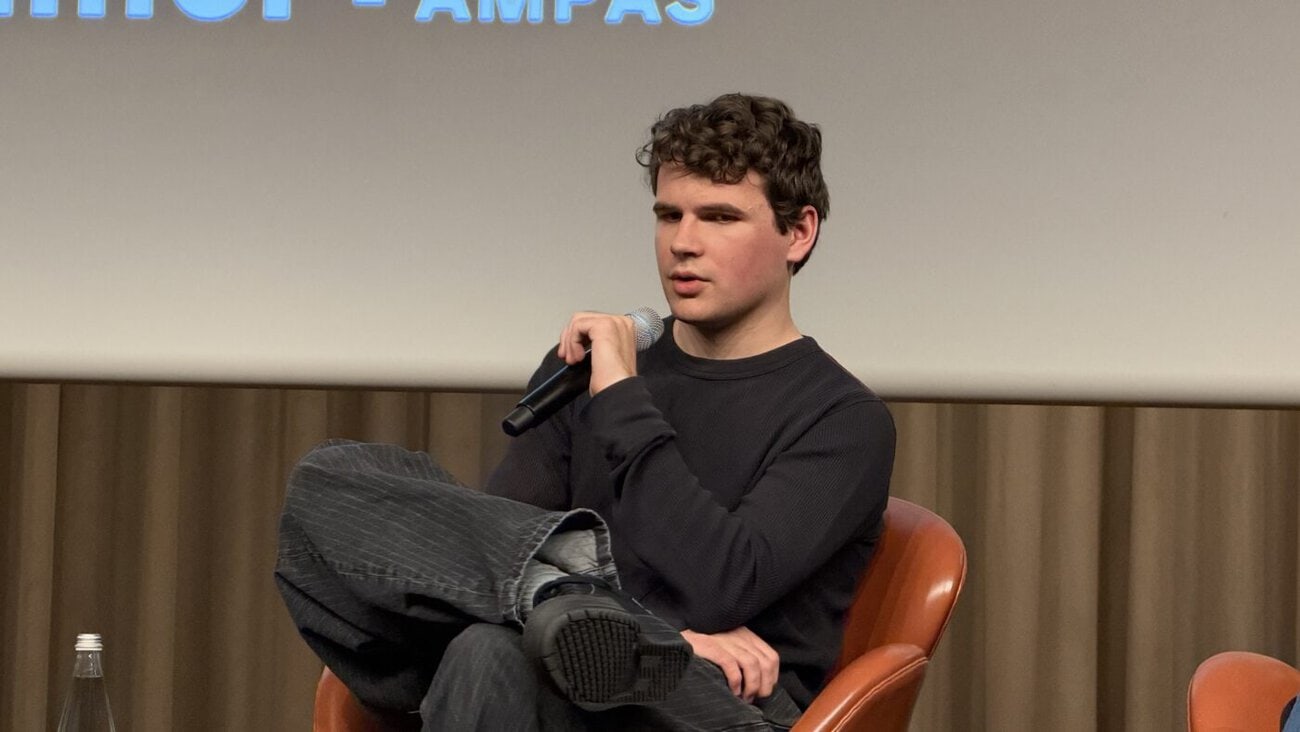
Auf der anderen Seite Kane Parsons, der als Teenager mit The Backrooms created a viral sensation on YouTube that captivated millions and prompted Hollywood to sign him directly for the big screen. Whether it’s a billion-dollar toy company or a solo creator in a teenager’s bedroom: the common ground between these two worlds is a rejection of cynical calculation. The true currency of our time is radical closeness to the community, the willingness to take risks through creative friction, and unconditional respect for the audience’s intelligence.
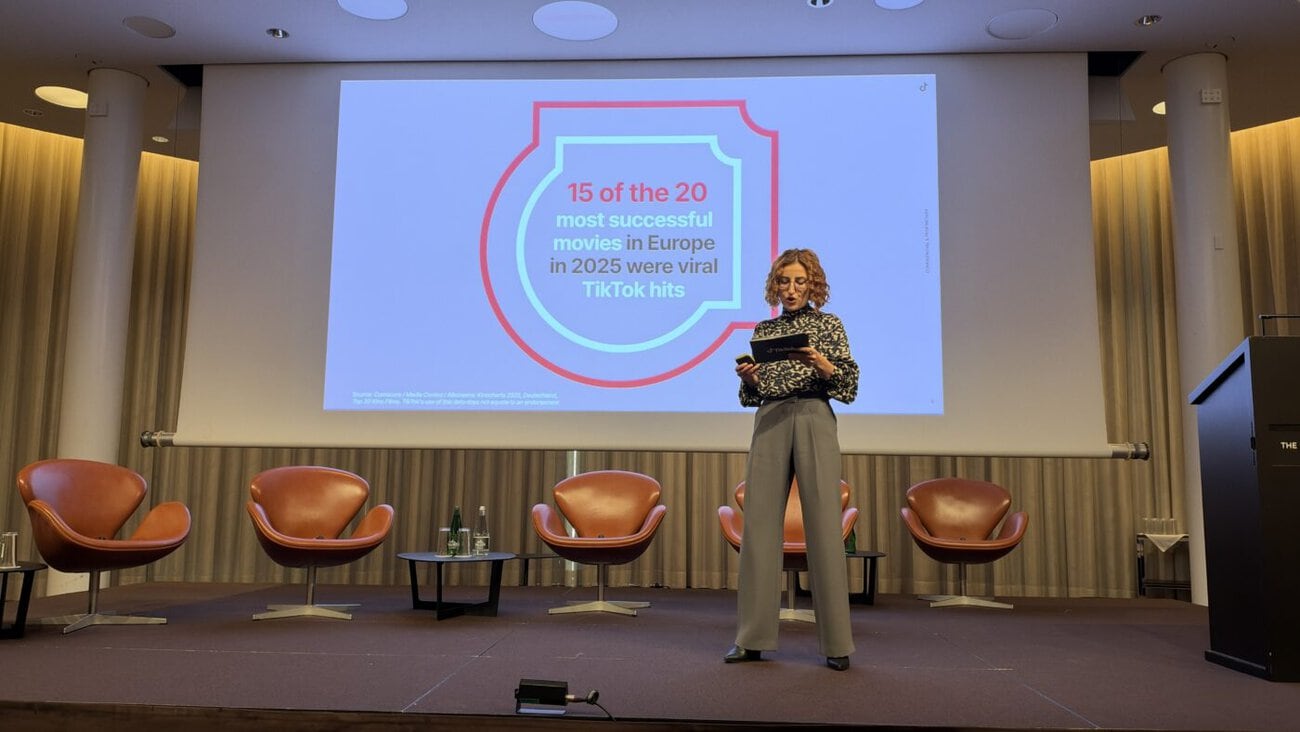
Anyone who still tries to lecture the audience today using traditional one-way monologues will lose them. Hasmik Matinyan von TikTok beschrieb eine globale Community, die täglich über zwölf Millionen Beiträge zu Film und TV veröffentlicht. Users are no longer passive consumers; instead, they act as co-creators. Her message to the film and advertising industries is unambiguous:
«Stop the monologue, start the dialogue"."
Oliver Berben, CEO von Constantin Film, bekannte sich offen dazu, wie schwer dieser Kulturwandel den traditionellen Playern fällt. For decades, Hollywood was determined to keep every image jealously under wraps. But to unleash true viral power and genuine fandom on social media, studios must be willing to let go of the material and put the audience in the passenger seat from day one:
«You have to relinquish some control over the content. And that's very hard for the industry."."
Act III: The Rebellion of the Youth—The Hunger for Truth
Amid the debate over dwindling attention spans, Kane Parsons—whom we mentioned earlier—made a surprise appearance. The 20-year-old director, who launched his found-footage series on YouTube, The Backrooms And when A24 made the direct leap to Hollywood, it clearly refuted common prejudices. The claim that his generation can supposedly only consume bite-sized content is not a biological fact, but rather the result of algorithmic control that young people secretly despise. For them, the movie theater represents a liberating slowdown: a closed space, no distractions, a shared immersion.
At the same time, Parsons refused to let the distribution industry lock him into genre-based categories. The Backrooms For him, it is not just a simple horror movie, but an existential drama. The "horror" label merely serves as a marketing tool—the path of least resistance:
«I didn't direct a horror film, and I don't see it as a horror project. […] I'm going to try to remain as oblivious to those labels as possible."."
When writing, he didn't calculate his words out of a paranoid fear of how people would react, but rather acted as his own discerning fan.
Act IV: The Battle of the Systems—Mass vs. Extreme Agility
Gelenkt wurden die Debatten im Dolder Grand u.a. von Andreas Wiseman. Der internationale Chefkorrespondent des Branchenmagazins Deadline legte die Finger zielsicher in die offenen Wunden der Studiomanager: Die Zeit des bequemen Wachstums durch schiere Grösse sei abgelaufen; gefragt seien radikale Antworten auf ein völlig zersplittertes Publikum. Wie aber navigiert man Medienunternehmen durch diese tektonischen Verschiebungen? Kevin Mayer, der als früherer Disney-Stratege Megadeals wie Pixar, Marvel und Lucasfilm einfädelte und später TikTok leitete, zog eine ernüchternde Bilanz. Die alte Taktik, mit immer grösseren Franchises die Weltmärkte zu dominieren, sei an ihre Grenzen gestossen. In der Ära hyperpersonalisierter Feeds schlägt Agilität schiere Grösse:
«Agility trumps scale; it trumps size; it trumps all of that. You really do need to be open to new things, respond to them in the right way, and embrace them.»
With Candle Media, he’s demonstrating a reversal of the usual model: Instead of squeezing social media snippets out of movies, he’s turning organic YouTube hits like CoComelon into global Netflix hits and feature films.
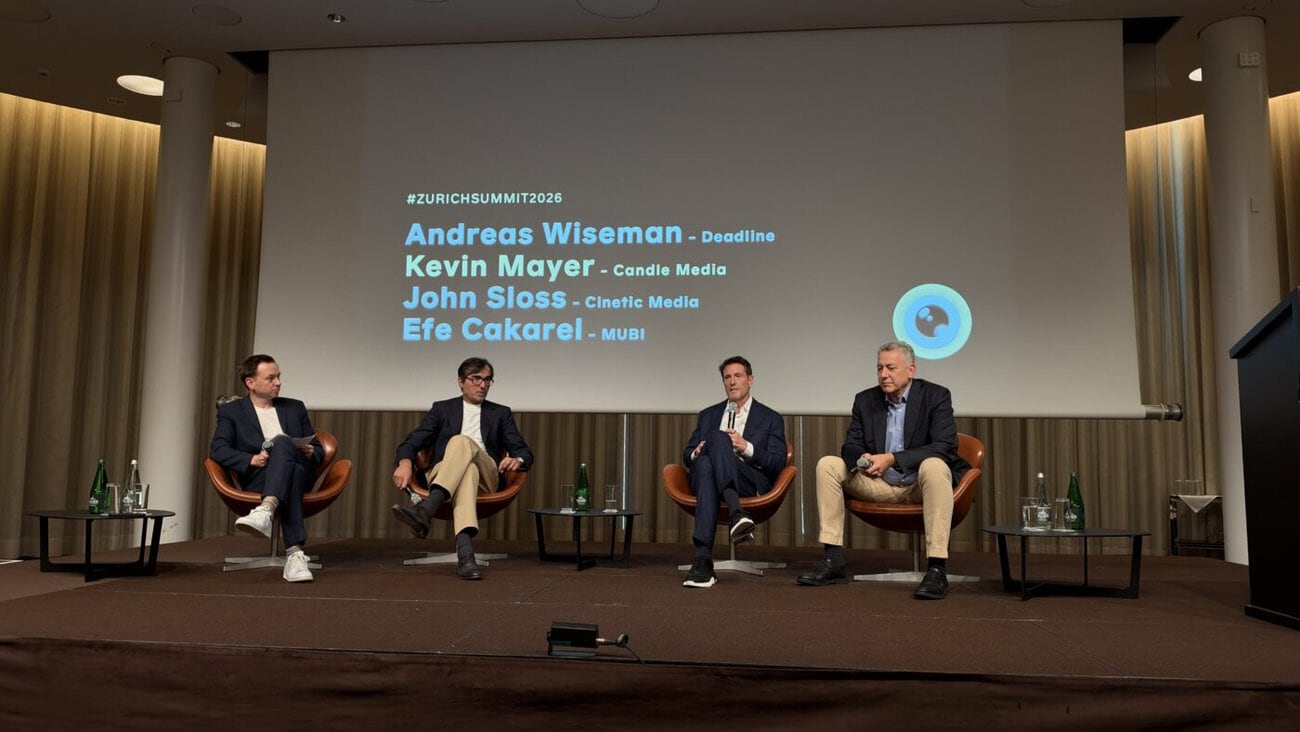
Dass diese Agilität Hand in Hand mit radikaler Kuratierung gehen muss, unterstrich MUBI-Gründer Efe Cakarel. In einer Welt, die von algorithmischem Fast-Food überflutet wird, setze MUBI bewusst auf das Gegenteil: Nicht Grösse um jeden Preis, sondern Haltung und Vertrauen. Hyperpersonalisierte Feeds böten zwar kurzfristige Befriedigung, schafften aber keine Kultur – denn Kultur brauche gemeinsame, geteilte Erlebnisse:
«Hyper-personalized entertainment gives you satisfaction, but cinema gives you something to talk about. Culture requires shared experiences.»
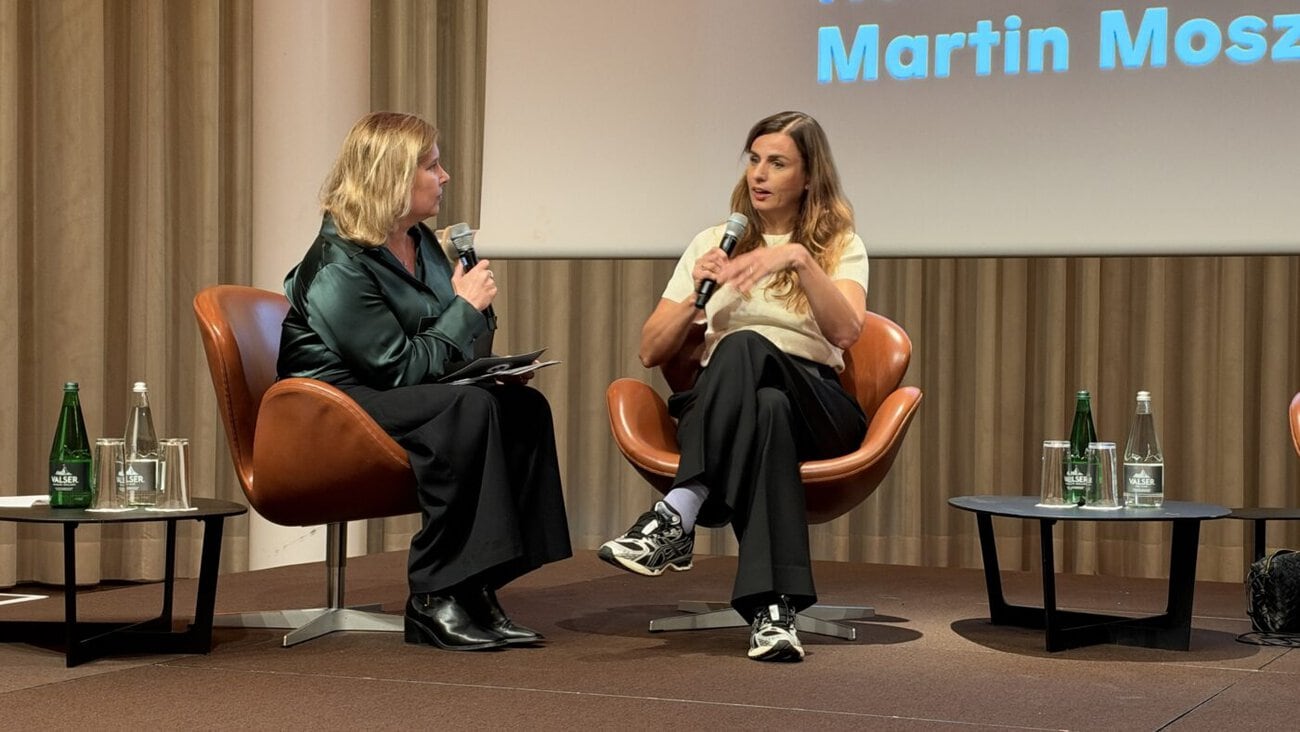
Wie dieser Spagat zwischen kultureller Identität und weltweitem Markterfolg ökonomisch gelingt, sezierte das hochkarätig besetzte Panel um die US-Agenturschwergewichte Roeg Sutherland (CAA Media Finance) und Rena Ronson (UTA Independent Film Group). Ihre Diagnose für den internationalen Markt ist unmissverständlich: Die Zeiten, in denen globale Streaming-Konzerne blind jeden Autorenfilm mit Blankoschecks subventionierten, sind endgültig vorbei. Dass die Rettung nicht im Weichspülen für ein diffuses Weltpublikum liegt, unterstrich Janine Jackowski (Komplizen Film): Gerade das radikal Lokale und Spezifische schlage die Brücke über Ländergrenzen hinweg – wer versuche, den US-Geschmack am Reissbrett zu kopieren, scheitere verlässlich. Dem pflichtete ZFF-Präsident und Produzent Martin Moszkowicz bei, der vor falscher Scheu vor dem Publikum warnte: Auf der Kinoleinwand zähle keine intellektuelle Bequemlichkeit, sondern die kompromisslose Kraft der Emotion.
In response to the looming sell-off to purely data-driven platforms, the European alliance «The Creatives»—which includes Jackowski’s Komplizen Film among its driving forces—has put forward a radically independent alternative model. Nine renowned European production companies are joining forces—not through an anonymous financial investor, but as a consortium that is 100 percent owned by the participating creatives. If Europe has lost the tech race against the U.S. and China, it must protect its cultural DNA all the more uncompromisingly:
«The only KPI for this company would be creativity.»
Dass Technologie zwar Budgets straffen, aber niemals ein Publikum herbeizaubern kann, untermauerte schliesslich John Sloss (Cinetic Media). Während Kameras, Software und Distributionswege austauschbar geworden sind, bleibt eine einzige Ressource das Mass aller Dinge: die menschliche Vorstellungskraft.
Act V: The Finale – The Law of Mastery
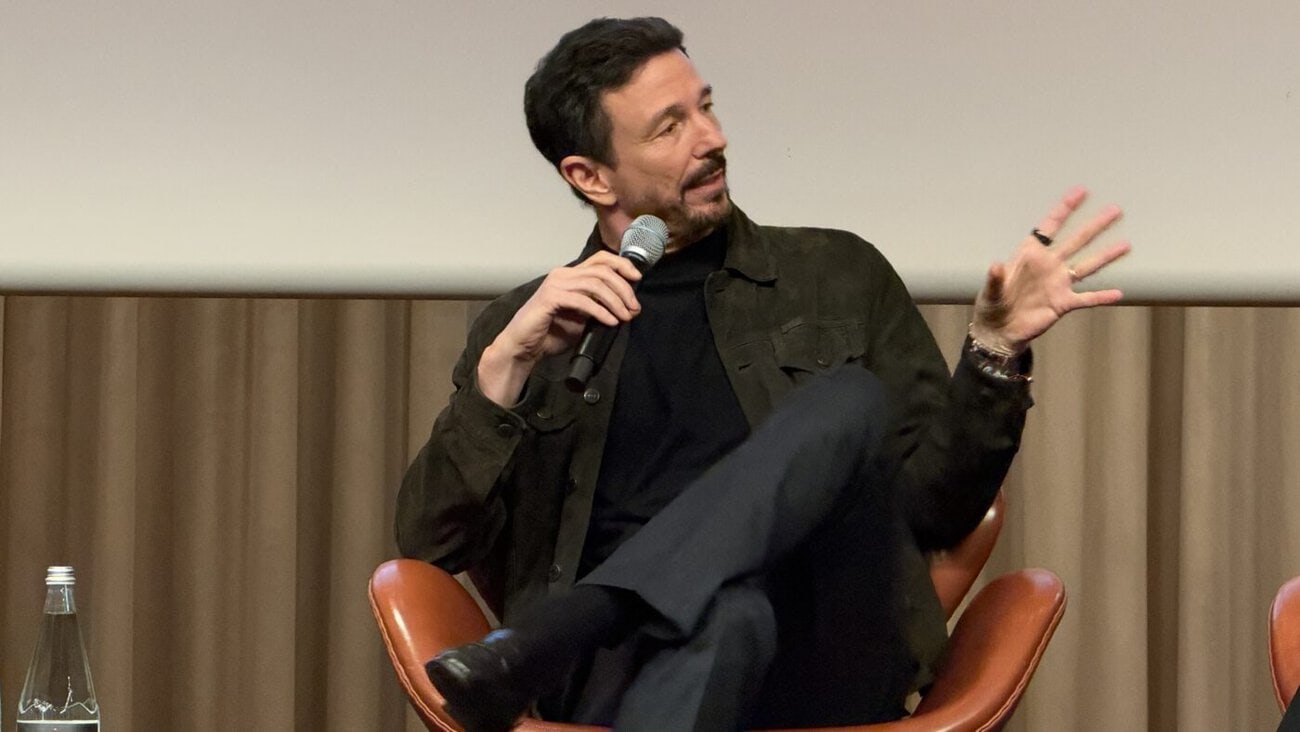
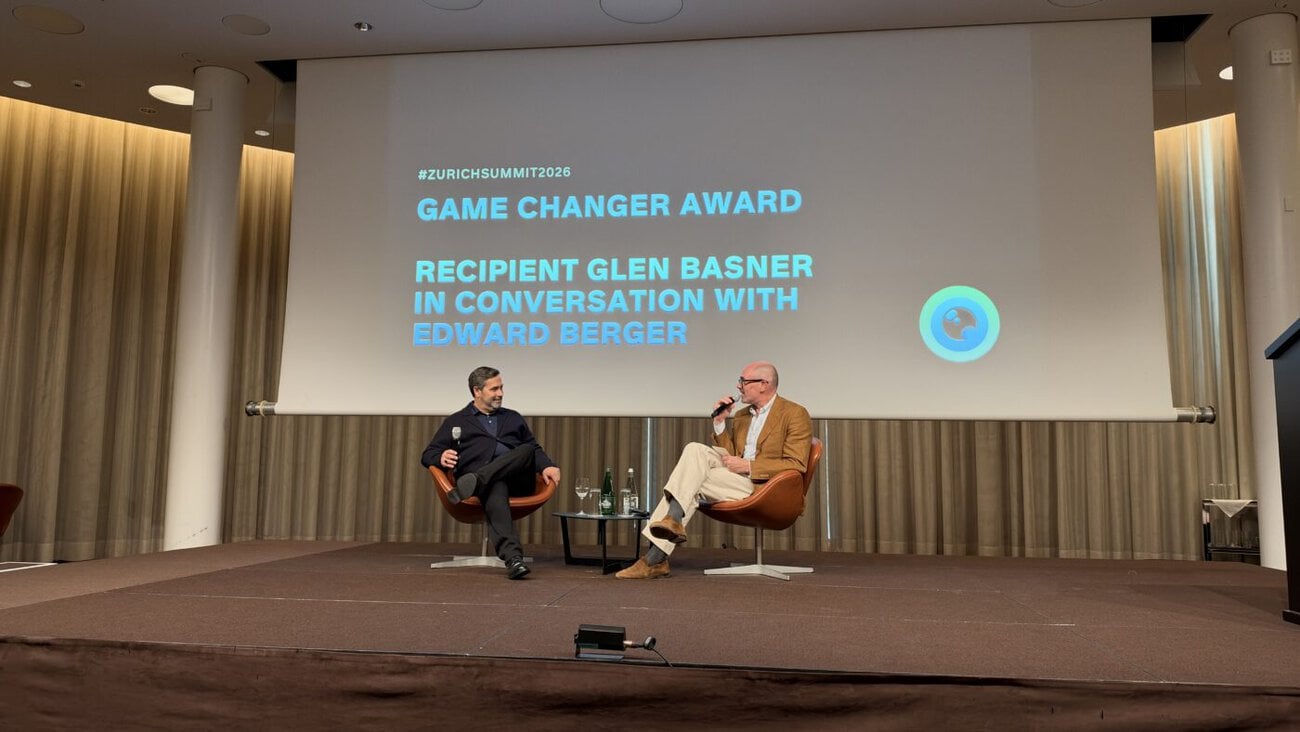
Im feierlichen Höhepunkt des Gipfels führten Oscar-Preisträger Edward Berger (Nothing new in the West, Conclave) und FilmNation-CEO Glen Basner vor Augen, worauf es abseits von Algorithmen und Finanzierungsmodellen ankommt. Berger described how Basner, during post-production of Conclave prevented me from rushing to write off the film after a series of solid test screenings. Instead, they invested the remainder of the budget in targeted reshoots to elevate the film from «pretty good» to masterclass status. Berger summed up the essence of this stance:
«You can always do better"."
Basner, in turn, summed up FilmNation's curation theory: It's not about what the market seems to be demanding in advance, but whether the creators' vision is compelling. His motto:
«We want to work on films that inspire us, and that we think we understand"."
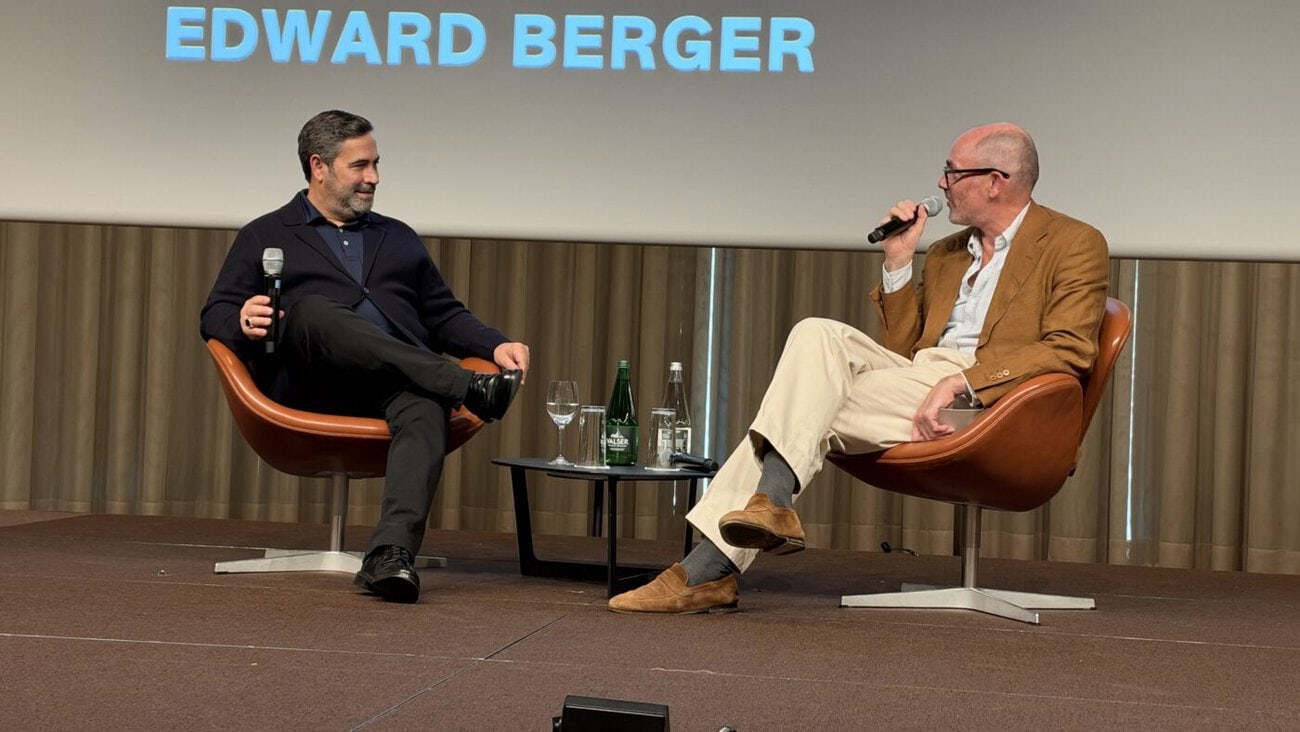
When that spark is ignited, the production budget no longer matters when it comes to the true value of the work. Basner has an unequivocal response for distributors who want to drive down the purchase price of a finished independent film because it was produced on a low budget:
«Fuck you, that's the movie's budget."."
Whether a story is viewed on a twenty-meter-wide movie screen or vertically on a smartphone is of secondary importance: It is not the screen that dictates the narrative; rather, the narrative carves its own path to the audience.
Passend zu diesem weltumspannenden Aufbruch kündigte Bill Kramer an, dass die Oscar-Verleihung ab 2029 weltweit und kostenlos auf YouTube in über 30 Sprachen gestreamt wird – Cinema’s most time-honored showcase opens itself unconditionally to our interconnected world.
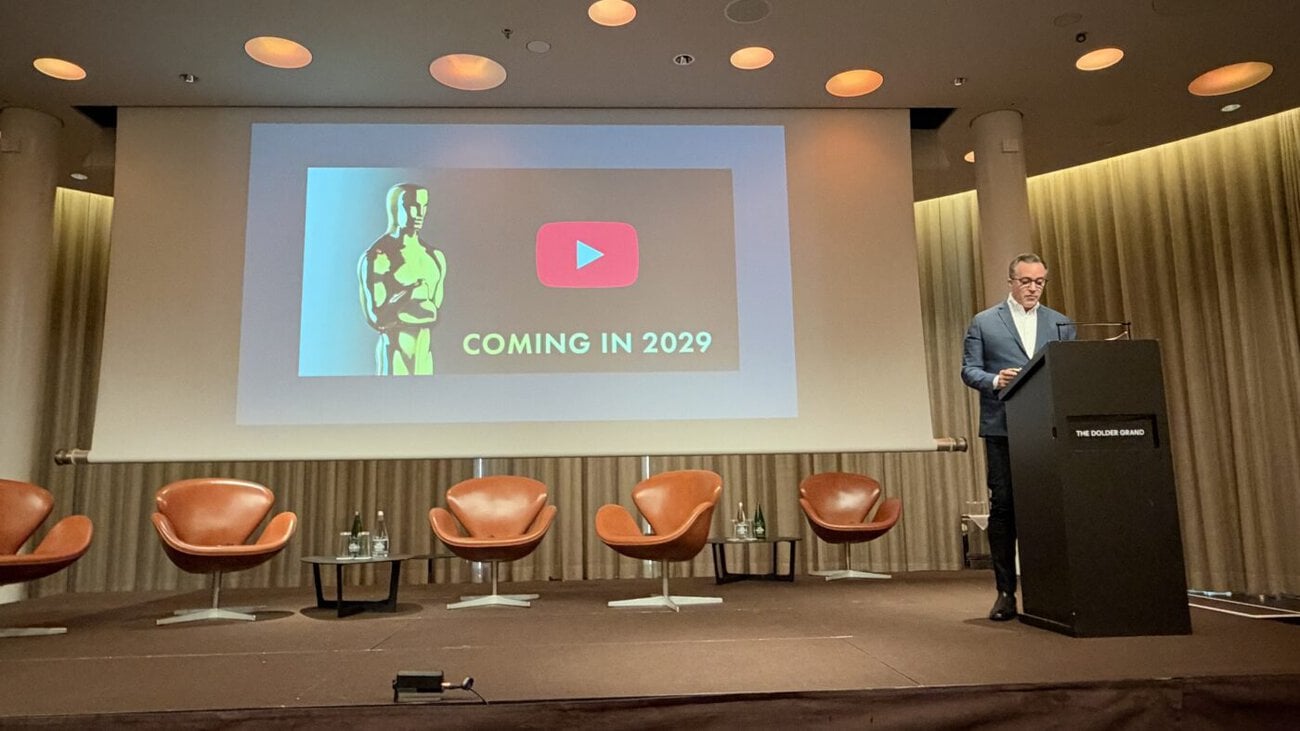
The message of the Zurich Summit 2026 is crystal clear: Technology democratizes the tools, platforms change the rules of the game, and the audience demands a say. Yet the fateful question of our time cannot be answered by code. Ob auf der grossen Leinwand oder im Werbespot:
Nur Geschichten, die uns im Innersten packen und die wir wahrhaftig verstehen, überdauern das Rauschen.
Und wer Menschen wirklich berühren will, muss den Mut haben, die Extrameile zu gehen. Man kann es immer noch besser machen…
m&k-Service: What the Advertising and Communications Industry Needs to Learn
The inspiration coming from the Dolder Grand extends far beyond the film industry—it serves as a strategic wake-up call for advertisers, marketing decision-makers, and brand storytellers:
-
From an advertising monologue to a radical community dialogue: Brands can no longer send one-way messages in a condescending manner. If you want to be relevant, you have to understand platforms, listen, and have the courage to let creators and fans adapt and remix your brand story.
-
Don't be afraid to be assertive and stand your ground: The assumption that modern audiences can be captivated solely by superficial, 3-second stimuli is misleading. The audience has developed a keen sense for algorithmic triviality. Substantive storytelling, originality, and reliability trump cookie-cutter, glossy campaigns. Noch entlafernder für aus der Zeit gefallenes Storytelling ist der Ritt auf Steretypen…
-
«Inspire us, and we must understand it» as a guiding principle: Glen Basner's principle is the best measure of quality for any concept. Löst die Kampagne eine echte Emotion à la Verdi aus? Is the emotional core understood right away?? Wenn dieses Fundament fehlt, verpufft auch der grösste Media-Spend erinnerungs-, belang- und wirkungslos.
-
The Artisan Ethos («You can always do better»): While generative tools produce designs, moods, and texts in record time, human judgment is becoming the key differentiator. The difference between run-of-the-mill mass advertising and outstanding creativity lies in the willingness to rethink a concept, refine the wording more precisely, and not declare the edit finished too soon.