"Equal pay is your beer too"
The Swiss Trade Union Federation (SGB) is launching a new campaign against wage discrimination against women. With the slogan «Equal pay is your business, too,» the campaign aims to raise awareness of the issue even among regulars at the local bar.


From today, a specially brewed equal pay beer will be sold in various restaurants and bars in the cities of Aarau, Basel, Bern, Geneva, Lausanne, Lucerne and Zurich, as representatives of the trade unions announced at a media conference on Wednesday.
Beer will also be served at events on the trade union day of action for equal pay tomorrow, June 14. The unions also want to be present in public places in cities throughout Switzerland at the start of the World Cup.
The equal pay beer is part of a campaign for equal pay and against discrimination that has been running since the beginning of the year. Together with a broad alliance of women's organizations, the SGB is also mobilizing for the national rally #enough18 "For equal pay and against discrimination" on 22 September in Bern.
Still large wage differences
Although the principle of equal pay has been enshrined in the constitution for 37 years, the difference between the average salaries of men and women in Switzerland is still 17 percent according to Eurostat, which is more than the EU average.
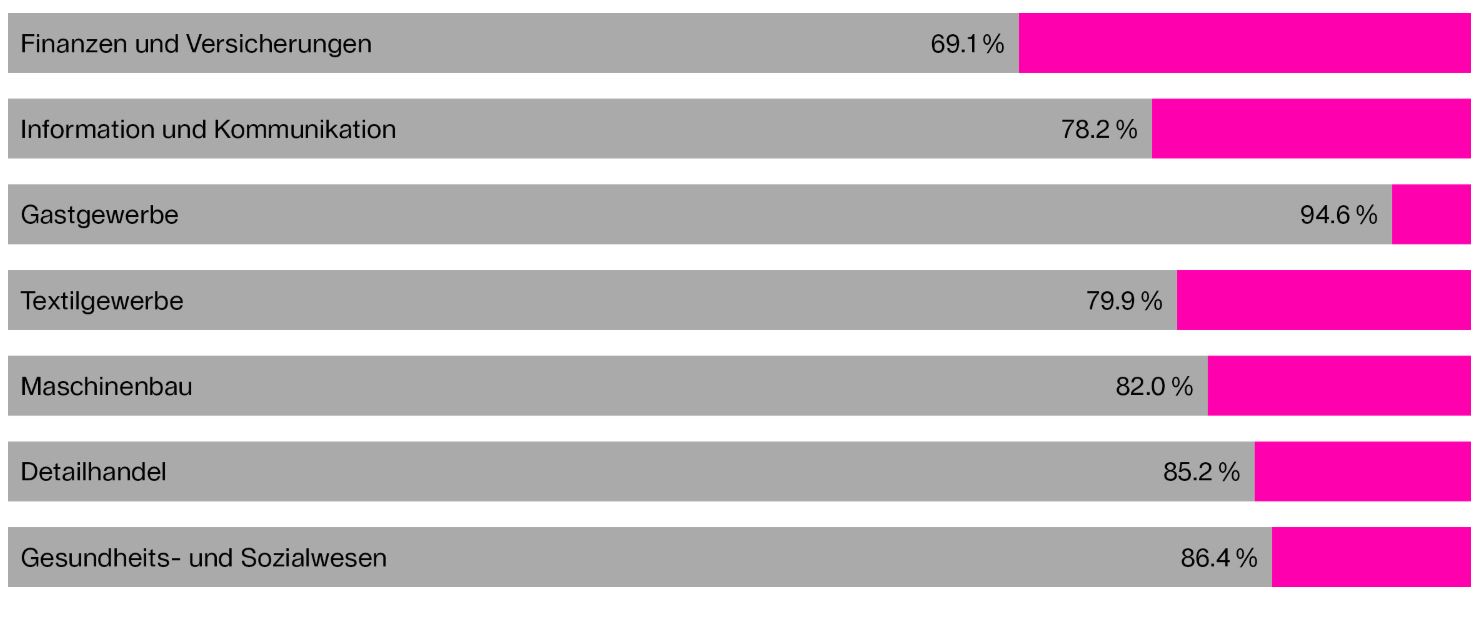
Around two-fifths of this wage difference could not be explained by objective factors such as different training, hierarchical levels and job profiles. Contrary to what employers have suddenly been saying again in recent years, this is simply wage discrimination.
A special analysis by the Bass office for the trade union Unia showed that every professional woman is cheated out of a full 303,000 francs in her working life. This is for the sole reason that she is a woman. Every working woman is deprived of 7,000 francs per year, and 590 francs per month.
In total, wage theft from working women in Switzerland amounts to almost ten billion francs a year. This is a scandal, because for women this not only means less income during their working life, but also significantly less pension in old age.
Minimal improvements in median wages
The situation has improved slightly in terms of median wages. According to figures from the Swiss Wage Structure Survey, the difference between the median wages of men and women in 2016 was twelve percent. This was 0.5 percentage points less than in 2014.
It is positive that the difference between men's and women's wages is decreasing, even if an improvement of only half a percentage point in the median every two years cannot close the gap within a reasonable period of time.
After 37 years of voluntary action, a clear obligation for employers must be enshrined in law. Clear provisions are needed that all companies must regularly check their wages for equal pay and adjust them accordingly. Defaulting companies would have to introduce high or deterrent fines. The bill passed by the Council of States falls far short of these requirements, the trade unionists criticized.
In order to prevent a "maternity penalty" on wages, framework conditions are needed that increase the acceptance of gainful employment for mothers and make it easier to reconcile family and career. It is particularly important to expand tax-funded supplementary childcare so that it is affordable for all families, is of high quality and offers good working conditions for childcare staff. (SDA)