Cannes Lions: How Nestlé's KitKat Cracked the Creative Code
While others were searching for the culprits, the KitKat team cracked the real code: the one for cultural relevance, earned media, and creative excellence. The PR Grand Prix for «The KitKat Heist» is more than just a success at Cannes. It demonstrates how Nestlé is advancing its creative agenda—and why the Swiss company is among the big winners at this year’s Cannes Lions.


«It wasn't me.»
With these four words, MrBeast posted on X. The world’s most famous YouTuber was responding to a chocolate theft that would soon become one of the most talked-about campaigns at this year’s Cannes Lions.

The story is also noteworthy from a Swiss perspective. After On had already caused a stir by winning a gold award for creativity, KitKat—a second brand with strong Swiss roots—has now made a big splash on the Croisette. The PR Grand Prix for «The KitKat Heist» demonstrates that Swiss companies rank among the world’s best not only in innovation and quality, but increasingly also in creative excellence.
What would have been a communications department’s nightmare for many companies turned out to be one of KitKat’s biggest creative successes at this year’s Cannes Lions. The «The KitKat Heist» campaign won the PR Grand Prix as well as four additional Gold Lions in the categories of PR Social Engagement, PR Real-Time Response, Social & Creator Real-Time Response, and Media Consumer Goods, along with four Silver Lions. The campaign’s haul was rounded out by two Bronze Lions for the «Little Breaks» campaign. «The KitKat Heist» is a case study that not only won over the jury but also offers a rare glimpse into the creative transformation of one of the world’s largest consumer goods companies.

A crisis becomes a cultural moment
Here’s what happened: One week before Easter—the most important sales period of the year for chocolate brands—more than 413,000 KitKat bars disappeared while being transported from Italy to Poland. Twelve metric tons of chocolate were stolen. For KitKat, this meant not only a significant loss of merchandise but also a potential crisis right before the peak of the season.
Instead of handling the incident as quietly as possible, KitKat decided to tell the story itself. With dry humor, the brand explained that the thieves had taken the famous slogan «Have a Break. Have a KitKat.» a little too literally and had taken a break themselves—with twelve metric tons of chocolate.

What followed was a chain reaction that went far beyond traditional crisis communication. The media picked up the story, social media users came up with their own theories, content creators produced material, and other brands joined the discussion. KitKat even created the «Stolen KitKat Tracker,» a tool that allowed consumers to check whether they might be holding one of the stolen bars. As a result, millions of observers became detectives.


The results are impressive: more than 2.2 million interactions with the tracker, over 6,500 media reports, approximately $224 million in earned media value, and over 70 billion social impressions worldwide—all with a zero media budget. At the same time, the campaign boosted Easter sales and strengthened the brand’s reputation.

«People needed a little lightheartedness»
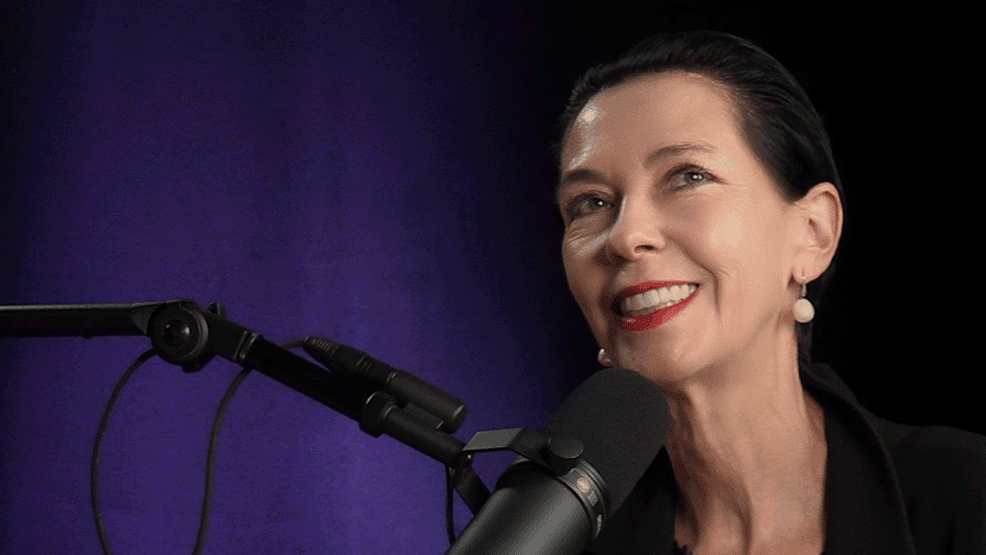
In an exclusive video call with m&k, Melanie Brinbaum explains that success isn't solely due to creativity or clever storytelling.
«I think they loved the humor and wit we brought to a time that’s causing a bit of anxiety. They wanted some lightheartedness and a real break from that anxiety.»
For Brinbaum, the campaign struck a chord with the spirit of the times. People are confronted with crises, uncertainty, and negative news on a daily basis. KitKat offered them something different, if only for a moment.
«We offered a moment of wit, fun, and conversation—a sense of togetherness, humor, and lightheartedness. I think this is what we all need right now.»
The campaign thus tapped directly into the brand’s core. For over 70 years, «Have a Break. Have a KitKat.» has stood for taking a little break from everyday life. With «The KitKat Heist,» this idea was adapted for the age of social media.
Brinbaum doesn't see this as a one-time success: «This isn’t just a one-off. That’s how the ‘Have a Break. Have a KitKat.’ campaign should be brought to life from now on.»
The Magic Behind What Seems Spontaneous
Seen from the outside, this case seems like a perfect example of real-time marketing. A crisis strikes, a brand reacts quickly, and scores a direct hit.
Brinbaum disagrees with this interpretation.
«Those things don't happen by accident.»
Behind the campaign was a small team made up of members from marketing, communications, and legal, as well as external partners. Decisions had to be made within a few days, while at the same time taking care not to jeopardize the ongoing police investigation.
«If you see an opportunity, don't rush into action. First, surround yourself with professionals who have the skills you lack.»
This case serves as a prime example of how successful real-time communication is rarely improvised. What appears to be spontaneous is often based on well-coordinated teams, clear processes, and mutual trust. It is precisely these conditions that Brinbaum identifies as key factors for success.

Creative Pulse Comes to Life
However, the true significance of «The KitKat Heist» extends far beyond its success at Cannes.
When m&k met with Brinbaum in Paris last fall, she spoke at length about «Creative Pulse,» Nestlé’s initiative to strengthen creativity. The goal is ambitious: By 2030, Nestlé aims to be among the world’s most creative companies and to be honored in Cannes as the «Cannes Lions Creative Marketer of the Year.» The company is making targeted investments in creative excellence, stronger brand platforms, and a culture that fosters bold ideas.

«The KitKat Heist» now seems to be the first major proof that this approach works.
In an interview with m&k, Brinbaum points out that the idea didn't come from a central creative department, but rather from individual employees who recognized an opportunity in an unexpected situation. After winning the Grand Prix, she wrote on LinkedIn:
«Great ideas can come from anywhere—any market, any function, any individual.»
Even more important, however, is the culture that allows for such ideas.
«Creativity only thrives where people feel emotionally safe to speak up, challenge, and build on each other’s ideas.»
In doing so, Brinbaum—who was nominated for «European CMO of the Year» in 2026—describes precisely the conditions that Creative Pulse is designed to foster: trust instead of hierarchy, collaboration instead of playing it safe, and courage instead of perfectionism.
«Be brave»
When asked about her message to the Nestlé team and the agencies involved, Brinbaum responds without hesitation in her m&k interview with Beat Hürlimann:
«Be brave.»
She does not see her role as CMO as coming up with the best ideas herself.
«My job is to foster an environment that encourages creativity—one of emotional safety, passion, and grit.»
People need to know that they are free to express their ideas. That they will receive support. And that someone will stand behind them when a bold idea becomes a real project.
Brinbaum is convinced that KitKat's success has also changed perceptions of Nestlé. Several agency partners told her in Cannes that the campaign had demonstrated the company's creative capabilities.
«This proved what Nestlé is capable of.»

Just the Beginning
The Grand Prix for «The KitKat Heist» may therefore signify more than just the culmination of an extraordinary campaign. It could be remembered as the moment when Nestlé’s creative agenda first came into view.
For Brinbaum, the journey is far from over. In our conversation, she already mentions upcoming campaigns for brands such as Nescafé and Maggi. The success of KitKat is not meant to stand alone, but rather to benefit the entire brand portfolio.
When m&k reminds her, as they wrap up, of the goal to make Nestlé one of the most creative companies in the world by 2030, she replies with a smile:
«Yes, I told you. And now we've done it, so I'm very happy. This is just the beginning.»
The real coup of «The KitKat Heist» was therefore not turning a chocolate theft into a PR success. The real coup was proving that a corporation like Nestlé can take creative risks without losing its scale and professionalism. That is precisely where the true significance of this Cannes success lies—and perhaps the beginning of an even bigger chapter.
When m&k Brinbaum first heard about Creative Pulse in Paris, the goal of making Nestlé one of the world’s most creative companies by 2030 still sounded like an ambitious vision. Today, it seems much more within reach.
And from a Swiss perspective, the story takes on an additional dimension. Following On’s Gold win, KitKat is the second brand with strong Swiss roots to demonstrate at Cannes just how creative, bold, and culturally relevant Swiss brand management can be. The Grand Prix for «The KitKat Heist» therefore not only adds to Nestlé’s creative track record but also to that of a country that has long been known for precision and quality and is increasingly recognized for creative excellence.
The Team Behind Creative Code
The PR Grand Prix for «The KitKat Heist» is the result of a close collaboration between Nestlé, VML, and Burson. On the client side, the campaign was driven by Mélanie Brinbaum, Chief Marketing Officer Europe, together with Business Lead Rouven Lochmüller, Head of Marketing Wael Jabi, Global Digital Manager Vincent Vuadens, Social Manager Amy Anscomb, Lucy Thomas, Product Designer Antonio Mellado San Gabino, and spokesperson Chiara Valsangiacomo. Together, they created the blend of speed, transparency, and brand-appropriate humor that took the campaign far beyond traditional crisis communication.

VML UK handled the creative development. The work was overseen by Chief Creative Officers Debbi Vandeven, Rafael Pitanguy, Bas Korsten, Jaime Mandelbaum, and Ryan McManus. Executive Creative Director Sanjiv Mistry and Creative Director Christopher Joyce, among others, also played key roles. Burson handled the communications and PR efforts, with contributions from Creative Director Greg Double, Associate Director Fiona Baird, and Gabi Hunt, among others.
What’s remarkable isn’t so much the number of people involved as their collaboration. As Mélanie Brinbaum emphasized in an interview with m&k, «The KitKat Heist» didn’t arise from spontaneous improvisation, but rather from a small, high-impact team comprising members from marketing, communications, legal, and agency partners. It was precisely this combination of creative excellence, strategic leadership, and interdisciplinary collaboration that made the chocolate heist one of the most talked-about cases at this year’s Cannes Lions.