Zurich Summit at the ZFF: How TikTok Is Reinventing Cinema
The Zurich Summit at the Grand Hotel Dolder provided a prime example of how the digital cultural shift is transforming the film industry: TikTok is no longer merely an advertising tool; rather, as a collective space for resonance, it is driving the discovery of feature films—and filling theaters with a new generation of film enthusiasts.


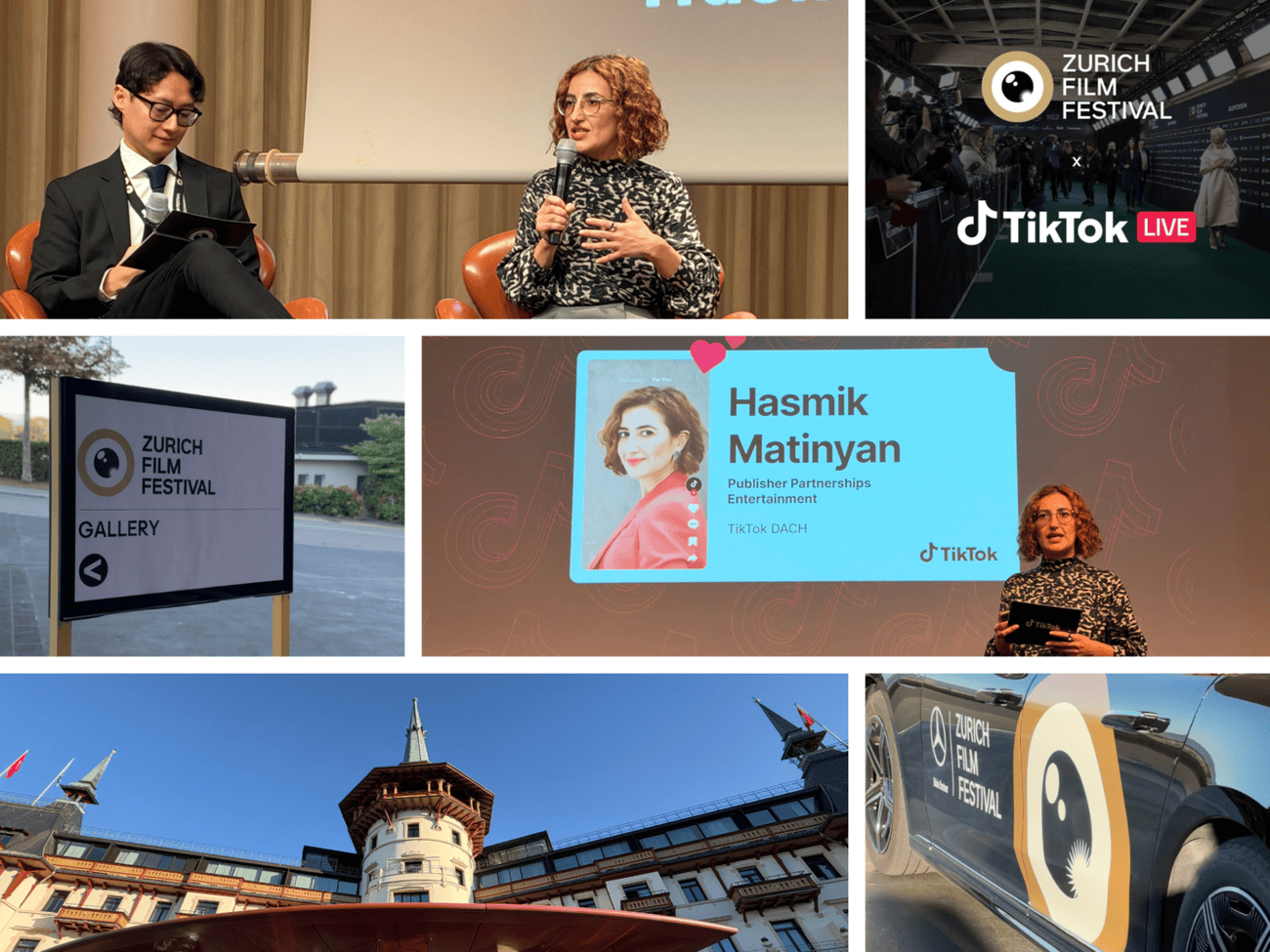
When, on a late summer day, the global film and entertainment elite gathers high above Zurich at the Grand Hotel Dolder, two worlds that actually belong together collide: the classic craft of big-screen storytelling and the fast-paced dynamics of social media platforms. As part of the Zurich Summit at the Zurich Film Festival, a fundamental shift was discussed: How is the media consumption behavior of young target audiences changing—and how can we inspire a new generation to embrace the cinema experience?
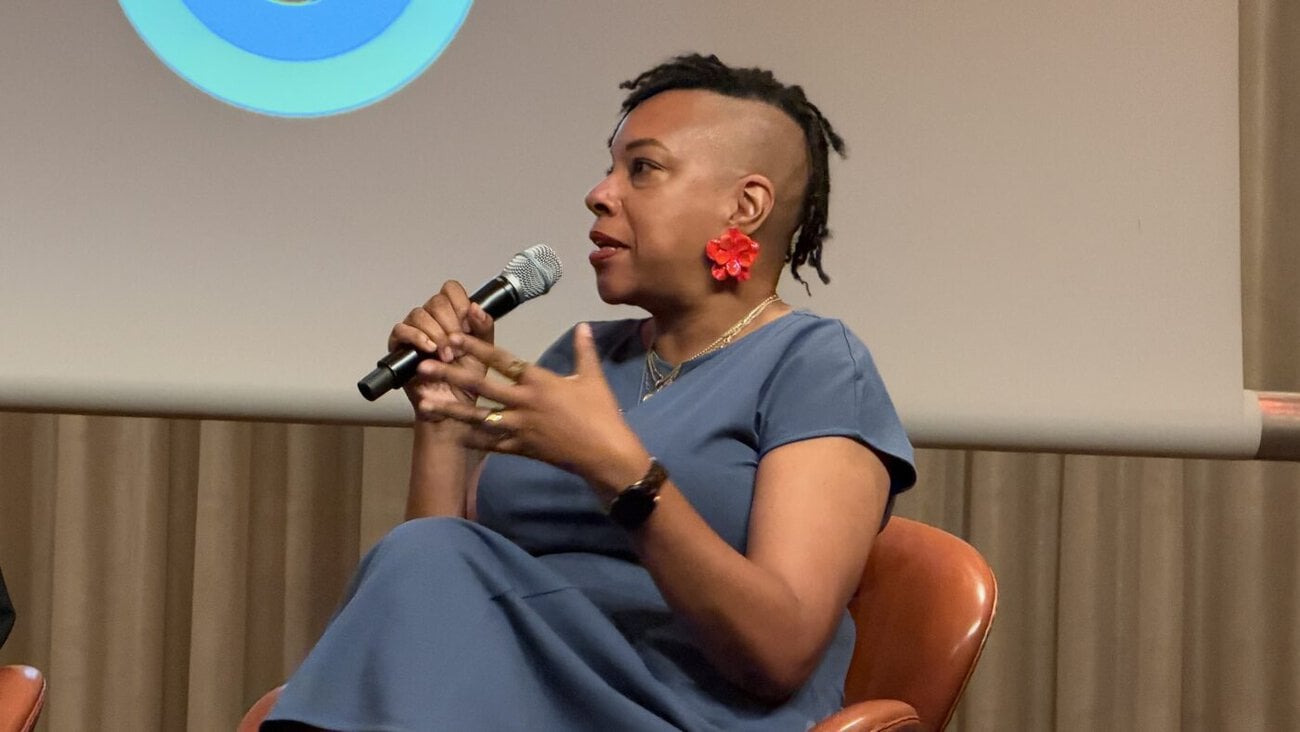
Hasmik Matinyan, Publisher Manager for Entertainment DACH at TikTok, kicked things off, with an overview of platform culture. In the discussion that followed—moderated by Don Macanlalay (Senior Social Media Director, The Film Zone) and featuring a star-studded cast, including Oliver Berben (CEO of Constantin Film), Linda Fiolka (Head of Marketing at Constantin Film), Julie La’Bassiere (Chief Strategy Officer, DDA) and Matinyan himself – It was about much more than traditional marketing campaigns: It was about the democratization of film culture.
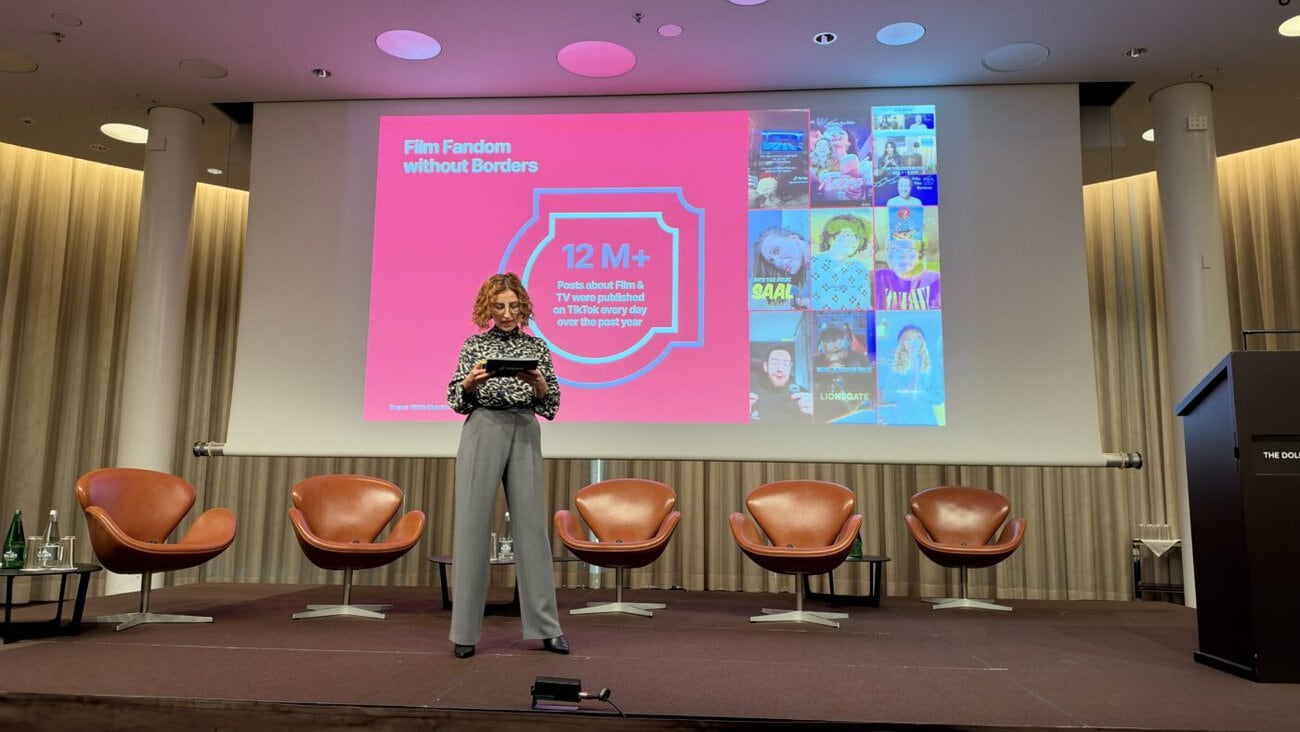
The New Word of Mouth: 12 Million Posts a Day
The figures Matinyan presented underscore the extent of this shift: More than 12 million posts related to film and TV are published on TikTok every day worldwide – a figure that has doubled compared to last year.
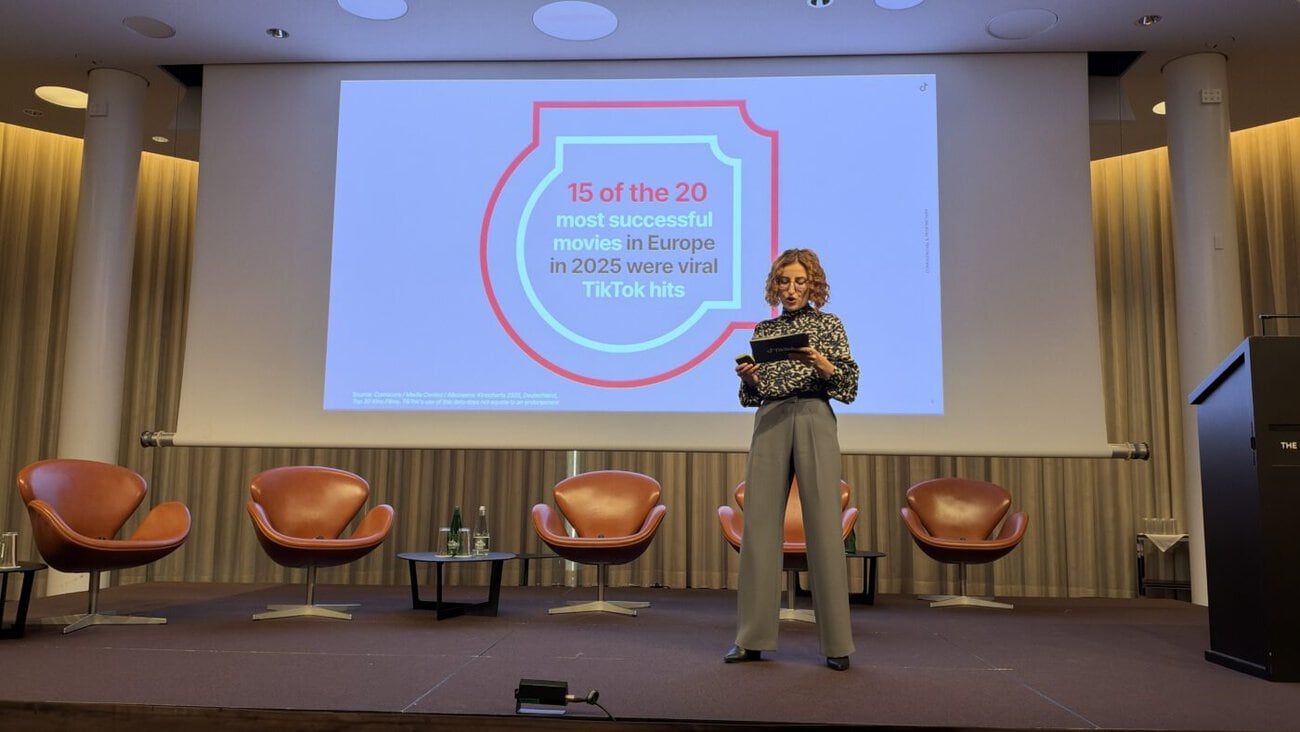
In 2025, 15 of the top 20 movie releases in Europe were viral hits on TikTok, averaging 14 million views. TikTok no longer functions merely as a passive media platform but as a global discovery engine. 40 percent of users say they discover movies on the platform that they would never have heard of otherwise. One in five users begins a specific search within 30 seconds of opening the app. The hashtag #WhatToWatch now has over seven million posts.
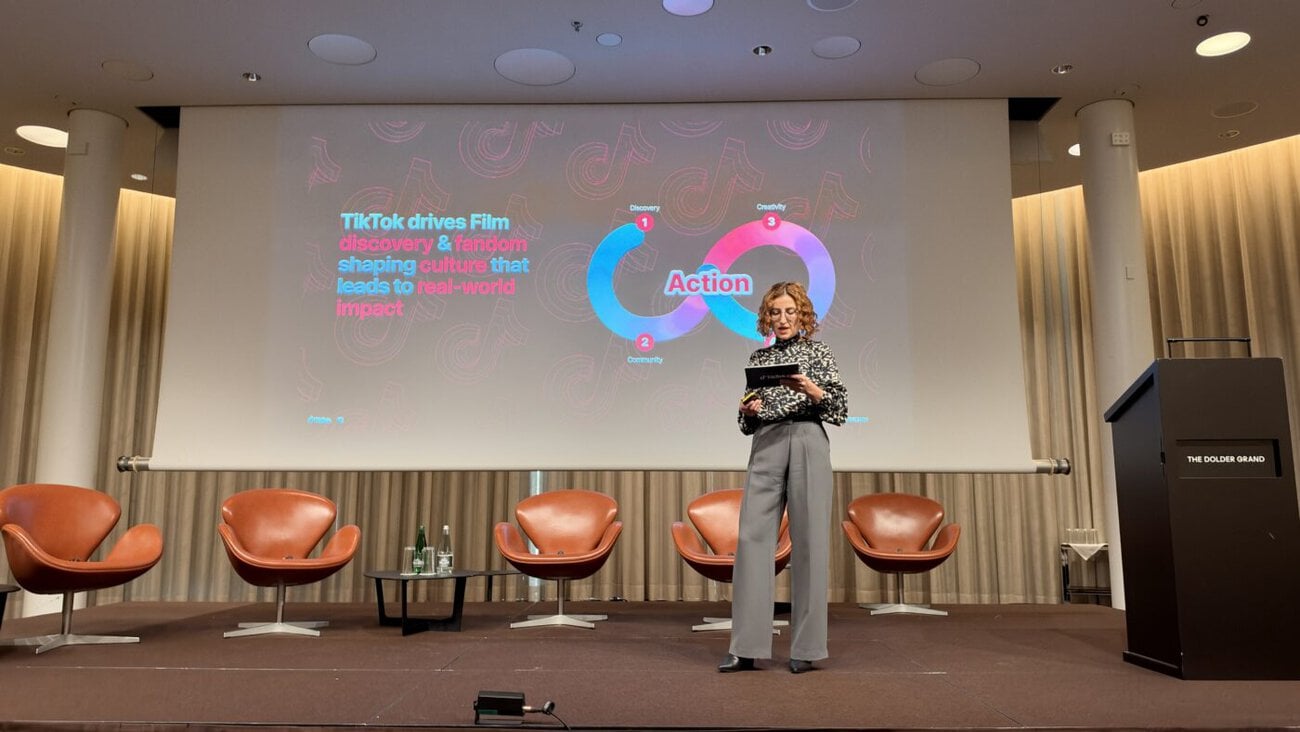
The key trend: Over 90 percent of content related to movies and TV shows does not come from official publisher accounts, but directly from the community and creators. 83 percent of users find this user-generated content authentic, and 57 percent find it more entertaining than traditional formats. Creators are thus the film industry's modern, most powerful form of word-of-mouth advertising.. Hasmik Matinyan summed it up this way in her keynote address:
«These are not passive spectators or viewers, but active co-creators who truly shape film culture on TikTok—and it goes beyond that..."."
Box Office Proof: «Backrooms» and the Power of Teasers
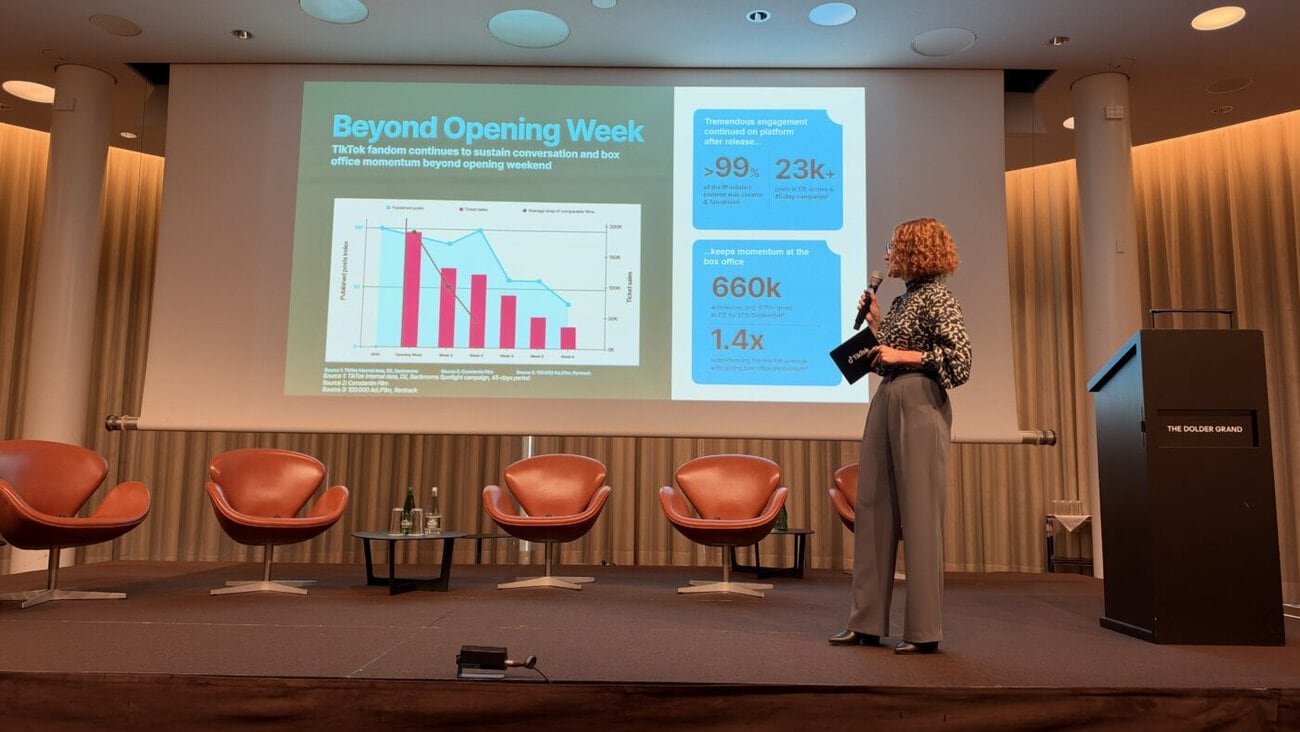
Matinyan illustrated how viral enthusiasm translates directly into box office ticket sales using the example of the mystery-horror hit Backrooms. Constantin Film was the first German production company to fully adopt the solution TikTok Spotlight, with the movies embedded directly in the app—including ticket purchases and background information.
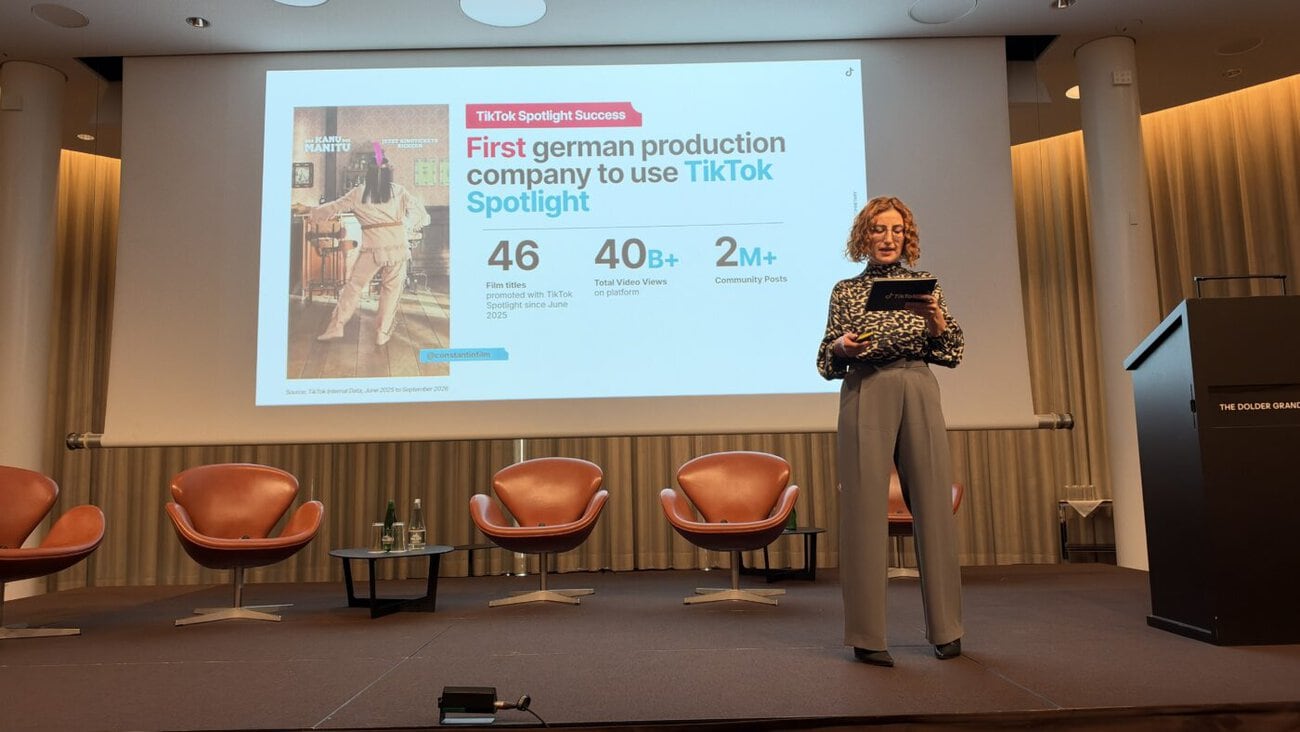
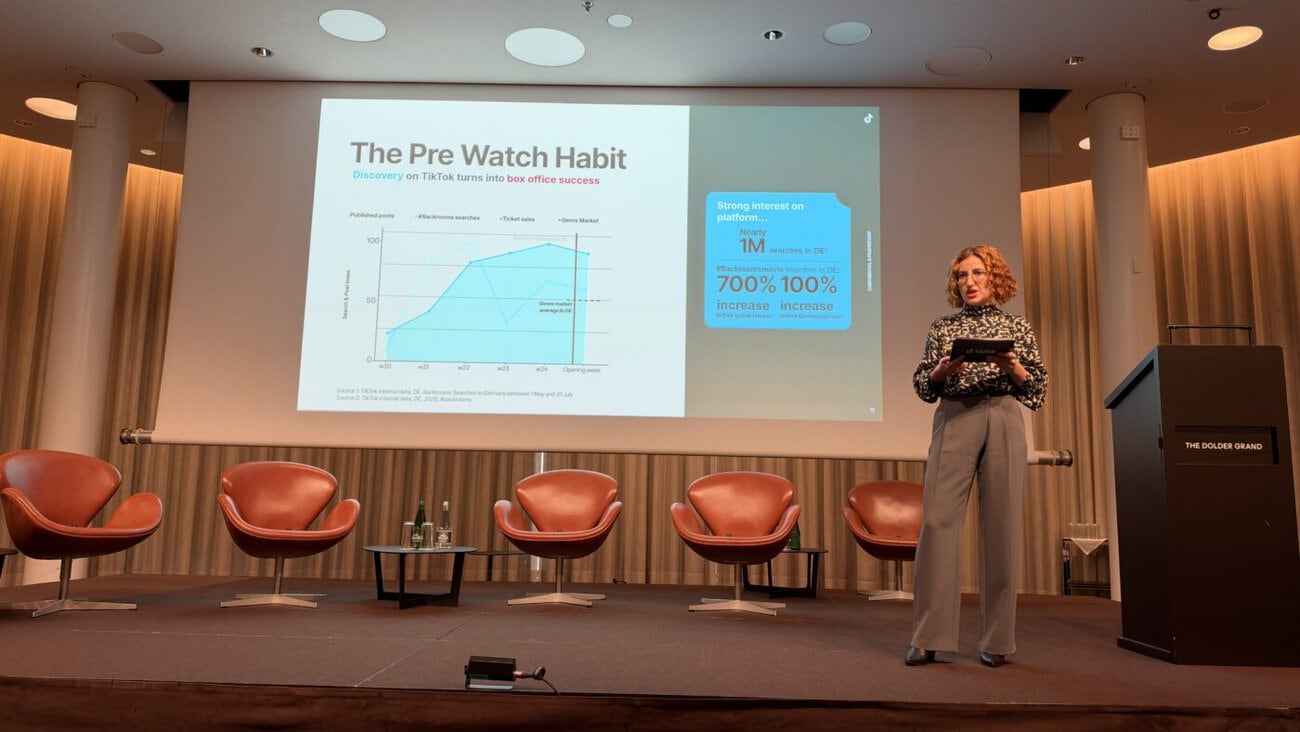
At Backrooms Search interest skyrocketed well before the movie's actual theatrical release:
-
Searches for the hashtag
#BackroomsMovierose by 700 percent ahead of the global launch in the U.S. in May. -
Before the movie's theatrical release in Germany in June, they increased by another 100 percent; between May and July alone, nearly one million movie-related search queries were recorded in Germany.
-
The campaign generated over 23,000 posts—99 percent of which came directly from the fan community.
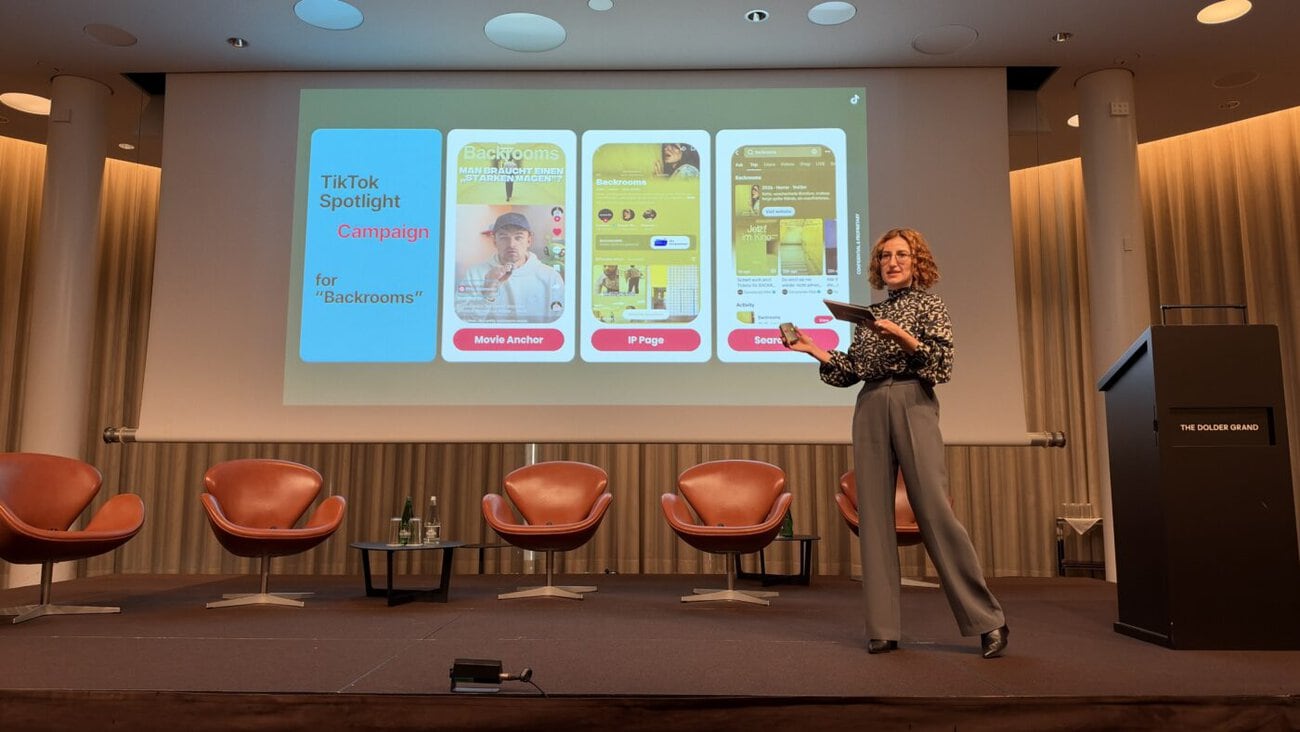
According to internal analyses by Constantin Film, TikTok proved to be the strongest single driver of movie theater attendance—far ahead of billboards, traditional movie theater advertising, or recommendations from friends. One in three moviegoers said they went to the movies because of TikTok; among younger audiences, that influence was actually twice as high. Even weeks after its theatrical release, the conversation continued on the TikTok movie charts.
The Panel Discussion: Relinquish Control, Gain Relevance
During the panel discussion moderated by Don Macanlalay, Don illustrated his point using Resident Evil and the phenomenon Backrooms, just how much fans themselves continue to expand on narrative universes today. Constantin CEO Oliver Berben summed up the challenge facing traditional film studios: In the past, the guiding principle had been to strictly maintain control over one's own material. Today, we have to let go:
«To spark that viral effect, you have to relinquish control over parts of the content. That's a huge shift for the studios."."
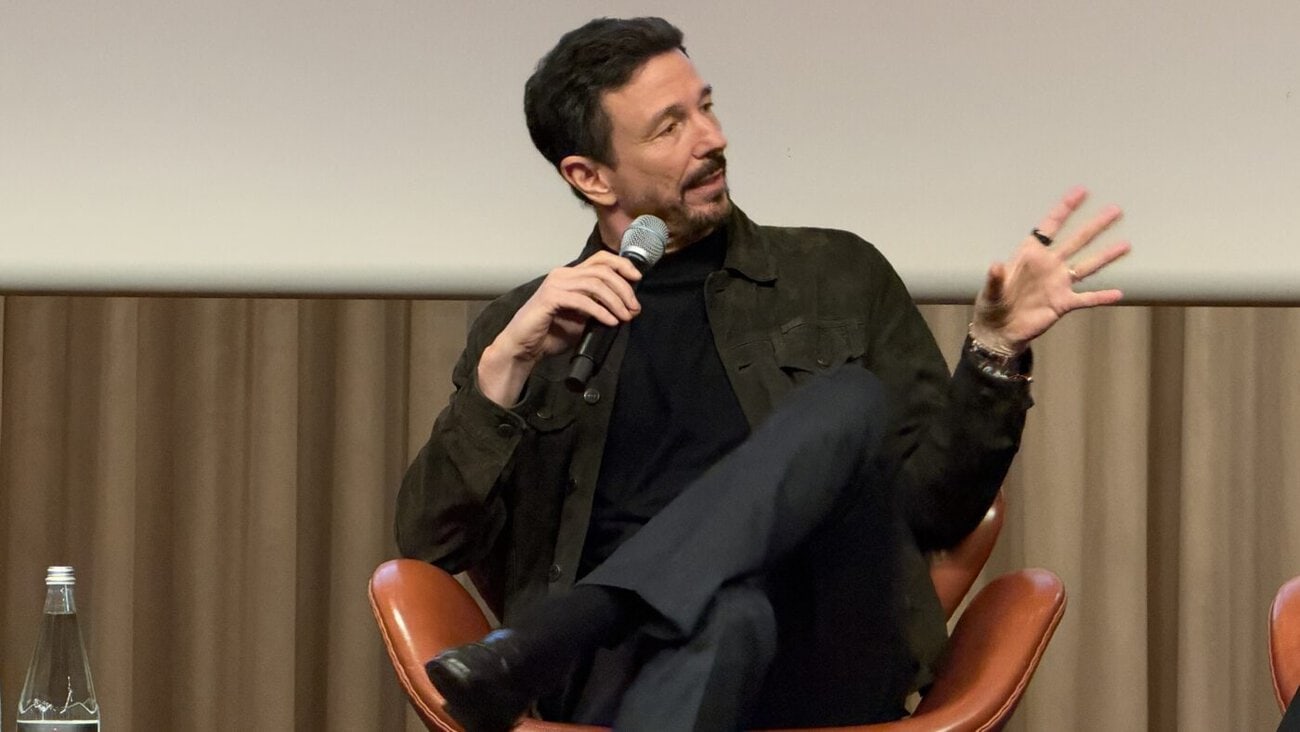
For Berben, social media is two things: on the one hand, a marketing platform and, on the other, a modern water cooler where people exchange ideas; on the other hand, a creative hub for new material and talent. At the same time, he warned against a naive "one-size-fits-all" approach: having millions of followers on YouTube or TikTok by no means guarantees a successful feature film. What matters is not just reach, but the true depth of engagement.
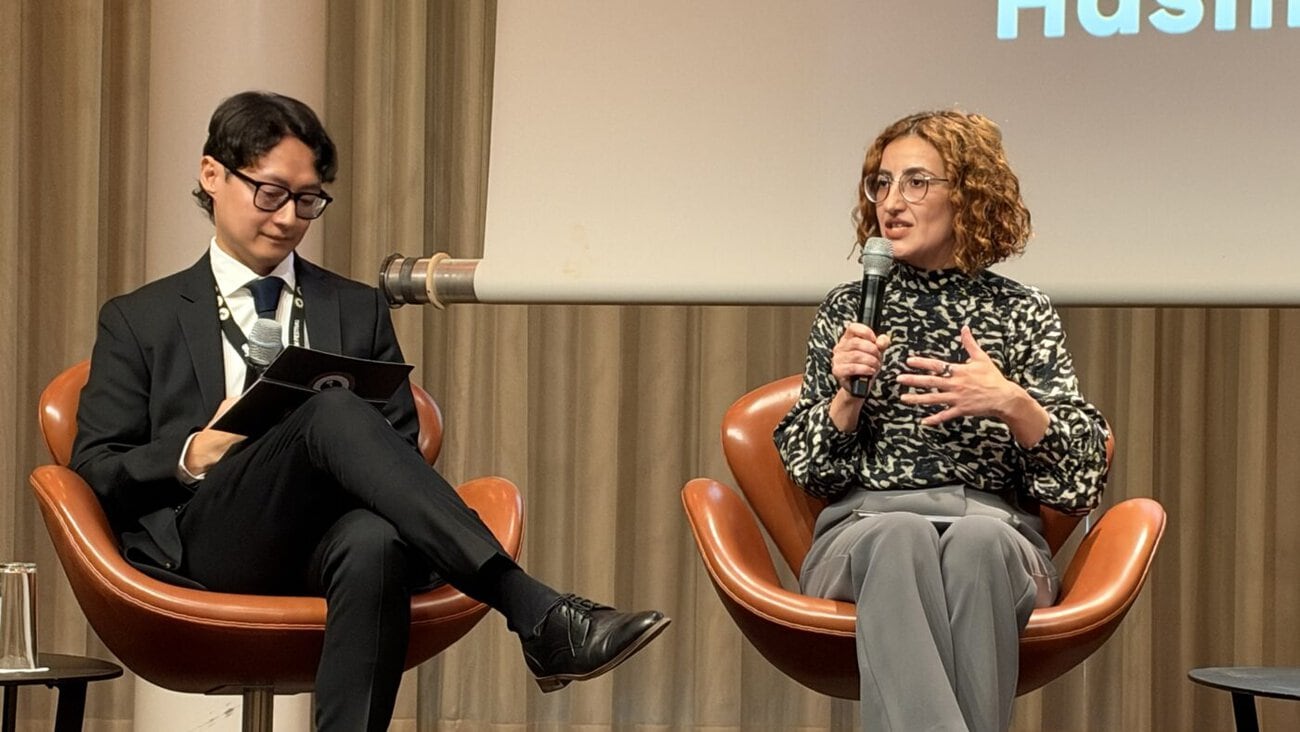
Linda Fiolka emphasized how crucial a shift in perspective is for distributors: Film marketing must no longer treat the audience as passive recipients, but must instead view fans and creators as creative partners.. Communities uncover nuances in stories that marketing departments often wouldn't even think of—and in doing so, create tailored relevance within their respective niches.
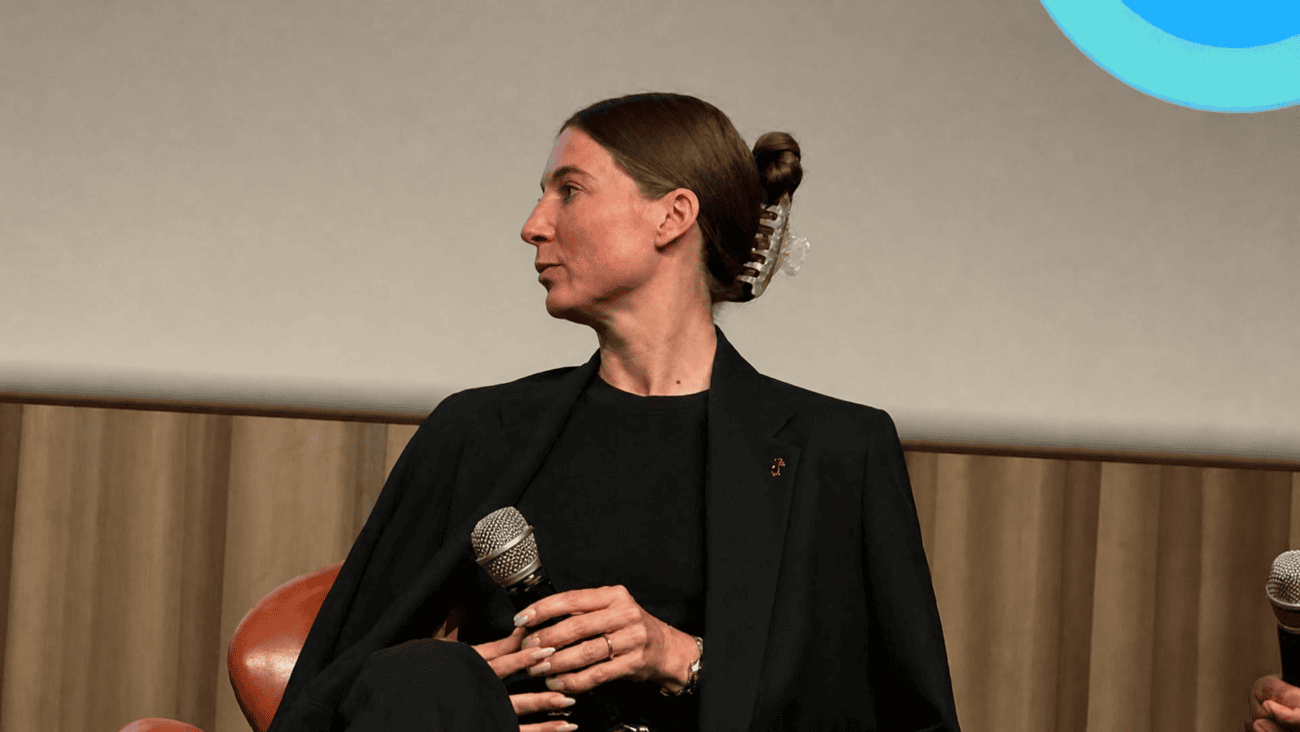
Julie La’Bassiere (DDA) pointed out the broader implications of this trend: social media storytelling should not be limited to horror titles or classic genre films. Phenomena like #BookTok prove that even sophisticated dramas and literary adaptations can be sustained by passionate online communities. The involvement of talent and content creators must begin as early as the script development stage and on set, not just two weeks before the movie's theatrical release.
Democratized Cinema
How can we rekindle the younger generation's enthusiasm for the magic of the movie theater? The unanimous answer at the Dolder panel was: through authenticity and radical listening.. Gen Z doesn't want to be told by committees made up of people over 60 what they should watch. She wants stories that reflect her own reality, told by voices she trusts.
TikTok doesn't take audiences away from the movie theater; rather, it widens the funnel: By involving fans in the creative journey from the very beginning, a sense of connection is created that makes the transition from the smartphone screen to the movie theater seat feel completely natural..
About the Zurich Summit: Where the Future of Entertainment Is Discussed
The Zurich Summit at the Grand Hotel Dolder is the economic and strategic centerpiece of the Zurich Film Festival. Every year in late September, this high-profile boutique conference brings together leading producers, studio executives, financiers, tech pioneers, and creative professionals from around the world high above the rooftops of Zurich. In a confidential, exclusive setting, participants discuss the tectonic shifts in the global entertainment industry —from new financing and distribution models to artificial intelligence and social media ecosystems, all the way to the question of how the cinematic experience maintains its social and cultural relevance in the age of digital fragmentation.
A Partnership with a Future: TikTok as the Festival's Official Partner
Through the partnership between TikTok and the Zurich Film Festival (ZFF), this long-standing film event is reaching out even further to the mobile generation:
-
Exclusive Access: TikTok is partnering with the ZFF to provide official content, creator activations, and livestreams directly from the Green Carpet at Sechseläutenplatz.
-
Creative Collaboration: Film-loving creators (#FilmTok) gain access to premieres and industry talks, bringing the festival atmosphere and excitement for cinema directly to the feeds of millions of young film enthusiasts.
-
Relevance to the screen: This partnership serves as a prime example of how modern cultural institutions and global entertainment platforms are working together to generate new momentum and sustainably strengthen the public’s fascination with cinema..