The Next Normal
For a year now, COVID-19 has dominated our lives. Will we soon be able to meet up with friends, eat out, fly off on vacation, and hug each other again without worry? Trend researcher Karin Frick on the “new normal.”.


Normal is what is taken for granted, what you don’t have to think about, what everyone does, and what goes unnoticed. What is considered normal also depends on the context. Flying on a plane to go on vacation was an exclusive experience 60 years ago; today, it is taken for granted by citizens of wealthy countries. Until the early 1990s, smoking was allowed on airplanes; today, that’s unthinkable.
Habits change very slowly; people tend to stick to what they’ve always done. It usually takes a generation or longer for new behaviors to become established in society—for example, the acceptance of same-sex marriage. But in an emergency, people are adaptable and change their behavior more quickly.
The COVID-19 pandemic is the greatest crisis since World War II. It has made normal life and work impossible around the world almost overnight and forced us to fundamentally change our behavior. How will this affect everyday life after the pandemic? What social shifts are taking place? There are no clear-cut answers to these questions.
We have examined which social trends the pandemic has reinforced and which it has tended to weaken. The following comparisons show how the balance of power is shifting, which developments are benefiting, and which are losing out.
Closeness – Distance
In recent years, the trend has been toward densification: high-rises instead of single-family homes, city centers instead of suburban sprawl, and microliving instead of penthouses. Ecological and economic considerations dictate that more people live together in smaller spaces.
But the pandemic has made physical proximity a risk, and the virus is forcing us to keep our distance. As a result, preferences are shifting: Instead of seeking out social contact, people are trying to avoid it and are increasingly choosing places to live, work, and shop that are located in less densely populated areas away from metropolitan centers.
Public Space – Private Space
When access to public spaces is restricted, social life shifts to private spaces, where people mainly interact with those like themselves. This reduces opportunities to encounter people from other social groups and increases polarization between different groups. Who has access to which spaces depends, on the one hand, on social connections and, on the other hand, increasingly on an individual’s health status—no entry without vaccination.
Outdoors – indoors
During the COVID-19 crisis, our homes have become the center of our lives—a place where we spend 24 hours a day, almost without interruption. Working, studying, shopping, and exercising now increasingly take place within our own four walls, where we feel safe and comfortable. A growing number of delivery services and new digital offerings ensure that we lack for nothing and hardly ever have to leave home. We are evolving into an “indoor species” that spends less and less time outdoors and minimizes direct contact with the outside world. When people go out less and spend less time away from home, everything that happens indoors becomes more important, and as a result, more time, attention, and money are invested in larger homes, indoor activities, home entertainment, and home furnishings.
Public Transportation – Private Vehicle
In recent years, most mobility providers have shifted their strategic focus from transportation to smart services. «Use instead of own» was the motto. Now, the pandemic has dampened enthusiasm for sharing and swapping. Those who want to protect themselves from infection prefer their own cars to public transportation, and those who flee the city for the countryside and want to remain fully mobile often have no other choice.
In local transportation, the bicycle—with or without an electric motor—is the winner of the crisis because it represents an environmentally friendly, safe, and healthy way to get around.
High-Touch – Contactless
Until now, the sensory experience has been considered the key advantage of brick-and-mortar retail, but during the pandemic, people don’t want to touch anything that others might have already touched: no hands, no door handles, no push buttons, no cash, no touchscreens. As a result, interest is growing in new technologies that allow for touch-free interaction. Examples include contactless payment, robots that deliver goods, doors that identify residents via facial recognition, and smart voice assistants like Amazon’s Alexa. As we practice social distancing, our relationship with machines is becoming more intimate, since they can now see and hear us and better decipher our emotions.
But even as machines become more empathetic, the need for hugs will remain. We’ll want to shake hands, cuddle, and kiss again once the pandemic is over, but we’ll be more cautious and take better precautions. Many people are more sensitive to touch, and cases of hypersensitivity and intolerance are on the rise.
«The poor and vulnerable are suffering more from the health and economic consequences of the COVID-19 crisis.»

Just in Time – Emergency Supply
Consumers have grown accustomed to being able to get whatever they want, anytime, anywhere, and immediately. Then the pandemic disrupted global supply chains, leading to shortages of goods, empty shelves, and an uncertain supply situation. Under these circumstances, many consumers and producers no longer want to rely on the global exchange of goods returning to smooth, real-time operation anytime soon, and are starting to restock their inventories and seek out local producers. As confidence in global supply chains wanes, inventory management and local value chains are regaining importance. Consumer patriotism is on the rise; those who have a choice are more likely to opt for domestic products and are also willing to pay more for them.
Experience – Care
In recent years, we’ve been spending relatively less and less on physical goods and more on experiences—entertainment, travel, art, and wellness. During the pandemic, basic necessities suddenly came back into focus: staple foods, cleaning supplies, hygiene products, and protective equipment. Everyday essentials, comfortable clothes for working from home instead of fashionable outfits for the next party. This temporary break from consumerism has left its mark; many have realized that you can be happy with less—shoes, handbags, designer clothes. Many have resolved to consume less and more mindfully in the future as well. But there are also others who are making up for lost time and want to treat themselves «now more than ever» to all the luxuries they had to do without during the pandemic.
«When optimism is lacking, the willingness to take risks and act entrepreneurially also declines, and a focus on security takes center stage.»
Freedom – Security
The pandemic has shaken confidence in progress and the belief that the business and political sectors will soon find a way out of the crisis. Even if we succeed in ending the pandemic through vaccination, uncertainty remains high. Fear of loss, mistrust, conspiracy theories, social fragmentation, struggles over resource distribution, and generational conflicts are weighing on the collective mood. And when optimism is lacking, the willingness to take risks and act entrepreneurially also declines. Safety takes center stage, freedom of movement is restricted, and anyone who wants to travel, attend events, or go to the gym will increasingly need a health pass.
Conversely, we’ve also gained new freedoms. Anyone with a computer and an internet connection can work, study, and shop from anywhere, regardless of where they live. Without a commute, there’s more time for other things—family, friends, sports, gardening, everything we enjoy doing or haven’t had enough time for until now. The physical world has become smaller, but the possibilities in the digital realm have expanded; it has become richer, more diverse, and is constantly improving. So much so that future generations will hardly be able to distinguish between physical and virtual reality. They will move effortlessly between multiple realities.
What the “new normal” will look like depends not only on the success of the vaccination campaign, but above all on socioeconomic status. The poor and vulnerable are suffering more from the health and economic consequences of the COVID-19 crisis and need more time to recover. The disparities and lack of understanding between the winners and losers are growing, and with them, social tensions. This fuels fear and intensifies the sense of threat that shapes the new normal for the rich and the poor alike.

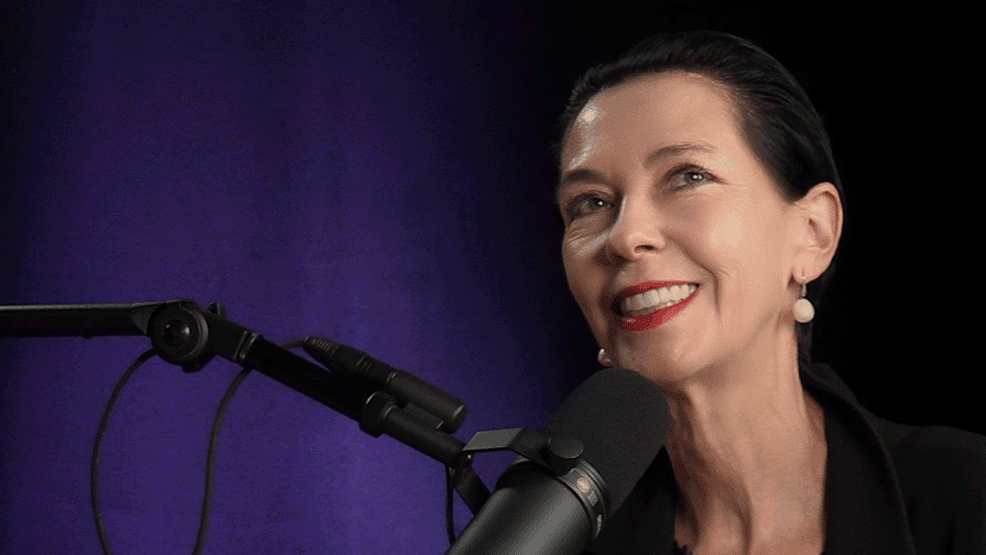
Karin Frick She is the Head of Research and a member of the Executive Board at the Gottlieb Duttweiler Institute in Rüschlikon. As an economist, she analyzes trends and countertrends in the economy, society, and consumer behavior, and regularly speaks on these topics at conferences and conventions.
This text was first published in the SWA Annual Report.