The plastic and glass paradox

In a report, Publicis Groupe Switzerland, the University of St. Gallen, and Grownate AG show that customers and companies rarely see eye to eye on the issue of sustainability. We spoke with two of the report’s authors.

Bild: unsplash.com / Ave Calvar.
(Image: Unsplash.com / Ave Calvar)

m&k: Alexander Haldemann, in August you presented your «Scopes Report» to the media and the public. What were the initial reactions?

Dr. Alexander Haldemann: There were companies that reached out to us because they ranked at the top of the perceived sustainability rankings. They were, of course, happy and positive. But we were also contacted by some clients and non-clients of our agency group who ranked lower on the perceived sustainability list. They said, «That’s remarkable. We’d like to understand why.» In this way, the report fulfills a purpose we defined from the outset: to narrow the gap between companies’ sustainability activities and consumers’ perceptions. In short—we’re really pleased with the initial reactions.


You hinted at it yourself: «Scopes» does not evaluate what Swiss companies are actually doing in the area of sustainability—rather, it focuses on how the public perceives these companies. And it asks company executives what challenges they face in communicating their sustainability efforts.

Exactly. I’m convinced that sustainable business practices are the major challenge of our time. Only when consumers understand companies« efforts in this area can they make informed—that is, sustainable—decisions. Clear communication helps consumers choose the »right” brands—but to communicate clearly, you first have to understand what people want to hear.

«I am convinced that sustainable business practices are the greatest challenge of our time.»


What have you found out about this?

A major issue on the minds of the Swiss is recycling. For people in our country, recycling is a practical way of protecting the environment in their daily lives. For example, I have a colleague who returned to Switzerland after twenty years in Australia and told me how much he was looking forward to finally sorting his trash again (laughs). The origin of a product—we like to refer to «Swissness» in professional communication—is also associated with sustainability by consumers. And, this particularly surprised me: It’s by no means the case that only younger consumers evaluate companies based on perceived sustainability. Rather, it is older people in particular who give this topic serious thought—who consider what kind of world they’re leaving behind for their children and grandchildren and how their consumption habits help shape that world. Companies can use all these insights to tailor their communication to their customers’ interests.


What’s interesting is that, in some cases, there is a huge discrepancy between companies’ actual sustainability efforts and how the public perceives them. Nestlé, for example, has been deeply committed to sustainability for years and can prove it. Nevertheless, the participants in your study perceive Nestlé as not very sustainable.

Prof. Judith Walls: In fact, Nestlé is one of the companies that, according to our study, is not perceived as very sustainable. However, when you look at Nestlé’s specific sustainability efforts, it becomes clear that they are further along in this area than many other companies. This illustrates the gap between brand perception and corporate reality that Alexander mentioned earlier.


What might be the reasons for this gap?

The example of Nestlé highlights several aspects that also apply more generally to how companies are perceived in terms of sustainability. For instance, a company’s past plays a role. We all know that Nestlé has been involved in activities that have severely damaged its reputation. The same applies to public statements made by company representatives. A damaged reputation is very difficult to repair. At the same time, consumers unfortunately know less about actual sustainability efforts than many companies believe or would like them to. Here’s an example: During the energy crisis at the start of the war in Ukraine, many companies received angry calls and letters because they were allegedly leaving the lights on too long. People noticed this during their evening walks. The companies then responded by turning off the lights earlier, even though they say: «The savings are actually marginal; the lighting was already as efficient as possible before we turned off the lights an hour earlier.» As you can see, consumers judge things from a first-person perspective; they weigh emotions more heavily than facts.


That reminds me of another example: In the public eye, glass tends to be seen as a good choice for packaging, while plastic is seen as a bad one. But it's not that simple, is it?

No, it’s not that simple. This highlights the role that media coverage plays in shaping consumer perceptions: We all keep reading articles about how bad plastic is—and, of course, the material has numerous drawbacks. But to give a concrete example: This afternoon, I’m taking my students on a field trip to Coca-Cola. While preparing for the trip, I had the opportunity to review the company’s internal life-cycle assessments of various types of packaging. It’s very interesting to see just how detailed the trade-offs are that Coca-Cola has to make between glass and plastic packaging. How thin can a glass bottle be so that it doesn’t break during transport, yet still allows as many bottles as possible to fit into a truck to reduce transport emissions per bottle? If you use plastic, it might be easier to transport, but that brings other problems, such as recycling. And those are just two factors—there are dozens more. In the end, consumers only see the product—not why it was packaged and designed the way it is when it hits the shelves. Somehow, that has to be distilled into a simple slogan—luckily, that’s not my job, but Alexander’s (laughs). AH I just thought of a great headline for our conversation: The Plastic-Glass Paradox (laughs). By the way, I’m not entirely blameless when it comes to the perception of glass as good and plastic as bad: At our agency events, our credo used to be that we’d use only glass bottles. I now know that PET bottles can be a more sustainable solution. Making that switch internally is one thing—but packaging it into a clear and effective marketing message for the agency group’s clients—that’s the real challenge.

«Consumers place greater weight on emotions than on facts.»


This is a challenge that companies themselves are also aware of. For «Scopes,» you examined not only consumer perceptions but also the internal perspective of the companies, speaking with their sustainability managers. What insights did you gain from that?

First of all, the challenges in sustainability communication vary greatly from company to company. We’ve already discussed consumer perception—that is, the B2C component. For companies, however, there’s also the B2B component, where communication needs are completely different and different rules apply. Depending on which group is the focus, companies must tailor their communication of sustainability efforts differently to their buyers and suppliers. Furthermore, there is another challenge: Who actually communicates what a company is doing in terms of sustainability? It is rare to find «all-rounders» who, as sustainability experts, also possess professional communication skills—or vice versa. Communication professionals are often generalists. On top of that, different people are involved in various aspects of sustainability throughout the value chain: someone from the legal department, from the innovation division, from operations, and so on. Everyone has different content to communicate. On top of that, the messaging must be tailored differently for B2B or B2C audiences. As you can see, this is highly complex.

«A carefully thought-out simplification doesn't pose a risk of a social media backlash.»


What can communications agencies do to mitigate this complexity?

Haldemann: I am firmly convinced that our primary mission is an educational one. We need to explain to companies what consumers want to hear—and then show them how they can simplify the complexity of their sustainability efforts in their communications. Of course, I don’t want to take away anyone’s scientifically and legally sound sustainability report—but we need to be clear: That’s a document for B2B partners, not for end customers. The latter want «infotainment»; they want easily accessible insights into the sustainability of a brand or a company. Whenever I say this, I repeatedly hear corporate executives express concerns about greenwashing. Along the lines of: «If we don’t provide enough detail, people will end up holding that against us and we’ll run into huge problems.» But fear is a poor guide, and a carefully crafted simplification doesn’t pose a risk of a social media backlash. Not communicating at all—that’s the much bigger problem. JW And maybe—every now and then—we could make the complexity itself the topic of discussion? Maybe we could also just talk about the fact that, when it comes to some sustainability issues—going back to glass and plastic—there’s no one-size-fits-all solution, but rather that decisions have to be made on a case-by-case basis? Maybe we could also tell people that we’re working on better packaging; that we’re continuously investing in development, but that research takes time? As a consumer, I’d much rather hear something like that than hear nothing at all.

«Maybe—every now and then—we can make complexity itself the subject?»


About the people

Dr. Alexander Haldemann is CEO of Publicis Groupe Switzerland and co-initiator of the «Scopes Report.» He also serves as global chairman of the branding agency MetaDesign and is a lecturer at the University of St. Gallen (HSG).

Prof. Judith Walls is a professor and holds the Chair in Sustainability Management; she is also the director of the Institute for Economics and Ecology (IWÖ) and the delegate for Responsibility & Sustainability at the University of St. Gallen (HSG).


About the study

«Scopes – The Swiss Consumer Perception of Sustainability» is a joint report by Publicis Groupe Switzerland, Grownate AG, and two academic institutes: the Institute for Marketing and Customer Insight and the Institute for Economics and Ecology at the University of St. Gallen (HSG). Together, they examined the state of sustainability communication in Switzerland—analyzing both consumer perceptions and the internal perspectives of companies. More information is available here.


Sustainable advertising

Delivering 1,000 programmatically served ad impressions consumes the same amount of energy as one load of laundry. An average online campaign emits about five metric tons of CO2.

Bild: unsplash.com
Image: unsplash.com

Given the growing awareness of the climate crisis and the impact of the internet and digital advertising in society and our industry, it is more important than ever for advertisers to take responsibility and not ignore the environmental aspect of an advertising campaign. Integrating sustainability into the evaluation and strategy of programmatic advertising campaigns offers companies and brands the opportunity to position themselves in a responsible and future-oriented way. Compared to other industries, there are easy and quick measures that can be implemented to drastically reduce CO2 emissions. In addition, sustainable advertising is not only environmentally friendly, but also more efficient and can improve the performance of an advertising campaign.

Supply Path Optimization

In order to implement such strategies in a meaningful way, it is essential to calculate the CO2 emissions generated by a programmatic campaign through accurate and relevant measurement.

Before an ad impression lands in front of the user's eyes, it passes through a complex supply chain of data centers and networks, at whose numerous stops energy is always consumed and thus CO2 is released. Only around 20 percent of the carbon emissions caused by an ad impression come from the user or their device. The majority of emissions result from an overcrowded supply path that a programmatic ad impression passes through during its life cycle. Supply Path Optimization (SPO) has been praised for some time for its effect on campaign performance and is now likely to become even more important due to the ecological aspect. Other important factors in the measurement of CO2 emissions are media distribution (CMS, CDN and hosting factors) and creative distribution (data transfer).

Taking this wide range of factors into account, various benchmarks for CO2 emissions in the advertising industry have recently been developed. As there is (as yet) no standardized methodology for measuring these emissions, it is all the more important that the choice of measurement solutions used is based on sound science. Drop8 relies on benchmarks determined by Scope3 in collaboration with Ebiquity and BiScience. According to this, a single display impression emits an average of 0.67g of CO2 (the global average is 0.52g, taking into account regional differences and a deliberately conservative approach, Drop8 uses slightly higher values). To standardize this information with generally accepted industry figures, Drop8 uses the new metric gCO2pm - for display this means 670 grams of CO2 (and equivalent greenhouse gases) emitted per 1000 impressions. Such benchmarks and others make it possible to calculate the carbon footprint that a campaign will generate for all campaigns - whether online, PDOOH or audio. This in turn makes it possible to calculate a monetary value to compensate for the emissions generated.

"Sustainability should not be seen as an obstacle to the pursuit of efficiency in advertising."

However, measuring emissions is only the first step. Only by reducing these emissions through each individual advertising campaign can we strive for a more sustainable future. There are very effective and quickly implementable measures that should be considered in every programmatically implemented online campaign.

Weeding out data waste websites

A large number of resellers and ad bombardments are signs of so-called made-for-advertising (MFA) websites. A high advertising density, clickbait content and high inbound traffic are not only detrimental to the efficiency of the purchased advertising, but also generate a significantly higher CO2 footprint. By using custom allowlists and specific blocklists, such websites can and should be avoided in every campaign. Domain-level measurement data or solutions such as Scope3's ClimateShield Targeting can also help.

Focus on green media

In return, high-quality advertising environments should be a priority in the campaign strategy. Fewer resellers and a shorter supply path lead to lower CO2 emissions. Of course, this should not be at the expense of campaign performance - but many studies show a correlation between performance benefits and a lower carbon footprint anyway.

Streaming instead of downloading

Major players such as Netflix are already relying on more energy-efficient adaptive streaming. This involves splitting a video into small data packets and streaming it instead of downloading it completely before playing it. This technology is not yet widely used in advertising, but it is implemented in the same way: Instead of downloading sometimes several MBs of data, adaptive streaming technology can avoid unnecessary data transmission, resulting in savings in CO2 emissions. The best thing about it: immediate ad views without loading times lead not only to an improved user experience but also to an uplift in campaign performance.

Bild: unsplash.com
(Image: Unsplash.com)

Quality before quantity

Effective advertising is advertising that reaches the right target group and is also perceived by them. Much more important than the craze for reach and high volumes is the qualitative visual contact of each individual ad impression. The verification of trustworthy and transparent data providers is just as important as the measurement of quantitative KPIs such as visibility and attention.

Sustainability as an opportunity

Progress in the ability to measure the impact of programmatic advertising on the environment is encouraging. Increasingly accurate and reliable emissions data provides a solid foundation for the shift towards greater sustainability in the digital advertising industry. Ultimately, however, it is the decisions and investments in favor of more environmentally friendly advertising campaigns that will drive the necessary change. Sustainability should not be seen as an obstacle to the pursuit of efficiency in advertising, but as an opportunity to shape a long-term and future-oriented advertising industry.


* Fabrice LaliveDirector Innovation & Technology, is responsible for sustainability at Drop8.

"We must act"

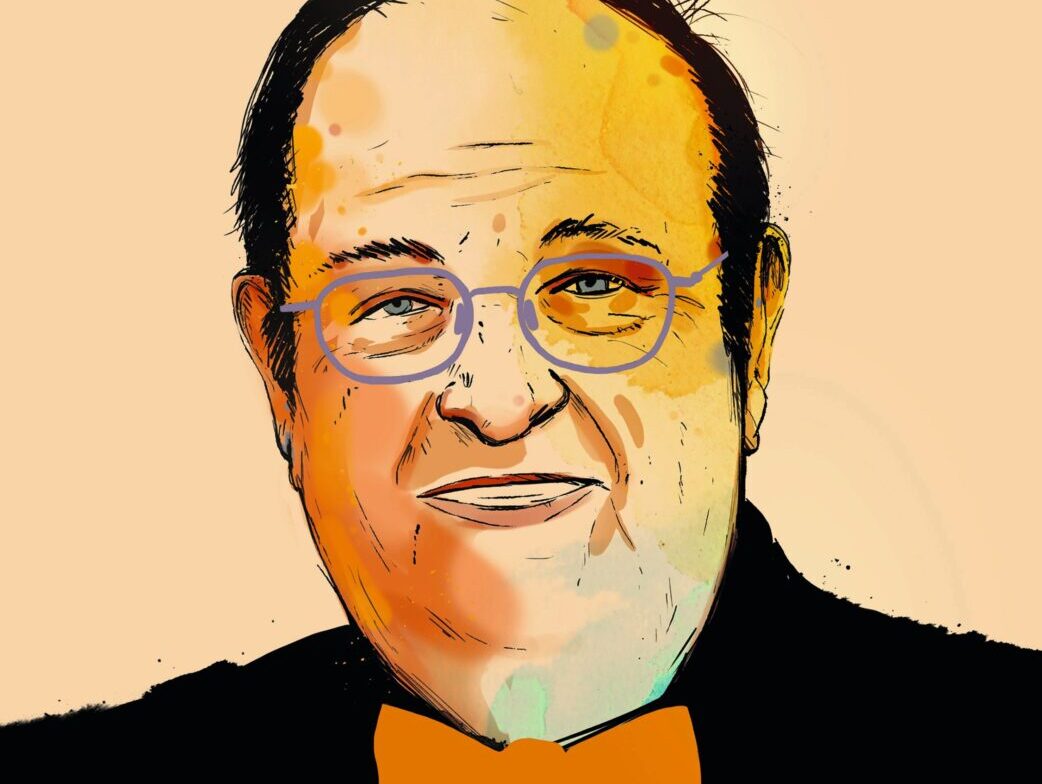
In the U.S., overall life expectancy is stagnating—for the first time in decades. The reason: segments of society are dying «deaths of despair»—through suicide, drugs, or alcohol. Nobel Prize-winning economist Sir Angus Deaton explains whether Europe is also at risk of this scenario—and what can be done about it.

(Illustration: Silvan Borer)

«For most of my career, I wanted to analyze which economic factors promote people's well-being.»

m&k: Sir Angus Deaton, one could describe the start of your career in economics as a kind of «stroke of luck.» After all, when you enrolled at the University of Cambridge, you had actually planned to become a mathematician.

Prof. Sir Angus Deaton: That's right. I originally chose math because, back in high school, I found it relatively easy and not too … time-consuming. (laughs) In Cambridge, however, I soon reached a point where I was no longer as good at mathematics as I had initially hoped. A professor advised me to switch to economics. That hadn’t been part of my plan, but as I began to delve deeper into the subject, I discovered my passion for it. At that time, the curriculum at Cambridge was, of course, heavily influenced by Keynesians, many of whom had worked directly with John Maynard Keynes himself. Although he had passed away in 1946, his presence at the university was still palpable when I began my studies in 1969. I enjoyed a great deal of freedom in my research and was able to explore the topics that interested me. Richard Stone, for example—one of Keynes’s last assistants and a staunch empiricist—had a major influence on my work. His approach shaped my own immensely: Stone focused on empirical evidence in economics … and in doing so, brought me «back» to mathematics, so to speak.


In 1976, you accepted a position at the University of Bristol and, as experts have noted in retrospect, authored some of your «most significant theoretical works.» In 1983, you accepted a position at Princeton University in the United States. I assume that the prevailing economic thinking there differed significantly from the ideas that dominated in the United Kingdom?

The Americans were definitely further to the right on the intellectual—and political—spectrum than the British were at that time, yes.


Did that have an impact on your own work?

My views have changed time and again over the years, and there are many reasons for this. It’s certainly true that my time in Cambridge left its mark, particularly on my views regarding issues such as distributive justice and economic efficiency. In the 1980s, these differed quite significantly from what my American colleagues thought … and still do today. (laughs) Furthermore, I have never been able to identify with the absolute liberalism of the conservative Chicago School. At the same time, I would not claim that I … devoted a significant portion of the resources at my disposal to attacking this school of thought. My work remained largely within the mainstream of economic thought: It was often technical and empirical, and—as I mentioned earlier—I made quite extensive use of mathematics. For most of my career, I sought to analyze which economic factors promote human well-being, particularly with regard to how people balance present and future consumption. This is an important question that has a very strong impact on individual well-being. Amartya Sen, whom I had already met at Cambridge, also sparked my interest in health economics.


This becomes clear when you look at your two most recent publications: your brand-new book *Economics in America* and *Deaths of Despair*, which you published in 2020 in collaboration with Anne Case—also a renowned economist and your wife. Many of our readers are surely already familiar with *Deaths of Despair*, but could you nevertheless explain the book’s main arguments once more?

Research for *Deaths of Despair* began around 2013. Anne and I identified a significant—and growing—disparity in mortality rates in the United States. We observed that: Not only did well-educated people live longer than those without a college degree; in certain demographic groups, the latter also died from different causes. They died «deaths of despair»—committing suicide, overdosing on drugs, or drinking themselves to death. As I said, the research began in 2013, the book was published in 2020, and just recently, Anne and I published an article in the *New York Times* in which we note: What we saw back then isn’t getting any better. It’s getting worse and worse. Overall life expectancy in the U.S. is stagnating for the first time in decades because the «less educated» make up two-thirds of the population and because they are particularly vulnerable to «deaths of despair.» We must act urgently.

«We observed that people in certain demographic groups are at risk of suicide or death from drugs or alcohol.»


The opioid crisis in the United States is so severe that it is frequently covered by European media as well. Should policymakers attempt to address the crisis by merely «treating the symptoms»—or will the situation remain unchanged until the root causes are addressed?

We must address both the opioid crisis itself and the underlying issues. In Europe, for example, we do not see comparable problems with prescription and illicit drug abuse, which is partly due to stricter regulatory measures. European doctors generally do not prescribe strong painkillers as readily as in the U.S., where the drugs are then resold on the streets. Furthermore, there is a very problematic entanglement between politics and the pharmaceutical industry in the U.S.: Some politicians serve the very drug companies that are making their constituents sick—in exchange for help with campaign financing. So we would need to enforce regulations on the prescribing of medications while simultaneously putting an end to the collusion between politics and «Big Pharma.» Ultimately, however, constitutional issues also come into play; lobbyists have a say in the matter, and—as I already mentioned—an incredible amount of money is at stake. It won’t be easy.


You say the situation in Europe is less cause for concern—in terms of opioid abuse, and in terms of «deaths of despair» overall; and yet: We are also seeing growing inequality on our continent, just as in the United Kingdom. Do you think we’re heading in the same direction as the U.S.?

The whole world is—without a doubt—in a precarious situation. I cannot predict the future, but even if we may not be able to draw all that strong a parallel in the area of substance abuse, parallels do exist in other areas: In both the U.S. and Europe, the public is largely disillusioned with the established political culture—and thus susceptible to populism. This, in turn, affects not only domestic policy but also international relations. What is often overlooked are the consequences of national division for addressing international challenges. It is difficult for a country grappling with its own internal conflicts to effectively help other countries in need. The U.S., for example, used to pursue a more unified approach to foreign policy, but now domestic political divisions are influencing its position—you can see this, for instance, in the debate over support for Ukraine. If there were a change in government, military aid to Ukraine could end and the tide could turn in Russia’s favor, which in turn would have serious consequences for the security situation in Europe.

«It's not getting any better. It's getting worse and worse. We need to take urgent action.»


Foreign policy—particularly development aid in the context of global quality of life—is another important focus of your research. While you just said that the U.S. plays an important role in maintaining global stability, you are nonetheless known for your skepticism toward financial development aid.

You’re right about that. In another book of mine—*The Great Escape*, published in 2013—I express skepticism about the intended impact of development aid. I put forward the thesis that while it is often viewed as benevolent in general and a potential solution to migration problems in particular—along the lines of: «If people are doing well in their home countries, they’ll stay there»—it can also have negative consequences. In some cases, development aid can weaken democratic structures in the countries that receive it. In doing so, it further exacerbates the very problems it is supposed to solve. Furthermore, it’s hard to win elections with a policy that prioritizes development aid: People watch as their jobs are outsourced abroad—to places like China, Vietnam, and Mexico—and then they see their tax dollars flowing as aid to those very same countries. This can lead to significant resentment and social discord. I’m not saying we shouldn’t help countries or people in need; I’m just saying we need to think carefully about how to do it correctly—and what the consequences are for both domestic and foreign policy.


Your book, which was published in October, has a remarkable title. It’s called *Economics in America: An Immigrant Economist Explores the Land of Inequality*. After more than four decades in the U.S. and having become a U.S. citizen, you still emphasize that you are an immigrant. Why?

Immigrants often find themselves exposed to a rather peculiar … mélange of cultures; that was—and still is—no different for me. We began our conversation with my time in Cambridge, but as you may know, I was born in Scotland. That has always been an important part of my identity. That’s why I retained my British citizenship—and because I didn’t want to miss the chance to be knighted. (laughs) All joking aside: Yes, I did hesitate to become an American. But by the time my grandchildren were born here, I was slowly running out of excuses. And I was tired of going through questionnaires with grumpy customs officials. (laughs) Oh, and, of course: I wanted to vote! That’s something I also emphasize in my book: Politicians tend to focus on those who are eligible to vote and ignore people who don’t have that right. At some point, I didn’t want to belong to the second group anymore.


I read that the working title of your book was something else …

Yes, it was called «Shock and Awe,» which pretty much sums up my mixed feelings toward the U.S. Shock and admiration—because I’ve always admired American achievements, especially in the economy, but I was also shocked by some of the things I experienced after settling in here. The most apt brief description of *Economics in America* would probably be that the book attempts to explore this conflict.


Are there a number of policy measures that, in your opinion, could improve the situation in the U.S. if implemented?

I believe a key factor would be the revival of the labor union movement. The decline of unions in the private sector has significantly weakened the power and influence of working people. Unions played a key role in securing higher wages, promoting health and safety in the workplace, and channeling political influence. Today, however, as you can see from the example of Google, corporate power far outweighs that of the unions. The U.S. healthcare system also urgently needs reform: Switzerland spends about 12 percent of its GDP on healthcare, yet its population has a higher life expectancy than people here, where a whopping 18 percent of GDP goes toward healthcare. We’re achieving worse results at significantly higher costs—this cannot continue. And: The U.S. needs to address its national debt. Although… who doesn’t these days?


In interviews, you repeatedly argue that economics as a discipline must return to addressing «real problems.» When, exactly, did it «lose sight» of these problems—and how can it get back on the «right track»?

This is a broad topic, and although I can say a few words about it, there are far better historians of science than I am. Just a heads-up, as a warning. (laughs) You know, in the past—you can read about this in Adam Smith, for example—economics always sought to take a comprehensive view of the components of human well-being. One of the best definitions of this comes from Keynes, who argued that economics must balance three elements: efficiency, social justice, and individual freedom. Unfortunately, these aspects have recently become unbalanced, even in research. The Chicago School, for example, has largely disregarded social justice and equated individual freedom with market efficiency. I advocate for a reevaluation of Keynes’s model and its relevance to the present day.


Do you feel that young economists studying at international universities today...Do university faculty members—who are encouraged by the academic system to pursue their own theories—or are they trained to be primarily «teachers»?

When I hear this question, I have mixed feelings. On the positive side, the field of economics is incredibly broad and very open, especially here in the U.S. Unlike in other countries or academic disciplines, exceptionally talented young people in the U.S. can become professors as early as their late twenties or early thirties. That’s unusual elsewhere—there, you have to be at least fifty years old to attain a leadership position. When I first started studying at Cambridge, a leadership position was even—as a rule—the last job before retirement. (laughs) Despite the discipline’s openness, there are still things that concern me: overly elitist graduate programs, for example … or the influence of a handful of U.S. academic journals on the global discourse. Both contribute to the homogenization of the dialogue. Of course, when I look at my young colleagues at Princeton, I’m impressed. They’re creative, they’re bold—and they’re doing away with the dogmas of the past.


This optimism regarding your colleagues and your field is encouraging. Are you also optimistic about the future of the United States—or, more broadly, the world?

That depends on which foot I get out of bed with in the morning. (laughs) There are days when I’m quite pessimistic, and others when I feel optimistic. Tony Atkinson, one of my great intellectual role models, once mentioned my book *The Great Escape* to me—and said: «There’s also a movie with that title, and in it, most of the protagonists meet a terrible end.» Tony asked me if I foresaw a similar fate for humanity, or why else I would have given the book that title. And indeed: In the book’s afterword, I reflected a bit on whether future generations would view the period from 1750 to 2000 as a fleeting moment of enlightenment in an otherwise bleak history of our species. But… actually, I don’t believe that. I’ve always been convinced that—even when faced with catastrophes—we can rely on our knowledge and our capacity for innovation. Now that *The Great Escape* is being reissued in a classic edition, I’ve written a new foreword in which I say something similar. Overall, I remain optimistic—but cautiously so. The world has become more unstable; no one is immune to problems. Autocrats in Russia and China are jeopardizing international cooperation. It’s all incredibly complex. Then again: The 20th century also saw wars, crises, and economic upheavals—and we’re still here, aren’t we?


Sir Angus Stewart Deaton is a British-American economist. He is a professor of economics at Princeton University and was awarded the Alfred Nobel Memorial Prize in Economic Sciences in 2015 «for his analysis of consumption, poverty, and welfare.» His new book is titled «Economics in America: An Immigrant Economist Explores the Land of Inequality» and was published in October.


This article first appeared in the m&k print edition 11-12/2023.

Investing "green"

More and more investors want to invest their money in accordance with sustainable principles. With its «Responsible» and «Sustainable» approaches, Zürcher Kantonalbank meets a large portion of these needs—and now also in the area of digital retirement planning.

Bild: unsplash.com / Pat Whelen.
(Image: Unsplash.com / Pat Whelen)

The growth has been spectacular: In just five years, the volume of sustainability-related investments in Switzerland has more than doubled, rising from 716.7 million Swiss francs in 2018 to 1.61 billion Swiss francs in 2022. After years of double-digit growth rates, the challenging investment year of 2022 slowed this trend. Yet even in this weak stock market year, the trend toward sustainable investments has remained unbroken, according to the market study «Sustainable Investments 2023» by Swiss Sustainable Finance.

This sharp increase shows that customers want their money invested sustainably. The specific principles that should guide this investment vary from person to person. That is why Zürcher Kantonalbank offers a comprehensive range of products and services to meet these needs.

When Swisscanto launched its first sustainability fund, the «Swisscanto Green Invest,» a quarter of a century ago—back in 1998—it was primarily aimed at environmentally conscious individuals. Together with WWF Switzerland and a sustainability advisory board composed of experts from various sectors of society, the asset manager developed a framework that outlined its precise sustainability philosophy. A system of exclusion criteria was applied, along with extensive sustainability analysis and a final financial analysis, to identify the most sustainable and, at the same time, the most promising investments for the portfolios. Companies that contributed to accelerating global warming were excluded, as were those involved in nuclear energy, defense, or tobacco.

Standards and Comparability

Many of these exclusion criteria are still valid today. However, a lot has changed in the meantime—both in research and in terms of investors’ attitudes and expertise on the subject. Scientific understanding has improved, as has the availability of data that makes it possible to assess corporate sustainability in the first place. By measuring CO2 emissions, it is possible to track the externalities of individual companies. And thanks to international, privately organized institutions such as the Carbon Disclosure Project (CDP), standards exist for collecting and reporting non-financial data, such as CO2 emissions. This enables global comparability.

Sustainability has become the norm

Sustainability is no longer a niche topic. Due in part to the progression of human-induced climate change, it is no longer just individual interest groups and companies that are actively engaged with the issue. The matter has now reached society as a whole, as well as lawmakers. Accordingly, sustainability has also become firmly established in the financial industry. Many of the leading providers in the sector have committed to the principles of sustainability. Swisscanto and the asset management division of Zürcher Kantonalbank, for example, now offer only products in their own active investment vehicles that align with either the «Sustainable» or «Responsible» strategy and thus pursue sustainable goals. With these approaches, the financial institution is addressing the concerns of many clients who aim to drive sustainable change through their investments while also generating returns.

«By now, the issue of sustainability has reached all sectors of society, including lawmakers.»

The «Responsible» strategy focuses primarily on exclusion criteria and the exercise of voting rights, and aims to facilitate the economic transition. The investment universe is therefore broader and invests in nearly all sectors and countries that align their economic activities with sustainability guidelines. The reason for this is simple and closely linked to the principle of transition, which involves transforming existing conventional business models into sustainable ones. In practice, this is very complex, expensive, and time-consuming. This makes it all the more important that large corporations succeed in this transition. On the one hand, their products are often essential for bringing about this change. On the other hand, the impact is significantly greater when corporations like Apple, for example, manufacture each of their products using clean energy and more recycled and renewable materials than when a small local company recycles electronic devices.

«Responsible»: Clear Restrictions and Guidelines

Despite the broader investment universe, the «Responsible» strategy also includes numerous restrictions and guidelines. For example, «Responsible» goes beyond the blacklist recommended by the Swiss Association for Responsible Investment (SVVK-ASIR). The strategy excludes companies that, for instance, manufacture weapons and ammunition, tolerate child labor, produce pornography, or operate in the coal industry.

At the same time, the «Responsible» approach incorporates additional ESG criteria and climate targets, such as the «less than 2-degree climate target.» This is to be achieved through a CO2 reduction pathway in the relevant products. This is complemented by ongoing dialogue with the companies. In discussions with management and the board of directors, any violations of the UN Global Compact are addressed, CO2 reduction targets are defined, and issues of good corporate governance are raised. If a dialogue proves unsuccessful in the medium to long term, there is the option of exercising voting rights to remove board members, withhold discharge, or reject compensation proposals. As additional measures, no further capital may be injected into the company, or the stock’s weighting in the portfolio may be reduced and ultimately the position may be sold entirely.

«Sustainable»: Setting Our Sights on the 1.5-Degree Target

Since, for many clients, sustainable financial investment does not—despite everything—go hand in hand with investments in companies that are currently still carbon-intensive, Zürcher Kantonalbank takes a more restrictive approach in its «Sustainable» strategy: The exclusion criteria are more comprehensive, and—with the exception of thematic funds—the very ambitious 1.5-degree target applies. In addition, «Sustainable» products invest only in business models that already offer solutions for the future—solutions that will enable them to grow at an above-average rate in the coming years in light of social and environmental challenges. Due to the exclusion criteria and positive screening, approximately 30 percent of the original investment universe remains.

A recent example from the private pension sector also illustrates how Zürcher Kantonalbank specifically responds to its customers« needs: After pension savers had already been able to invest in »Responsible« products for some time via the frankly digital Pillar 3a app, Zürcher Kantonalbank recently expanded its retirement savings offerings to include »Sustainable« investments in response to widespread customer demand. This means customers now have comprehensive options for sustainable investing via digital channels—either responsibly supporting the transition with the »Responsible« approach or taking a more restrictive stance with the »Sustainable” approach.


* Fabio Pellizzari is Head of ESG Strategy and Development in the Asset Management division of Zürcher Kantonalbank.

To be used with caution

Discount promotions like «Black Friday» attract consumers—but they can also make people quite aggressive, as a study shows.

Illustration: Silvan Borer.
(Illustration: Silvan Borer)

The recent «Black Friday» brought a sense of elation to many of us: new electronics, home appliances, and so on found their way into our homes at «unbeatable» prices. People proudly tell their friends what they «snagged»—that is, which products they were able to buy at a very low price. «Black Friday» relies on a sense of scarcity, since these special offers are available only in limited quantities and for a limited time.

Scarcity is used here as a marketing tactic and triggers the following mechanism in our brains: The scarcer a good is, the more special, exclusive, and better it must be. So this isn’t about actual scarcity, but rather scarcity as a psychological concept that ultimately delights shoppers with a dopamine rush. And this works so well that, in addition to Black Friday, there are other well-known shopping days like Valentine’s Day or «Singles» Day”—so consumers are encouraged to shop regardless of their relationship status.

The Dark Side of «Black Friday»

But «Black Friday» isn’t all good news. Shoppers have long since started to feel uneasy about it, since they often end up putting far more items in their carts than they planned. These items end up putting a strain on both the wallet and the minimalist interior design style, which aims to shine with as few items as possible. And I won’t even get started on sustainability here.

And that’s not all! We know from evolutionary psychology that people become violent and aggressive as soon as resources like water and food become scarce. And apparently, people also become aggressive when faced with an artificial (!) shortage. To investigate this, a team of researchers divided people into two groups: The first group was shown an iPhone commercial with the note that only three units were available. The second group simply watched an iPhone commercial without any mention of a fictional «shortage.» Afterward, the researchers analyzed how many shots each group fired in a video game. The first group acted much more aggressively—and the researchers explain this by noting that the mere feeling of scarcity prevents us from thinking clearly and leads us to make poorer decisions.

Physical violence?!

Unfortunately, aggressive behavior in the face of (perceived) scarcity is not limited to the digital world: On «Black Friday,» too, people regularly lose control of their aggression, and there have even been cases of injuries and deaths as a result.

So my advice to everyone is: When supplies are scarce, secure what you need! Whether it's during the upcoming winter sale, when the next PlayStation is released, or when looking for an apartment in Zurich (or any other European metropolis).


* Prof. Dr. Johanna Gollnhofer She is an associate professor of marketing and one of the co-directors of the Institute for Marketing and Customer Insight at the University of St. Gallen (IMC-HSG). In our magazine, she writes monthly about exciting, sensational, or curious marketing studies from around the world. This month’s article is based on this study.


This article first appeared in the m&k print edition 11-12/2023.

Reviews in the present tense seem more convincing

A study shows that reviews written in the present tense are «better received.» Marketers can learn from this.

Illustration: Silvan Borer.
(Illustration: Silvan Borer)

Various surveys show that consumers trust online reviews at least as much as personal recommendations. The star ratings given by other users therefore have a strong influence on our perceptions and our purchasing behavior. On TripAdvisor and Amazon, this sometimes goes so far that consumers no longer even consider brands with a rating below 4.5 stars.

I also write reviews sometimes—my goal here is to provide other consumers with as much transparent information as possible about the product in question. The review can be positive or negative. I don’t follow any particular structure. I usually write from the heart and on my phone. It has to be quick; I don’t think about every word.

The Present and the Past

If I paid more attention to my choice of words, would that make a difference? For example: «The Barbie movie is great» versus «The Barbie movie was great.» The difference between these two statements isn’t significant—it’s practically negligible: In the first statement, I use the present tense for the verb; in the second, the past tense. So it’s basically «no big deal»—or is it actually the case that one verb form is better suited for expressing opinions and communicating? And if so, why?

The present tense is more convincing

We know from various disciplines that the present tense (compared to the various past tenses) is perceived as more convincing. This makes the author of a text appear more confident and firmly convinced of his or her opinion. A statement made in the present tense indicates that this assessment applies not only to the past but also to the future—and thus to the future buyer as well.

Based on 500,000 online reviews, marketing researchers have found that this power of the present tense also applies to book reviews. So when consumers read a book review written in the present tense, they find it more helpful and persuasive. The researchers also found that this applies not only to books but to other categories as well, such as music, household electronics, and services.

Marketing and the Present Tense

The majority of marketers seem to implement this effect of presence. Brands do not communicate that they have been voted the top employer. Instead, they communicate that they are the top employer. A similar effect can be seen in product studies, where it is said that xy% of the testers rate a skin cream as very good. A past tense (for example: xy% of the testers rated the skin cream as very good) is rarely used.

Conclusion: Personally, I could definitely be even more stringent in my implementation here. So if I want to convince other people to watch the Barbie movie, I will make sure that I communicate in the present tense in future.


Prof. Dr. Johanna Gollnhofer is Associate Professor of Marketing and one of the co-directors of the Institute for Marketing and Customer Insight at the University of St. Gallen (IMC-HSG). She writes monthly in our magazine about exciting, sensational or curious marketing studies from around the world. The basis this time is this article.

Everything different, everything new?

The difficulty of finding the right employees is the ultimate call to action for companies to work on transforming their own culture. With the right approach, this can be implemented effectively, in an evidence-based manner, and successfully. Daniel Zehntner, Managing Partner at Martin et Karczinski, sheds light on the process.

Bild: unsplash.com / Alec Favale
(Image: Unsplash.com / Alec Favale)

The labor shortage has become a pressing issue in today’s workplace. The reasons for this are varied. Measures taken by companies to succeed in the labor market usually address only the symptoms. Those in charge generally steer clear of the root cause—namely, a corporate culture that is often unwelcoming.

Yet this transformation is crucial to becoming attractive to employees.

Since last summer, the importance of employer branding has increased dramatically. It revolves around the question of what a company must do to ensure that its employees enjoy their work and remain motivated, and to successfully recruit the right candidates—even in the face of a labor shortage.

«The key is to enhance the workplace's appeal through a positive corporate culture.»

According to *Wirtschaftswoche*, more than 5 billion euros were spent on job advertisements in Germany in 2022 alone. In Switzerland, the figure is estimated to be around CHF 500 million. The labor shortage is already leading to production losses, project delays, and revenue shortfalls. The latest Adecco Skilled Labor Shortage Index for Switzerland describes the situation as «dramatic.».

Workforce: The Shortage Is Worsening

There are many reasons for the labor shortage. On the one hand, demographic trends are a key factor. The baby boomers are gradually retiring, while subsequent generations are significantly smaller. As a result, it is expected that over the next ten years, Switzerland will have about half a million fewer people in the workforce. This development is exacerbated by the trend toward greater flexibility and individualization. The preferences of the younger generation are shaping the labor market. Efficiency gains resulting from the digitization of processes and the use of AI are not sufficient to offset this effect.

«What must a company do to ensure that its employees enjoy their work and remain motivated, and to successfully recruit the right people even in the face of a labor shortage?»

In 2022, the staffing agency Rundstedt conducted a large-scale survey on the shortage of skilled workers in Switzerland. It concluded that the IT/high-tech sector is the hardest hit. 47% of respondents rated the shortage of skilled workers in that sector as very high. However, industrial production (34 percent) and the healthcare sector (31 percent) are also affected. The Adecco Index ranks healthcare professions as the most affected.

The Rundstedt study shows that, in order to meet demand despite the labor shortage, companies are increasingly turning to external recruiters and are, out of necessity, lowering their requirements. Recruitment bonuses are just as popular as the trend observed in practice of trying to stand out from the competition through increasingly unconventional recruiting campaigns. These measures, if at all, have only a short-term effect.

The Dull Saw

You may be familiar with the story of “sharpening the saw,” which Stephen R. Covey introduced into leadership theory. Imagine you’re walking through the woods and come across a man who is frantically trying to cut down a tree. When you ask him what he’s doing, he replies that he wants to cut down that tree. He’s been at it for hours. “But the saw is dull,” you point out. “Why don’t you take a break, sharpen the saw, and then cut down the tree in no time?” To which he replies that he can’t take a break—he has to keep sawing at the tree.

«The preferences of the younger generation are shaping the job market.»

This is roughly how most companies behave today: Faced with a shortage of skilled workers, they frantically resort to ineffective short-term measures. If they were to “sharpen the saw,” their actions would need to focus on positioning the company as a meaningful employer. This is also evident from the Rundstedt study. Autonomy/responsibility, corporate culture, and purpose are cited as the top three priorities. The knowledge seems to be there, but the reality is often quite different.

Case Study: The Boiler Is Leaking

One of our clients, an internationally active corporate group, saw a nearly 70 percent drop in applications on its own HR portal. At the same time, employees’ willingness to renew fixed-term contracts declined significantly. The typical reaction: launching a recruitment campaign to fill the vacancies as quickly as possible. Following intensive discussions, the recruitment campaign was halted, and the employer branding was redefined to align with the company’s identity. The measures developed were then tailored to retain existing employees and engage them as advocates for employee recruitment.

A look at the research by Heike Bruch, professor of leadership at the University of St. Gallen, shows that short-sighted, reactive decision-making is no exception. She has been studying corporate culture since 2001. In her latest study, published in the middle of last year, she concludes that corporate cultures have steadily deteriorated in recent years. Not even one in six companies in Switzerland has a culture of trust.

In the Acceleration Trap

Heike Bruch sees one of the main reasons for this as the fact that more and more companies are falling into the «acceleration trap.» With a short-term focus, management constantly launches projects, increases performance pressure, and initiates cost-cutting measures. In the long run, this leads to what Heike Bruch calls «corrosive energy.».

This refers to a corporate culture characterized by high intensity, but of a negative nature. Employees work intensely, but not toward shared corporate goals; rather, they do so to gain an advantage and engage in internal power struggles. According to the study’s data, as of 2019, one in two companies was caught in the acceleration trap. Today, that figure has already risen to three-quarters!

If we look at the industries where the shortage of skilled workers is most acute, it appears that the majority are precisely those companies where the corporate culture has deteriorated significantly in recent years: hospitals, tech companies, and, more generally, larger companies operating in a competitive environment. This is where the need for skilled workers is greatest. But it is precisely here that companies are resorting to knee-jerk measures instead of addressing the root cause.

Culture eats recruiting actionism for breakfast

We can learn how to do things differently from brands like Patagonia or the fashion company Brunello Cucinelli. From our own experience with the education and healthcare company SRH or the asset manager Albin Kistler. What they all have in common is the consistency with which they live out their values and use their identity to drive conscious growth—and, as a result, are able to retain their highly qualified employees and recruit new ones. After all, the key lies in enhancing the workplace’s appeal through a positive corporate culture—one that stems from consciously lived corporate values and an identity rooted in the company’s vision and mission—a normative framework with which employees can identify.

Corporate culture arises from an awareness of one’s own values and identity—and from acting in accordance with them. The approach to identity-oriented corporate and employer branding is derived from this understanding. Martin and Karczinski have developed the holistic Be.yond method for this purpose, which is now also offered as a certificate program at the university level. It is based on four pillars: effectiveness, security, depth, and short-term measures.


What sets the Be.yond method apart?

1. Effectiveness: In the short span of two workshop sessions, the foundation for cultural transformation—and thus for identity-driven employer branding—is laid.

2. Safety: The diagnosis is an evidence-based assessment derived from the interview findings. This assessment is incorporated into the workshops and serves as a catalyst for transforming limiting beliefs into a promising vision of the future.

3. Depth: The fundamentals are developed by the people in charge themselves and are not dictated by the consultants. The guidance provided is directive, stimulating, and empowering.

4. Immediate Measures: Equally important: Short-term measures are implemented early on and, in some cases, in parallel with the assessment. This eliminates the excuse for companies caught in the acceleration trap not to address the root causes.


* Daniel Zehntner is Managing Partner and Chairman of the Board of Martin et Karczinski, a holistic brand consulting firm specializing in strategy, design, and transformation, with offices in Munich and Zurich. Its brand promise: to inspire people, brands, and companies and guide them toward conscious growth—rooted in their identity. Eighty experts work in the fields of consulting, strategy, design, and cultural and personal development. Martin et Karczinski is the creator of the Occhio brand and, among other clients, the lead agency for Lufthansa. In Switzerland, the firm manages brands such as Albin Kistler, AO Foundation, CSS, Merbag, and Wyss & Partner.


This article first appeared in the 10/2023 print issue of m&k.

Havas United

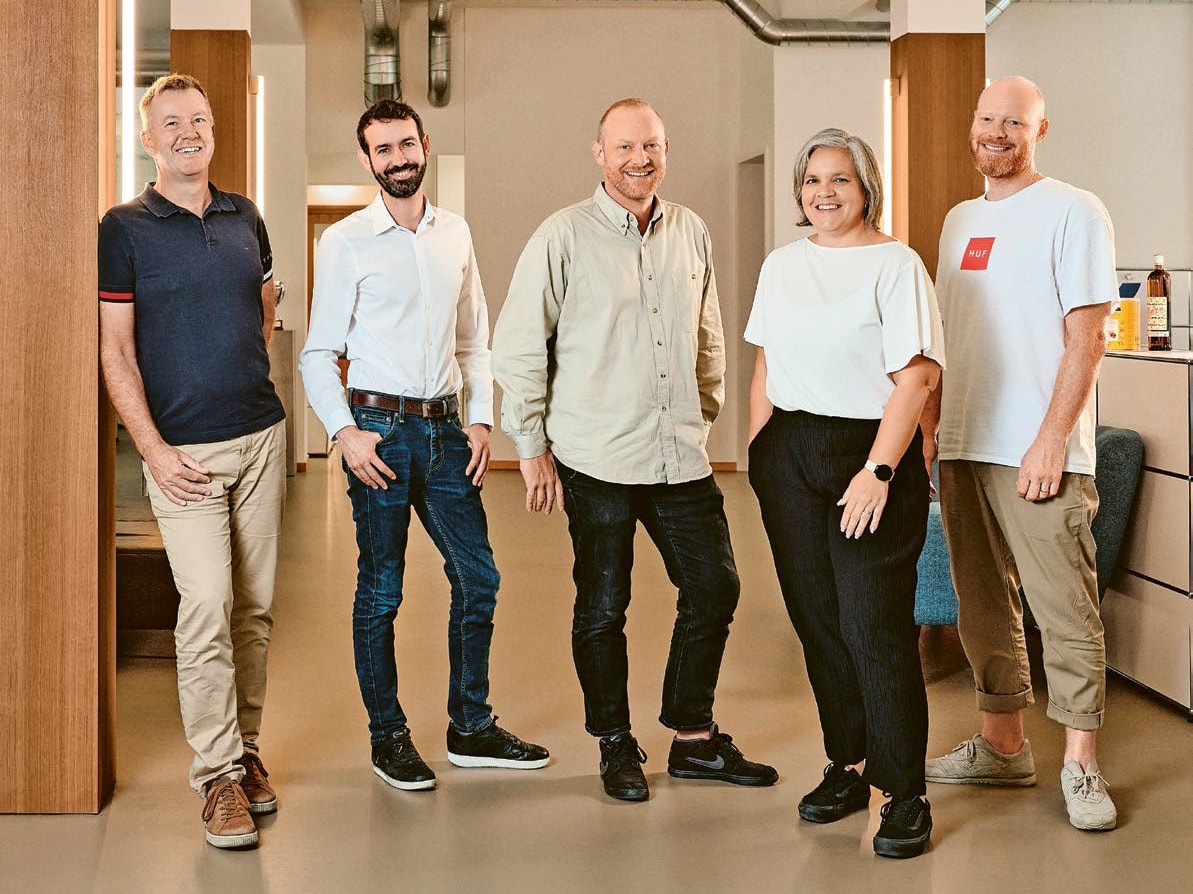
Havas Switzerland has offices in Geneva and Zurich. Clients are offered a holistic, location-independent, and integrated experience that is developed through close collaboration between the two Villages. At the helm is a five-member management team that is regularly present at both locations.

The management team at Havas Switzerland (from left to right): Jacques van Brussel, CFO; Camille Delesalle, Managing Director of Creative, CX, and Sports; Jonas Eliassen, CEO; Samia Montaque, Managing Director of Media; and Gabriel Mauron, Chief Creative Officer (CCO). (Photos: Chris Reist)

Since 1992, the agency Havas Switzerland has been doing outstanding work. A few years ago, the two offices in Geneva and Zurich were renamed Havas Villages. Although the two offices have always worked together, when Jonas Eliassen takes over as CEO in November 2022, he sees great potential in strengthening this collaboration. He is bringing the teams and the service offerings—comprising Media, Creative, Customer Experience, and Sports—closer together. This creates a vision of integrated collaboration for clients and employees alike, as well as a sharper positioning as a community through which Havas will guide its clients into the future.

«Customers sense the holistic, integrated culture characterized by trust and dynamism. With all its regional nuances—Geneva isn’t Zurich. But Havas is Havas.»

The Decision-Making Team

The cultural transformation spearheaded by Jonas Eliassen has been in full swing since March 2023. He has been holding discussions with the established creative team in Geneva and has decided to invite Gabriel Mauron to join the executive board. The Geneva native, who, along with his team, has been responsible for winning numerous awards, is now a member of the senior management team as Chief Creative Officer. His Geneva-based colleague Camille Delesalle has also been appointed Managing Director of Creation, Sports, and CX. CFO Jacques van Brussel and Samia Montaque, Managing Director of Media, round out the executive team. The spirit of collaborative leadership, trust, and dynamism now embodied by the management has spread to the employees: The team works in an interdisciplinary manner, regardless of location, to develop integrated solutions for the agency’s clients.

«Mutual trust and high-quality content form the foundation; efficient and effective communication solutions are the result. That’s what Havas Switzerland stands for.»

Cultural change begins from within

Gabriel Mauron and Camille Delesalle commute regularly between Geneva and Zurich. For both of them, this has become so routine that they can’t even imagine doing things any other way. Meanwhile, Jonas Eliassen and Samia Montaque hop on the train and commute to Geneva. Since then, collaboration has intensified enormously. The 80 employees are also encouraged and supported to engage with one another—both in person and, of course, virtually. This cultural shift has made the agency stronger and more resilient. Mutual understanding has grown, and both regional and cultural diversity are now seen as valuable assets. The agency’s language has expanded. On the various floors in Zurich, you now increasingly hear conversations in French and English as well. The Geneva-based employees have long established diverse linguistic cultures; this mix is familiar to them. Overall, the team has grown closer together, and their mutual trust and respect reflect Havas’s purpose: «Meaningful difference for the people we work with.».

The «Havas Brand Experience»

Clients sense this holistic, integrated culture, characterized by trust and dynamism. With all the regional nuances—Geneva isn’t Zurich—but Havas is Havas. Jonas Eliassen sums it up this way: «Clients who come to us will have the same brand experience in Geneva and Zurich; the culture we embody is one and the same.»

Havas Switzerland stands out above all for its «Meaningful Brand Experience» approach. This means that clients« communication objectives are examined from every angle. Whenever it makes sense, creative, media, sports, and CX are strategically considered and integrated into the communication plan as needed. Together, a vision is developed, which is then translated into a holistic campaign. This is important to Gabriel Mauron. »The process with our clients begins long before the campaign; we work with them to paint the picture and draw on the expertise of the entire agency to achieve the best possible result. Everyone pulls in the same direction, pursues the same goal, and works with the same inner conviction.”

«Of course, there will still be clients who want Havas to handle only media, creative, sports, or CX, and that will continue to be an option,» says Samia Montaque. «It’s important to us that clients know we can work across disciplines and thereby offer them added value.» Mutual trust and high-quality content form the foundation, resulting in efficient and effective communication solutions. That’s what Havas Switzerland stands for.


Best Cases from Havas Switzerland

Havas Creative zeigt die Vorzüge von Lidl Schweiz auf: faire Preise, eine grosse Auswahl und frische Produkte. Das ist typisch Lidl.
Havas Creative highlights the benefits of Lidl Switzerland: fair prices, a wide selection, and fresh products. That's typical Lidl.
Nicht ohne Canal+ von Havas Media + Creative: Der Verzicht auf Canal+ bedeutet den Verzicht auf alle Arten von Fernsehinhalten.
Not Without Canal+ by Havas Media + Creative: Giving up Canal+ means giving up all kinds of television content.
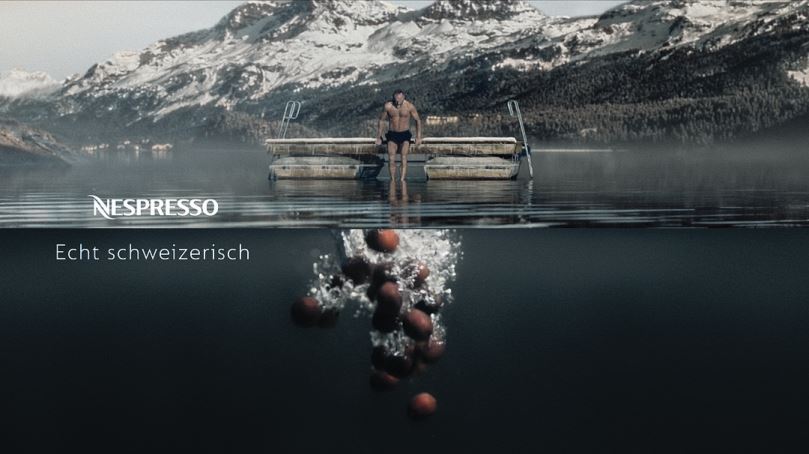
Havas Creative + CX: für Nespresso: eine globale Kampagne, die die Wurzeln von Nespresso feiern und genau das einfangen will, was sie sind – intensiv schweizerisch.
Havas Creative + CX: for Nespresso: a global campaign that celebrates Nespresso’s roots and aims to capture exactly what they are—intensely Swiss.
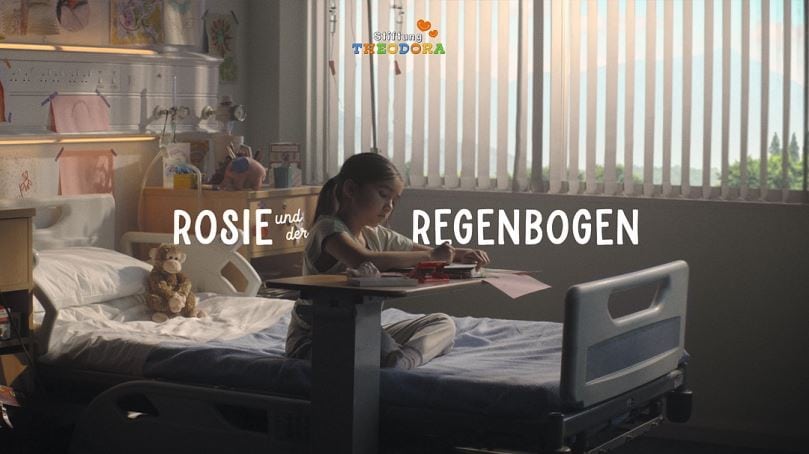
Havas Creative: Die Theodora-Stiftung arbeitet seit 1993 mit Schweizer Spitälern zusammen, um Kindern im Spital eine Auszeit vom Alltag zu ermöglichen.
Havas Creative: The Theodora Foundation has been working with Swiss hospitals since 1993 to give children in the hospital a break from their daily routines.
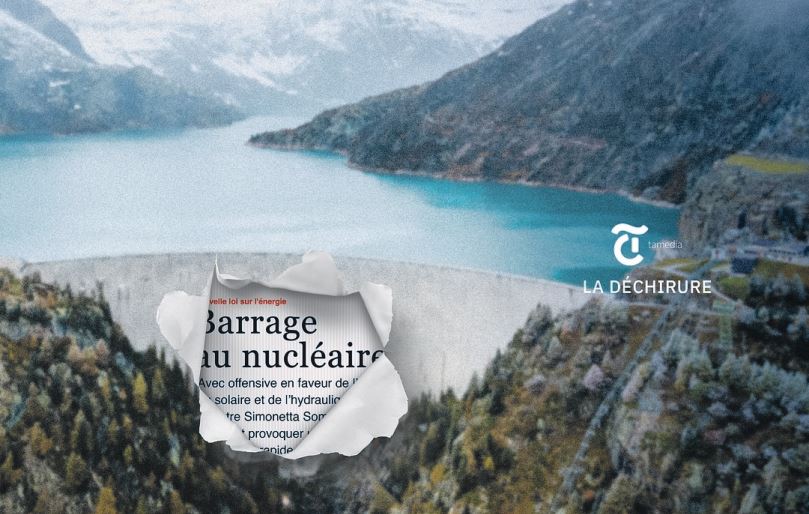
Havas Creative: Mit «The rip» für Tamedia gewann Havas unter anderem Bronze beim DOOH Award.Kampagnenbilder: Havas Switzerland
Havas Creative: With «The Rip» for Tamedia, Havas won a bronze award at the DOOH Awards, among other accolades. Campaign images: Havas Switzerland

This article first appeared in the print edition of m&k 10/2023.

Marion Daube: The boss of women's soccer

Marion Daube is the director of Swiss women’s soccer. She is also responsible for ensuring that the 2025 Women’s European Championship takes place in Switzerland. “Action, not talk”—that’s her motto. She made an exception for m&k. A portrait of a woman who gets things done.

Bild:Ella Mettler
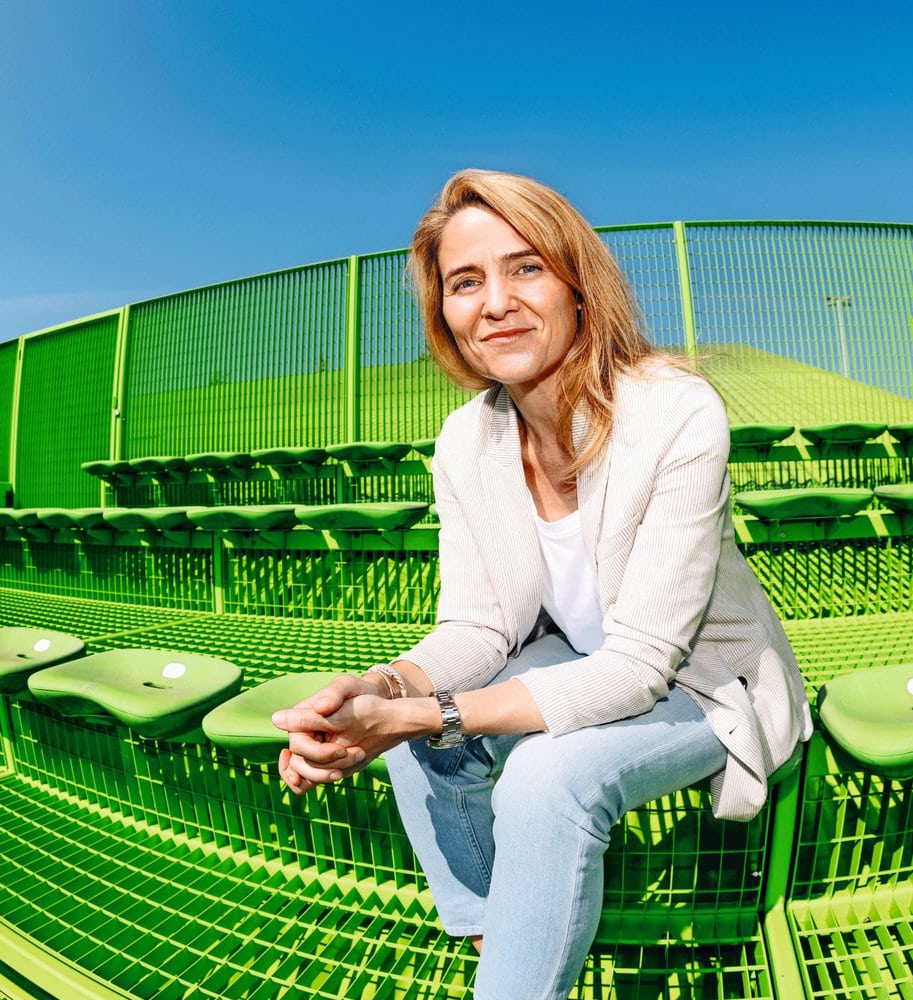
Marion Daube in the stands at the Heerenschürli sports field. (Photo: Ella Mettler)

We meet Marion Daube on familiar ground. The Heerenschürli sports field in Dübendorf is home to FC Zurich. Not only do the women’s teams train here, but the men’s teams—along with the coaching staff—have also been based here since last season. «Finally, everyone under one roof,» says Marion Daube as she sits down with me on the bright green bleachers. But she’s not quite satisfied yet. «The bleachers still don’t have a roof,» she calls out to the groundskeeper, who at first looks a bit skeptical but then realizes who’s joking around with him. His face lights up immediately. «Such distinguished visitors,» he remarks and bows playfully.

For 13 years, Marion Daube served as managing director of the FCZ women’s team. As of this season, there is no longer a separate women’s club; everything has been integrated into FC Zürich AG. This is largely thanks to her efforts. Now synergies can be better leveraged, communication lines are shorter, and efficiency is much higher. But: Marion Daube is out. Not entirely, of course. She stepped down as managing director last year and is now employed by the Swiss Football Association (SFV). As project manager, she was responsible for the bid to host the UEFA Women’s Euro 25. It has been clear since April 2023 that the bid was successful; the Women’s European Championship will take place in Switzerland in 2025 (see box). Since January, Marion Daube has been the director of Swiss women’s soccer. A huge task, as she herself says.

A Love of Soccer

Marion Daube grew up near Frankfurt; she was an enthusiastic soccer player herself, but as a girl at the village club, she was only allowed to train with the team—not to participate in tournaments. She didn’t question this, but she was still disappointed because she was very talented with the ball. «I would have become the best striker in the world,» she says with a laugh. Of course, she doesn’t mean that seriously, but she’s making it clear just how invisible women’s soccer was during her youth. There was no question of any support for the sport. At age twelve, she turned to volleyball. She often spent her weekends on the field or at the stadium, though, since her family were Eintracht Frankfurt fans.

«Hosting the European Championship at home will propel the sport 5 to 10 years forward.»

After graduating from high school, Marion began studying business administration. A Danish classmate of hers played for the Eintracht Frankfurt women’s team and the Danish national team. Through her, Marion was introduced to women’s soccer. «When the World Cup was on, I helped her out—we studied together, and of course she missed a lot of classes at the university. I was really impressed by how she handled it all. That’s when I started watching the games and getting a glimpse behind the scenes—it really is one big family,» she says.

Marion and her fellow student began implementing projects for women’s and girls’ soccer both during and after their studies, with support from the DFB and their hometown of Frankfurt. They organized girls’ camps throughout Germany and many events to attract more young female players. Together, they went into business for themselves and founded a sports agency. In 2006, during the Men’s World Cup, Marion Daube fell in love and moved to Zurich for the relationship. She began working at an advertising agency and got involved with FFC Zürich Seebach. She quickly became a board member; everyone could tell she was passionate about women’s soccer. A partnership was formed with FC Zurich, which until then had not had a women’s team. The plan to integrate FFC Seebach into FCZ began to take shape. This process required leadership, so a position was created for Marion Daube. FC Seebach became FC Zurich Women. For 13 years, she served as managing director of the women’s club, which, while still operating independently, leveraged synergies—in infrastructure, the development of young players, medical services, coaching staff, and training facilities. However, the offices and training fields are still scattered throughout Zurich. It wasn’t until this season that the women’s club was fully integrated into the FCZ AG. Now everyone—the six women’s teams and the men’s team—is under one roof: here at the Heerenschürli in Dübendorf.

The bid for the Women’s Euro 25

Women’s soccer is Marion Daube’s passion project. When the SFV asked her if she could bring the 2025 Women’s European Championship to Switzerland, she agreed and became the project manager for the bid. The two of them worked around the clock, and on April 4, 2023, it became clear that their efforts had paid off. Switzerland was awarded the bid. Marion is rightly proud of this achievement. This opens up new opportunities to catapult women’s soccer to the next level. More attention, more influence—that’s exciting for sponsors, too. They recognize the added value, especially since the World Cup in New Zealand and Australia, which drew more people to their screens and into the stadiums than ever before. Women’s soccer is seen as valuable; the players are fresh, approachable, and down-to-earth. We can grow together. There’s still plenty of room for growth. The legacy—the impact and influence—of this tournament must be leveraged to launch even more projects and make up for the lost years when women’s soccer was nonexistent or invisible. «They say that hosting the European Championship in your own country propels the sport five to ten years forward. All stakeholders are on board. We still have a year to go,» says Marion Daube. The association is well-organized, and cooperation with UEFA, the cities, the cantons, the federal government, and the regions is strong.

Vertrautes Terrain: Marion Daube auf dem Heerenschürli-Kunstrasenplatz.Bild:Ella Mettler
Familiar Ground: Marion Daube on the Heerenschürli artificial turf field. (Photo: Ella Mettler)

Female Players as Role Models

When Marion Daube organized the first girls’ camps, she also talked to them about role models. The girls all wanted to be like Ronaldo. That has changed completely. Now that women’s soccer is visible in the media and national team players like Alisha Lehmann have millions of followers on social media, there are finally role models for the girls. This is valuable and, in turn, is leading to the creation of many more girls’ teams in recreational soccer—even if there aren’t enough yet.

One problem at the top, however, remains that female players in Switzerland cannot make a living from the sport. Until just a few years ago, there were in fact only amateur players. While that has now changed, the salaries are mostly small amounts—they’re negligible. So, in reality, they can’t play soccer full-time. First of all, this naturally affects time management, since they have to earn a living elsewhere, and training sessions, sponsor activities, and pre-tournament training camps—all of that has to be managed «on top» of their day jobs. It’s completely different for the men. «It would be a dream if they could devote themselves entirely to professional soccer, or at least only had to—or were able to—work part-time and spend the rest of their time playing professional soccer,» says Marion Daube. «In the top division, we want to allocate more funds to the players—we have to make that happen.» Then, perhaps, female players would stay in the country longer and play for Swiss clubs. Often, talented and motivated female players leave their home country and move to the trendy European leagues. But that isn’t necessarily a good thing for everyone. While they do receive a salary abroad, not all of them are high earners there either, and with 2,000 euros, a woman can only afford a room in a shared apartment and go out for coffee every now and then. That’s it. The gap between women and men is still huge. Marion Daube will be working on that—and, of course, on many other issues as well. As director, she is responsible for the senior national team, the U16, U17, and U19 teams, the Axa Women’s Super League, the National League B, and the training center in Biel. There, girls can go to school, live, and train. Especially in regions where girls’ soccer isn’t yet very developed, this allows for the targeted development of talent.

«We want to make up for the many years lost when women's soccer was nonexistent or invisible.»

«We're going on a search»

There are over 38,000 licensed female players in Switzerland. Everyone who joins a soccer club receives a license once they reach a certain age. The association sends scouts to the regions to specifically identify and develop talent. But of course, the SFV works closely with the regional associations, creating a strong network to ensure that no girl with the potential to excel beyond recreational soccer goes undiscovered. The goal is to leverage the various structures of men’s grassroots soccer and to collaborate more closely and deeply. This is to ensure that women’s soccer doesn’t lose even more years before the gap closes. And so that talented girls—like Marion Daube once was—don’t turn away from soccer because they don’t see a future in the sport.


As project manager, Marion Daube brought the 2025 Women's European Championship to Switzerland. Click here to watch the video the SFV used in its bid.

This article first appeared in the m&k print edition 10/2023

Advanced training for managers

Society and the economy are changing rapidly—those who want to keep pace with these changes and expand their skills and network rely on lifelong learning.

(Images: Unsplash.com)

Managers who undergo further training develop personally and professionally. This includes updating skills and improving leadership competencies as well as promoting innovation, employee development and motivation, increasing productivity, risk management and improving the company's competitiveness. Here are some of the current training courses for managers in Switzerland:

Executive MBA HSG in General Management

This programme equips managers with the necessary knowledge and an influential network to make an impact for their own organization and society. The EMBA HSG at the University of St.Gallen can be completed in three versions. In addition to the German-language program, the International Executive MBA HSG offers a variant with an international curriculum focus. In addition, the new EMBA program emba X in partnership with ETH Zurich focuses on topics such as corporate management, sustainability and technology management. Final application deadlines for emba X: October 31, 2023; IEMBA 12: March 31, 2024 (1st application deadline).

Rochester-Bern Executive MBA

This EMBA program offers a dual degree - one from the University of Bern and one from the University of Rochester (USA). This program prepares executives to meet the challenges of today's business world and to gain a deep understanding of economics, accounting, finance and analytics. The EMBA takes 16 months to complete and includes a four-week residency in Rochester and a one-week study tour in Asia. The application deadline is December 31, 2023; the program begins on February 9, 2024.

"Managers who undergo further training develop personally and professionally."

Executive MBA Digital Transformation at the University of Zurich

The part-time Executive MBA programs at the University of Zurich offer senior executives from business and administration 15 months of general management training that can be optimally combined with professional commitments. The German program with a focus on digital transformation consists of three-day modules every two weeks in Zurich and study visits to Yale University (USA) and Tel Aviv (Israel). The English program with a focus on digital transformation consists of six-day modules every four weeks in Zurich and learning expeditions in the USA and Israel. The program in German/English starts on September 4, 2024; the course in English starts on September 18, 2024.

MAS in Business Administration of the FHGR

The "Master of Advanced Studies in Business Administration" is an advanced program in business administration and is aimed at middle managers who have solid management skills and lead larger teams. The MAS comprises the modules "Entrepreneurial Management", "Operational Management", "Operational Leadership", "Financial Planning", "Marketing & Sales Management" and "Law for Entrepreneurs". The program starts in February.

DAS Digital Marketing Manager at the FHNW

Digital marketing managers design digital marketing concepts, plan and implement cross-media campaigns, design landing pages, optimize processes and the digital presence for websites, web stores and apps. They also manage internal and external specialists during the implementation of digital marketing concepts. The modular DAS program is completed by successfully completing two CAS certificate courses and the Digital Leadership Compact seminar. The two CAS courses each consist of one compulsory and one elective module. The program lasts 1 to 3 years and begins depending on the CAS or seminar.

"Further training for managers also improves the company's competitiveness."

CAS in Human Factors Leadership at the University of Lucerne

In challenging management situations, the involvement of the people involved is a decisive factor for success. Your own employees, superiors and external parties have a decisive influence on your own processes. Knowledge of human limitations, but also opportunities and skills as well as instruments for selecting and promoting suitable people for one's own activities are essential skills for a modern manager. The CAS in Human Factors in Leadership course addresses all human factors. It takes into account perception errors and self-knowledge, differences and similarities, conflicts and shared visions as well as corporate culture and diversity. This means that various levels of analysis of human factors are addressed, from the individual to overall social considerations. The course takes place between June and September.

CAS AI Management of the HWZ

The CAS AI Management is aimed at decision-makers, project managers and specialists with direct responsibility or indirect links to the management of data-driven projects in connection with the latest technologies in the field of artificial intelligence. The 18-day certificate program teaches the fundamentals of AI management. Participants will be able to understand the fundamentals of AI, identify AI applications, incorporate the components required for AI into their organization (such as technology, teams, and ethics) and manage AI projects. You will also gain an in-depth insight into the market. The program starts every January.

"Anyone who wants to keep up with change and expand their own skills and network relies on lifelong learning."

CAS Team Psychology at the ZHAW

The CAS is aimed at people from the fields of leadership, project management and the sports, medical, education and consulting sectors who work professionally with teams and groups and are responsible for team processes. Based on their previous professional experience, participants acquire further skills in the non-hierarchical management of team processes. Practical examples are analyzed and own experiences are discussed, reflected upon and linked with theories and instruments. This expands their own intervention practice for success-oriented work with teams and groups. The CAS is recognized as an elective module within the MAS Coaching & Organizational Consulting and MAS Leadership & Management continuing education Master's courses. An online information event on CAS Team Psychology will take place on February 1, 2024.

Distance learning program CAS FH in Innovative and New Leadership at Kalaidos

In this CAS, participants deal with current and future leadership skills, learn new approaches and how to lead future generations. The aim is to develop a digital and reliable leadership style and the skills to create an agile and innovative leadership culture. The program is a combination of practice and science. In the first part, theoretical approaches to innovative and future new leadership are presented, which are then supplemented in a toolbox with training, checklists and suggestions for implementation. An app enables flexible learning in terms of time. The start of the CAS can be set individually.

Bilder:unsplash.com

Secret weapon: management of the Center for Entrepreneurial Leadership ZfU

The two-day intensive seminar for managers consists of eight training modules. Each module lasts around 90 minutes and deals with a specific topic. On the first day, participants learn which of their leadership strengths they can use to deal confidently with change. They also train how they can win their team over to change. On the second day, they will practise how to plan change projects with confidence and how to deal with unforeseen events with aplomb. The next seminar will take place on June 18 and 19, 2024 at the Hotel Sedartis in Thalwil.

Team conflict workshop of the Strength Forge

Together with a coach, interested parties learn strategies to identify and resolve acute conflicts in the team. The offer includes a free initial consultation, a discussion of the specific situation and the development of a way to find a sustainable solution to the team conflict. This includes a survey on the situation and mood in the team, individual interviews with the team members, the consolidation of differences and similarities and two follow-up workshops.


This article first appeared in the m&k print edition 10/2023

How agencies and advertisers can make new AI tools work for them

Agencies and advertisers are trying to figure out how they can best leverage the capabilities of the countless new AI tools. This could also change the way the two sides work together. SWA Digital expert Daniel Hünebeck offers guidance through the AI jungle.

Bild: unsplash.com / Cash Macanaya.
(Images: Unsplash.com / Cash Macanaya)

With the «iPhone moment» of ChatGPT’s launch last November, the topic of artificial intelligence has taken on great importance for agencies and advertisers.

AI is not new to marketing

When companies use AI, it’s most commonly in marketing and communications. The possible applications are diverse. In addition to ChatGPT—often referred to as the «Swiss Army knife»—there are many other AI tools focused on specific use cases that can be used in marketing. Examples of applications for generative AI and various AI tools include, among other things, writing texts of all kinds, creating images, videos, online banners, or presentations, defining personas, market and SWOT analyses, translations, data analysis, and even the development of entire marketing strategies.

«Google CEO Sundar Pichai views the introduction of AI as being on par with the invention of electricity.»

AI has been used in marketing for quite some time now, especially by social media platforms and search engines, which use it to target online advertising more effectively. Keyword: algorithms. Predictive advertising is intended to improve campaign performance. However, agencies and their employees must also understand the basic principles behind these algorithms. For example, it makes no sense to optimize for contact requests if you only receive ten contact requests per month. Nor does it make sense to use every possible variation of images, headlines, and text lines offered by providers if you have only a small budget. In both cases, there is simply a lack of statistical relevance. This presents the algorithm with an unsolvable problem.

Generative AI Tools as Assistants

A new addition is generative AI tools that create content. These tools are certainly not perfect and, for the most part, offer only average quality. For example, anyone who has written texts on their own up to now (after all, we learned to write in school) will certainly be able to create better texts with AI tools like Neuroflash or Copy.ai. However, these won’t come close to the quality of a copywriter with 30 years of experience. But they can provide inspiration, and—most importantly—we will no longer start a task with a blank sheet of paper; instead, we’ll be able to build on a suggestion from the AI and further refine and personalize it. One area where artificial intelligence has been in use for years—and which everyone has surely used at least once, whether for work or personal reasons—is machine translation with Google Translate or DeepL.

«While agencies have had to create a custom dashboard and campaign reports for each client to analyze their campaigns, this could be replaced in the future by a large language model such as ChatGPT.»

Some clients whose quality standards aren't as high have certainly switched entirely to machine translation, thereby saving themselves the (expensive) costs of translation agencies. On the other hand, translation agencies emphasize very clearly that the quality of machine translations does not come close to that of the agencies. That is certainly true. However, even translation agencies—if they’re smart and want to work effectively—will no longer want to do without the help of artificial intelligence. This way, they no longer have to start the translation process from scratch, but can instead review and improve the machine translation. That should still result in a substantial time savings.

As far as costs are concerned, it must be said that, despite the use of AI tools and the time savings they offer translation agencies, costs have not decreased on a broad scale, even though this would be expected. Nor has there been a widespread decline in the number of translation agencies. Agencies and clients should have an open discussion about the extent to which such tools are used and how any efficiency gains should be shared between the two parties.

Bild: unsplash.com / Cash Macanaya.

Use for repetitive tasks

AI is primarily intended to take on repetitive tasks. In an online advertising campaign, one such task is certainly adapting the master creative to various formats—such as half-page and medium rectangle—as well as to different languages, such as French or Italian. Such «mundane» adjustments—from portrait to landscape format and from German to French—have traditionally required a great deal of manual labor and thus incurred high costs for advertisers. Depending on the campaign, costs for format and language adaptations can easily reach up to 30,000 francs.

With tools like Adcreative.ai, banners in all formats can be created in a matter of seconds, and the cost is 150 francs per month for direct clients or 500 to 1,000 francs per month for agencies. It’s important to identify such use cases where AI can provide real added value.

Individualization

When it comes to personalizing advertising materials, AI can take things a step further than «just» adapting formats and languages. It’s conceivable to personalize advertising materials to a degree that wasn’t possible before. For example, instead of a Christmas card, a company could send customers a personalized video of the CEO speaking in various languages, addressing each customer by name, and sending Christmas greetings tailored to their specific location. Deepfake videos that replace each customer’s name and location make this possible. Gan.ai is an AI tool that can already do this today. Agencies need to keep their eyes open and stay on top of the latest AI tools in order to offer such possibilities to their clients.

Use in Creative Work

AI can not only deliver efficiency gains but also open up entirely new possibilities, such as in image creation. Until now, there have been two options: purchasing stock images or organizing your own photo shoots. While stock images are inexpensive, they have the drawback of not being customized and are often used by many other companies as well. In-house photo shoots, on the other hand, offer the advantage of unique images, but they are time-consuming and can be costly.

«Will we be replaced by AI? No, but we will be replaced by people who make the best use of AI.»

Now, with the creation of AI-generated images using tools like Midjourney or Dall-E 2, there’s a third option. Compared to stock images, these are above all unique and incur no licensing fees. Nevertheless, they aren’t necessarily cheaper, since creating them with AI tools can sometimes be quite time-consuming until you achieve the desired result. However, using these image-generation tools is certainly less time-consuming than a photo shoot. And even models can be AI models these days—eliminating the need for time-consuming castings and model fees.

Agency ChatGPT as a chatbot

In addition to repetitive and simple tasks, AI can also be used to facilitate communication between agencies and clients. As a result, more and more companies are building their own ChatGPT models, which are trained exclusively on their own data—or, in the case of agencies, on data from their advertising clients. Whereas agencies previously had to create a customized dashboard and campaign reports for each client—tailored to their specific needs and KPIs—to evaluate campaigns, this could be replaced in the future by a large language model such as ChatGPT.

Customers could then—as we’ve come to expect from ChatGPT—ask their questions about the campaign, and the agency’s ChatGPT would provide a targeted response to each question based on the campaign reporting data stored there and, if applicable, benchmarks from other agency clients.

Countless AI tools

With the current hype, new AI tools are popping up every day. Time will tell which of these tools will prevail. It could also play out like the internet boom of the early 2000s. Many of the leading companies from that era, such as Lycos and Etoys, no longer exist today. On the one hand, it’s exciting to see what tools are already available today and whether there are practical ways to use them. On the other hand, marketers can also consider which mundane and repetitive tasks arise within their companies and specifically look for AI tools that could help with them. But above all: test and experiment.

Google CEO Sundar Pichai views the introduction of AI as comparable to the invention of electricity. As a result, AI will almost certainly play a major role in the professional world in the future, whether at agencies or among advertisers. We need to evaluate and discuss the new possibilities offered by the many AI tools on the one hand and the efficiency gains on the other. This means that collaboration between clients and agencies will also be influenced by AI in one way or another. In the spirit of the often-quoted statement, «Will we be replaced by AI? No, but we will be replaced by people who make optimal use of AI,» we need to figure out how AI can make a positive contribution to marketing.


* Daniel Hünebeck He is a self-employed digital expert who works for SWA, among others, and is a lecturer on «AI in Marketing» at the University of Applied Sciences of Graubünden.

The end is near ...

… says complexity researcher Prof. Peter Turchin: If we do not make our societies more equitable and significantly strengthen democracy, we face the threat of collapse and civil war. Where does he get these grim predictions? From hundreds of examples from human history.

(Illustrations: Silvan Borer)

m&k: Peter Turchin, in the opening pages of your book *End Times*, there is a beautiful quote from a Chinese novel titled *The Romance of the Three Kingdoms*: «A realm that has long been divided must unite; a realm that has long been united must divide. It has always been this way.» This quote perfectly summarizes some of the core theses of your work.

Prof. Peter Turchin: Yes. For more than two millennia, China has witnessed the rise and fall of various empires. The dynamics of Chinese society, marked by collapse and reunification, are an excellent example of a universal global pattern: In *End Times*, I attempt to show that most societies function quite well for a certain period of time, maintaining internal peace and order. But then they pass their zenith and collapse. At least, that is what history teaches us.


You are a complexity researcher specializing in cliodynamics. Your field focuses on the mathematical modeling and statistical analysis of the dynamics of historical societies. Unlike many historians, you believe neither that history is a series of unrelated individual events nor that the cycles of growth and decline you mention are perfectly predictable. You’re focusing on something in between, right?

To answer this question, let me go back in time a bit. At the beginning of my career, I was a biologist and, among other things, conducted extensive field research on the population cycles of forest insects. At first glance, the ecosystems they inhabited seemed like complete chaos. Certain insect populations would grow rapidly, then shrink again, while others became dominant. It was impossible to predict what would happen to this or that insect population at any given time… But it seemed certain that something would happen at some point. So I thought: If I cannot predict the exact timing of an increase or decline in an insect population, I can at least examine the forces and dynamics driving these developments. I adopted this approach when I began to study human history more closely, and that ultimately led to the development of Kliodynamics.

«Most complex societies function quite well for a while, but then they pass their peak.»

If we understand human history as an interplay of forces rather than as isolated events or perfect cycles, we gain a different perspective on our world. It also offers a different perspective on the people who attain political power—right at the beginning of *End Times*, you compare former U.S. President Donald Trump to the Chinese revolutionary Hong Xiuquan. «Unlikely leaders» in the eyes of many, and yet you say that their rise actually made perfect sense.

Indeed. For both knew how to harness the forces that drive societies. Both embodied—or continue to embody—the idea of counter-elites who challenge the existing system. Take Hong Xiuquan, who attempted to establish his rule in China in the 19th century: He and his closest collaborators had failed to gain access to the established ruling class. So they traveled across the country and «gathered» all the frustrated, hungry, and unemployed people they could find along the way. There were many of them, and these people were so desperate that they preferred to join Xiuquan’s army and his spiritual movement rather than live another day in poverty and hopelessness. If that meant they would likely die fighting for their leader, they were willing to accept that. Donald Trump, too, initially aspired to become part of the established American elite, but he was viewed with suspicion by many, even though he had amassed enormous wealth through his business dealings. So he decided to challenge the ruling class and harness the frustration of the largely uneducated Americans—mostly from the lower and middle classes—to gain political power.


There are two main drivers of social instability that you frequently mention in *End Times* and that you have alluded to in the examples you cited: According to your book, one driving force is the «overproduction of elites» and the resulting emergence of counter-elites; the other is (perceived) «impoverishment.» Could you explain these concepts?

To put it simply: The problem of «overproduction of elites» arises when the number of ambitious people in a society exceeds the number of available positions that offer wealth, influence, or both—the very things these people are striving for. Think of it like a game of «Musical Chairs,» except that instead of removing chairs, the number of players keeps increasing. At some point, some players will become so frustrated that they either stop playing or push others off their chairs to take their places. This leads to the emergence of counter-elites or dissidents, to conflicts among the elites, and to potential crises. The (perceived) «impoverishment,» on the other hand, affects people who may not have the ambition to become rich or influential, but who simply want to lead what they consider to be a decent life. When they feel that this is becoming impossible—when they compare themselves to the generation before them and feel that they are worse off than their parents… and that the elites would rather play «musical chairs» than address the problems of the general population… they become angry. And this anger, too, harbors the potential for a crisis—and for violence.

«While I cannot predict the exact timing (...), I can still examine the forces and dynamics driving these developments.»

Taken together, these two factors can ultimately set off a «vicious cycle» that leads to the end of society, right?

Yes. All the complex societies we have studied have gone through repetitive cycles of internal peace and harmony, interrupted by outbreaks of internal discord. The turning point leading to these disruptions always came after long periods of stagnant or declining incomes, growing inequality, dwindling public trust, and an explosion in government debt. And what followed was, for the most part, not a pretty sight.


It seems—and this is my interpretation—that there is a bias in the perspective of many members of the «elite,» particularly when it comes to the liberal left of the political spectrum. They seem to believe that (perceived) impoverishment is a lesser problem than it actually is—and are then surprised when the population becomes radicalized. Would you agree with that… and if so, is there an explanation for it?

Why did Hillary Clinton refer to parts of the American population as a «basket of deplorables» at a 2016 campaign rally? Well, because her life, the lives of her peers, and—above all—the statistics all suggested that, in fact, everything had been getting better and better over the past few decades. If you’re part of the established elite—and not a counter-elite—it’s easy to become a little delusional. If you didn’t, you’d have to acknowledge that the country is in trouble and that even your own status quo could eventually be threatened. And you’d have to do something about it—perhaps even voluntarily give up some privileges… Who wants that? (laughs) People would rather keep telling themselves that people are actually doing just fine, and the angry ones… well, they must be crazy. They must be Nazis, fascists—or, as they say, «deplorables.» From the comfort of their own lives, members of the established elite argue that anyone who doesn’t share their view of the world isn’t quite right in the head. And in doing so, they maintain their own private illusions.

«Trump decided to challenge the ruling class, and he used the lower and middle classes to do so.»

That may sound plausible, but: At least some people seem to have really lost their minds … or at the very least, they seem to have fallen prey to populist narratives that are, well, anything but rational.

I am a scientist; I do not have an agenda. And I am not taking a stance here on either the right or the left side of the political spectrum. But calling people crazy because they fall for populist narratives does not solve the problem. It merely leads to an even deeper rift in the fabric of society. Populism works because of a psychological mechanism called «agency detection»—it’s part of our evolution, and we share it with many other species. Let me give you an example: When our ancestors were hunting in the jungle and heard a rustling in the bushes, there was always a tiny chance that it could be a tiger. Perhaps only a 0.01 percent chance, but still: if it was a tiger, one would be well advised to be cautious; otherwise, one could have been attacked. So it made … sense to «overestimate» the movement in the foliage and attribute it to an intelligent agent—such as a predator, in our example. Today, the tigers in the bushes are long gone, yet many people still can’t stop attributing what happens to rational, malevolent forces. If you tell them, «You lost your job because the Democrats want to destroy America and are deliberately flooding the country with immigrants,» they’ll believe you. That makes more sense to them than the complex forces that are actually driving societal developments—precisely the forces that Kliodynamics examines. Populism targets our evolutionary heritage, which is why it works so well.


Let’s talk a little more about Kliodynamics—and your almost prophetic abilities. In 2010, you published an essay in which you predicted with remarkable accuracy what would happen in the United States a decade later. Were you pleased that you were right, or were you saddened by what is happening to the country where you live and work?

Well, you, I, and everyone else are… complex. We have different facets. On the one hand, I’m a citizen; on the other, I’m a scientist. As a citizen, I’m naturally horrified and saddened by how the U.S. has slipped into a series of crises in recent years. As a scientist, it was a unique experience: I certainly remember the essay you’re referring to, and every year after I published it, I gave several talks on the subject—with more and more and more data. So not only did I have a growing body of «backup» for what I had written, but I was also able to witness in real time how the snowball turned into an avalanche. Now that the avalanche is rolling, there is only one thing left that could truly satisfy both the citizen and the scientist in me: If the data we’ve collected and the insights we’ve gained were translated into policy measures. And if these measures then, for the first time in history, proactively prevented the collapse of society.

«When people feel that it's becoming impossible to live a decent life (...), they get angry.»

How could that be possible?

We must stop the «Wealth Pump»—that is, the economic conditions that favor the rich at the expense of everyone else. We must stop it now and must not allow it to be set in motion again. This requires constant monitoring and constant balance. It’s like riding a bike—if you stop focusing on your balance, you’ll fall and get hurt. Of course, the «Wealth Pump» is something that those who benefit from it are determined to hold on to. But this is where politicians must step in, even if some of their donors will disagree. Science can provide a blueprint for the measures that need to be implemented, but we do not have the executive power to carry them out. For that, we need science and politics to join forces.”.


Please forgive my skepticism, but when I—as a complete outsider, of course—look at the upcoming U.S. elections or the upcoming elections in several European countries, I get the feeling that it might already be too late to break the cycle. Perhaps we «have to» experience another collapse? Especially if Donald Trump were to be re-elected and …

… Excuse me, I don't mean to interrupt, but I really need to stick to my nonpartisan and non-ideological approach here. I understand what you’re getting at, but let’s try not to act as if there’s just one group of villains out there—and if we stop them, everything will be fine. Please keep in mind that the Democrats are currently in power here, and I don’t see them taking any steps to stop the «wealth pump.» Nor do I see them succeeding in raising the minimum wage or implementing other measures to ensure social justice—measures that, incidentally, Joe Biden promised before he was elected! To be honest, I don’t understand the logic behind this—if there even is any. Because by failing to keep their promises, the Democrats are actually playing into the hands of the very forces that threaten our society. May I digress for a moment and share an idea?


Yes, of course.

Perhaps we need a social movement—a movement of the people—that is not destructive, that is not violent, but that seeks to exert peaceful pressure on political decision-makers. «Populism for the greater good,» if you will. That would be «true populism»: a social revolution instead of deception and lies used to advance political careers. Perhaps that could be a way forward.

«Calling people crazy just because they fall for populist narratives doesn't solve the problem.»

And what if society—in the U.S., but also elsewhere—doesn't find a way out?

Well, history shows that this could lead to a civil war. There would be a great deal of bloodshed, a great deal of fighting, and a great deal of suffering. In the end, a large portion of the ruling class would either be socially oppressed or even physically destroyed, and we’d be back to square one. «Musical Chairs» begins with new players sitting on old chairs. Of course: Anything else would be better! And so it is in the best interest of those who are doing well at the moment to work toward preventing a widespread outbreak of violence. A just society is—ultimately—the only society in which they, too, can feel safe.


In *End Times*, you focus on the United States. But you say that any complex society is vulnerable—and may one day face the challenges you describe in your book. Switzerland, where we publish our magazine, has been very fortunate in the past. But I suppose we’re still at risk?

Oh, unfortunately, I don't know enough about Switzerland to make an informed statement. I'd love to, but I'd need a lot of data to do so… And to collect that data, we'd need resources. If you know anyone who'd be willing to fund this research, please let me know. (laughs) Are the rich in your country getting richer and richer, and are the poor getting poorer and poorer?


Generally speaking—yes. Even though the process is slower than in other countries and the average wage is quite high.

Well, as I said, no society is completely immune to the phenomena I reflect on in *End Times*. Switzerland may have certain advantages because people can participate in political decision-making and everything is organized within relatively decentralized structures. But total immunity to crises is an illusion. It doesn’t exist.


Once again: Do you believe that a sufficiently large portion of the public and decision-makers in politics and business will embrace cliodynamics—as intellectually challenging as it may be—in time to bring about significant change?

I am an optimist. I believe that human societies can change and improve. We have developed democracy, which enables a certain degree of fairness and stability—even if it can be undermined, as the recent elections in the U.S. have shown. Accordingly, democracy isn’t perfect yet, but it’s a step in the right direction. If we strengthen the institutions associated with it, and if we can hold leaders even more consistently accountable—so that they act in the best interests of the general public—then we have a chance.


Peter Turchin is a Russian-American biologist, historian, and mathematician. He is currently a project director at the Complexity Science Hub in Vienna, a research associate at the University of Oxford, and a professor emeritus at the University of Connecticut. He is the founder of Kliodynamics—that is, the study of complexity—and has published, among other works, the bestsellers *Ultrasociety* (2016), *Ages of Discord* (2016), and *End Times* (2023). Turchin lives in the United States and Austria.


The book accompanying the interview: «End Times»

When the balance of power between the ruling class and the majority shifts too far in favor of the elites, income inequality increases. The rich get richer, and the poor grow poorer. The more people try to join the elite, the greater the frustration with the establishment becomes—often with catastrophic consequences. The overproduction of elites led to the collapse of the state in imperial China, medieval France, and during the American Civil War—and the same is happening now. These are the core theses of Peter Turchin’s book *End Times: Elites, Counter-Elites, and the Path of Political Disintegration*, based on an analysis of millennia of human history. A true «eye-opener» and an absolute must-read for the fall!

get_footer();