Florian Avdic from Wirz: "Creativity is capital"
Florian Avdic is Chief Strategist, Partner, and Co-Owner at Wirz. After working at various international agencies, he moved from Berlin to Switzerland. Why? And what exactly is this concept of “creative capitalism”? A conversation about strategy, courage, and why creativity finally belongs at the business level.


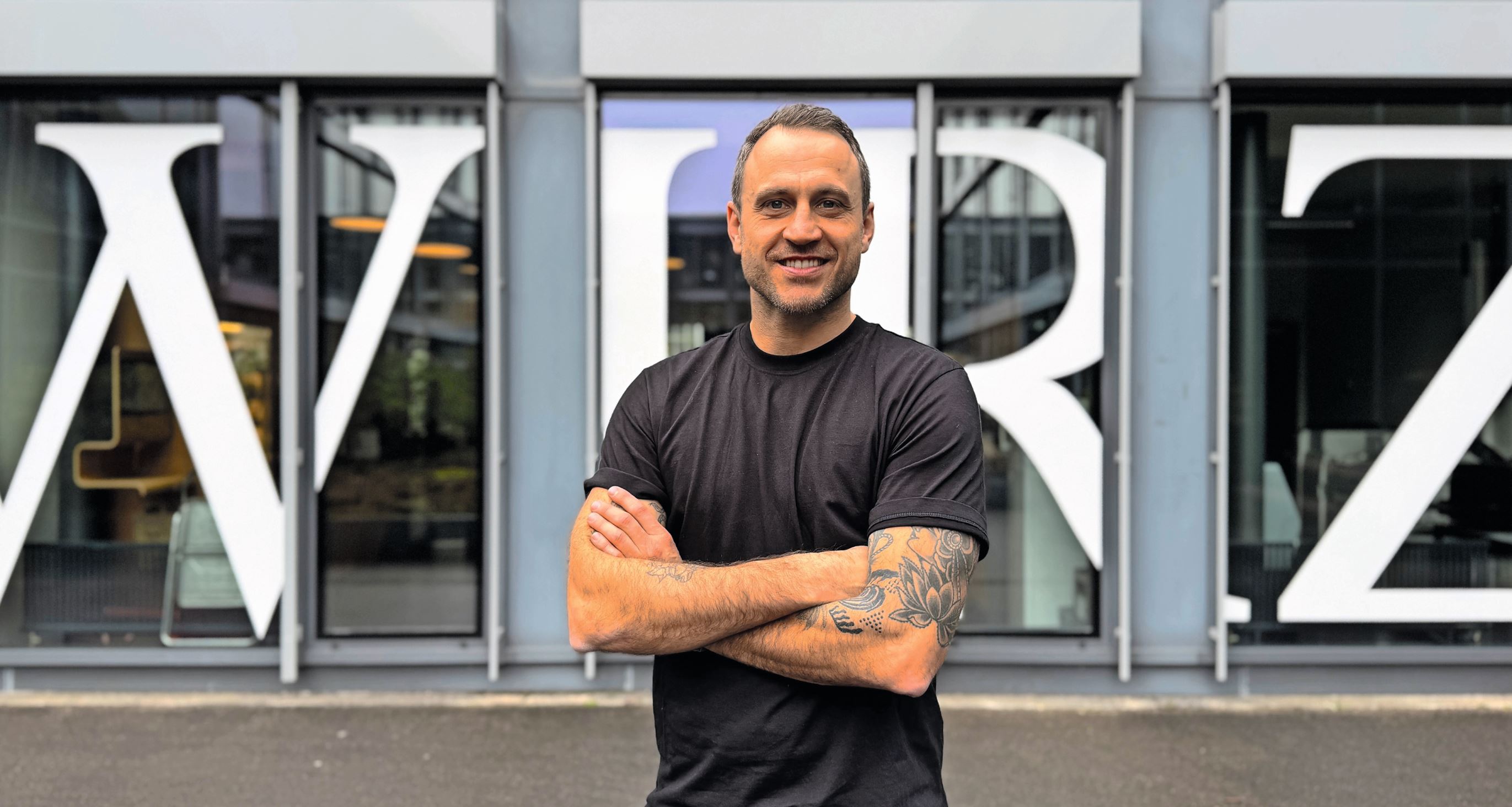
m&k Florian Avdic, you came to Switzerland from Berlin to kick-start a creative revolution at Wirz. Why this move - and why Wirz?
Florian Avdic I came to Switzerland because someone asked me if I wanted to develop a traditional, extremely creative agency together. Not as an external consultant, but as an entrepreneur. We wanted to build a business model that works more effectively for clients and has more of a future. After two years of development and intensive collaboration with strong clients, now is a good time to explain what we do - and why.
Wirz often uses the term creative capitalism. What does it mean?
Creativity is one of the most important corporate resources - and at the same time the last one to be used completely unsystematically. HR, technology, cash flow, innovation: everything is managed, measured and optimized. Creativity, on the other hand, is purchased on a project-by-project basis, evaluated according to gut feeling and often reduced to creation. We would like to see more creative capitalism. This means using creativity in a targeted, systematic and scalable way with a clear focus on value creation.
That sounds a lot like business - doesn't the magic get lost in the process?
On the contrary. Creativity is often used like an iPhone that you only use to make phone calls. But it is a supercomputer. It can solve strategic challenges, create growth in saturated markets and make brands relevant. Maximizing value may not sound sexy, but it is honest. And necessary.
What specific changes have you made at Wirz?
We have rebuilt the entire business model: Offering, value creation, processes. Everything is geared towards creating maximum value for our customers. That's why we don't sell hours. Our customers don't want effort, they want solutions. Growth. Our goal is to make growth accessible - via three levers: brand capital, market readiness and new game.
Why is now the right time for this approach?
The market is clearly moving in this direction. Budgets are under pressure, impact is becoming more important than quantity and brand building is back at the top of the agenda. This means doing less, but doing the right things. Clear priorities, tidy customer journeys, strong marketing architectures. And more courage to come up with big ideas, blockbusters that people talk about.
Many are calling for more courage to take risks. They think this is unworldly. Why?
Because people don't like risk. Risk is the possibility of failure - and we instinctively avoid it. At the same time, we want brands that take risks. Strategy can resolve this contradiction: not through blind risk, but through quick hypotheses, quick testing and quick learning. This is how courage becomes feasible.
What role does AI play in this?
AI is a huge catalyst. It makes solid brand work easier and cheaper. That's good - and dangerous at the same time. Because it makes mediocrity very efficient. This makes differentiation, strategy and cultural sensitivity all the more important. Those who ignore this produce highly optimized irrelevance.
You have been living in Switzerland for two years. What surprised you?
Switzerland is full of contrasts: Tradition and innovation, "Bünzlitum" and cosmopolitanism. This is exactly what makes it so exciting. There is an incredible amount of potential here in marketing and communication. I am still very hyped to be here - also because of the people at Wirz. The path is right. Now it's about continuing on it consistently. Together with our customers.
"Creativity is often used like an iPhone, which you only use to make phone calls. But it's a supercomputer."