"The real encounter with a brand can become the decisive trigger"
Whether it’s events, trade shows, roadshows, or pop-ups: there are many ways for brands to connect with their target audiences in real life. Juri Camagni, CMO of Andreas Messerli, explains in an interview why this approach is so successful—and what companies need to keep in mind.


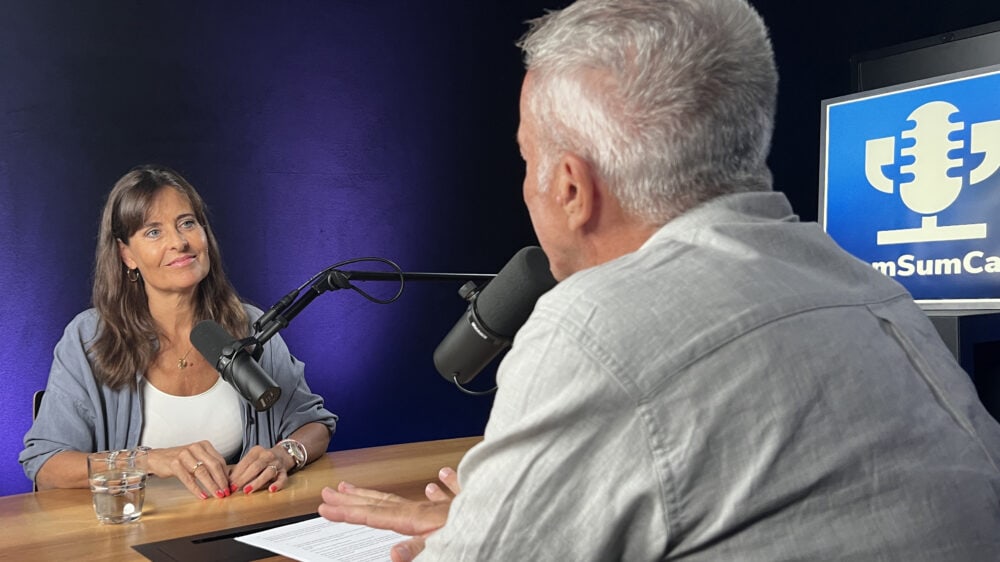
 Werbewoche.ch: Mr. Camagni, almost anything is possible digitally today - brands target their target groups precisely and offer exactly the right solutions at the right time. Why is it nevertheless (or precisely because of this) important for brands to also get in touch with customers with real experiences?
Yuri Camagni: There is no question that the involvement of the target group is significantly stronger and more lasting with live experiences. Provided that the keyboard is played correctly and the company succeeds in leaving positive and lasting impressions with the target group. In a customer journey, the touchpoint, or let's call it the real encounter with a brand, can be the decisive trigger for an action. Meeting and exchanging ideas live creates trust. The haptic experience with the product at trade fairs, points of sale or in showrooms can also contribute significantly to the purchase decision. You may remember: In 2019, Elon Musk announced his intention to close all Tesla stores and to handle the sale of his cars exclusively digitally. Since that decision, which was reversed shortly thereafter, the number of Tesla sales points worldwide has practically doubled today. So much for the power and importance of real encounters with brands and products...
Roadshows, pop-ups, events, trade shows - there are many ways to stage brands live. Which are currently particularly popular, what are the trends, and how are they changing?
The pandemic has shown that companies cannot rely on digital alone. They have realized that a brand must continue to be managed and staged in real life in addition to its digital presence. Fortunately, there are many options available today with various performance features. Trade shows are still suitable for achieving a large reach in the respective sales market and, above all, for gaining new customers. At roadshows, a company has the unique opportunity to reach its target group on the spot. Creative promotions and campaigns ensure a high degree of interaction and can be well planned geographically and seasonally. 
So-called in-house trade shows are becoming increasingly popular: here, many customers have a positive experience and combine the benefits of an exclusive customer event with a performance show, enjoying undivided attention in-house. Pop-ups, on the other hand, have a limited lifespan, but can be very interesting as they provide companies with inexpensive temporary access to an exclusive sales location, allowing them to benefit from new customer flows. This spectrum makes it possible to define the right measures for each specific communication objective of a brand. This is a welcome development for Messerli, as our broad range of services and many years of expertise enable us to provide our customers with holistic advice and support.
What do companies have to pay special attention to when staging live - what mistakes do they make?
First and foremost, live appearances by companies must be authentic, aligned with the brand essence and the target group. Successful appearances activate the visitors and ensure lasting experiences. Today, consumers want to interact with the brand and be part of the story. However, this customer involvement places high demands on concept and content as well as on project implementation. Companies that turn to live experience specialists here ensure that they achieve their objectives stringently and efficiently. An important aspect is also the digitalization of the event: the digital extension of the event leads to a better reach. I'm thinking here, for example, of a digital teaser campaign that generates more attention and more visitors in the run-up to the event. Even after the event, there should be no abandonment of the experience. The company should use targeted messages to maintain contact afterwards and thus extend the customer journey.
What are the dangers for brands and companies that rely on a purely digital approach, and what potential are they giving away?
I believe that "digital" gains in attractiveness through the physical component and vice versa. That's why I would rather speak of the potential that can arise when digital and live merge to create unforgettable experiences. This combination prolongs and intensifies customer loyalty and leads to greater success. That's why we try to show our customers digital solutions for all live appearances, so that they can engage more intensively and sustainably with their target group. To this end, we have opened a dedicated digital lab in Wetzikon, where we explore and present various solutions for activating customers. These solutions awaken the target group's instinct for play and discovery and can be tailored to the company's communication goals. At Messerli, we develop such digital projects to measure, but if necessary we can fall back on rental modules for both software and hardware, thus saving the customer's budget.

How can live communication be optimally embedded in the customer journey?
We recommend that live communication not be viewed as isolated measures. A trade show appearance or an event must fit into a company's communication strategy and give it wings. We already talked earlier about the upstream and downstream measures on how to extend an event. I would therefore like to reflect on the application of a clever content strategy. Many companies still have room for improvement here and miss out on integrating and continuing existing campaigns at live com events. On the other hand, content created specifically for an event is rarely reused and thus has too short an impact time. At the same time, the attractive backdrop of a live com event is particularly suitable for producing digital content and playing it out on social media. Most of our brand spaces therefore have a hotspot that is staged in a particularly "Instagrammable" way. In this way, visitors reinforce the attention of the performance by sharing it and ensure more reach.
Do you have examples of brand staging in the space that show well what is possible in this today?
We are fortunate to be able to advise and support numerous clients from a wide range of industries. They have very different needs, and our goal is always to help them develop their presence and inspire their customers in the process. Our approach is to turn the visitors into actors and to actively involve them in the event. This activation promotes interaction with the company and enables precise messages to be conveyed. A good example of an activating overall concept is the trade fair appearance of our long-standing customer Uster Technologies at the last ITMA 2023 in Milan. The technology company is one of the leading quality assurance providers in the textile machinery sector and has anchored this mindset in its DNA accordingly. This high level of quality awareness had to be conveyed with the trade fair presentation. By means of digital staging and touchpoints, visitors were able to internalize and feel the quality claim as well as the solutions of Uster. The interaction of physical and digital components was successfully implemented at various touchpoints and generated enthusiasm among the technology-savvy target group. Among other things, visitors were able to test textiles themselves with the "Fabric Inspection Game" and have them measured.