Publishers focus on content and innovation
Epiphany Conference: Instead of complaining, Swiss publishers want to win over paying readers with innovation, quality, and content.


The "prophets of the trinity" from academia, left-wing and right-wing parties are missing the point with their criticism of the quality of the media, said Hanspeter Lebrument, President of the Swiss Media Association, at the Dreikönigstagung in Zurich on Tuesday. There is neither a mainstream nor an opinion cartel in the media, as is often claimed.
Call for unity
Media diversity is a fact of life. It is more important that editors-in-chief and publishers pull together. The Swiss watch industry, which was still a crisis sector in the 1980s, demonstrates this unity. Numerous editors-in-chief from Swiss media companies were conspicuous by their absence at the 2013 annual congress in Interlaken. Lebrument was convinced that publishing houses with good products will continue to find their readership in the future. Veit Dengler, head of the NZZ media group since October, and René Lüchinger, editor-in-chief of Blick since the beginning of the year, showed a spirit of optimism. They are focusing on content and innovation. And they want to listen carefully to what customers want.

Old concepts unsuitable
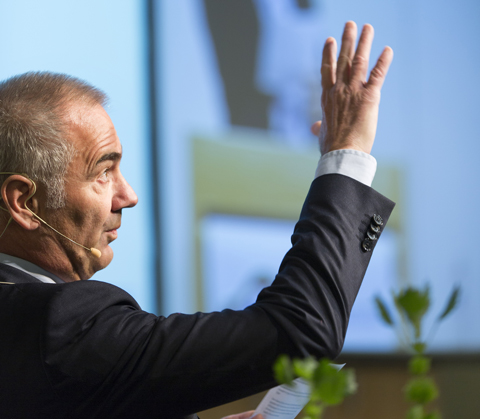
Media companies must adapt to a new reality, said Dengler. Publishers must learn to be agile and flexible. These virtues are not in the genes of publishers. The new NZZ CEO referred to examples from abroad such as the Financial Times and the German Axel Springer publishing house, which are pushing ahead with digitization at full speed. The new challenges could not be mastered with old concepts inherited from the printed press. New ideas and business models are needed. Today, online portals often imitate newspapers. The much-praised general payment barriers for media use (paywall) in the industry are also based too much on models from the print sector. Media such as the Wall Street Journal took a different approach. They continuously analyzed user behavior and then decided whether an offer should be paid for or free. The Wall Street Journal and the Financial Times had massively expanded their editorial teams with such data analysts. The results also influenced the design of the pages in the newspapers.
A new love of words
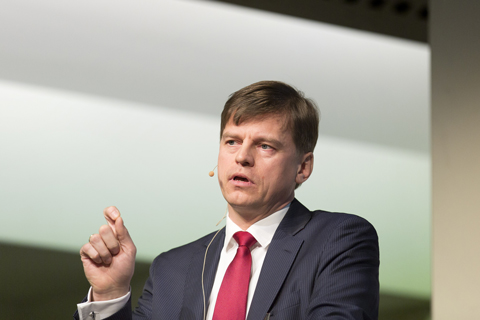
"Who the hell still pays for tabloids?" René Lüchinger, editor-in-chief of Blick, asked provocatively. After all, tabloids are present in all media today. But instead of falling into depression, journalists should reflect on their profession. The desire for words, images, headlines, creativity and composition should once again take center stage. "I am convinced that readers are willing to pay for exciting, well-presented stories. Provided that the stories are really good," said Lüchinger. As an example, the new Blick editor-in-chief cited the headline in the German Bild newspaper on the occasion of Josef Ratzinger's election as Pope: "We are Pope". It doesn't matter whether these stories are published on the Internet, on the iPad, the iPhone or on paper. The public wants to read just such stories. This also applies to topics from politics and business, which Blick takes up in a tabloid style. "I don't believe that the whole world will only want to be informed and entertained electronically in the future. Print has a future." (SDA)
Images: Keystone