
Nestling instead of dung scraper
Investigative reporting can spark sociopolitical upheavals: This is the message of an anthology that should be required reading for both aspiring and seasoned journalists. Because it inspires and demonstrates the relevance of a profession that has fallen into disrepute.


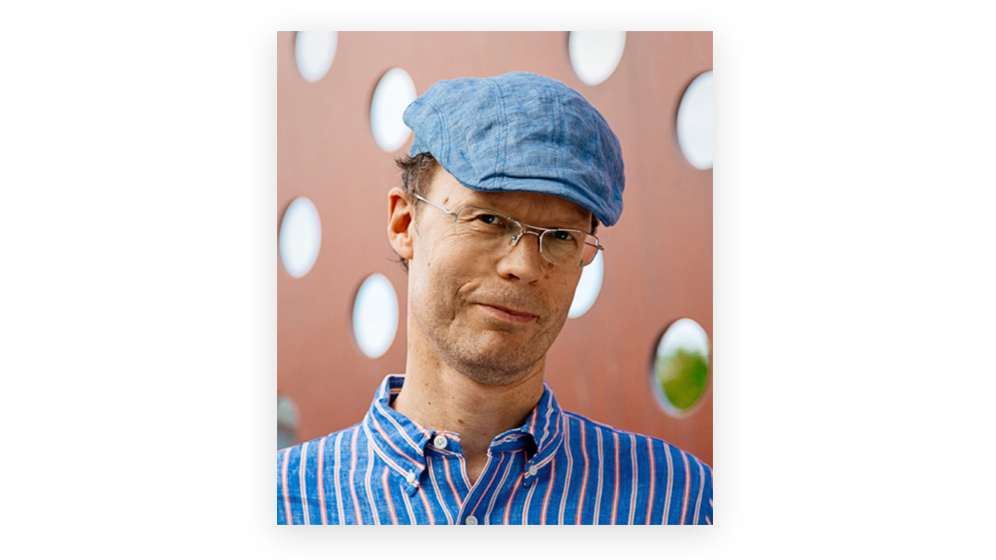
from Oliver Classen
Sabbatical at last! After convincing my family and my employer of my temporary dispensability late last fall, the time had come in mid-May: three months off to distinguish the essentials from the non-essentials again after ten years on the hamster wheel. On my solo trip along the American west coast, my media consumption - even without a digital detox plan - soon tended towards zero. Brexit, terror, amok & co. were, to paraphrase Karl Kraus, "not even ignored" and even the noisy US pre-elections remained just faint background noise in view of the intense landscapes, encounters and reflections.
But then I entered the "City of Books" in Portland, the largest independent bookstore in the world. And there I stumbled less over the title "Global Muckraking" than over the name of its publisher: New York media professor Anya Schiffrin is also the wife and manager of Nobel Prize winner Joseph Stiglitz, whom I was able to bring to the Public Eye in Davos in 2011 thanks to her support.
Texts that change the world
Instead of the usual breaking news, I spent the following days immersed in a media history book. Admittedly one of a special kind. Schiffrin dug through the best press archives on all five continents to compile the 50 most important scoops from over 100 years of investigative research. What she has unearthed and had expertly curated by journalists, academics and activists are texts that changed the course of the world, at least for a little while. And put some of those who did it behind bars or - in individual cases - even to the grave. Ken Saro-Wiwa, for example, was executed in 1995 for his reports on corruption and war in the oil-contaminated Niger Delta. A century earlier, a certain Alicia Little from faraway China first reported on the "lotus feet" that were kept small there (using bone-breaking bandages). This type of female mutilation, which was common at the time, turned the wife of a British trade diplomat into a committed journalist who launched one of the first and most successful human rights campaigns based on her research.
Among the icons of curiosity and resistance collected by Schiffrin is a story with a Swiss protagonist. The Guardian scoop "Milking the Poor" by Mike Muller triggered the legendary global boycott campaign "Nestlé kills babies" and can be read in the original book, annotated by the author himself.
For young talent and professionals
Such reading fascinates and inspires not only trainees, but certainly also the many editorial professionals who struggle to believe in their professional mission. "Nothing is older than yesterday's newspaper", the popular saying has always mocked. "Nothing is more up-to-date than the best investigative stories in the history of journalism", these muckrakers counter today. An epochal reminder and admonition in times when more and more media professionals are suffering from crises of meaning and existence and the investigative reporter has long since degenerated into a clichéd art figure.
Last week, another such specimen was on show: In the TV film "The Fourth Estate", the last upstanding editor in the corrupt Berlin republic takes on pharmaceutical companies and the health minister - with rough charm and such cool lines that the anti-hero, who has been washed in all kinds of water, looks as if he too should be laughing at the script. In comparison to the unpretentious nest-smearers in Schiffrin's anthology, this decal of an investigative journalist is a dung scratcher at best - another translation of the dazzling Muckraker.
However, our democracy does not need vain scallywags, but uncompromising journalistic passion. Then the scoops will come all by themselves.
Oliver Classen is media spokesman for Public Eye (formerly Berne Declaration) and columnist for Werbewoche.
This column is from the current issue of Werbewoche 14/2016.


