«Movies are like the Champions League»
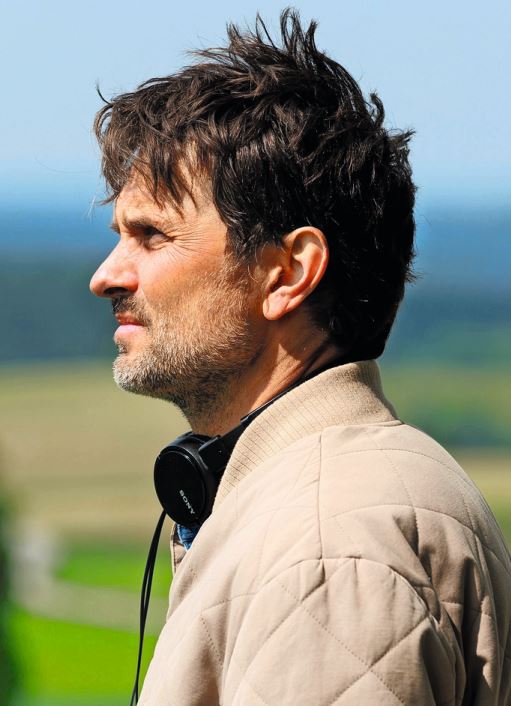
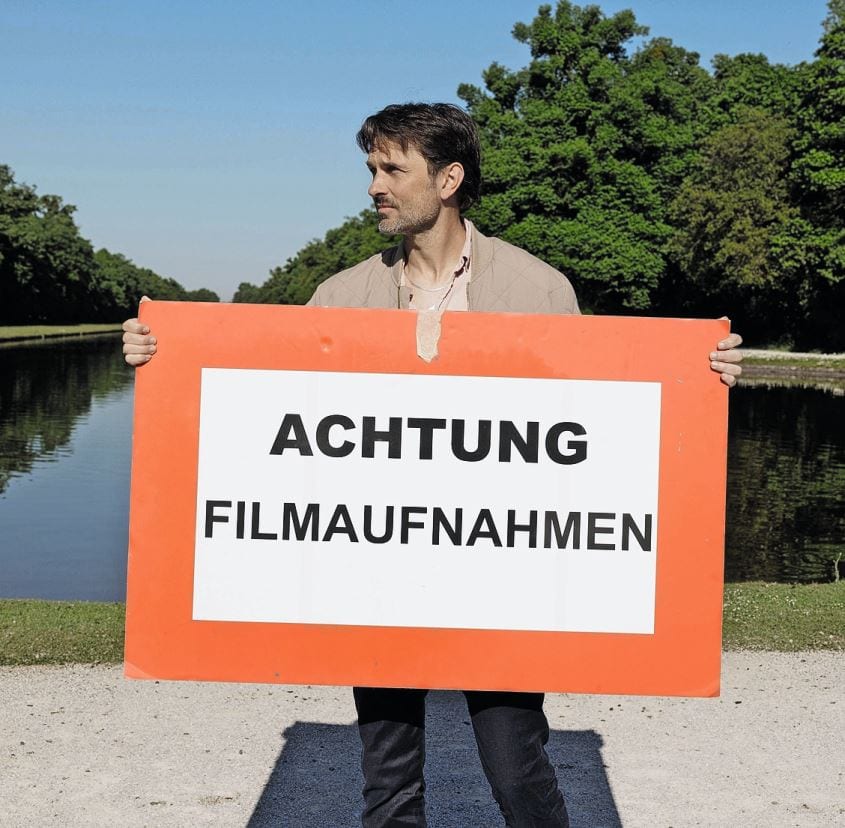
Between a commercial and the big screen, between a mother and a leading lady, between loss and the joy of life: Film director and screenwriter Simon Verhoeven talks about storytelling in an age of constant distraction—and about why authenticity is more radical today than any special effect. A conversation about humor, responsibility, family, and the longing for genuine depth.


m&k Do you think the way we tell stories today has changed radically—or are we, at our core, still telling the same human stories as we always have?
Simon Verhoeven I think, at the core, we’re still looking for the same stories. The same human experiences, the same emotions, the same conflicts. That hasn’t changed. But we’re conditioned differently. That’s certainly true. My children, for example, have completely different expectations when it comes to pacing in stories—how quickly something has to start, how quickly it has to grab their attention. Going to the movies today is almost an unusual experience: you’re consciously committing to something longer. We’re used to everything being told very quickly. In advertising—which I was involved in for a long time—there’s this discipline of extremely fast storytelling. And I think that’s an art form, too. I’m not against it at all. But I hope—and I’m seeing this happen—that there’s a longing, especially among young people, for longer, deeper storytelling. Even among 15- to 20-year-olds. Even if they aren’t actively seeking it out: when they experience it, they often engage with it very intensely. That longing probably hasn’t changed at all. But the potential for distraction is enormous today. A constant barrage of social media, advertising, short videos, and entertainment—all on a fast-food level. And that’s exactly why it’s all the more rewarding when you really immerse yourself in it.
You come from a family of theater and film professionals. Your mother is the actress Senta Berger, and your father is the director Michael Verhoeven. Has storytelling always come naturally to you?
Of course it’s important. But I don’t think I’m all that different from many other kids in that regard. I grew up with bedtime stories. My mother would read to me or tell me stories—and I’d often tell her beforehand what had to happen: a princess, a knight, a volcano. My little son does exactly the same thing today. He gives me a “request list,” and I have to improvise. On Sundays, we’d go to the movies—while others might have gone to church. My father and I would sit in the movie theater, and afterward I’d reenact the movies at home, build sets, and put on shows for my grandparents. I was very encouraged to let my imagination run wild. It wasn’t a hobby; it was a natural, important part of everyday life. My father and I drew a lot—that, too, is storytelling. I wanted to draw comics, even as early as age six. Perhaps the key difference is the encouragement—that parents say, “What you’re doing is important.”.
How does one find one's own style—especially with this background?
You can’t artificially invent your voice. You discover it. I grew up with influences that were completely different from my parents’—1980s American movies, TV shows, and children’s films. My parents, on the other hand, showed me films by Billy Wilder. And sometimes I’m amazed at how close my sense of humor is to my father’s. But my father was a very political filmmaker, shaped by postwar Germany. I grew up more carefree; I didn’t have that trauma to work through. In film school, I always thought I was an arthouse director. And then people laughed at my dialogue—much more than I’d expected. That’s when I realized: Ah, maybe this is my voice. Learning to master that balance between humor and emotion—between comedy and drama—that particular tone—took me years. Today I feel more confident with it. But it was a long journey. And it’s not over yet.
What's it like to film with your own mother—for example, on her latest movie, *This Gap, Oh This Horrible Gap*?
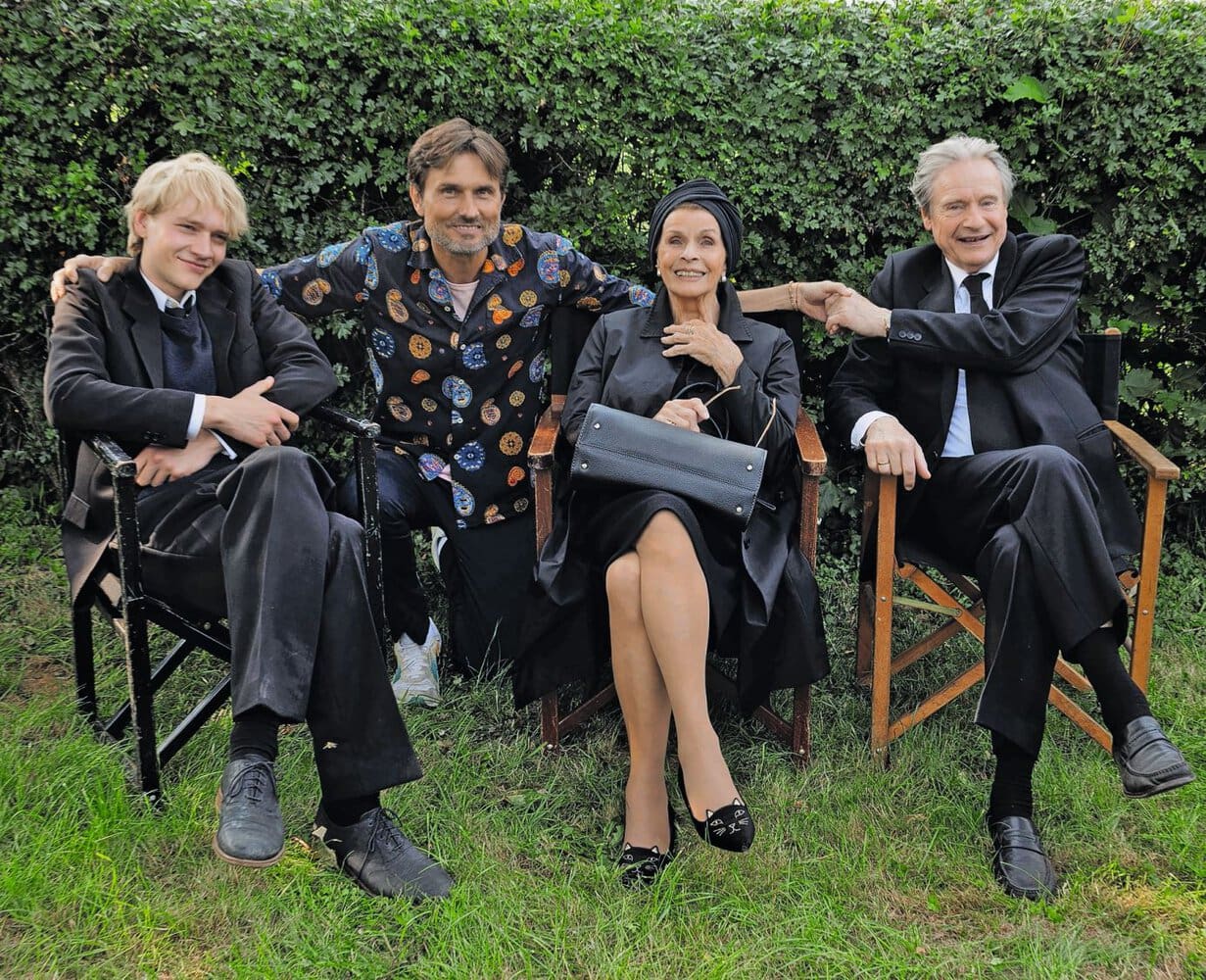
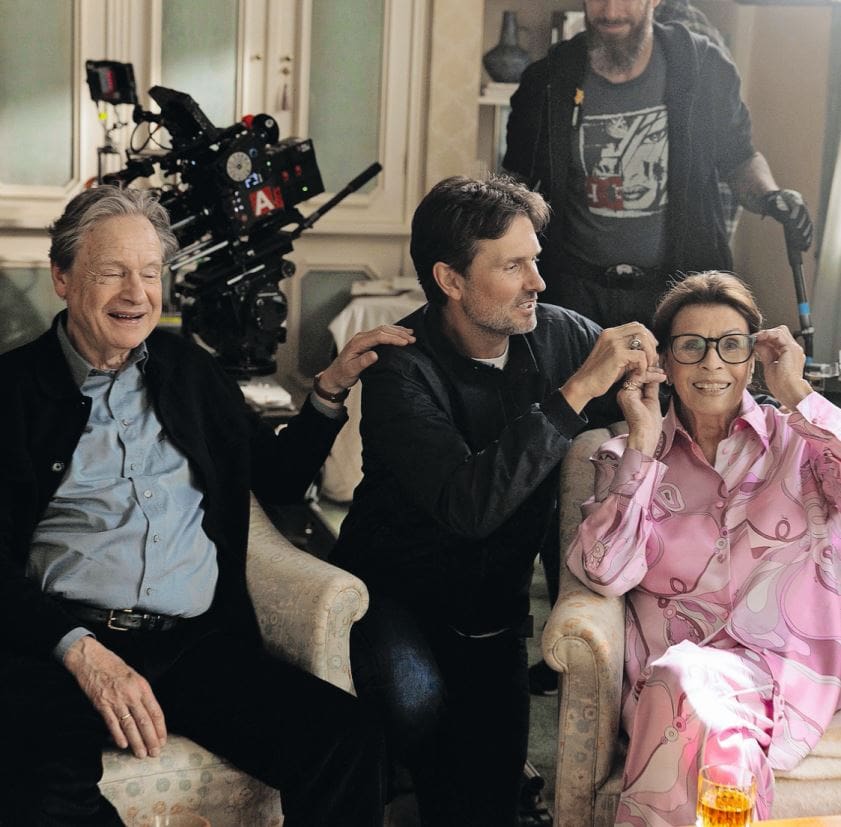
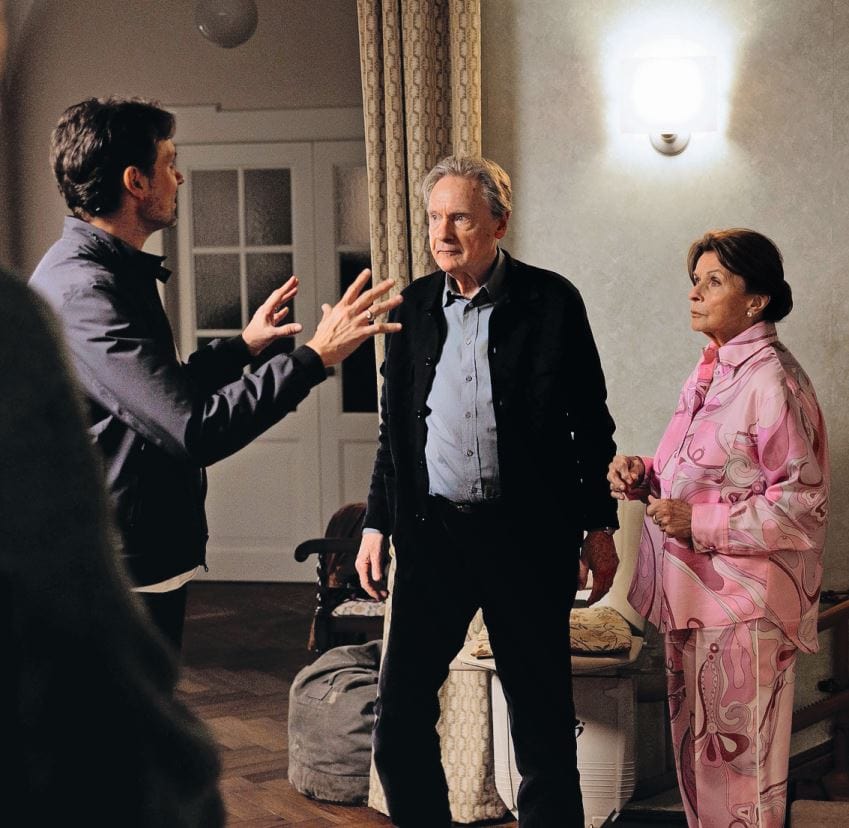
Surprisingly straightforward. On set, she’s my leading lady. I can separate the two—it’s almost schizophrenic. These roles help us. She trusts me as a director; otherwise, she wouldn’t be making the film. And we both had great confidence in my screenplay. Of course, we still call her «Mom» on set—that always brings a smile. But then it quickly becomes second nature. The work was wonderful. So wonderful that I had to be careful not to get too carried away too quickly. To stay level-headed. After all, timing in comedy doesn’t come just from acting, but above all from the editing. So my job is to create this familiar, extremely lively space—while at the same time maintaining total order for the editing later on. When you work with great actresses like my mother, you’re constantly surprised by their skill. You watch as the lines come to life, and you often think: Wow. That’s even better than I imagined.
Has the loss of your father changed the way you tell stories?
Sure. Not consciously. But when you see your father being carried out of the house in a coffin, and your mother left behind—that changes you. Those moments—the funeral, saying goodbye… It affects you deeply. It made me more vulnerable. More open. Everything has shifted a level down. You understand the fragility of life even more deeply. And also the simultaneity of it all: You say goodbye to your parents—and play with your own children that very same week. This cycle becomes very real.
What would you like to tell your children about your work?
My older son is 15 and is actually thinking about going into the film business. He’s already wondering whether he should use a different name than Verhoeven. (laughs) – I know that feeling all too well. I would always encourage him. Despite all the uncertainty of these times, I believe the essence of storytelling remains. And it won’t be taken over by a machine—perhaps supported, but not replaced. The bigger problem is really time management. I remember that my parents also worked during the holidays. My father sat at his desk, my mother read scripts. So the office is always there, in a way. That’s a challenge for me. At the same time, there’s also an unconventional freedom. When other parents are working, I sometimes have time off and want to do something. But then no one has time for me—everyone’s tied up with school and work (laughs). But generally, I try to be truly present when I’m on vacation. That’s important.
How do you reach people today—in an age of endless scrolling?
You can try to be the loudest. But I think those are the ones that get lost in the crowd. It has nothing to do with volume. It has to do with an idea. With a story hook. And with depth. When people feel like they’re seeing something real and authentic, that’s what stands out. So much today seems interchangeable—like it’s AI-generated. That makes the human factor all the more important. Authenticity.
Do you already think about marketing when you write?
Yeah, a little. I often think about the poster first. Or the title. That helps me keep a vague goal in mind. Sometimes, while writing, you realize: This is a teaser moment. But basically, a whole new process begins during filming and editing.
A commercial lasts 30 to 100 seconds, compared to a two-hour movie—a sprint versus a marathon?
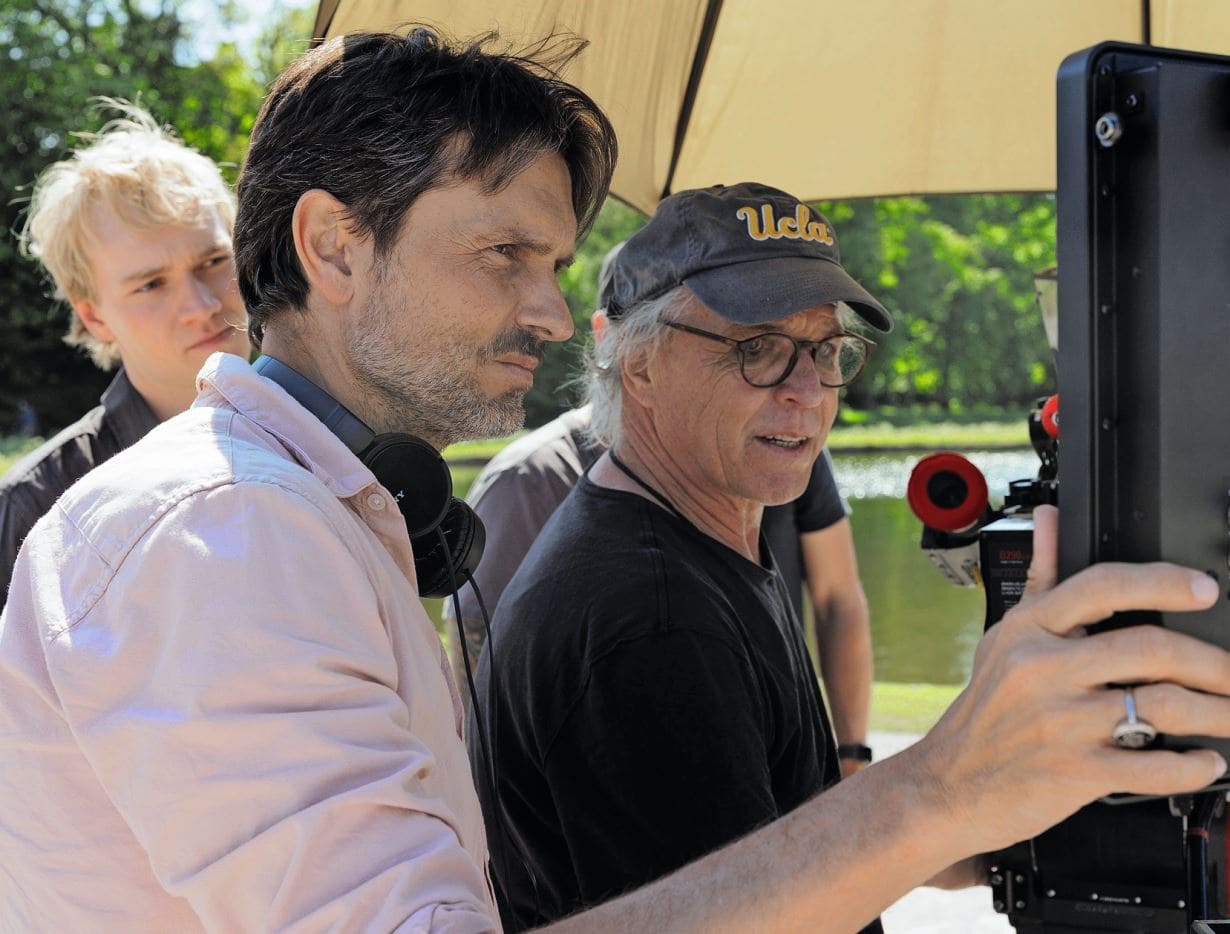
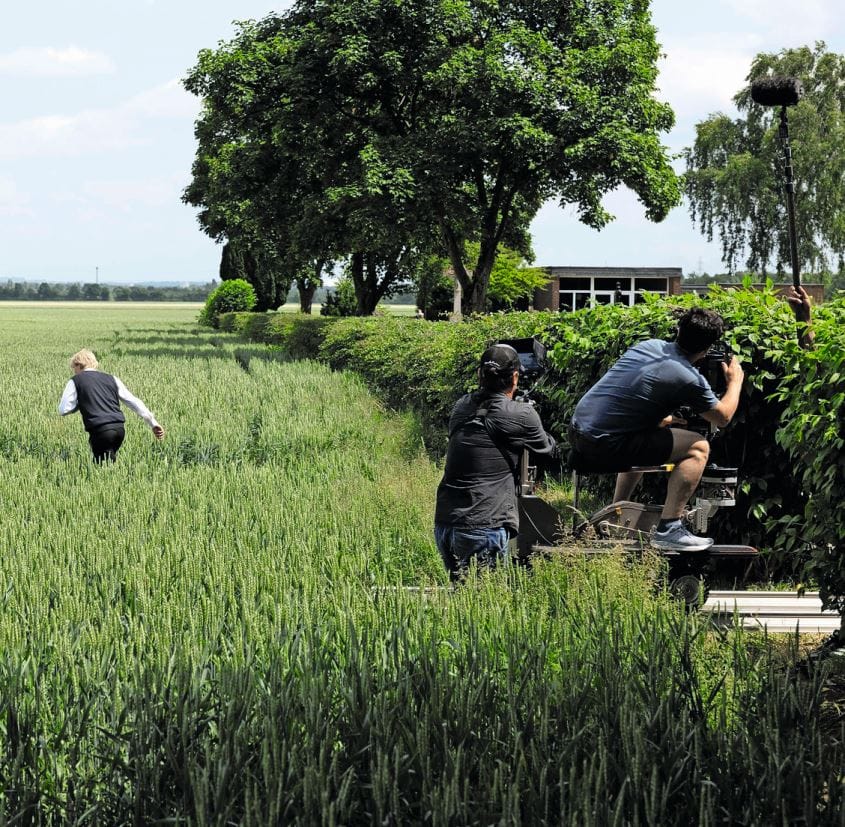
There are surprisingly many similarities. Even a 30-second spot has a first act, a middle section, and a climax. The structure remains the same. One rule of thumb is: Get in as late as possible, get out as early as possible. Trust the audience. Commercials often explain too much. I always advocate for prioritizing the story over branding.
What can the movie theater do that streaming can't?
The movies are like the Champions League. The concentration. The atmosphere, almost like a church service. Strangers sitting together in the dark—it’s archaic. Almost like sitting around a campfire in the old days. Theater and cinema are the supreme disciplines.
What do you hope to evoke in your audience with your films?
I don’t start by thinking about what I want to convey. I write something that stirs something within me. Otherwise, they’d just be films with a message. I want to tell stories that truly engage me. And I hope that comes across. I’ve developed a deep appreciation for life—a love of life. My films try to celebrate life—without trivializing it.
Your movies are often very funny. How do you portray humor without making it seem trite?
I have to find it funny myself. Sometimes I laugh while I’m writing. But I cut out a lot if it seems forced. Jokes just for the sake of jokes don’t work for me. Humor comes from the story. From the characters. And I keep checking that right up until the very end, on set. If something doesn’t work during filming, it won’t work in the movie either. You have to develop a keen sense for that. Sometimes you just have to change small nuances—words, rhythm.
You're a trained actor yourself. Does that make a difference?
I suppose so. I’ve often felt uncomfortable in front of the camera—left on my own. That shaped me. As a director, I try to create a safe space. Trust is everything. But with structure and without chaos—clear leadership is very important. The actors need to feel that I’ve got things under control, so they can trust me. Many big stars have enormous insecurities—especially at the beginning. My job is to establish an honest connection from day one. «Let’s be real.».
And when the film is «born,» what does that moment feel like?
I’m nervous before the premiere. But the test screening—that’s the moment of truth. 500 people, me right in the middle of it all, incognito in the theater. If it doesn’t work, you know it right away. And that’s a good thing. My first film, «100 Pro,» was a flop. I was 28. The balance wasn’t right. The film wasn’t cohesive enough, even though it had some very exciting, original sequences. I didn’t make another film for seven years after that. That was tough. But it was a learning experience.
If you had to sum it up in one sentence: How should stories be told today?
Truly. With depth. With trust in the audience. And with a love of life.
And what do you want people to feel when they leave the theater?
That they feel a little more alive than before. A little more open. More connected to themselves and to others. And that they realize: Stories run deeper than any scroll.
«I've often felt uncomfortable in front of the camera. Left alone. As a director, I try to create a safe space.»
«I've noticed that young people, in particular, have a longing for longer, more profound stories.»
Life and Work
Simon Verhoeven comes from a family with a background in theater and film. He is the son of actress Senta Berger and director Michael Verhoeven, the nephew of actress Lis Verhoeven, and the grandson of Paul Verhoeven, former director and artistic director of the Deutsches Theater in Berlin and the Münchner Kammerspiele. Simon Verhoeven’s films include *Männerherzen* (20109), *Willkommen bei den Hartmanns* (2016), *Nightlife* (2020), *Alter weisser Mann* (2024), and, most recently, *Ach, diese Lücke, diese entsetzliche Lücke* (2026).
«The concentration. The almost church-like atmosphere. Strangers
People are sitting together in the dark –
»That's archaic."