
How customer loss can be avoided


MARK MANAGEMENT In a representative study by Mediaschneider, Serviceplan and GfK, manufacturer brands were analyzed and evaluated. The result: 75% of all newly acquired customers only buy the product once.
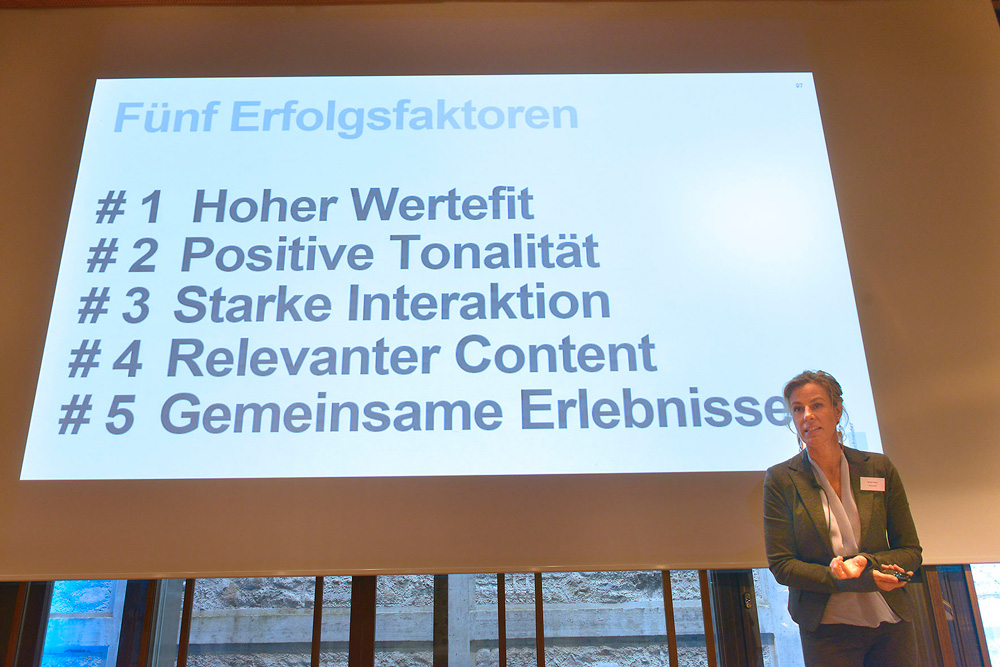
The five success factors of brand management. The comprehensive results were presented on April 14, Tuesday at the Widder Hotel in Zurich. The study on "Brand management under value" by Mediaschneider, Serviceplan and GfK was presented to around 140 guests at this year's Marketing Meeting. After a welcome address by Manfred Strobl (Managing Director Mediaschneider), Dr. Peter Haller (Founder and Managing Director Serviceplan Group), Dr. Robert Kecskes (Senior Insights Director GfK), Barbara Evans (Managing Director Facit Media Efficiency) and Monika Saeger (Managing Director Serviceplan Group) presented the results.Steady loss of customers44 percent of all manufacturer brands - and the number is rising - are so-called "burnout brands", which means that they lose over 30 percent of their regular customers every year. The brands are trying to compensate for these declines with an ever-increasing number of occasional customers: Thus, "burnout brands" usually position themselves via short-term, classic and quantitative instruments and thus appear mainly product-oriented rather than brand-oriented. This hectic and inefficient brand management leads to a loss of market share after two years at the latest. What do the other 26 percent of brands, the growing "growth brands", do better?Emotions as brand value"Growth brands", which reach new buyers with a high willingness to repurchase, position their campaigns in a much more brand value-oriented and emotional way. The most successful among them pursue a consistent value fit at all levels of marketing: they ensure that their campaigns implement their own brand values and are placed in a media environment that matches their emotional brand values. It is not the classic, rational and user-oriented marketing tools that motivate people to buy these days: "These now only account for 30 percent of market share success. 70 percent are emotional brand values, but too little emphasis is placed on them," says Dr. Peter Haller, Managing Director and founder of the Serviceplan Group.New understanding of target groupsA fundamentally new understanding of target groups is crucial in order to acquire new customers who buy a product more than once. Generalizing characteristics such as age and income are not relevant to the brand and lead to the definition of irrelevant target groups. Only target groups that are defined according to their purchasing behavior are effective and brand-specific. Three of these could be defined: "Notorious tasters", "serious switchers" and "committed loyalists". The "serious switchers" are the most interesting in the short and medium term, as they are dissatisfied with their current brand and are looking for a replacement.Individual target group approachThe three target groups are addressed individually, but they must all be addressed cross-medially and with qualitatively convincing, tailored content, because the three types of buyer have different media consumption behavior. Although TV is the main medium for all three, they prefer different channels and programs. Based on the newly acquired knowledge about the media preferences of the three buyer groups and their differentiated approach, it is possible to plan and invest in a targeted manner.


