From Gut Feelings to Hard Facts: Highlights of Media Research Day 2026
Rapid AI breakthroughs, new auditing standards, and the economics of trust: The Swiss Media Research Day in Zurich shed light on the future of the Swiss media landscape. Amid data innovations and clear analyses, it became unmistakably clear that journalistic integrity and technological progress must go hand in hand.


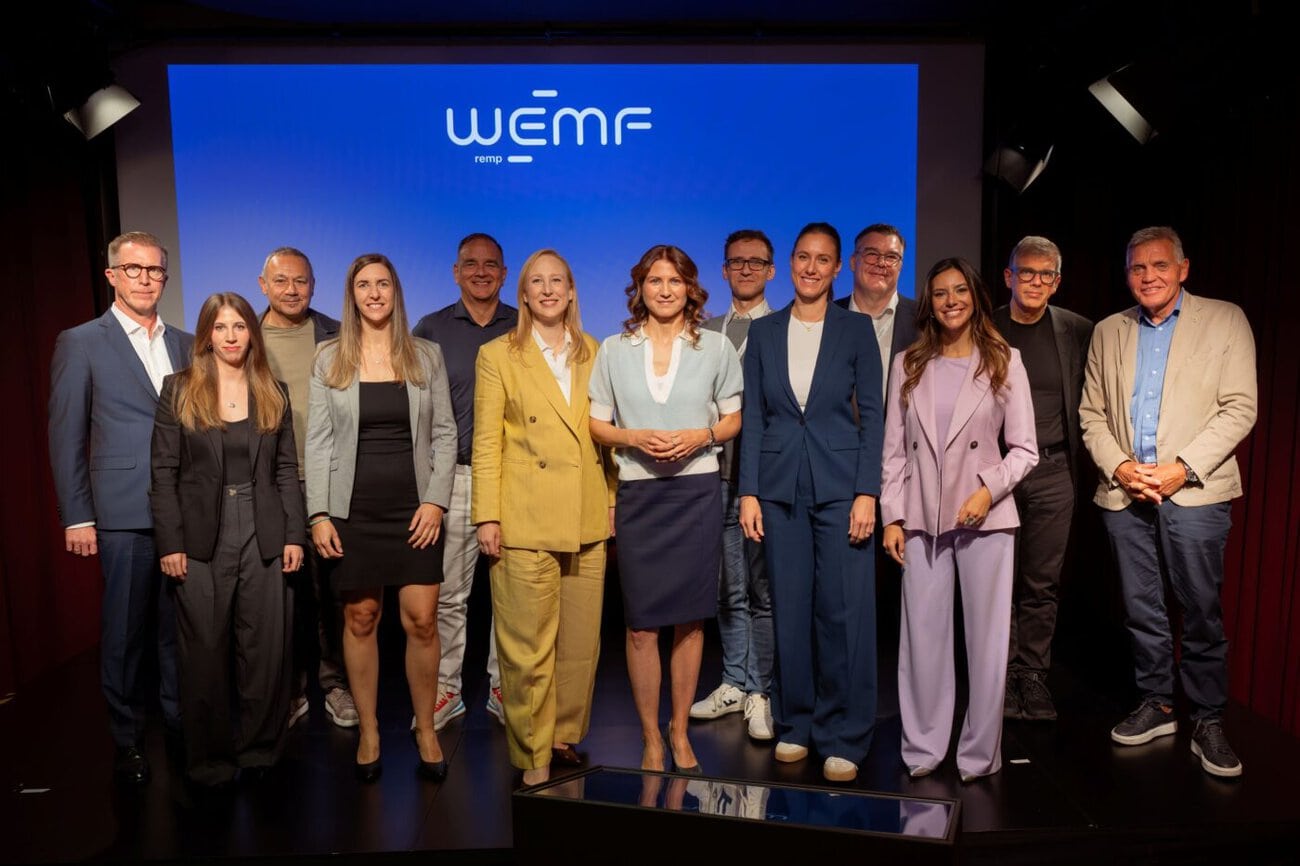
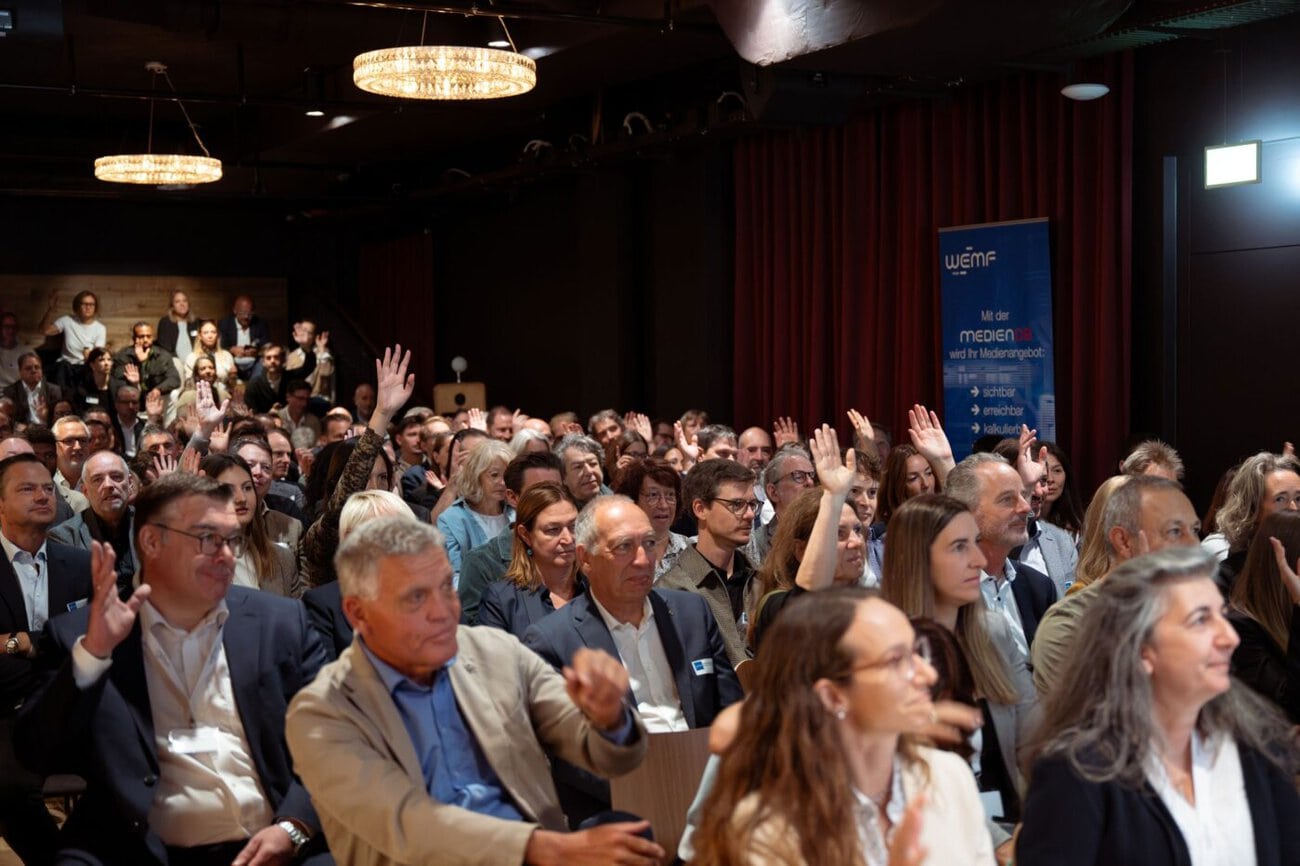
This year's Media Research Day, hosted by WEMF AG in Zurich's trendy Zürich West neighborhood, was marked by a fundamental shift. Under the theme «Real Data. Real Trust. Real Emotions,» journalists, publishers, researchers, and advertising professionals gathered at Westhive.
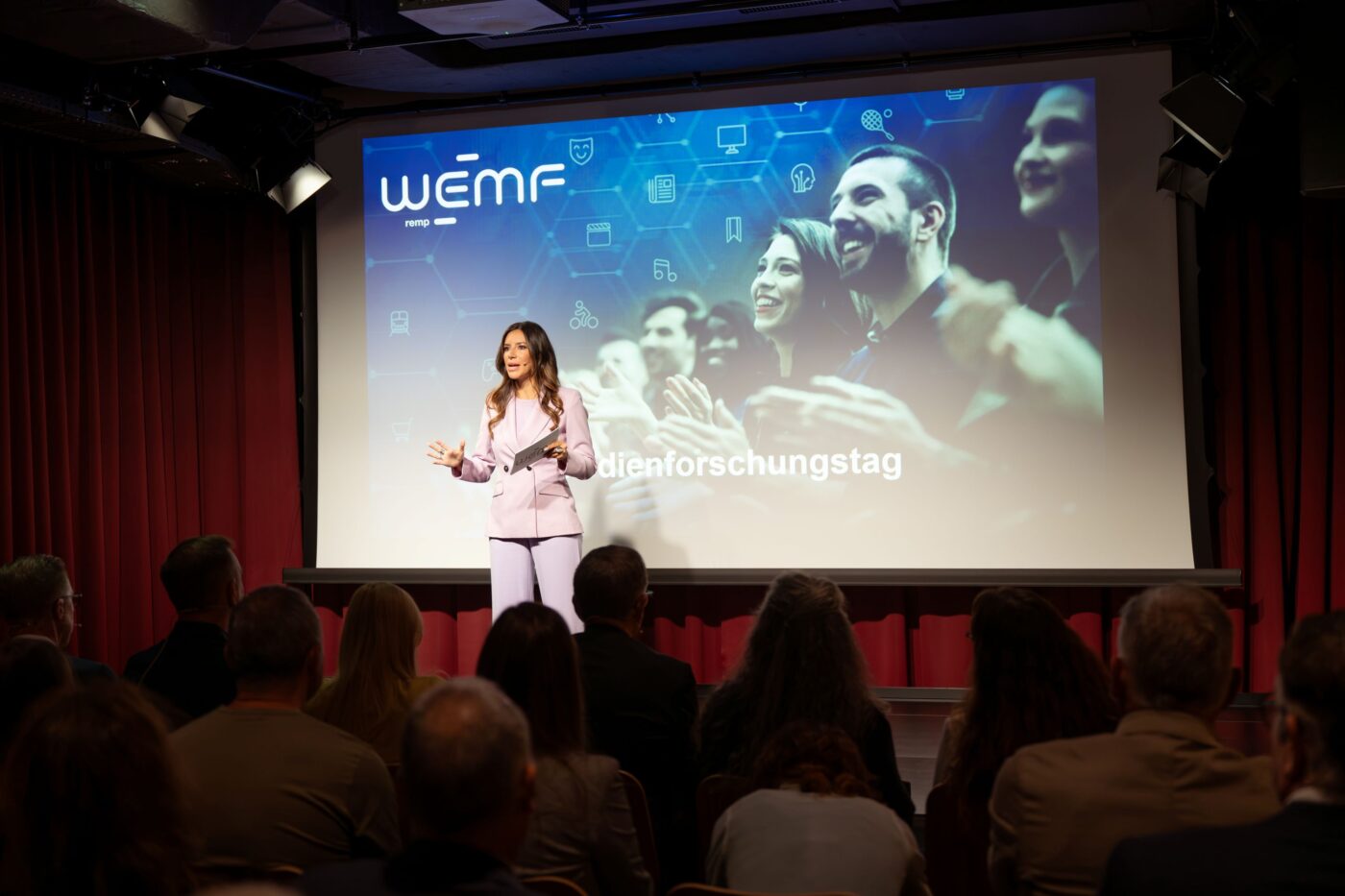
Vanessa Meier from TeleZüri hosted the morning's program with charm and energy. Jella Hoffmann (CEO of WEMF) and Marcel Kohler (Chairman of the WEMF Board of Directors) kicked off the event by welcoming the audience.

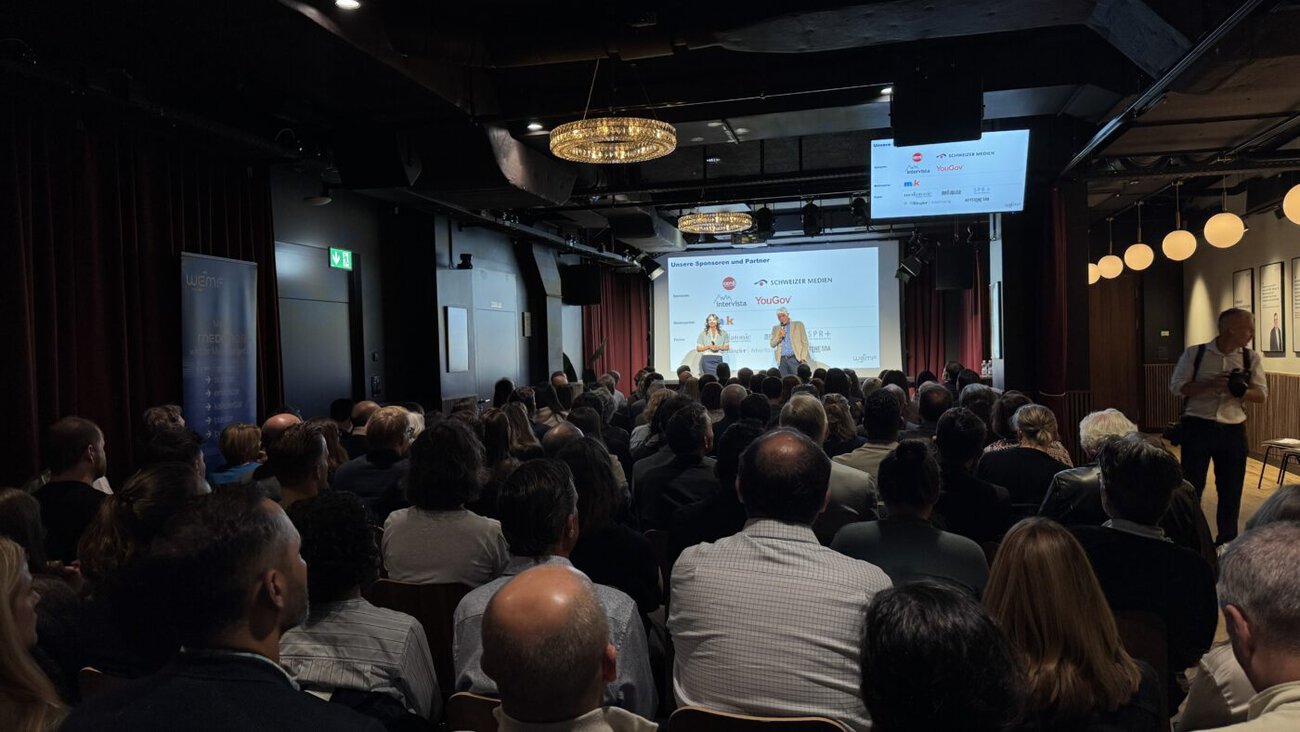
Keynote: Attention Is Good, Trust Is Better
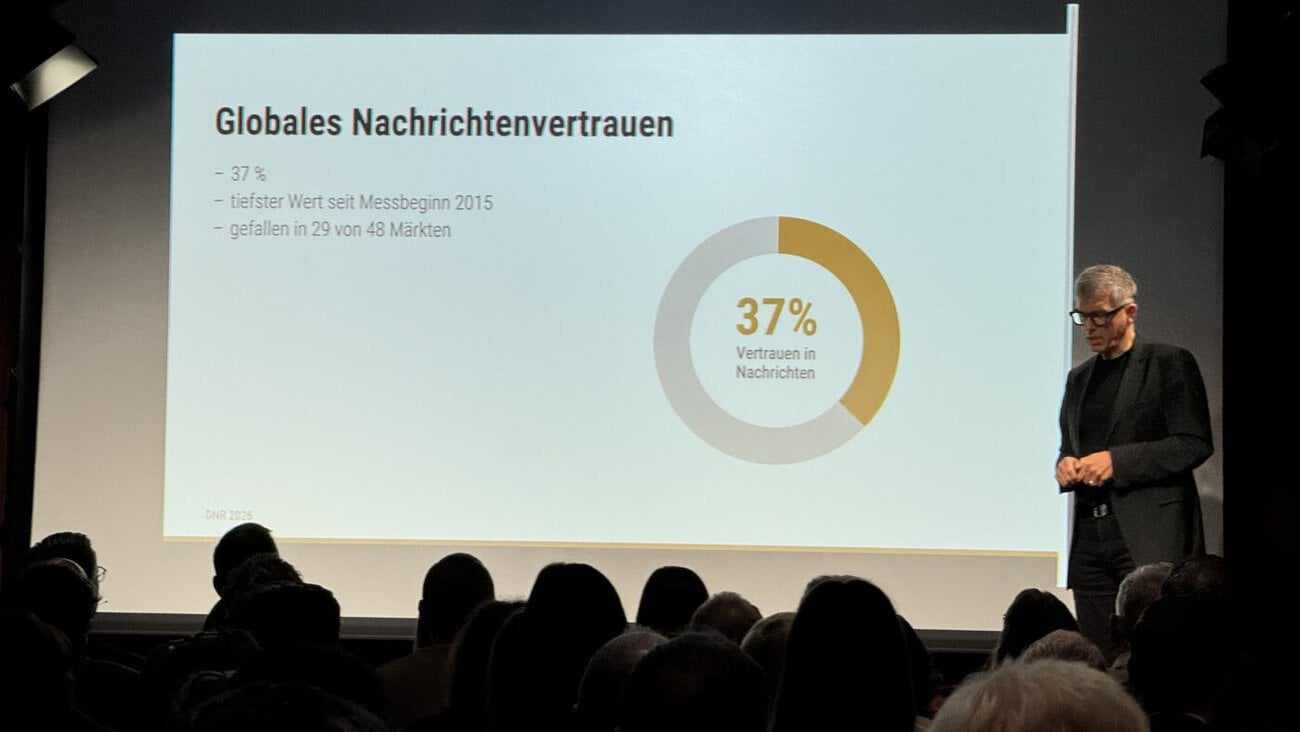
Dr. Matthias Zehnder, author and media scholar, delivered an analytical presentation on the “economy of attention” versus the “economy of trust.” He shed light on the fundamental dilemma of the digital age: While text on the Internet can now be produced at virtually no cost and in seemingly endless quantities thanks to artificial intelligence, the costs of reliable, journalistic content are rising dramatically. At the same time, however, users are becoming less willing to pay, and reach is inexorably shifting toward untested search engine algorithms.
Zehnder backed up this trend with striking statistics on AI usage: About 70 percent of people in the U.S. now use search engines that function entirely without clicks or links to the original sources. Globally, AI responses do generate a trust level of about 39 percent, but they suffer from massive quality issues. A staggering 31 to 70 percent of the responses from systems like ChatGPT contain significant issues with sources or content, and yet the traditional click-through rate to the original authors is plummeting.
What's particularly troubling is that the audience can barely tell the difference between a text that has been painstakingly researched and written and a response generated by AI. On average, the detection rate is at the level of pure chance—around 50 percent.. However, if three-quarters of the audience blindly trusts an AI-generated false story, media companies face an existential threat. Media outlets can therefore only hold their own in a highly competitive market by establishing themselves as an unshakable «currency of trust,» whose signals—unlike arbitrary algorithms—are costly, verifiable, and absolutely reliable.
WEMF as a Source of Trust
Dr. Marc Sele, Deputy CEO and Executive Director of Data and Tools at WEMF, discussed WEMF’s role as a neutral and industry-independent trust service provider in the Swiss market. He explained how WEMF ensures absolute market transparency through rigorous methods and audits.. He also presented the new Responsible AI Audit, the certification for the responsible use of AI in media companies. The program focuses on seven key aspects and assessment criteria, which are continuously verified by WEMF. Foremost among these is absolute transparency achieved through the disclosure of production and distribution processes for journalistic content within media companies, in order to verify the responsible use of AI. This is accompanied by a clear division of responsibility that ensures the assignment of defined responsibilities within editorial departments for automated content.
«Building trust is embedded in the DNA and structure of WEMF through its governing body, its committees, as well as the procedures we follow and the continuity we ensure.»
- Dr. Marc Sele
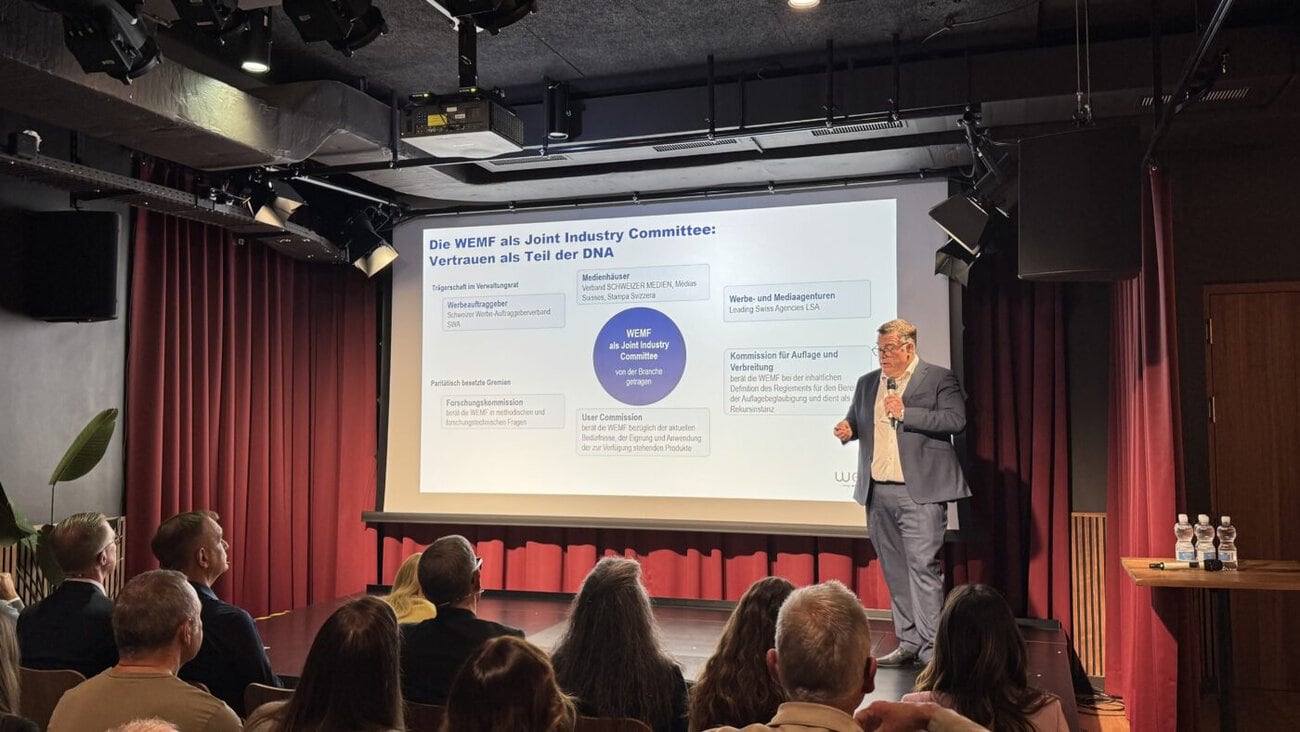
The seven key areas examined in the Responsible AI audit include copyright and usage rights, training, best practices, and risk management processes.
Credibility and AI Governance in Swiss Media
Pia Guggenbühl, director of the Swiss Media Publishers Association (SCHWEIZER MEDIEN), discussed the media policy and business challenges associated with artificial intelligence and presented the new Swiss AI Code of Conduct.
Guggenbühl emphasized that the Publishers« Association and the WEMF are working closely together to establish clear guidelines for the responsible use of AI in publishing houses through tools such as the newly announced »Responsible AI Audit.” The primary focus is on protecting copyrights, ensuring the protection of employees, and providing comprehensive proof of editorial transparency to the public.
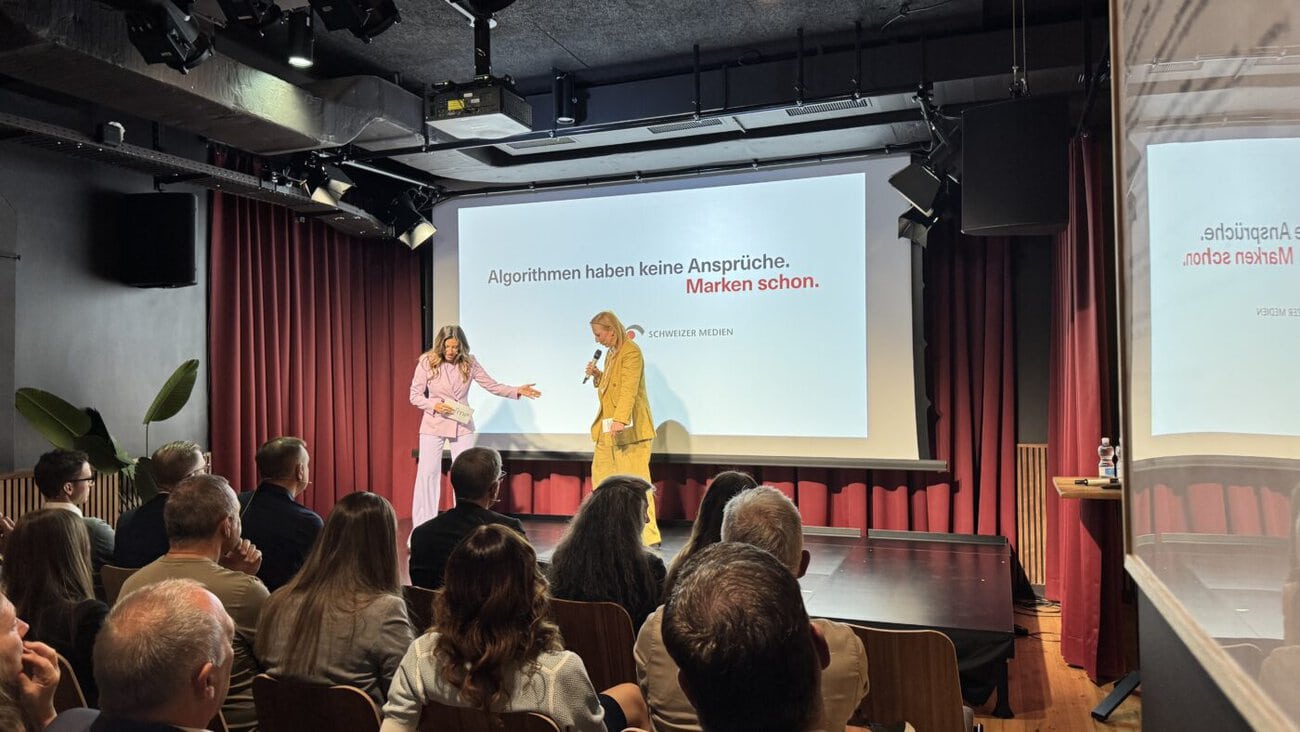
During the presentation, it was particularly emphasized in this context that, unlike global tech platforms, the Swiss media landscape does not rely on blind acceleration, but rather on Commitment and Swiss Quality Standards. While tech giants often release generative models onto the market without regulation, the association is establishing a reliable governance framework that prevents automated content from becoming a black box. The new AI code serves as a reliable compass for publishers, helping them seamlessly combine editorial independence with technological innovation.
Mediapulse and the Future of Video and Radio Research
Immediately following the remarks on media policy, Dr. Mirko Marr, Head of Research at Mediapulse AG, took the floor to shed light on current developments in radio and television research. In doing so, he provided deep insights into production and highlighted how significantly measurement methods are changing in the wake of the digital transformation.
Marr structured his assessment around three key areas: the successful convergence in video research, the pressing challenges in the radio market, and the pragmatic use of artificial intelligence in data refinement.
Video Research: From Traditional Set-Top Boxes to CTV and Online Video
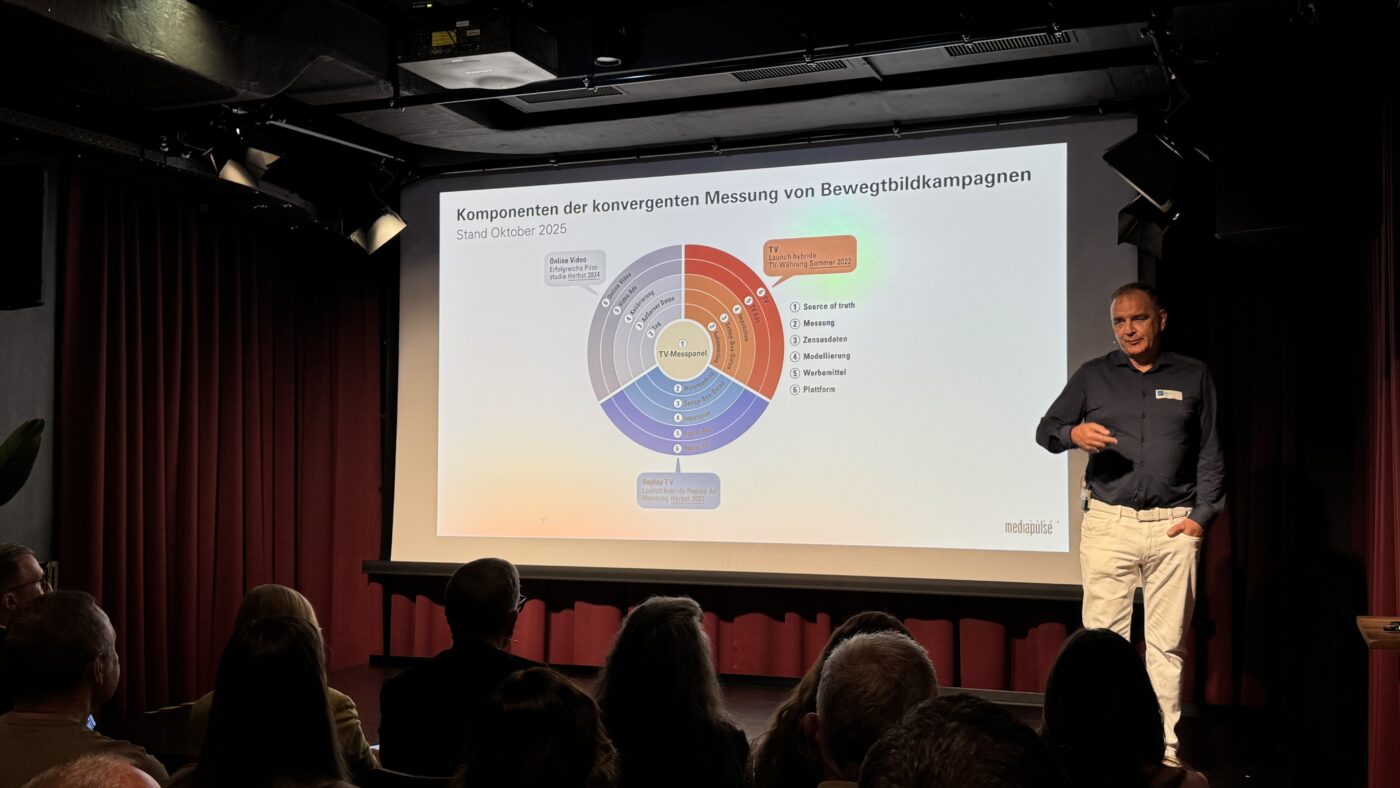
In July, Mediapulse began expanding its video ad campaign measurement in collaboration with its research partner 55 Blue, following the establishment of hybrid TV research using set-top box data the previous year. The goal of making video campaigns measurable not only on linear television but also across platforms, including Connected TV (CTV) and online video, is thus taking shape. While replay ads are already successfully established in the TV market, Goldbach became the first major market partner in February to take the lead in analyzing online video inventory using the new joint measurement method.
Radio Research Under Pressure: New Approaches Amid Shrinking Budgets
Given the reduced daily budget for radio research, Mediapulse had to acknowledge that the previous passive measurement method, based on a rotating panel, had reached its financial limits. This trend is being exacerbated by upcoming amendments to the Radio and Television Act, which is why efforts are underway to identify new, more efficient ways to ensure the long-term effectiveness of the measurement system. To ensure up-to-date and meaningful data despite reduced broadcast budgets, Mediapulse is conducting extensive testing of transitional methods and comparing current semester data with historical benchmarks.
Pragmatic Use of AI: From Blind Spots to Enhancement
As Marr pointed out, artificial intelligence in data processing is sometimes prone to "hallucinations" and, when faced with complex queries, often provides ten different answers to ten identical questions—answers that, due to a lack of human resources, can hardly be thoroughly verified. Nevertheless, Mediapulse is specifically relying on AI-powered tools to fill in the gaps in radio usage data—such as streaming data from web players—that previously existed. In addition, a dedicated AI companion was programmed to enable quick queries of annual data. With the help of these external service providers, traditional broadcast logs are linked to the streaming data collected by web players in order to refine the usage data and ultimately enable highly granular analyses for the radio market as well..
Out-of-home advertising is booming: Research in transition at SPR+
Felix H. Mende, CEO of Swiss Poster Research Plus AG (SPR+), provided insights into the rapid boom in outdoor advertising and the methodological advancements in SPR+ research.
Mende explained how out-of-home research is constantly adapting to reflect the changing mobility patterns of the Swiss population and to provide advertisers with precise, multi-source-based performance metrics for billboard and digital OOH campaigns..
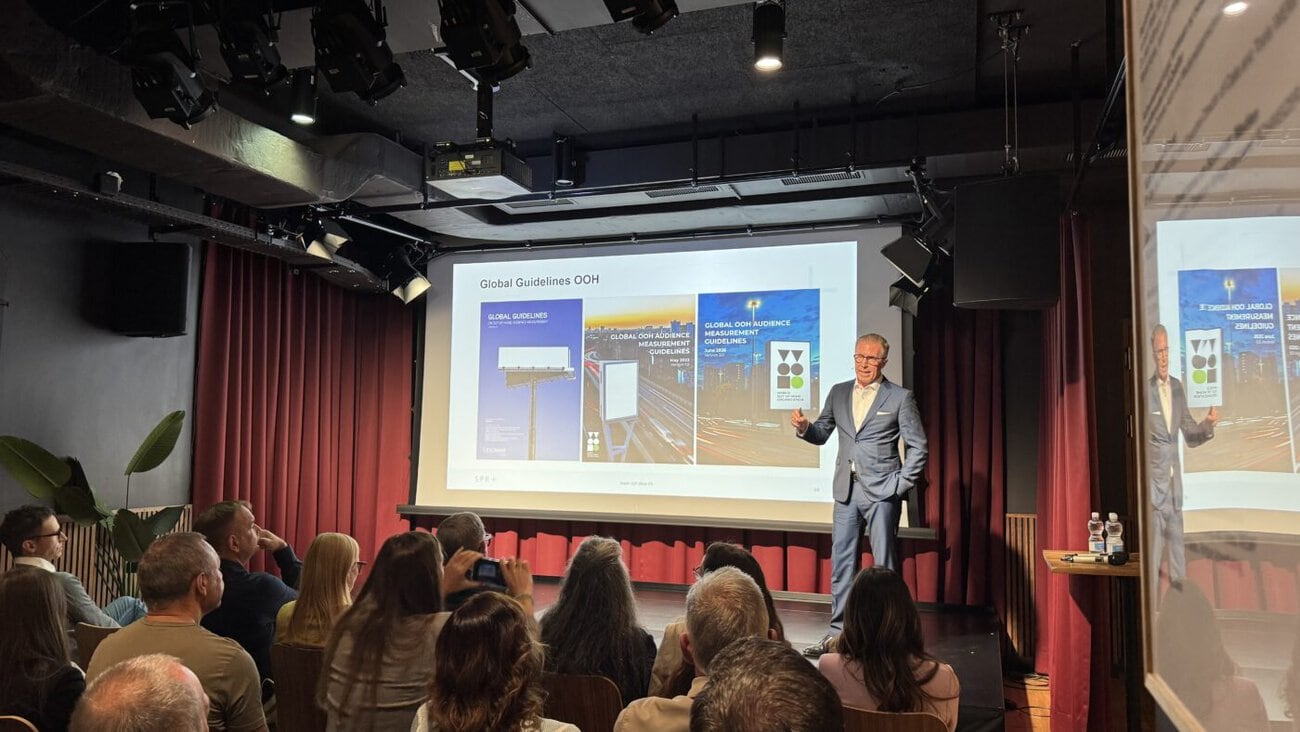
Despite shrinking budgets in traditional sample surveys, SPR+ is able to meet the market’s growing demands and make outdoor advertising transparently measurable through innovative modeling techniques and hybrid measurement approaches..
New Offerings and AI Developments at WEMF: From MACH Strategy to the Modular Future of Data
Finn Stein, Director of Research and Development at WEMF, provided in-depth insights into WEMF’s innovation pipeline during the session on the next steps in media research. The focus was on a consistent emphasis on modular architectures, open API interfaces, and automated data processing, which allows advertisers and agencies to act with even greater precision..
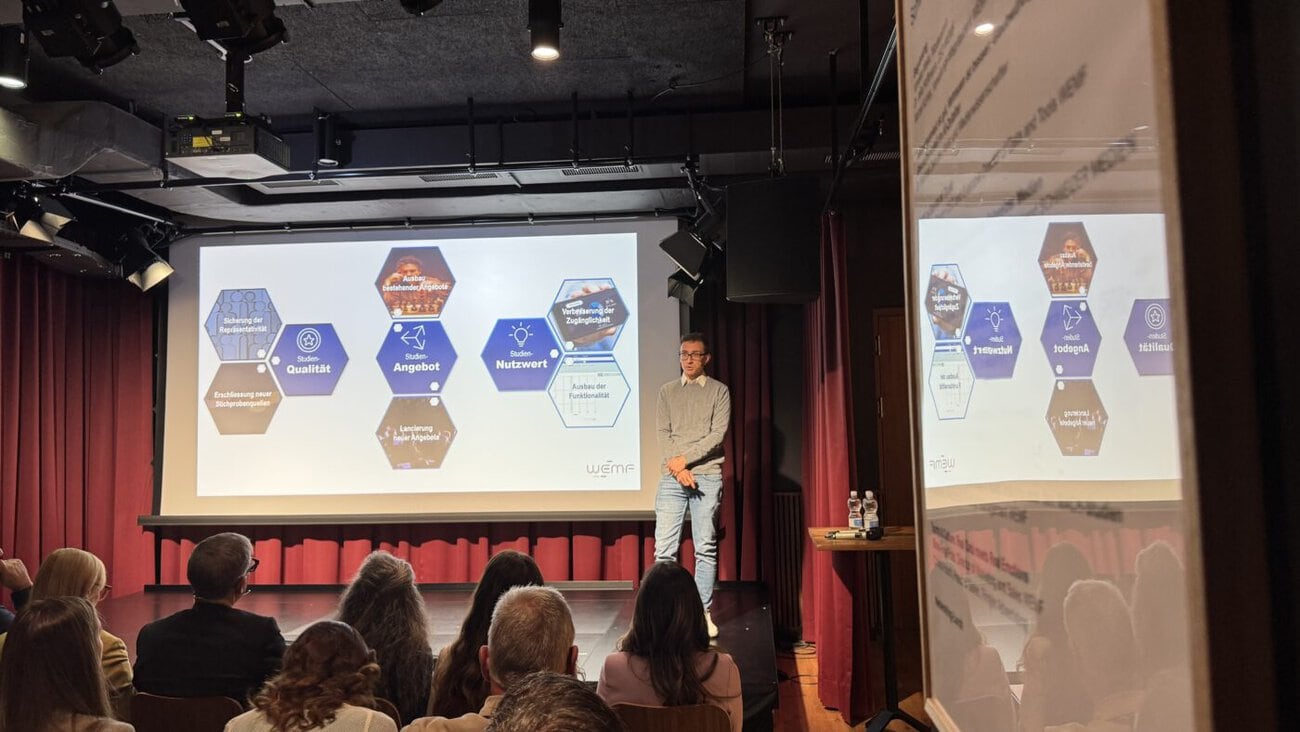
A key component of this development is the further refinement of the MACH Strategy, which enables a comprehensive comparison of media channels. Stein emphasized that WEMF is working intensively on hybrid measurement methods and forward-looking data solutions to bridge the gap between traditional audience research and the dynamic, digitally fragmented distribution channels.. With new projects such as online audience research, standardized interfaces, and highly refined study metrics, WEMF ensures that market partners do not have to play catch-up with the growing complexities of media behavior, but can instead plan ahead based on data.
«With our modular approaches and the MACH Strategy, we seamlessly integrate traditional currency research with digital channels to provide the advertising market with future-proof and comparable foundations.»
- Finn Stein
Stein made it clear that technological modernization is not an end in itself, but directly addresses the needs of the market: By more closely integrating established currency data with modern API access, agencies and publishers are provided with highly granular tools to manage media planning across all channels in a transparent and absolutely reliable manner.
Target Audience Analysis: Is AI the Answer?
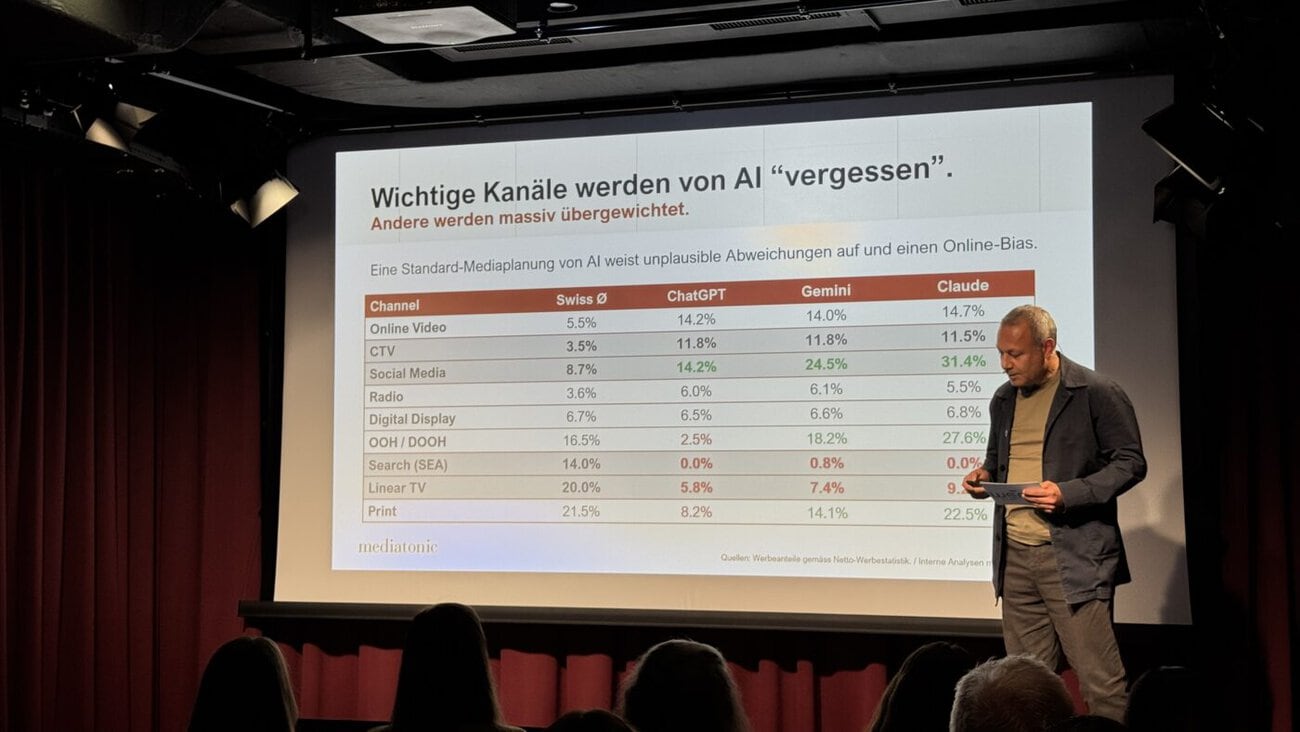
In his presentation, Marco Rose, Managing Partner at mediatonic, analyzed the practical benefits of AI-powered tools in strategic media planning and targeting specific audiences.
Rose pointed out that while AI is ideally suited for automating processes and recognizing patterns, the strategic analysis and creative interpretation of the data must still be left to human professionals in order to avoid mismanagement..
AI offers enormous potential, particularly in the area of granular target audience segmentation, provided that the underlying data has been verified and validated through rigorous audits.
How the Swiss Public Uses AI: Insights from the MACH Studies
Anna Müller, Director of Product Management at WEMF, presented detailed and fascinating insights from the expanded MACH Strategy study, which provides an in-depth look at the specific AI usage patterns of the Swiss resident population. The figures show a rapid adoption process at record speed: While in 2025, about 32 percent of the Swiss population aged 14 and older reported occasionally using AI-based applications, this figure soars to 57 percent in 2026—representing a massive increase of nearly 80 percent within a single year.
«The data shows a rapid adoption rate: from 32 percent last year to 57 percent today—artificial intelligence is firmly established in the daily lives of the Swiss population.»
- Anna Müller
Fascinating contrasts and clear usage patterns become apparent, particularly when the data is broken down by age and gender. When it comes to gender-specific usage, it appears that ChatGPT is used noticeably more frequently by men (about 26 percent) than by women (about 17 percent), while other AI tools show a much more balanced distribution by comparison. The differences in age distribution are even more pronounced: Younger target groups between the ages of 14 and 19 have the highest usage rates by far, at over 80 percent. Although the usage curve naturally declines among older cohorts, it shows strong, steady growth across all age groups.
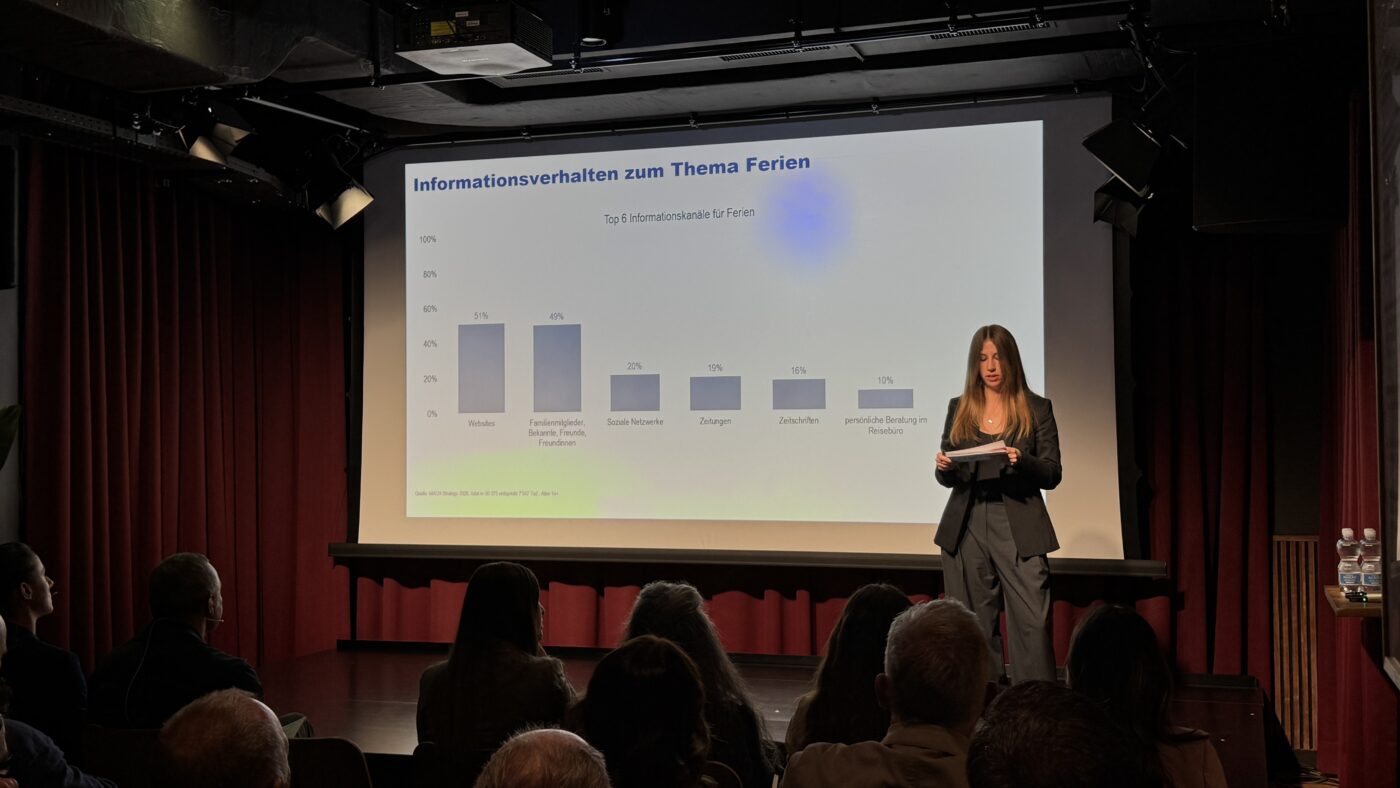
In a comparison of platforms, ChatGPT dominates the Swiss market as the undisputed leader with about 26 percent, while Microsoft Copilot, with 7 percent, and Google Gemini, with 4 percent, trail far behind. These data-driven insights clearly demonstrate that AI is no longer a niche topic, but has become deeply embedded in information and consumer behavior throughout Switzerland.
Sports & Culture: Real Data Meets Real Emotions
Marie-Ange Pittet, Director of Marketing and Sales at WEMF, presented the new, groundbreaking data product «Sports & Culture», which combines hard market data with the deep emotions of sports and cultural events.
«Few things can evoke as many emotions as sports and culture. With this new data product, we're bridging the gap between real data and real emotions.»
- Marie-Ange Pittet
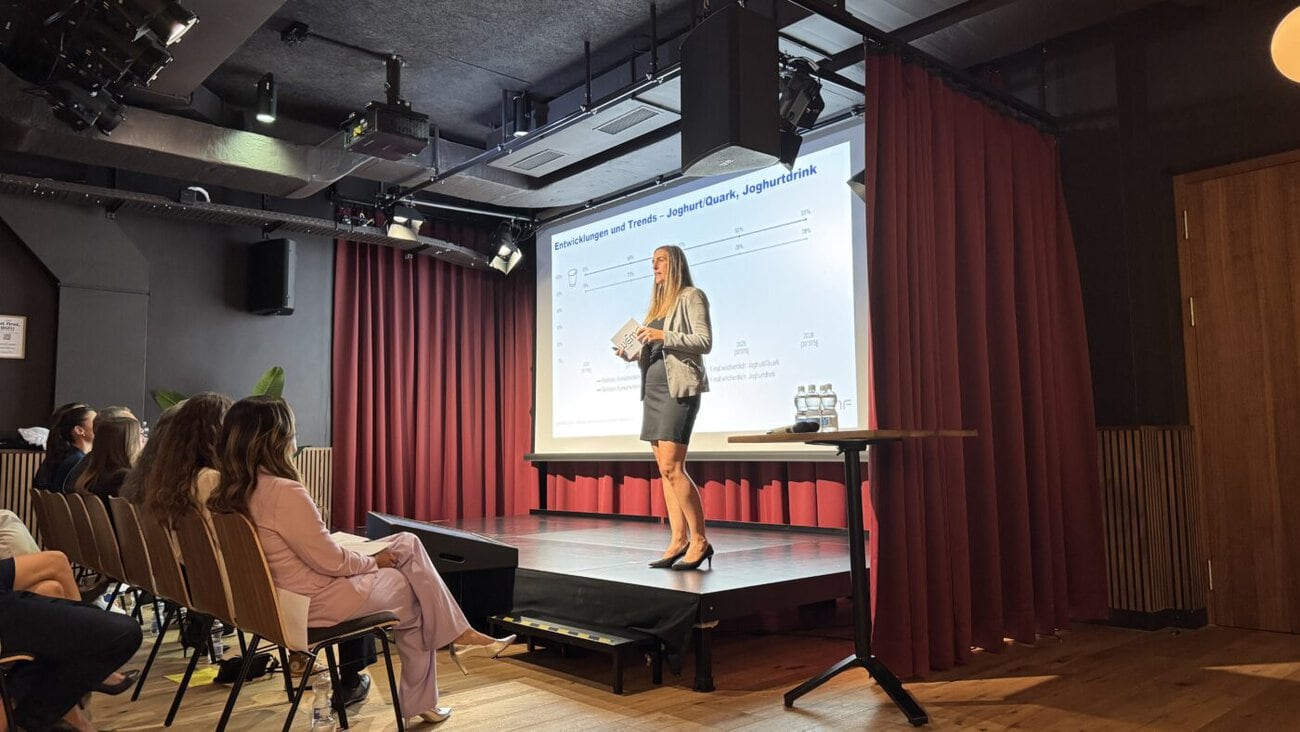
During the presentation, it was particularly emphasized that the volume in the Swiss sponsorship market alone amounts to approximately 1.3 billion Swiss francs —a sum that, until now, has often been invested based purely on «gut feeling.» In contrast, the new tool provides a solid, unbiased data foundation that replaces this gut feeling with hard facts and shows precise target audience reach across all media channels. This allows advertising materials and sponsorship initiatives to be measurably aligned with success and the actual fan base.
Outlook from Ringier Advertising
Chiara Rusch, Head of Sales at Ringier Advertising, discussed the marketing prospects and the importance of trustworthy media environments for brands that advertise.
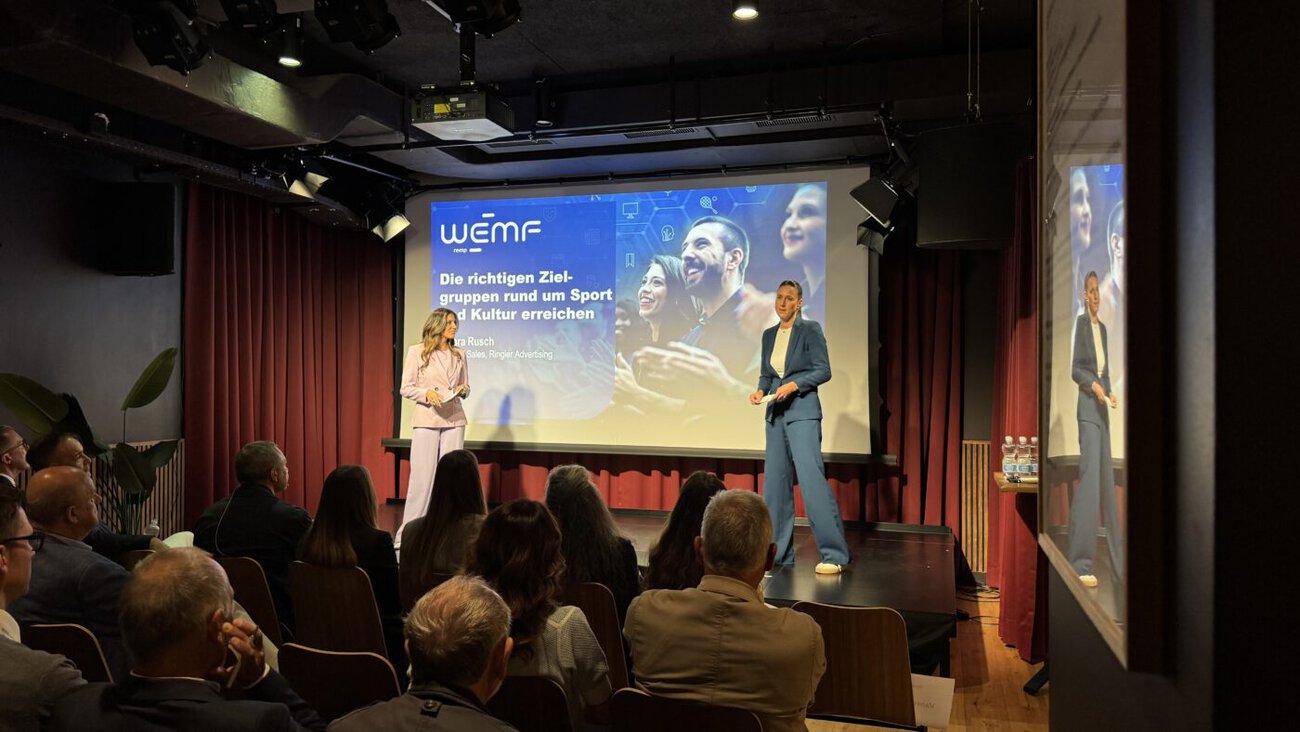
Rusch emphasized that high-quality editorial content, combined with WEMF’s validated data, provides the best foundation for minimizing wasted reach and achieving maximum advertising impact in the digital age. It was highlighted that advertisers are increasingly turning to certified environments to avoid brand risks and benefit from the high credibility of established media companies.
«In today's environment, it is crucial for advertisers to rely on certified and absolutely reliable media in order to minimize brand risks and achieve targeted results.» — Chiara Rusch
Conclusion
With a clear commitment to quality, uncompromising transparency, and continuous innovation, the 2026 Media Research Day came to a close, once again confirming WEMF as an indispensable guide and reliable anchor for the Swiss media and communications industry..
But one thing also became clear during that summery autumn morning: Trust alone won't save the media industry.
After all, as long as media companies primarily react rather than act, they run the risk of falling behind in the face of radically changed media consumption habits. In the face of fierce digital competition, what’s needed—in addition to reliable metrics—are, above all, new, innovative formats that are closely attuned to people’s interests and combine journalistic integrity with genuine technological and narrative progress.. As the officials emphasized in their concluding remarks, while WEMF—with its data, audits, and clear stance on the industry—provides the necessary foundation, media companies must ultimately take the decisive step toward new formats and genuine innovation themselves—and do so with the utmost determination.