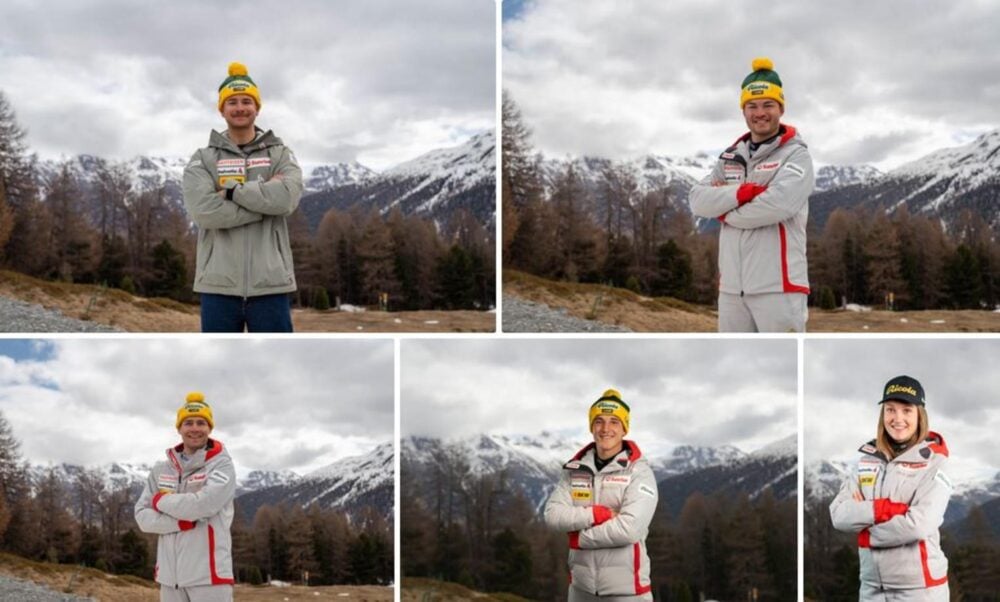
United Colors of Switzerland
Swiss advertising shapes Switzerland’s sense of unity. However, it isn’t entirely politically correct. Rod Kommunikation and Regula Fecker conducted a study titled: «How much diversity does Swiss advertising dare to embrace?»


Rod Kommunikation regularly conducts research as the basis for its advertising. In the context of the mass immigration initiative, the agency noticed that the public was "very surprised" to learn that foreigners make up around a fifth of the resident population in Switzerland. "This raised the question for us: How much did advertising contribute to this shift in perception?" explains Regula Fecker. The question became the motivation for a study: "How much diversity does Swiss advertising dare to embrace?" The surprising results should not be judged ethically or morally. Nor does Rod want to make any recommendations. "We just want to establish that there is a gap here."
Advertising shapes the "we-feeling" of a country. Brands strive to be familiar and close to their consumers. They want to have their finger on the pulse of the times and respond to social and societal changes. That's why we also see "working moms", vital "best agers", hedonistic "DINKS" and environmentally conscious "LOHAS" in today's TV commercials. Swiss brands produce advertising that appeals to the people of Switzerland by depicting them and their lifestyle. "That's why Swiss advertising plays an important role in creating a Swiss identity," says Fecker.
Missing foreigners
But how present is Switzerland's high proportion of foreigners (23.3%) in Swiss advertising? To find the answer, Regula Fecker and Anne Langer analyzed 2638 TV commercials and 1141 different posters "by hand". These were all TV commercials that were placed in German-speaking Switzerland in 2013 via Publisuisse, as well as the APG posters. The results are astounding: around 94% of the TV commercials broadcast in Switzerland contain only white actors. Only 6 percent feature one or more actors of color. The picture is the same for posters at around 97 percent. Advertising in Switzerland therefore shows hardly any people from other cultures or with a migration background. There are only a few exceptions, such as Rivella, AMAG and Swisslos, as well as the global brands Apple, H&M and L'Oréal.
Rod's conclusion: Advertising in Switzerland portrays the country and its inhabitants as a uniform nation that does not exist. It fails to portray the country and its inhabitants as international, global and multicultural. Those who do it differently would have "a huge opportunity to differentiate themselves in the advertising market."
Andreas Panzeri
The complete study can be downloaded from www.rod.ag for CHF 90.