Swiss companies seem to be missing the boat on the metaverse
The marketing departments of Swiss companies have not yet embraced the future. By international standards, they are lagging behind when it comes to new technologies and creativity as drivers of growth. This is shown by Deloitte’s latest study, «Global Marketing Trends 2023.».


 The Metaverse arouses the interest of most Chief Marketing Officers (CMOs) surveyed - and this despite the fact that around one fifth of them say they do not fully understand it. The Metaverse is a network of interoperable virtual worlds where users can work, play, meet or shop using virtual or augmented reality technologies.
Metaverse begins without Switzerland
In Switzerland, however, this interest is less pronounced. Only 7 percent of Swiss respondents say their company is already active in the metaverse - compared to 17 percent globally. Swiss CMOs are more likely to observe the metaverse than to become active: While their international colleagues are either already active in the metaverse or plan to do so within the next 12 months, nearly half (42%) of the Swiss marketing executives surveyed will only do so within the next 12 to 24 months, and 12 percent have not yet engaged with it at all.
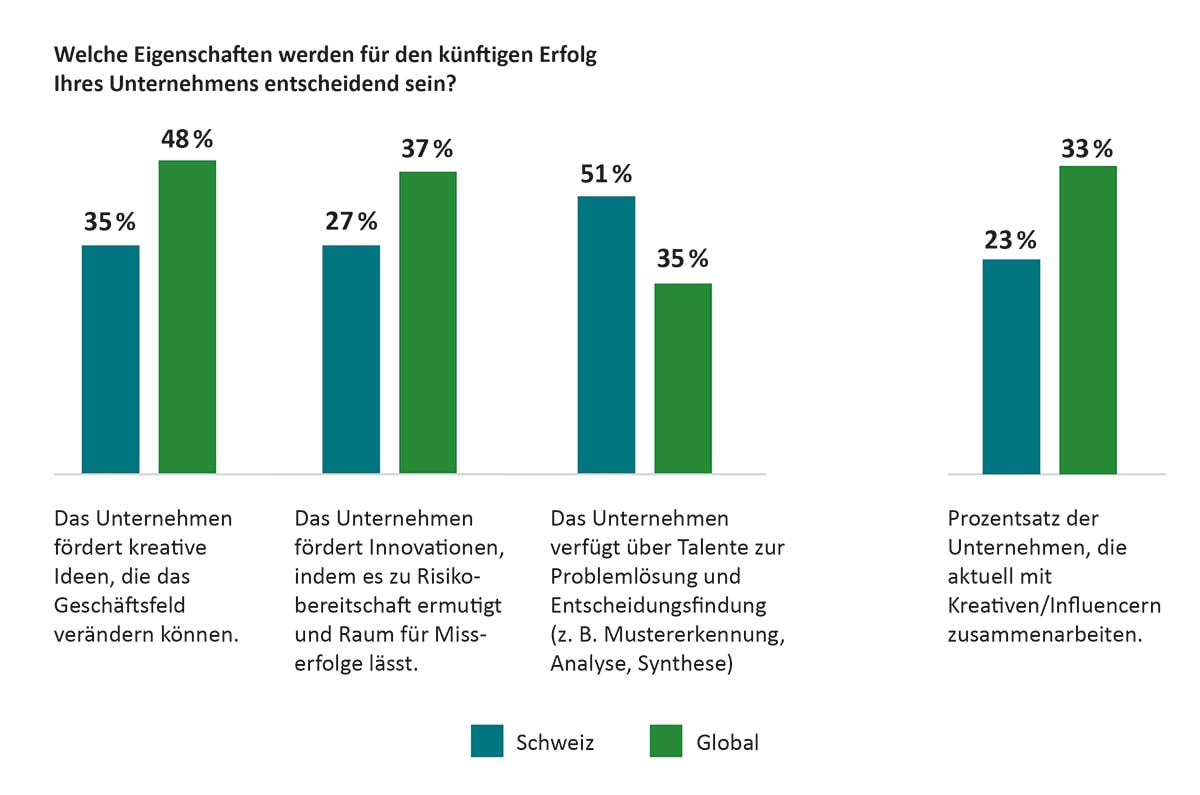
Swiss CMOs cite the complexity of technology implementation (55%) as the main reason for their non-participation in the Metaverse, followed by skepticism about long-term relevance (35%) and insufficient talent to implement such a strategy (32%). "Swiss companies are not doing themselves any favors with their wait-and-see attitude toward new Web 3.0 technologies and the metaverse," Roger Lay, head of marketing, commerce and design at Deloitte Switzerland, is convinced. "It's not yet clear, for example, how significant the metaverse will be for individual companies and industries in five or ten years. But if marketers don't take their first steps very soon, they will miss the trend."
Sustainability has come to stay
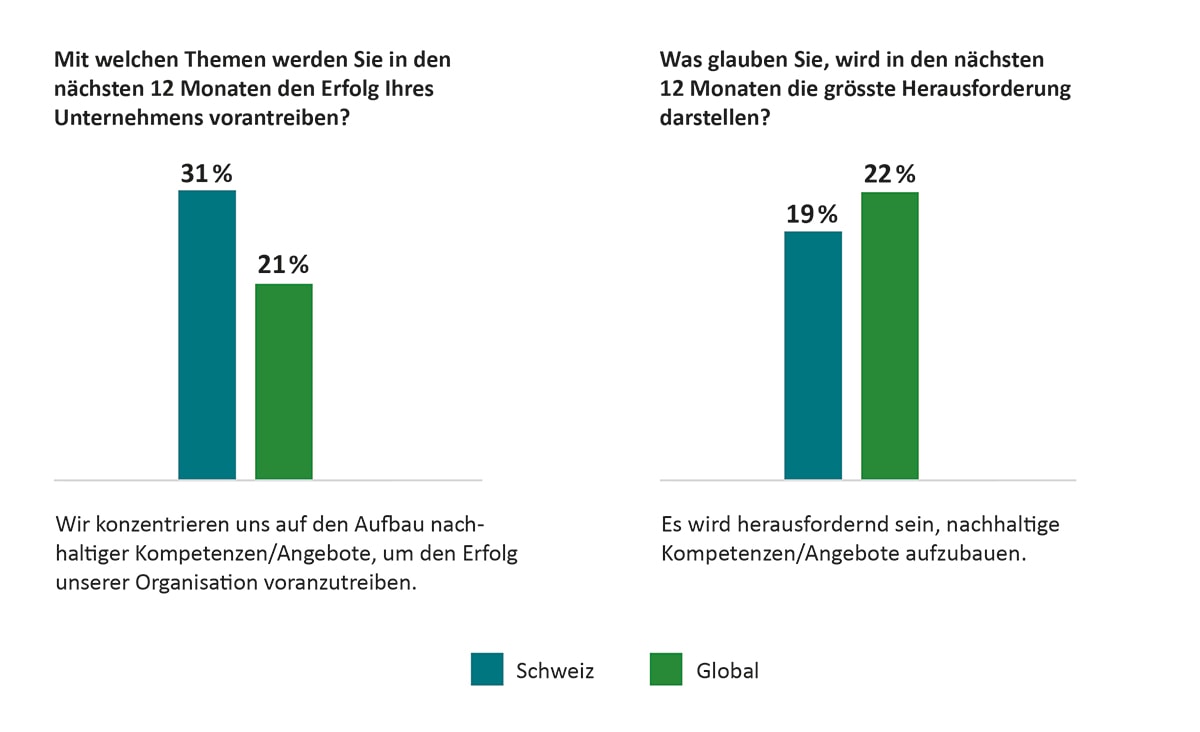
Sustainability is also increasingly seen as a growth driver and new market. Swiss CMOs have recognized this earlier than their colleagues worldwide: Swiss marketing managers give higher priority to building up competencies and offerings around sustainability (31%) than their international colleagues (21%). They also find this easier in a global comparison.
"Most chief marketing officers in this country have recognized the opportunities of sustainability when it comes to their company's reputation and as an opportunity for growth," says Liza Engel, chief sustainability officer at Deloitte Switzerland. With demographic trends and increased awareness of the impact of a purchasing decision, sustainability is taking center stage, she adds. "If companies want to be successful in their sustainability efforts, they need to be honest and transparent about concrete sustainability measures, communicate them authentically, bring their clientele along on this journey, and understand that sustainability is crucial to a company's longevity," Engel is convinced.
Creativity as a growth driver - not in Switzerland
The study continues to paint a rather conservative picture of Swiss marketing departments. Only about one-third (35%) of respondents believe that the long-term success of their company depends on developing creative ideas. This conviction is more pronounced among their colleagues worldwide: 48 percent of them believe that creativity is a growth driver. By contrast, the majority in this country (51%) believe that problem-solving and decision-making will be the most relevant attributes for the success of their company - internationally, the figure is only 35 percent.
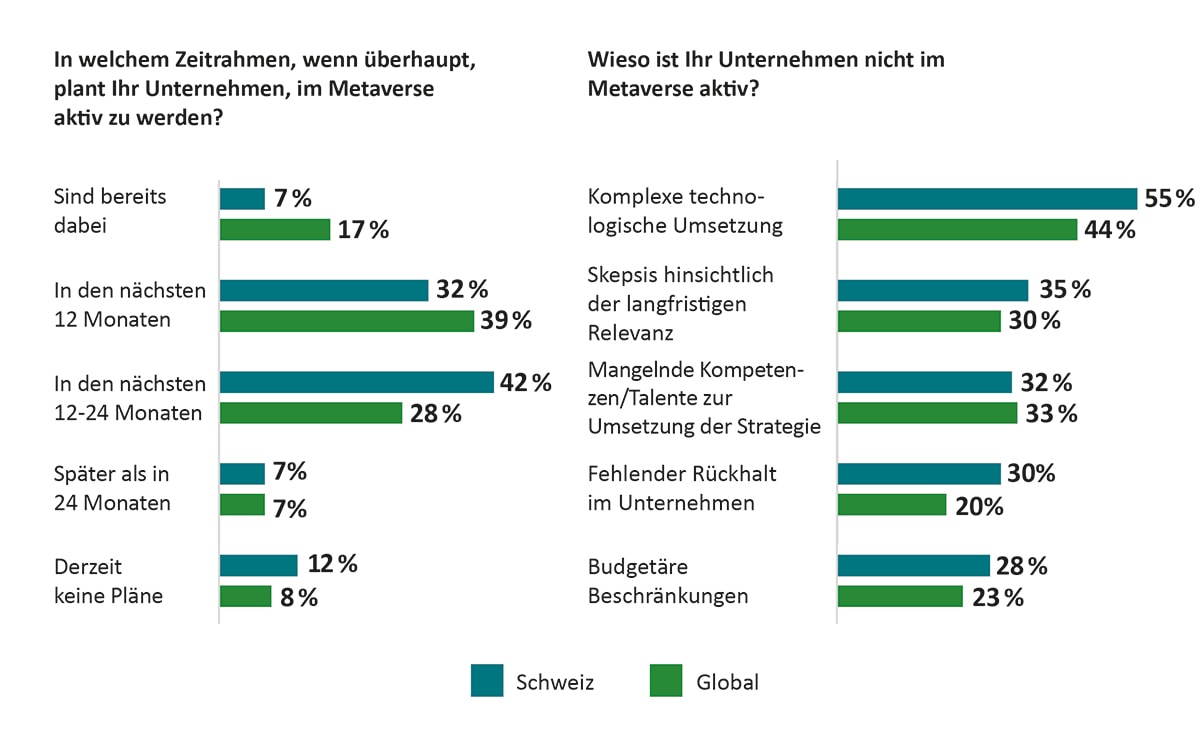
"Swiss companies still too rarely allow mistakes to be made and show too little willingness to take risks and be creative in order to encourage innovation," says Roger Lay. Only 28 percent of Swiss marketing executives (worldwide: 37%) believe that encouraging risk-taking and "failure" fosters creative thinking. "This is possibly related to the fact that a rather traditional corporate culture still prevails in Switzerland, characterized by risk avoidance and perfectionism. Many marketing managers in Switzerland complain that creativity ekes out a niche existence in their companies and is not seen as a strategic imperative," Lay continues.
It's no surprise, then, that Swiss companies also lag behind when it comes to working with external creatives and influencers. Currently, only 23 percent of Swiss marketers work with such - compared to 33 percent worldwide. "If Swiss companies don't want to lose out to their global competitors, they should encourage creativity and risk-taking, be more open to new technologies and use them more consistently," concludes Lay.
For the study Global Marketing Trends 2023 by Deloitte in 2022, a total of 1015 marketing executives from global companies across a variety of industries were surveyed in the US, UK, Switzerland, Japan, the Middle East and Australia - 100 of them in Switzerland. Respondents expressed their views on a range of topics related to the future of marketing over the next one to two years. In addition, ten in-depth interviews were conducted between July and September 2022 with executives from Switzerland who currently hold senior marketing positions. Their responses have been incorporated into the study's findings.