
"Meyer remains Meyer" - the FAM brand
On December 8, the focus at Zurich’s Papiersaal was not just on a book, but on a life’s work. The launch of the biography *Frank A. Meyer: Auf ein Wort* turned into a tribute to a living legend who has shaped Swiss journalism like few others.


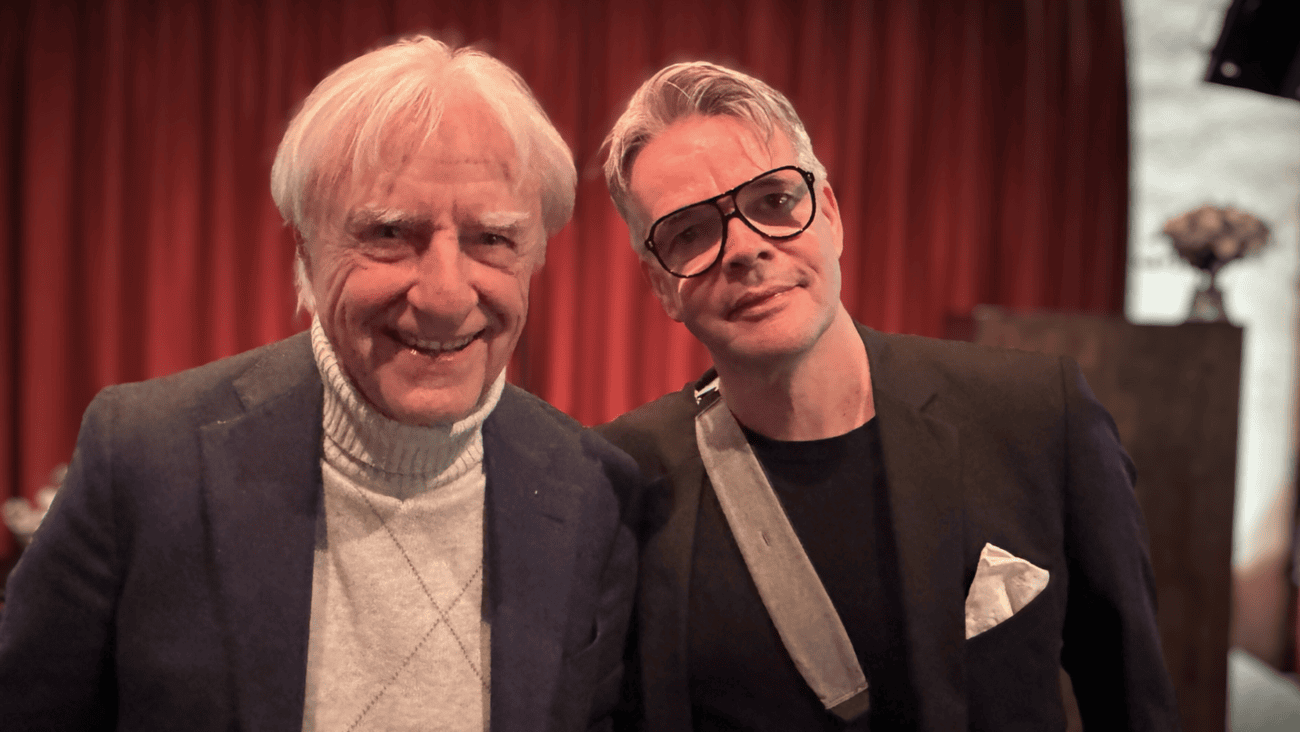
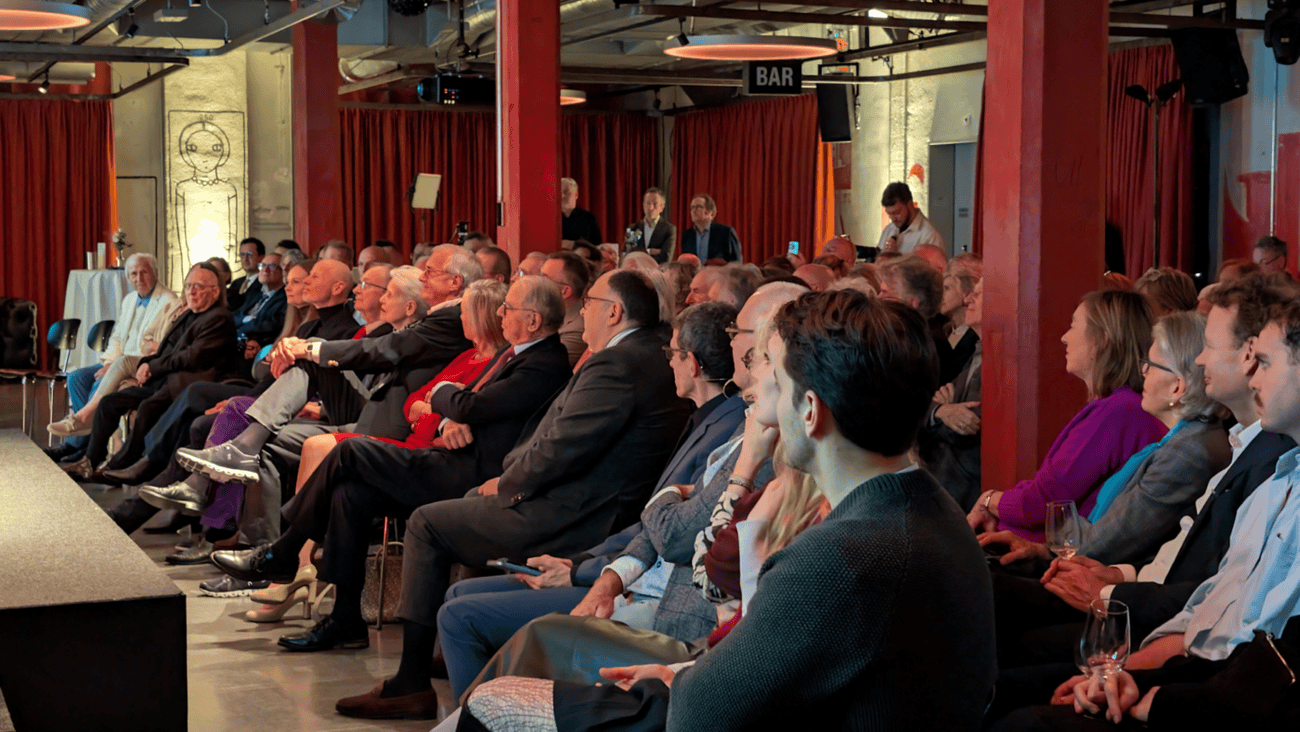
Ringier CEO Marc Walder hosted the VIP vernissage of René Lüchinger's biography and transformed the room into a salon of memories. It was an evening on which - unusually for a book premiere - not a single line was read from the work published by Seidl Verlag, but all the more was told. Frank A. Meyer (FAM), who sees himself less as an author than as a "do-er" - someone who is always doing - was surrounded by companions, admirers and critics. The fact that nothing from the book was read out at the book launch was fitting for a man who has always seen journalism as a "momentary craft".
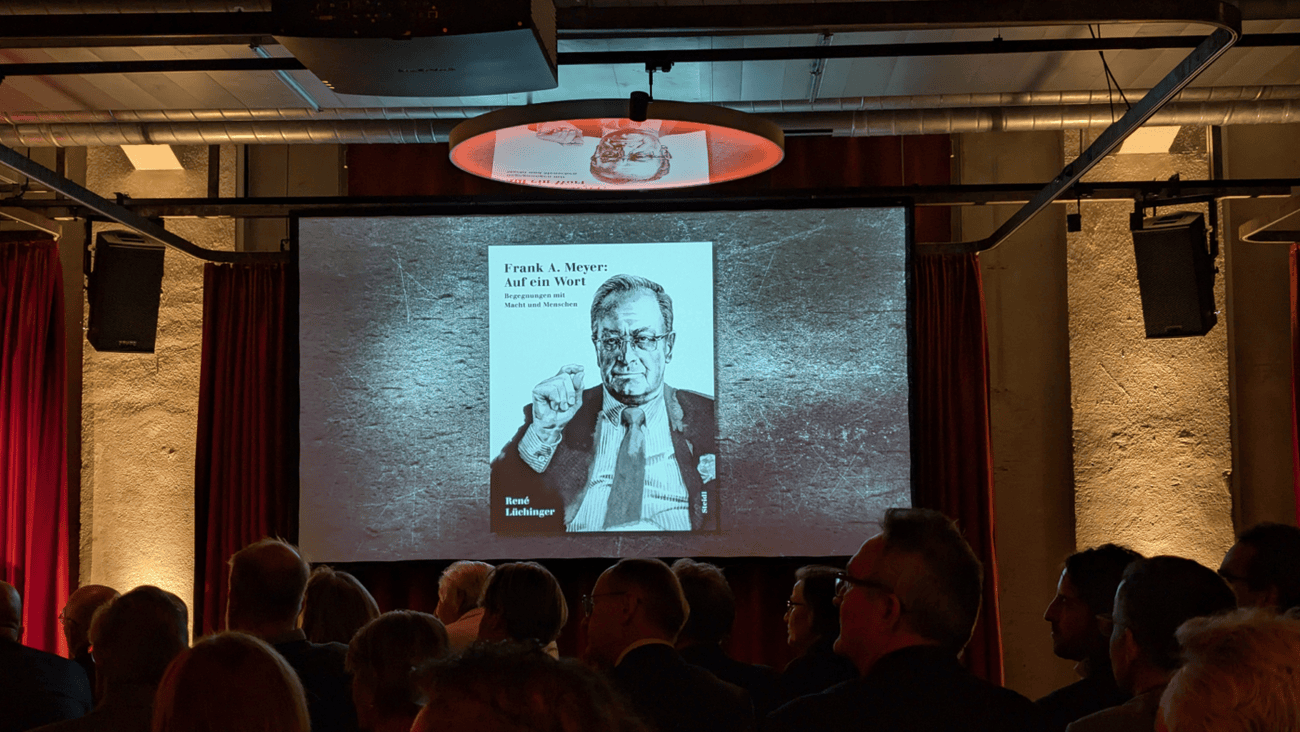
The FAM brand: More than just a journalist
One of the star guests, German Finance Minister Christian Lindner, put it in a nutshell: Frank A. Meyer is a "brand personality". At a time when artificial intelligence is generating content, the platform is becoming interchangeable, but personality is indispensable. Lindner, who once poured red wine over Meyer's already colorful trousers when they first met, sketched the jubilarian as a "subversive nature" and "citoyen" who gets involved.
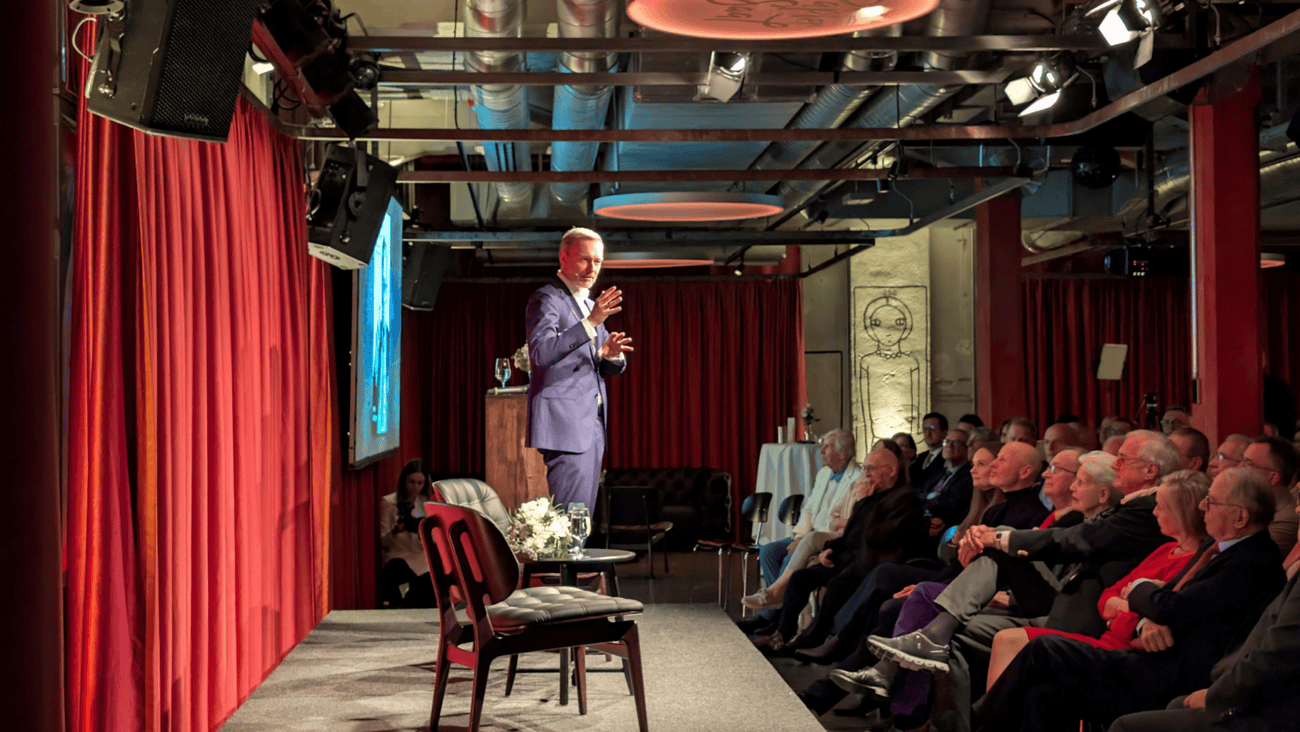
The fact that Meyer became a brand is no coincidence, but the result of decades of staging intellect and aesthetics. In his speech, Marc Walder summarized the "FAM myth" in ten terms - from "castle ghost" to "family man". But the core of the brand lies in the exclusivity of access. The legendary black address book, created in pre-digital times, is the symbol of this network. Meyer cultivated proximity to power not for the sake of proximity, but to understand it - and to influence it.
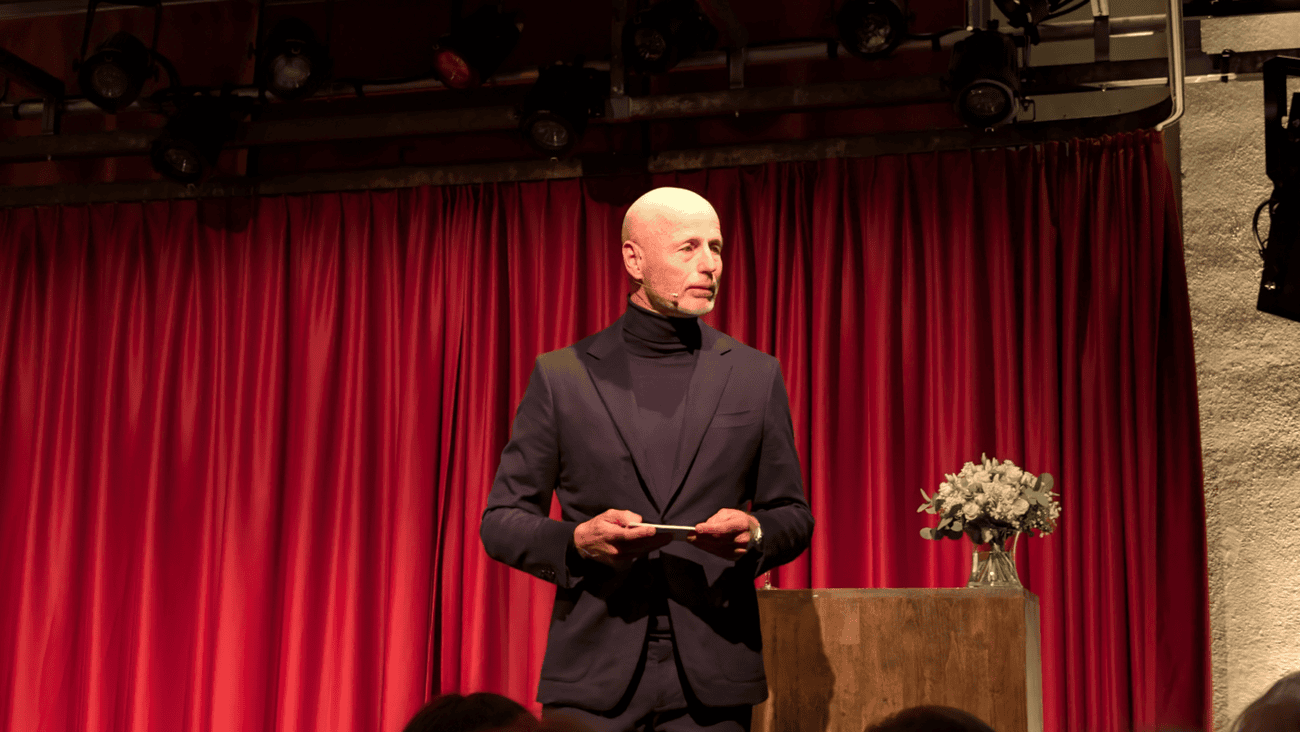
Craftsmen of thought: The power of narrative
However, the roots of this unique journalism lie deeper, in the parlor of his parents' house in Biel. There, at the "Etabli", his father Max's wooden watchmaker's table, little Frank not only learned how to attach loops to leather straps. He learned the primal power of storytelling. His father didn't lecture on gray theories, he told stories from real life. Like the dramatic one from May 10, 1940, when he begged his Jewish boss to flee because the Nazi invasion seemed imminent and he knew: "As a Jew, you are the victim first, then we socialists".
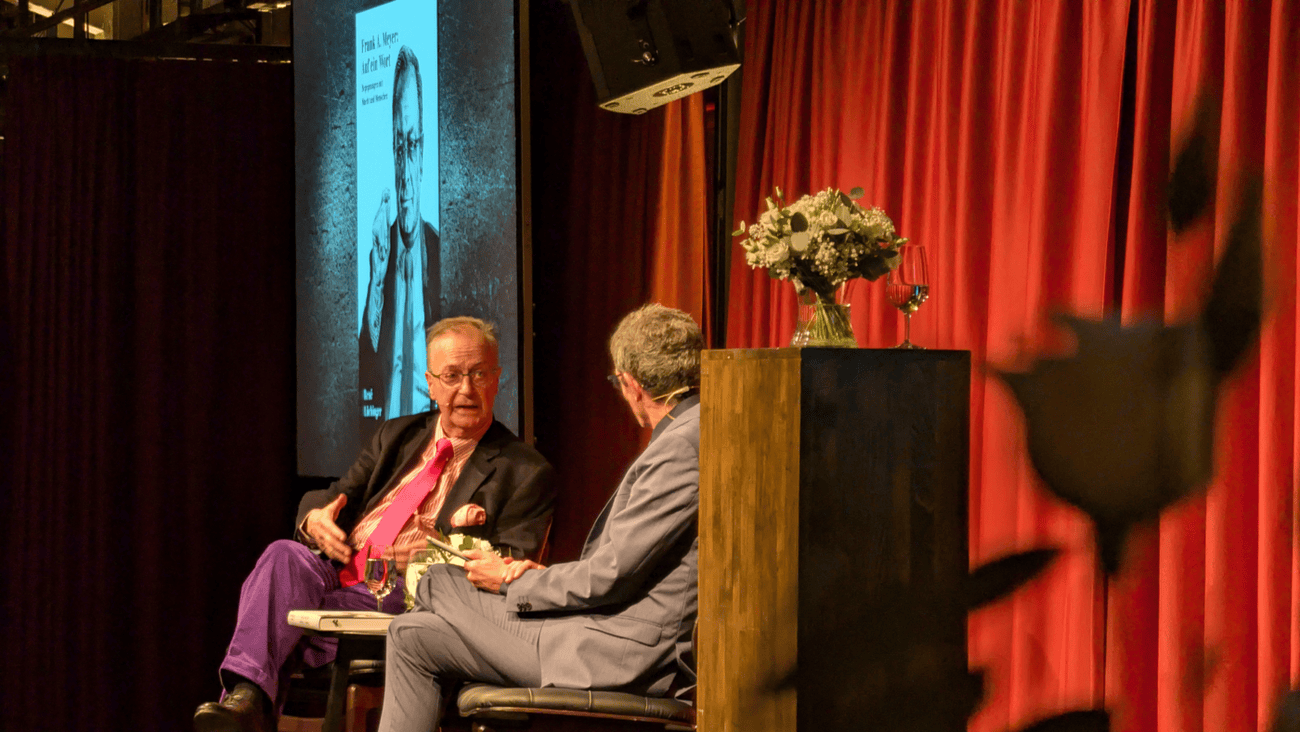
These moments at Etabli became the foundation of Meyer's journalistic credo. For him, journalism is a "craft of thinking". As a trained typesetter who still worked with leaden letters, he takes the word "grasping" literally: you have to be able to physically grasp the text in order to penetrate it mentally. A good journalist, according to Meyer's philosophy, is like a sculptor who gives reality a three-dimensional form, or even a "poet of democracy" who condenses reality in order to make it comprehensible. It is these stories, not abstract data, that Emil Steinberger meant when he said that Meyer's texts are not simply beautifully constructed, but have "substance".
Encounters with a lost time
The book and the evening evoked an era whose protagonists are often only mentioned in history books today. Meyer was the man who visited Helmut Kohl in the chancellor's bungalow and got him to talk about his fears and German history in a way that was hardly possible on German television at the time. He was the man who sat in the grotto in Ticino with the Labor Federal Councillor Willi Ritschard and cultivated a friendship that went so far that Ritschard's son later said: "Dad always said that Frank was my son in Bern".
He met them all: Manès Sperber, the witness of the century, whom he interviewed about his break with communism, or Golo Mann, with whom he reflected on the burden of being Thomas Mann's son. Even the humorist Emil Steinberger remembered Meyer's interview technique: he asked questions in such a way that the answers had "wonderful curves".
The inspirer and his publisher
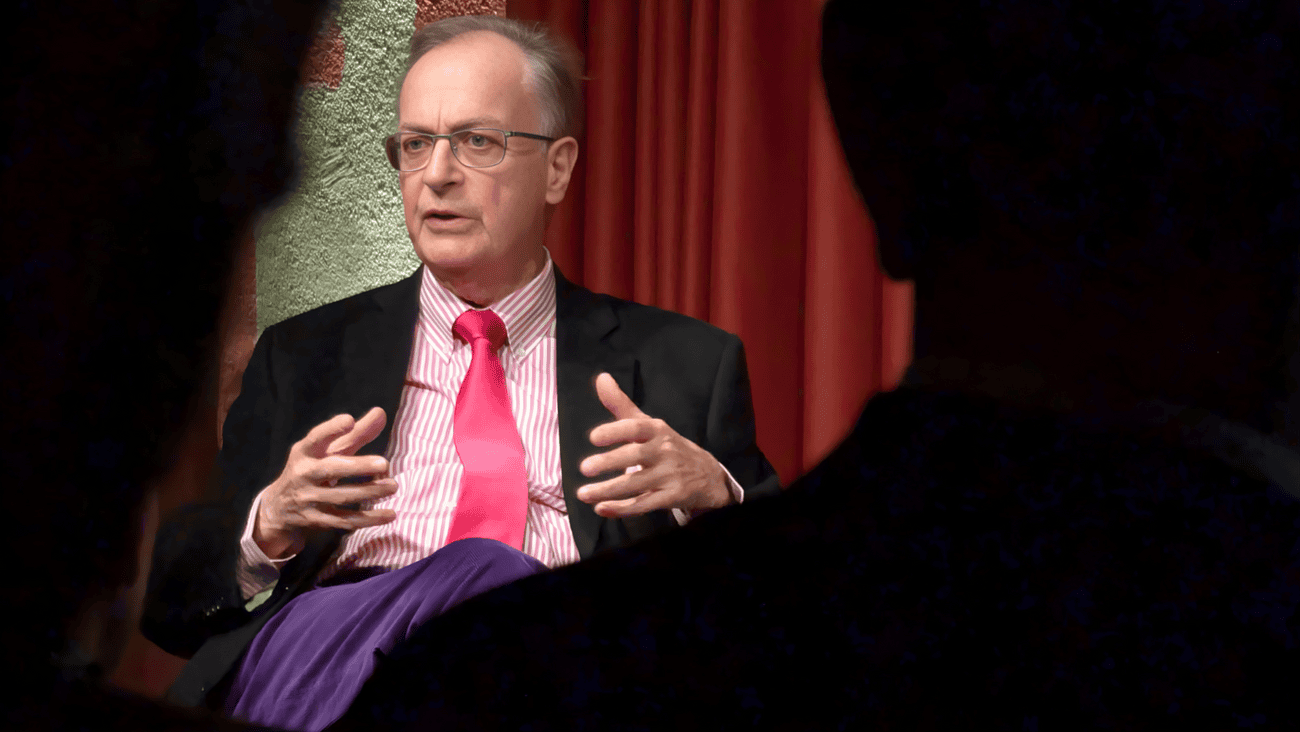
Publisher Michael Ringier provided a particularly emotional insight. He described Meyer not as the often-circulated "whisperer", but as an "inspirer". Their relationship, which lasted for decades, was characterized by Meyer's insatiable thirst for education. "Daddy, you read me books," Ringier quoted his daughter Lilli - a sentence that also metaphorically stands for his relationship with Meyer, who constantly brought him new books and ideas to the office.
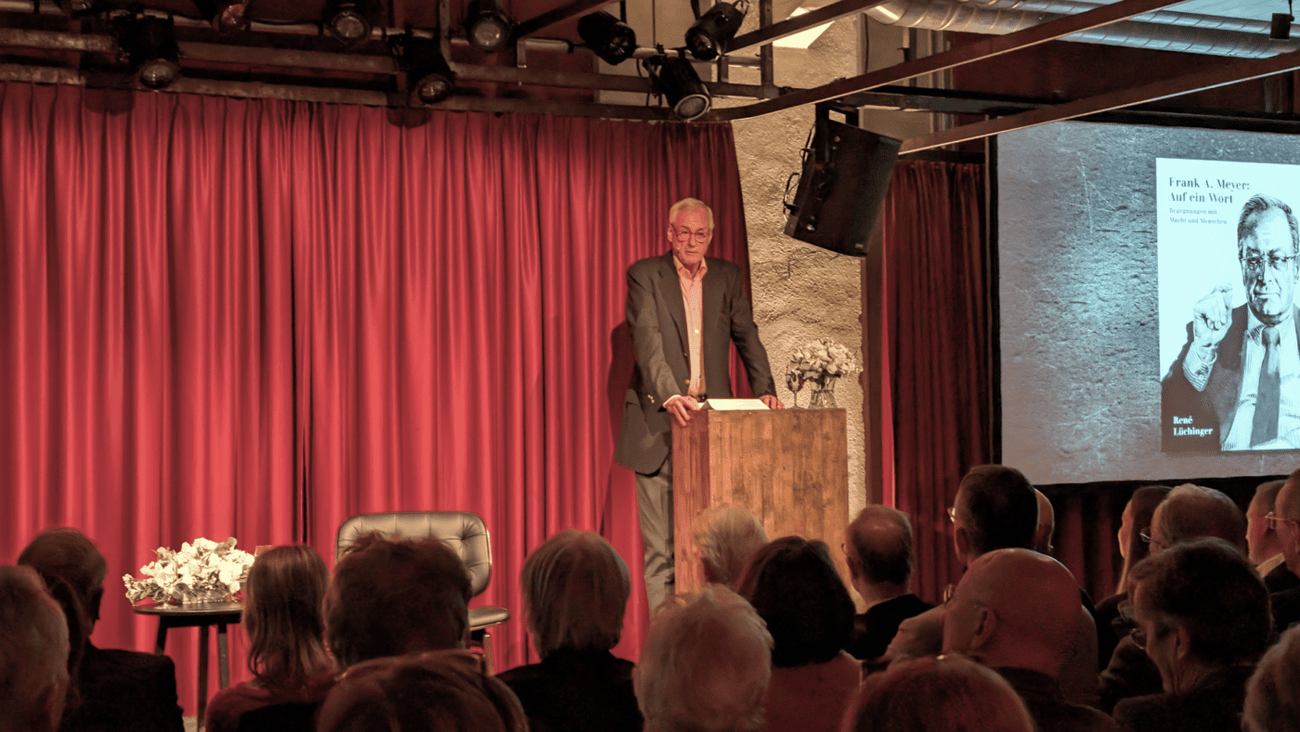
Ringier chose the title "Meyer remains Meyer" for his tribute. He illustrated this with the Swiss national football team: while the names of the goalscorers against Sweden changed from Antenen (1961) to Embolo (2024), one constant remained on the journalistic sidelines: Frank A. Meyer. He remained true to himself in his fight against intolerance, even if he readjusted his target - from the right-wingers of earlier years to the "left-green revivalist movements" of today.
A critical look
In the biography, Meyer's partner Lilith Frey is quoted as describing his writing as "sculptural", a "score" that transforms intellectuality into "pictorial musicality". Such passages and the almost unbroken string of successes leave little room for breaks.
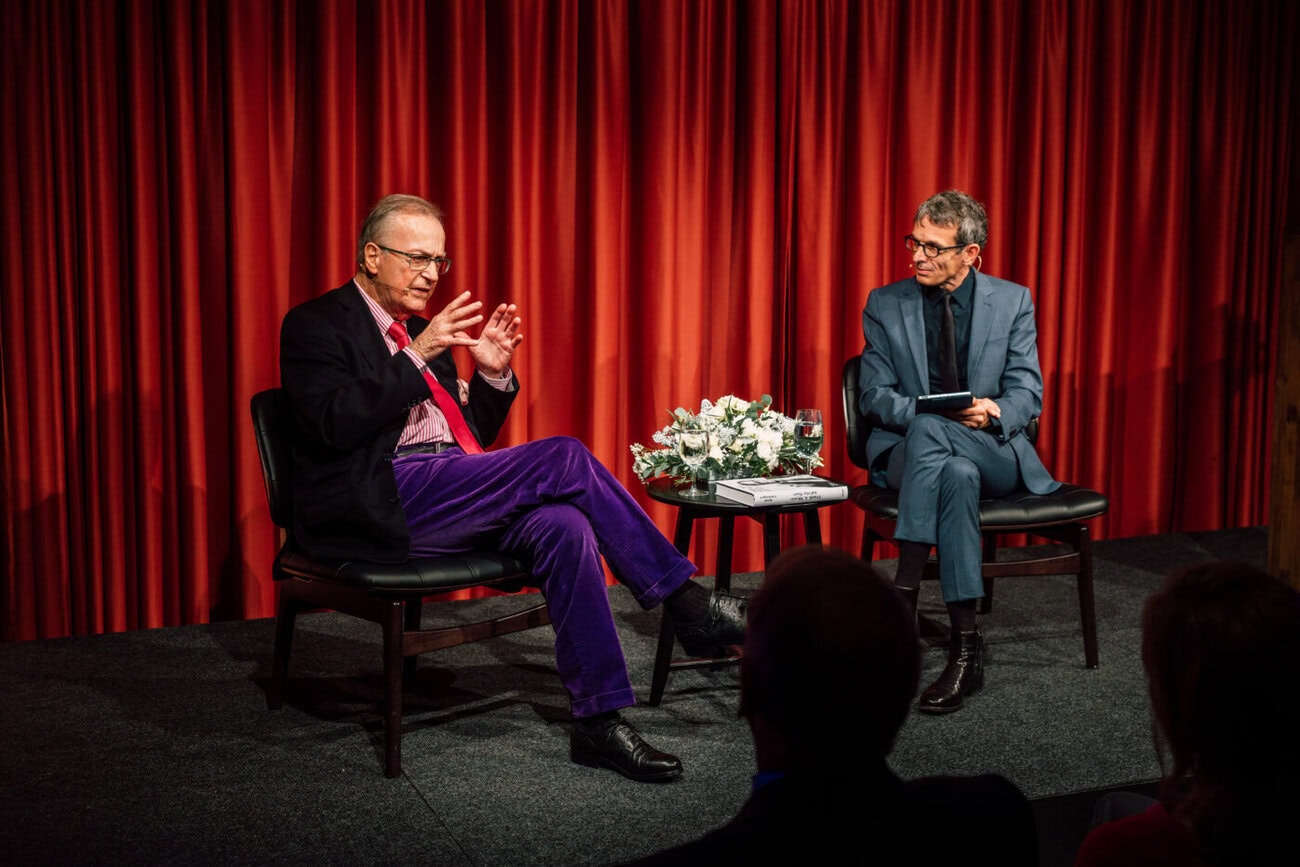
But the book also deals with Frank A. Meyer's difficult moments, such as the break with his early companion Mario Cortesi, which made waves right up to the Federal Council. The Thomas Borer affair, which Meyer describes as "the worst fight of my life", also features in the book and shows the remorseful side of the Ringier inspirer. But on this evening in Zurich, the meritorious glow and the joy of the legacy of a watchmaker's son from Biel-Bienne prevailed.
René Lüchinger's biography and the evening in the Papiersaal made one thing clear: Frank A. Meyer is not just a contemporary witness, he is a piece of Swiss media history. Or as Michael Ringier put it: "There can only be one Frank A. Meyer".
The balance wheel and the legacy
In conclusion, there were two questions that lingered above the applause in the paper hall. Firstly, if there is only one Frank A. Meyer, how will the publishing house fill the gap he will one day leave behind? The answer was provided by the guest from Berlin, Christian Lindner. He outlined a future in which artificial intelligence will create the standard media product and platforms will become interchangeable. In this new world, "brand personality" will become the decisive factor. Frank A. Meyer's legacy is therefore less a gap than a mission for publishers: there may only be one FAM, but the task will be to "enable as many of them as possible".
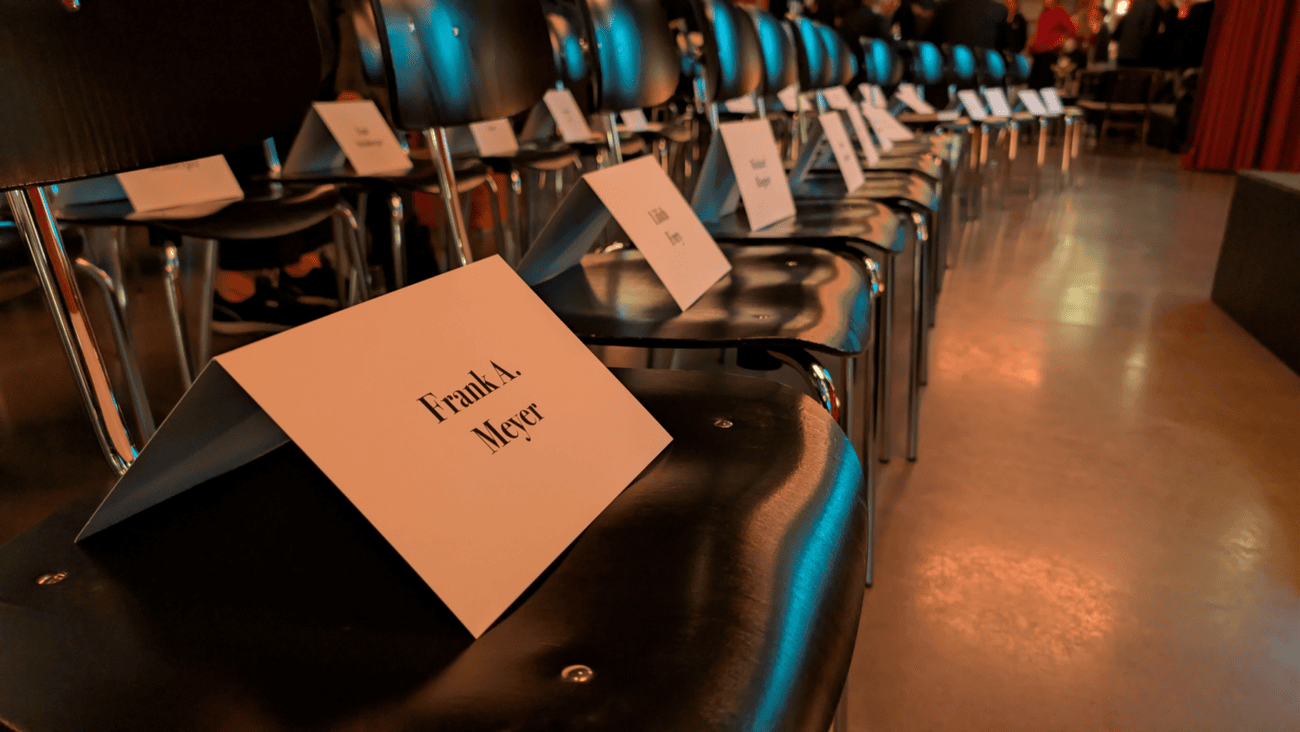
And secondly, how much FAM is still in the journalistic works of Ringier AG today? It is a struggle between the "craft" that Meyer preaches and the "content" that modernity produces. Meyer, who sees himself as a "craftsman of thought" and considers terms such as "user" or "Chief Content Officer" to be offensive to journalists, stands as a warning conscience in the digital surf. Even if he himself may be on a "long journey home", he remains the driving force that resists incapacitation by algorithms. To stay with the image of the father, he is the "balance wheel" in the clockwork that sets the pace - as long as it swings.


