
The downside of digitization in the poster market


PLAKAT MARKET The Swiss poster market is in a state of flux: Poster spaces are being re-tendered and allocated, digitization is progressing, the two major providers are increasing their efforts and smaller providers are also looking to get a slice of the advertising pie.
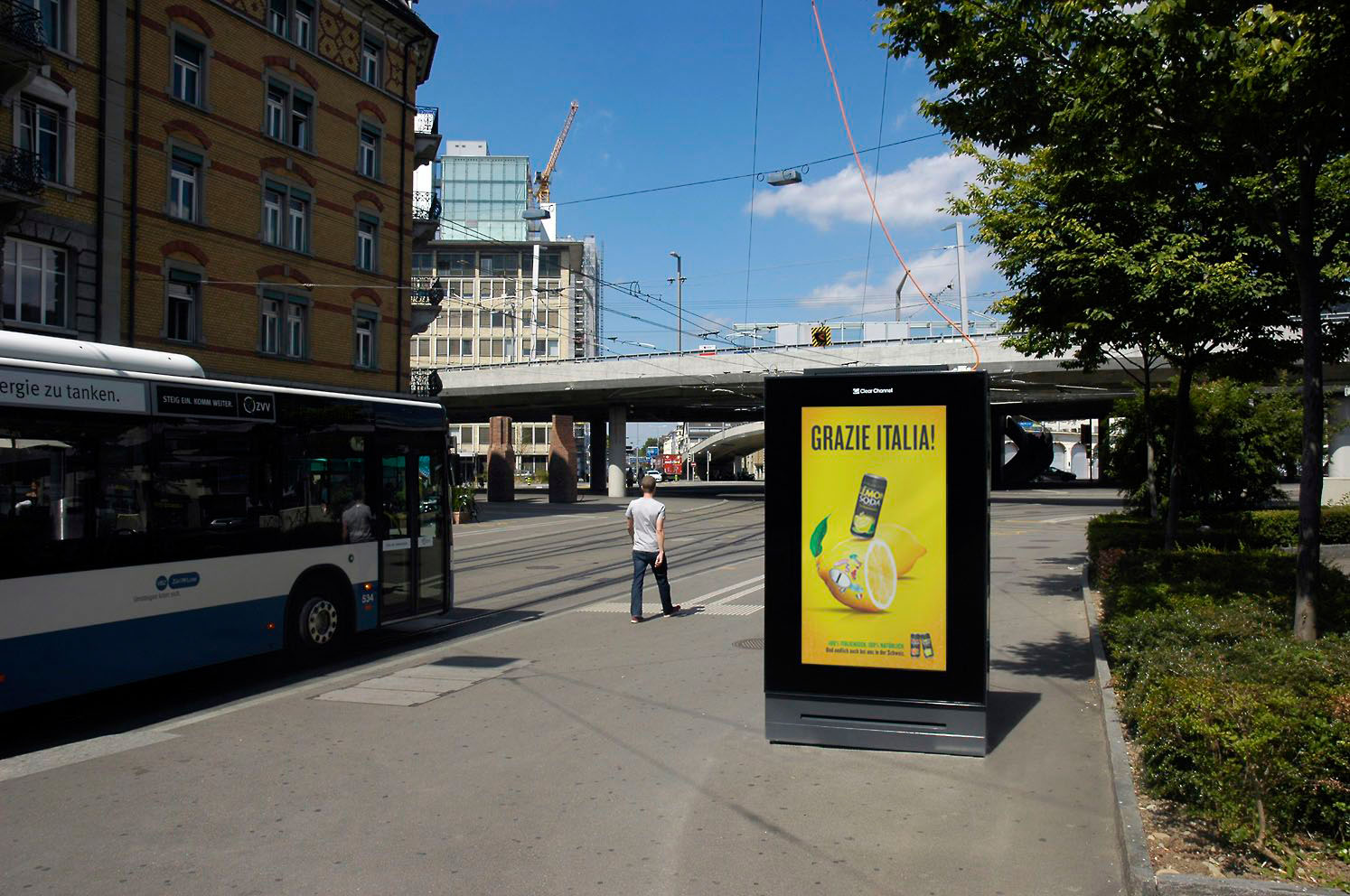
poster sites are becoming more and more widespread. For many years, APG enjoyed an almost monopoly position in the domestic poster market on public land. In recent years, the number 2, Clear Channel, has caught up and the market has increasingly developed into a duopoly. In the latest public tenders for poster marketing in Lausanne, Lucerne and Zurich, massively higher selling prices were recently offered. This naturally pleases the owners of these sites. These are often cities, municipalities or transport companies that have their poster sites marketed over several years and thus secure a fixed income. At the same time, analog sites are increasingly being replaced by digital ones, which is fundamentally good for the poster medium, as the bright screens give advertisers new design and interaction options. Unfortunately, however, digitalization also brings disadvantages from the perspective of advertising clients. On the one hand, the expensive marketing rights purchased in the tenders have to be refinanced on the market and, on the other, the investments in the new screens make the digital poster offering more expensive.Massive price increases for digital poster sitesAs a result, many outdoor presences are considerably more expensive after a digital conversion than before and at the same time achieve a lower media performance. How does this work? Quite simply: the providers increase the basic price for 10 seconds of presence on a screen, for example, and the screen presence is divided up into a maximum of 6 advertising customers for 10-second slots. With an occupancy of 10 seconds, the spot thus loses 83.33 % visibility or media performance compared to the previous analog spot with 100 % visibility. For example, a 10-second presence on the new digital advertising space at the Zurich Bellevue streetcar stop costs almost 70 % more than the previous F200 illuminated poster site. And this for only one sixth of the visibility of the F200 L. If a customer wants to have the same visibility on the screen as before, they would have to pay around CHF 10,000 for a week's presence. That is around 10 times more than for the previous analog F200 site. In the Bellevue example, the analog site was previously offered by APG|SGA and the digital space is now offered by Clear Channel.

Outdoor presences like Bellevue are becoming more expensive due to digitization.The SWA has several examples that show this trend: massively higher prices for "shared" media services in digital offerings.Offer and pricing should be reconsideredFor advertising clients, this results in an increase in the cost of advertising outside the home. Clients need to ask themselves whether it is worth investing in the new digital offerings under these circumstances? Or should clients consciously continue to rely on analog outdoor advertising offers with a "permanent presence"? The trend shows that more and more outdoor advertising providers are turning to digital options. Soon every Postbus, streetcar, city bus and store will have a screen with digital advertising options. Advertisers appreciate the fact that they can increasingly display their advertising in animated form. At the same time, however, a previous strength of outdoor is being lost. The visibility of the digital presence must be shared with other advertising customers. Providers should therefore rethink their offering and pricing in the interests of maintaining a strong outdoor impact.Poster research behind scheduleAnother challenge is the current research data in the poster market. The research on analog offerings is outdated and there is a lack of data for the majority of digital sites. The publication of the "SPR+ Mobnat" has already been delayed by over a year and there is still no concrete date in sight. This means that the industry risks the data becoming outdated before it is published. Poster research is clearly lagging behind other media categories! The SWA believes the time has come to become more involved in these issues. Together with its members, a list of demands has been drawn up and is being discussed with poster providers.members with questions about the poster or advertising market can contact the SWA office turn.Author: Roland Ehrler, Director SWA/ASA


