Brands fear for their place on retailers' shelves
Traditional brands increasingly feel at the mercy of a cutthroat battle with retailers' private labels. Coop plays a central role in this.


Brands whose products cannot be found on Coop shelves have little to laugh about in Switzerland (Photo: Coop).
One in the Switzerland at the weekend According to a study published by the Promarca association, the Swiss branded goods industry is increasingly concerned about the "predatory competition with other brands". For 32% of respondents, this is currently one of the biggest challenges. Only concentration in the retail trade (60 percent) and price pressure (40 percent) were mentioned more frequently.
One player in particular plays a key role here: Coop. As a brand, you can't get past the shelves of the Basel cooperative in Switzerland. In contrast to its main competitor Migros, which traditionally has a very high proportion of own brands, Coop's third-party brands take up a lot of space. However, this space is becoming increasingly tight - and competitive. Coop is also expanding the proportion of own brands, having increased it from 50 to 55 percent and is aiming for 60 percent according to its new strategy.
This is putting brand manufacturers under increasing pressure. Anyone who wants to launch a new product is dependent on Coop. Even today, you are "practically at the mercy of the company", says a member of a food manufacturer's management team to the Switzerland at the weekend. During negotiations, it is often said that you don't need the item, you already have your own brand for it.
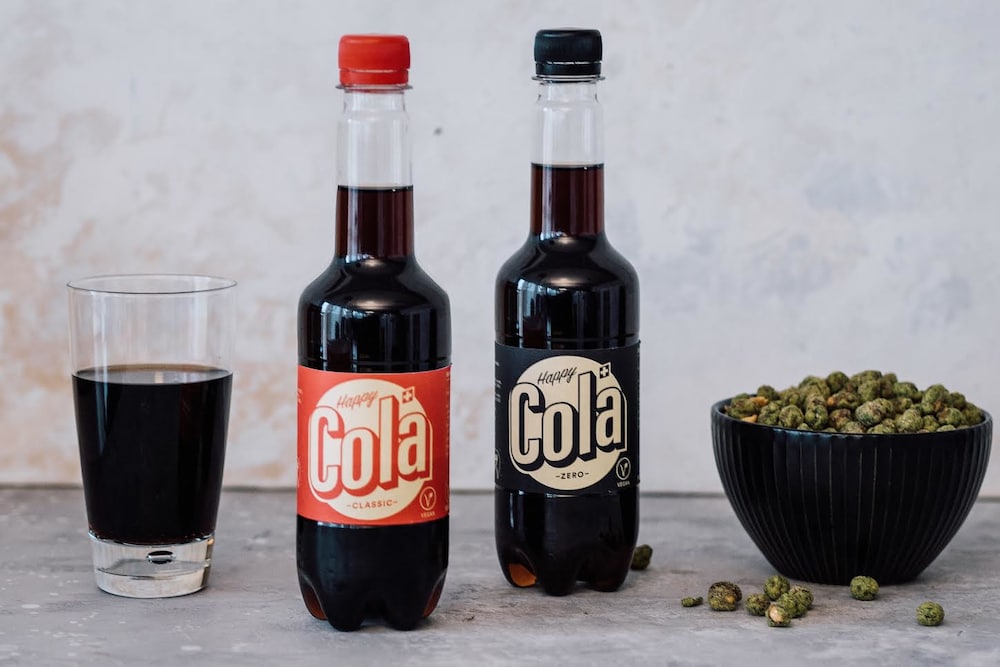
Coop has been deliberately exploiting its market power for some time now, throwing products from large multinationals out of its range when price negotiations are unsatisfactory - Nestlé, for example, recently - and presenting itself to customers as a fighter for low prices. The most recent example: Because Coca-Cola has reduced the size of its bottles but won't lower prices, Coop has unceremoniously launched its own cola brand called "Happy Cola" - this is intended to put pressure on Coca-Cola. If you believe Media reportsthe new brand has been well received by the public. However, it remains to be seen whether Happy Cola will have lasting success, as there is hardly any other product for which many customers are as "original-focused" as for cola.
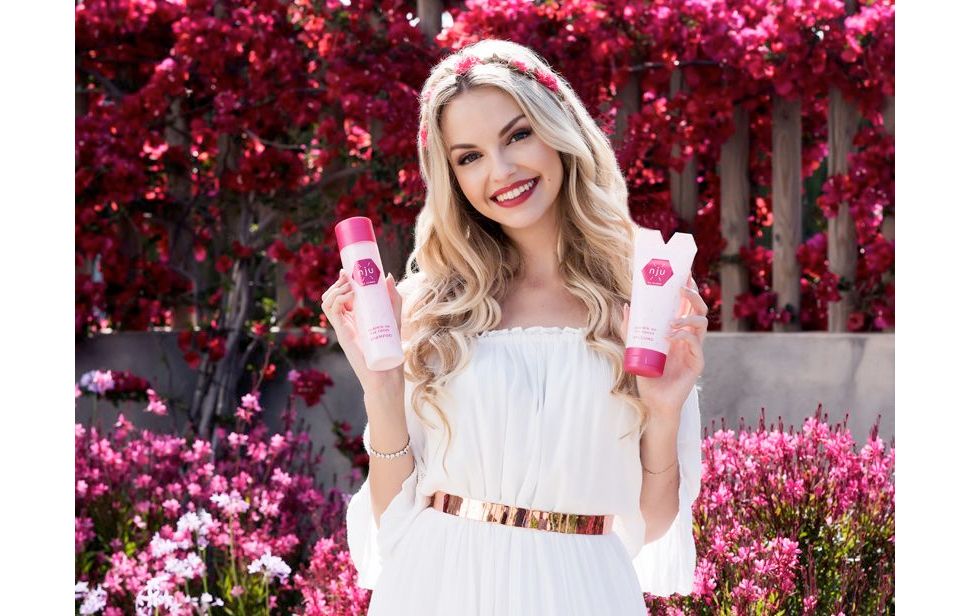
Retailers are increasingly trying to turn their own brands into real brands and promote them on social media. This is what retail expert Nordel Cavadini told the Switzerland at the weekend. For example, Migros recently launched a new beauty label called Nju via its cosmetics subsidiary Mibelle and is working with the German YouTube influencer xLaeta (pictured below). "By collaborating with xLaeta, the Mibelle Group is tapping into a major trend: Nju was created specifically for a new generation that wants to be emotionally and personally connected with a brand and its ambassador, and that's exactly what xLaeta stands for," says the press release.