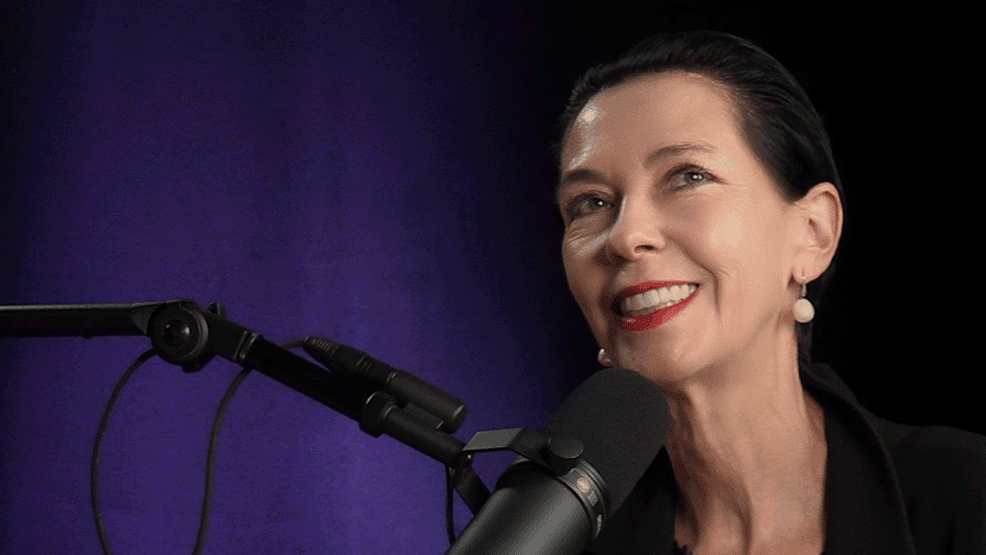
"AI makes language a key strategic issue"
Brands invest heavily in logos, color palettes, and design systems. However, because linguistic identity often falls by the wayside in this process, Jung von Matt Brand Identity has developed an AI-powered Verbal Identity Audit. In this interview, ESD Julius Jäger explains how the tool analyzes and operationalizes a brand’s linguistic identity—and what opportunities AI offers for language that aligns with the brand.


Automatically generated emails, chat histories or system notifications: Thanks to artificial intelligence, brand communication is increasingly taking place where hardly anyone controls it. If this happens without strategic guidelines, it can become problematic. However, for the first time, brands have the opportunity to use AI to turn language into a strategic, brand-compliant resource.
This is where Jung von Matt Brand Identity comes in with its newly developed "Verbal Identity Audit". The tool analyzes and codes the language of brands in such a way that it can be implemented in a way that is recognizable for both humans and AI systems.
In a mini-series on the topic of "Verbal Identity", Julius Jäger, Executive Strategy Director at Jung von Matt Brand Identity, will take an in-depth look at the measurability of language and the importance of a "prompt economy". In the opening interview, he explains why a strategically defined verbal identity is a basic requirement for successful brand communication - and how companies can take the first steps.

Julius Jäger, why does a brand need a clearly defined verbal identity in the age of artificial intelligence?
Julius Jäger: We used to say that individuality arises wherever it is not explicitly suppressed. With generative AI, we are now experiencing the exact opposite: individuality only arises where it is explicitly defined and specifically controlled. AI-based language models work in such a way that they always choose the most likely next word. So if you don't consciously define your own language, you will inevitably end up with mediocrity. A clearly defined verbal identity ensures that brands do not sound random, but remain recognizable and independent.
What typical linguistic inconsistencies do you observe in companies?
Many companies speak with several voices. The website texts are often from the last relaunch and were written externally. The job advertisements are formulated by the HR team, while the annual report comes from a specialist agency. This results in content that works well individually, but hardly speaks to each other. These silos lead to brands having optimized texts for individual channels, but they lack the connecting element that makes them recognizable as part of the same brand. There is a lot of untapped potential.
That is why we have Verbal-id.jvm.ch built a small quick check. Anyone can use it to get an impression of where their own language stands today - at least on the website - in just a few minutes.
"Content that works well individually, but hardly speaks to each other"
Why is language so often a strategic blind spot in brand management - why is it neglected?
It has always been possible to define language strategically and in detail. Without AI, however, this was hardly feasible and certainly not scalable. Nobody could or wanted to expect employees to read 20-page language guides. AI is different: it needs this clarity in order to generate content in line with the brand. That's why language suddenly goes from being a neglected detail to a core strategic issue.
How does a strong verbal identity differ from classic tonality or text guidelines?
Classic guidelines are often based on general style principles such as "likeable", "refreshing" or "at eye level". A verbal identity goes further. It translates the identity of a brand and says exactly how this is implemented linguistically: with concrete language rules, brand-typical terms and stylistic markers. Language thus becomes controllable, for people and machines.
Let's assume a new brand is being created. What steps are needed to define a strong verbal identity?
It always starts with a clearly defined identity: what defines the brand, what attitude and values does it represent? We derive concrete language rules from this identity and define the so-called ID markers - specific words or phrases that are unmistakable and appear again and again. The main aim here is to create specific highlights that are recognizable but at the same time authentic. The verbal identity must feel right for employees and must not be "cringe". A good example is Fressnapf's mail signature: "With solid paw print". Things like this are certainly not right for every brand, but it sticks. If it feels right for a company, such linguistic details can anchor the identity in everyday life.
You have launched a so-called "Verbal Identity Audit". What exactly does this audit measure - and how does this systematic approach to brand language work?
The Verbal Identity Audit makes language truly quantifiable. We systematically examine texts from all of a company's channels using clearly defined linguistic metrics: How attractive, understandable and differentiating do they appear? We also evaluate how media-appropriate the texts are tailored to their respective channels and how consistent and brand-coherent they appear across all channels. The results are visualized in a dashboard. This allows you to see at a glance where the brand stands linguistically and where there is potential. The Quick checkwhich I have already mentioned, provides an initial insight into this audit.
How do you ensure that AI-supported content speaks in the tone of the brand and not in the style of the tool?
This requires the Verbal Identity Code. A set of rules with clear specifications and specific linguistic markers that serves as a training basis for AI. The code comprises a few but crucial basic rules and very specific linguistic recognition markers. You can think of it like traffic rules that clearly state what is allowed and what is not. This is the only way to create texts that are more than 90 percent brand-compliant from the very first draft. Nevertheless, we always recommend a human-in-the-loop process, as AI continues to exhibit idiosyncrasies that need to be adjusted at certain points. The best example at the moment is the "-", which ChatGPT loves more than anything.
"The Verbal Identity Code is a set of rules with clear specifications and specific linguistic markers that serves as a training basis for AI."
What implications does the introduction of a verbal identity have for collaboration between MarCom specialists and technology?
If we want to digitize and scale brand management, a common language between man and machine is essential. A verbal identity reduces approval loops, creates clarity in briefings and basically turns language into a kind of programmable interface, similar to an API. This prepares companies for technologies such as AI-based chats, avatars or voice interfaces, all of which benefit from a clearly defined personality. But it's not just about MarKom, because everyone in the company communicates. Internally and externally, constantly. This is where AI can build bridges and create understanding. And even help shape the culture with verbal identity.
If you want to know how your own brand language is doing, you can get a first impression with the quick check on Verbal-id.jvm.ch/en win. The online tool analyzes your own website language in just a few minutes and shows where there is potential for more consistency and brand identity.