Four ideas for video monetization that publishers should know about
Publishers have come to realize that without video content, there can be no editorial success. However, editorial videos—which require a significant investment of time and personnel to produce—are currently monetized only through instream ad formats.


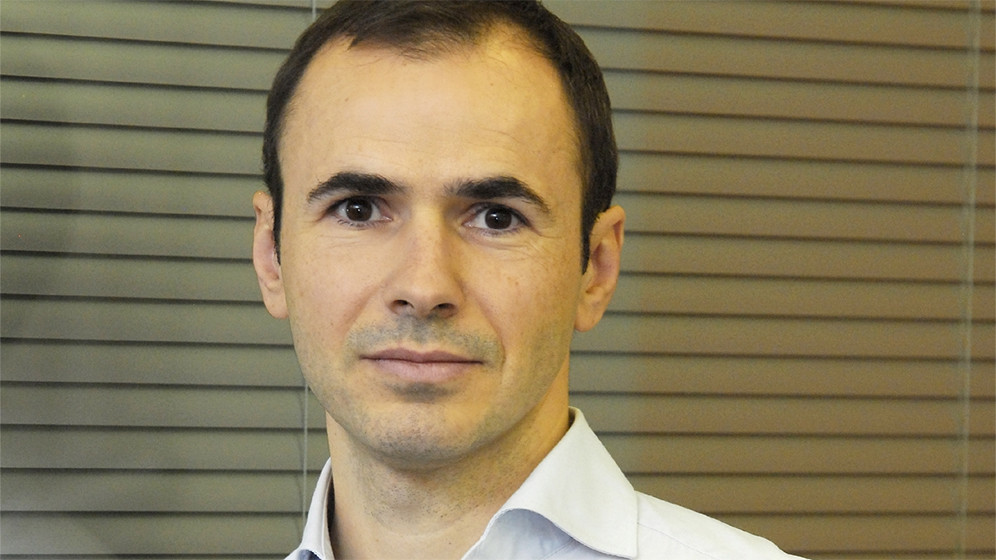
This is short-sighted, says Cosmin Ene, CEO of LaterPay: "Pre-rolls and other forms of advertising are now showing signs of fatigue, comparable to behavior in front of the TV. For many users, the advertising loops also interrupt the user experience. There are many monetization approaches that are more user-friendly and in some cases even enable the integration of advertising." After all, users are very willing to pay for content if they are given the choice of how to do so. The LaterPay CEO presents four such approaches.
1. make voluntary contributions
Time and again, there are experiments with the pay-as-you-like principle, and time and again they prove their worth. It is also possible to monetize content with voluntary contributions in the area of moving images. To do this, publishers simply place a request for a donation at the end of their videos. The trick, according to Ene: "Don't leave it up to the user to decide how much they want to donate. Suggest fair amounts. The rule of thumb with donations is: if you have to think about it, think about it." The approach is also suitable for publishers who first want to determine the value of their video content.
2. micropayments and subscriptions
Publishers in particular who offer video content as an extension of their editorial content face a challenge when it comes to monetization: in order to sell subscriptions, they would usually have to put together a separate content package consisting solely of videos. Micropayment technologies can help here: they break down the payment process into individual content units and can then re-bundle them.
3. channel sponsoring
The gaming platform Twitch, for example, implements another form of user-driven monetization in its channel sponsorship approach: anyone who enjoys using a channel can support it with a temporary partnership. This is also possible for publishers, but preferably for thematically clearly defined video channels. For example, if a journalist with a strong opinion always broadcasts his weekly review as a video, this format could also be sponsored or special content could only be made available to his sponsoring users.
4. money or advertising
There are users who are willing to watch advertising. And users who would rather pay a few cents or euros for an ad-free video instead. Publishers can strengthen the bond with their users and ensure the best possible monetization of their video inventory if they give users a choice. Cosmin Ene says: "In my experience, a single question is enough. Would you like to watch the following video for 35 cents without advertising? After that, the user either decides to pay or willingly consumes the prerolls." Even adblocker users contribute to the company's success by being asked to buy or to deactivate the blocker. This approach also increases the satisfaction of the company's own advertising customers.
5. create technological foundations
The basis for all these monetization scenarios are video players that enable the integration of intelligent payment dialogues. Many larger enterprise solutions deliberately enter into partnerships for this purpose. Flowplayer, for example, has been working with the payment technology LaterPay since March 2018. The players Ooyala and JW are also currently working on LaterPay integration. Cosmin Ene therefore advises interested publishers: "No matter what stage of your video strategy you are currently at, check which monetization options beyond pre-roll are available to you with the embedded technology. Once you have done this, test which options your users are open to. This is usually not time-consuming. And in the end, you only keep the variants that are actually worthwhile for you."