
Shoppable content: How commerce and content merge by click


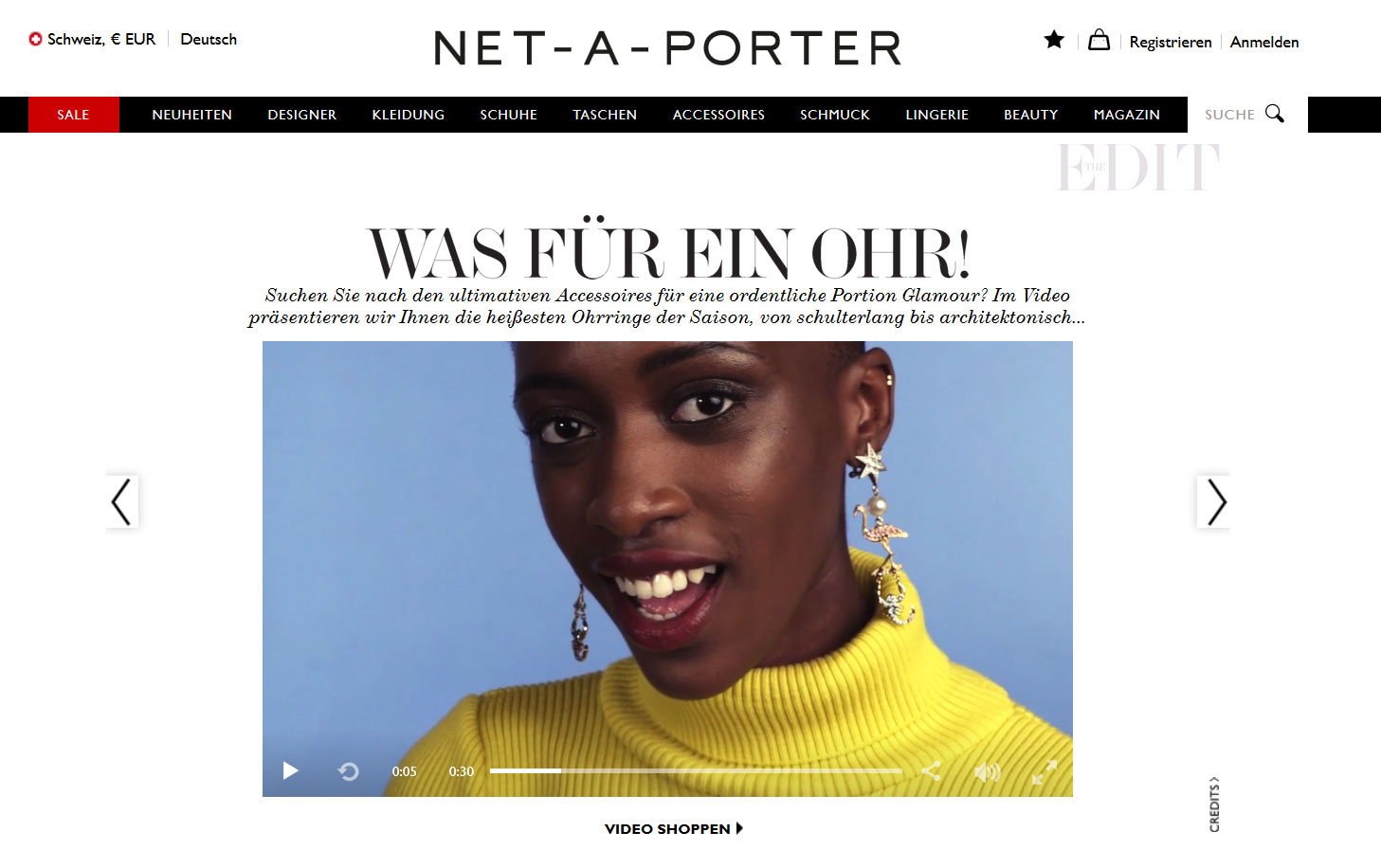
The video from Net-A-Porter shows the collection - the products shown can be purchased via an additional link.In recent years, almost everything in marketing has revolved around content. Content should be tailored to the user and therefore relevant, enriching and also well prepared. As "user generated" it is interactive and involves the users themselves in the creation. With high-quality content that is exciting for the user, it is possible to create worlds of experience and strengthen loyalty to one's own brand. However, the actual purchase via online stores or platforms runs in parallel and is insufficiently linked to the content offers.If a potential user sees a product that he likes, it is still a long way to the purchase: Find and call up a suitable online store or platform, search for the desired product, in the appropriate size and desired color - possibly still change the platform if the corresponding version is not available - and then click through the ordering process. This is time-consuming, as every customer knows; so the probability is high that he will initially stick to the content that is exciting for him. He will remember the products later - or not. The actual buying impulse is not optimally used in this way, and the actually willing online shopper often jumps off at the last moment before the decisive purchase click.Companies should therefore already offer their customers new inspirations and incentives for the purchase decision during the information process and address potential buyers with innovative content strategies in all phases of the customer life cycle: this is how they win and retain customers and generate valuable leads. But what might such an innovation in content marketing look like?
Marks & Spencer shows how to be directed to the corresponding product page via info button.Integrate the userA successful implementation shows the online department store Net-a-porter: the Internet mail order company for luxury clothing and accessories stages an exclusive selection of items in a look, a specific location or matching a theme, and each of these featured products is purchasable with a click in this magazine. At the British retailer Marks & Spencer the customer is directed from a video to the corresponding product page via a superimposed info button, while the videos of the Swiss company Bally are even designed interactively. Here, too, individual items are directly clickable. The fashion retailer ASOS invites its customers to share photos of themselves wearing ASOS clothing and accessories on Instagram or Facebook with the hashtag #AsSeenOnMe to post. Next to the user's pictures, the corresponding product pages are displayed, so that the viewer can immediately buy a look he or she likes.Merging content and commerceThe providers listed have one thing in common: they use a new form of content design - shoppable content. This is content in online magazines, blog articles, videos or images that offers a direct purchase option. This means that the user can click on products in the articles, images or videos and place them in the shopping cart, or he is redirected directly to the corresponding product page to buy them there. There is a maximum of two clicks between the desire to buy and fulfillment. Shoppable content thus creates a seamless link between content and commerce and certainly leads to mutual benefits: It is convenient for customers, the impulse of "wanting to have" is fulfilled immediately, without having to do lengthy research first, search for the desired item across multiple platforms and product sub-pages, then register and click through a long payment process. In the best case scenario, the customer is not interrupted while reading the story or watching the video. If this works smoothly, consumers could easily get used to it, even expect this purchase option in the future, and be frustrated if it is not available.Customers are addressed continuouslyManufacturers, on the other hand, can use shoppable content to offer a more emotional and extremely shortened buying process and thus set themselves apart from the competition. The fusion of content and commerce increases traffic and customer loyalty. Shoppable content means a more dynamic and probably also more lucrative approach than selling solely via the classic online store: Attention, interest, desire creation and purchase reaction - the four relevant phases in the purchase of a product - are perfectly served with Shoppable Content. Customers are addressed in all phases of the customer lifecycle, as they can buy all products quasi immediately without interrupting their reading and through constant inspiration. Faster online purchases increase conversion rates, and the impact of the content can be measured immediately and thus better controlled.The potential extends beyond fashion and sportsThe new approach is interesting for all online stores. Of course, the areas of fashion, interior design, and sports are particularly suitable for shoppable content because their content can be packaged so well in stories and images. User-generated content can also be created here. The principle is also conceivable for DIY stores that present do-it-yourself projects to their community in an online magazine, for example. The tools and materials used for these projects can then be added directly to the reader's shopping cart. However, other sectors will certainly be inspired in the future, such as food & beverage. Marks & Spencer is already using engaging YouTube videos with clickable recipes here as well. Key point YouTube: Social media platforms will play an important role. Pinterest has responded with the launch of its "Buyable Pins" for U.S. users; on Instagram, users in the U.S. can buy desired items directly via third-party providers using the "Shop Now" function. In the future, YouTube also wants to offer advertisers the opportunity to virtually "buy in" to the products shown in videos with shopping options.Requirements and challenges in the use of shoppable contentTo make the investment in shoppable content worthwhile, you need sufficient traffic on the website to reach enough potential buyers in the first place. The implementation is technically demanding. Especially when producing interactive videos, you should rely on the help of experts. First of all, however, it's about something else: In order to use shoppable content successfully, you have to know your target group very well - or get to know it, if that hasn't happened yet. Basic questions to ask are: - What makes us as a company, what do we want to offer the customer?- What can our product do?- How, in which situations and why do users apply it?- What do they do before, during and after use?The answers then provide the basis for good stories into which the products can be inserted. If content and commerce are to be merged, this naturally also requires that the relevant departments within the company work hand in hand, so an integrated marketing and sales approach is a must.Content must be strategically linked with all other channels, because only with a holistic strategy and integration of all sales and marketing channels can shoppable content develop its full potential. The focus should not be on the products, but always on the shopping experience for the customer. The implementation of an effective concept and the creation of valuable content are always a question of time and capacity.


