Quality comes from torment - and saving creates torment
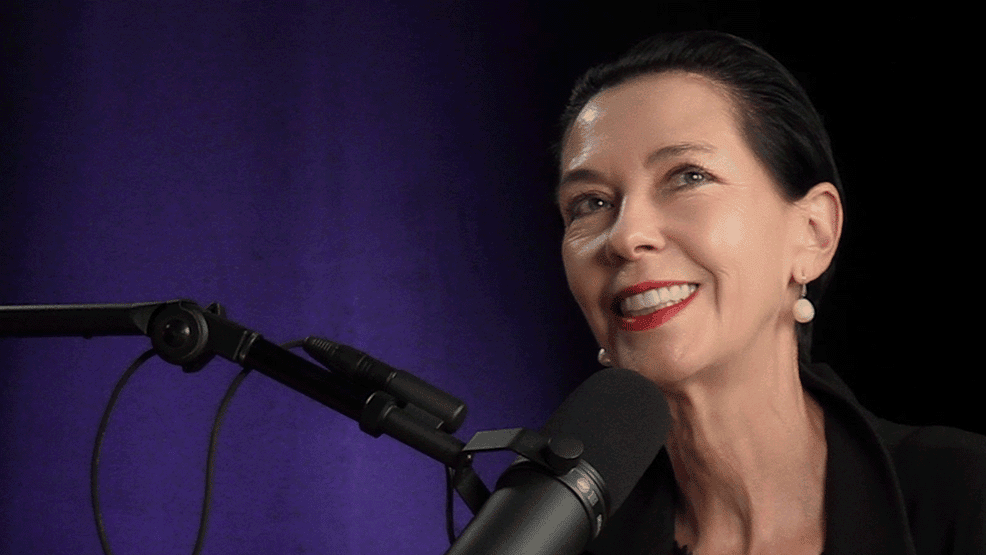
The editorial by Editor-in-Chief Anne-Friederike Heinrich from Werbewoche 18/2017.


After the presentation of this year's yearbook "Quality of the Media", there was again a discussion about Swiss media products, their substance and diversity. And lo and behold: Even if diversity is decreasing because media concentration is increasing, the quality of most media products is still right; that of offerings in the digital space has even increased. That's good news. And we certainly don't want to neglect good news, even if it doesn't generally generate as much traffic as the bad.
But quality is still under pressure. On the one hand, more and more "alternative media" are popping up that disseminate information with little effort and, in part, unchecked, thus further increasing the influx of input to the coveted readership. Even if these platforms do not have a large reach. On the other hand, a few large publishers dominate Switzerland's three language regions, which increasingly prevents competitors from rubbing up against each other, which would increase the quality of discourse.
Anyone who still wants to make media worthy of the name today - where research is done, thought is given and inquiries are made in various directions, where a debate is followed or even controlled over a longer period of time - needs masochistic traits. Journalists have always been egg-laying lactating sows. But they still had to evolve into digital-strategy revenue-boosting media brands-and-self-sellers. In addition, the continuous shrinkage of editorial teams and budgets means that they are increasingly lone fighters on a vast, anonymous reader front, without colleague support and exchange options; journalists are poorly paid anyway.
For an editor-in-chief in the mid-1980s, it was still normal to slither into the editorial office sometime around noon on a production day and crinkle his editorial onto the paper so that a secretary could type it out until the first glass of red wine - while he could leisurely review the output that his editors and department heads had put on paper in the meantime. Today, a different wind is blowing, if there is any air left in the editorial offices at all: Processes are trimmed to efficiency, productions are geared to high profit margins, intellectual achievements compete with sponsored content. Time is in short supply, and time to think is a luxury that can be indulged in after work at private expense - if you think you absolutely have to think.
If quality still emerges from such a development, it's only because journalists pave the way for well-cooked information with a great deal of passion for their readers and a belief in the cause. But instead of honoring this, publishers and readers see further potential for savings; anyone who still wants to be a journalist has to get down on their knees: If you want to be read, post your lines free of charge and celebrate Facebook's "Instant Articles" as an achievement - like a wrongly convicted man praising his murderer on the guillotine, perhaps to survive after all.
It all comes together: Passion for good journalism, penny-pinching manner of the publishers and free-of-charge mentality of the readers. This mixture will explode very soon, quality or not. That's why, at the moment, we need to talk less about quality than about money: Anyone who walks into Migros and takes a pound of sugar from the shelf without paying is liable to prosecution. And we offer our sugar for free so that even more people want to lick it? Whether in a bookstore or in the red-light district, at the gas station or in the Coop - everywhere, paying less means getting less. Why doesn't that apply to journalistic products, of all things?
Anne-Friederike Heinrich, Editor in Chief