Column: By the Way: You Wouldn't Have Noticed
Rising costs are forcing companies to make difficult decisions. One of these is “shrinkflation”—less product for the same or a higher price. While this may seem understandable from a business perspective, consumers often view it more critically than an outright price increase. In their column, Laura Colledani and Klaus Ammon explore why this issue is not just about prices and package sizes, but above all about transparency, fairness, and trust.


Sometimes a product changes almost imperceptibly. The packaging looks familiar, it’s in the same spot on the shelf, and even the brand seems unchanged. Only the contents have shrunk. That’s exactly what’s called “shrinkflation”: less product for the same or even a higher price.
The issue has recently come back into the spotlight. In Germany, Mondelēz International’s decision to reduce the size of its Milka chocolate bars has sparked debate. The criticism was directed less at the price increase itself than at the impression that the change was intended to go as unnoticed as possible. And that is precisely where the real problem begins. The internal logic is understandable. The costs of raw materials, energy, transportation, and packaging are rising. At the same time, companies know that consumers often react sensitively to visible price increases.
It might work in the short term
A smaller package therefore seems like a more elegant solution. From a pricing psychology perspective, this makes sense. Studies have shown for years that people often react less strongly to changes in quantity than to higher shelf prices. In the short term, therefore, shrinkflation can work.
In the long term, the effect is less clear-cut. Consumers often accept price increases more readily than the feeling that they are being secretly disadvantaged. When companies openly communicate that costs have risen, this does generate resistance—but it usually also leads to understanding. If, on the other hand, the quantity is reduced while the packaging and presentation remain as similar as possible, perceptions change. Then it’s no longer just about grams or milliliters. Then it’s about fairness.
That is precisely why people often react more emotionally to shrinkflation than to traditional price increases. International surveys now show that many consumers are aware of shrinkflation and view it critically
There are numerous examples showing that shrinkflation does not go unnoticed. This became particularly clear, for instance, when the iconic shape of Toblerone was altered for the British market. The wider spacing between the triangles was intended to reduce weight and cut costs. However, the public reaction was so negative that the brand later reverted to its original shape. Coffee products have also repeatedly drawn criticism—especially when package sizes shrank while prices rose at the same time.
Cases like these show that shrinkflation becomes particularly problematic when people feel that transparency is being knowingly and deliberately circumvented. Of course, companies are free to change their products. Markets change as well. Costs rise, consumer habits shift, and margins come under pressure.
The crucial question, therefore, is not whether shrinkflation is legitimate, but rather how transparently companies handle it. After all, brands thrive not only on pricing and distribution, but also on a quiet trust that customers don’t have to look any closer to know they’re being treated fairly.
If that perception is damaged, a brand often loses more than just a few grams of product.
By the way … People are willing to accept and forgive a lot. But not the feeling that the provider was hoping they wouldn’t notice when they were «cheating.».
Sources / References
- Reuters on the ruling against Mondelēz International / Milka for misleading packaging design, May 2026.
- Hamburg Consumer Advice Center on shrinkflation and „deceptive packaging,“ 2025/2026.
- International research on price perception and changes in package sizes in retail.
- Public reactions to the change in Toblerone's shape and its subsequent return to its original shape.
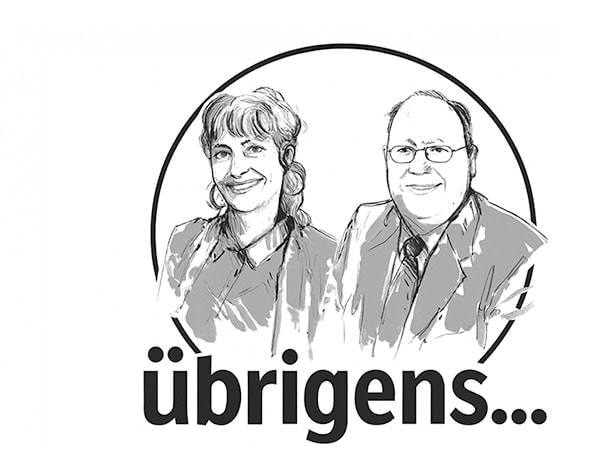
Laura Colledani and Klaus Ammon have more than 40 years of combined experience in consumer research and marketing research. Over the years, they have developed a keen sense of what moves people - even beyond the numbers. Both authors advocate a communication culture that listens before it broadcasts. With the new approach of consumer listening management tools, they want to support marketing managers in not only questioning consumers in the traditional way, but also entering into a genuine relationship with them.