
Digital transformation: buzzword or not?


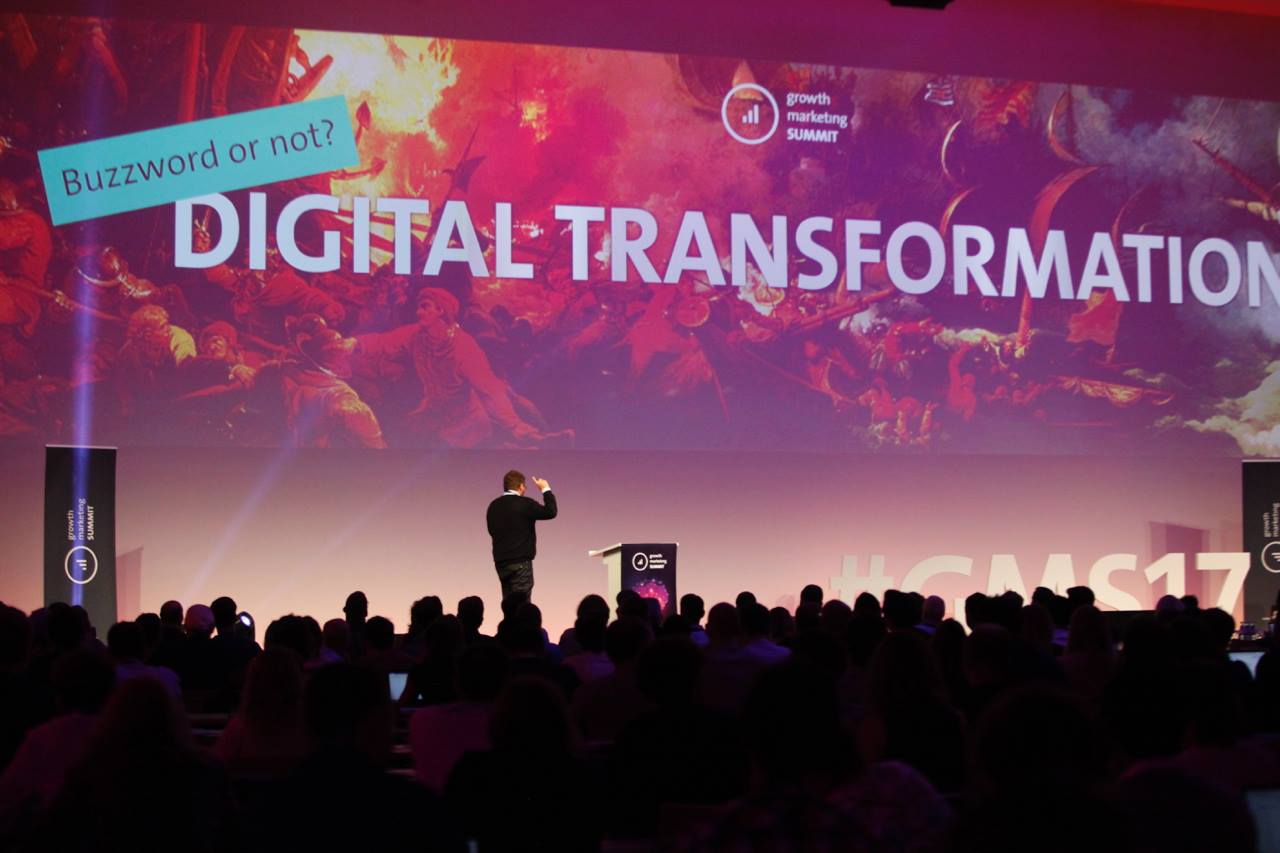
The opening question at the summit "Digital transformation - buzzword or what?" immediately caught the audience's attention, and you would expect Germany's sparkling marketing scene to be in Hamburg or Berlin - far from it. What the organizer of André Morys (www.webarts.de) of international speakers to Frankfurt is remarkable. Thirty years ago, it was Walter Schmid with his Montreux Direct Marketing Symposium, which was the rendezvous of the scene. A packed day programme with twelve presentations revolved around the topic of conversion optimization. Even if the initial question of whether digital transformation is more than just a buzzword was not answered conclusively, the relevant questions relating to conversion rate optimization were answered expertly. And that is precisely why the almost 600 participants came.Voice and gestures as upcoming device interfacesIn his keynote speech, Bryan Eisenberg from the USA emphasized that instead of "digital transformation", we should be talking about "extreme transformation". This is because the known changes would not only be more severe, but would also happen faster. Using the example of Amazon Alexa, he was able to illustrate that voice will become the dominant interface in a few years' time. In this context, he spoke of so-called "conversational interfaces". The explanation of the elements on which Amazon's growth is based was also exciting.
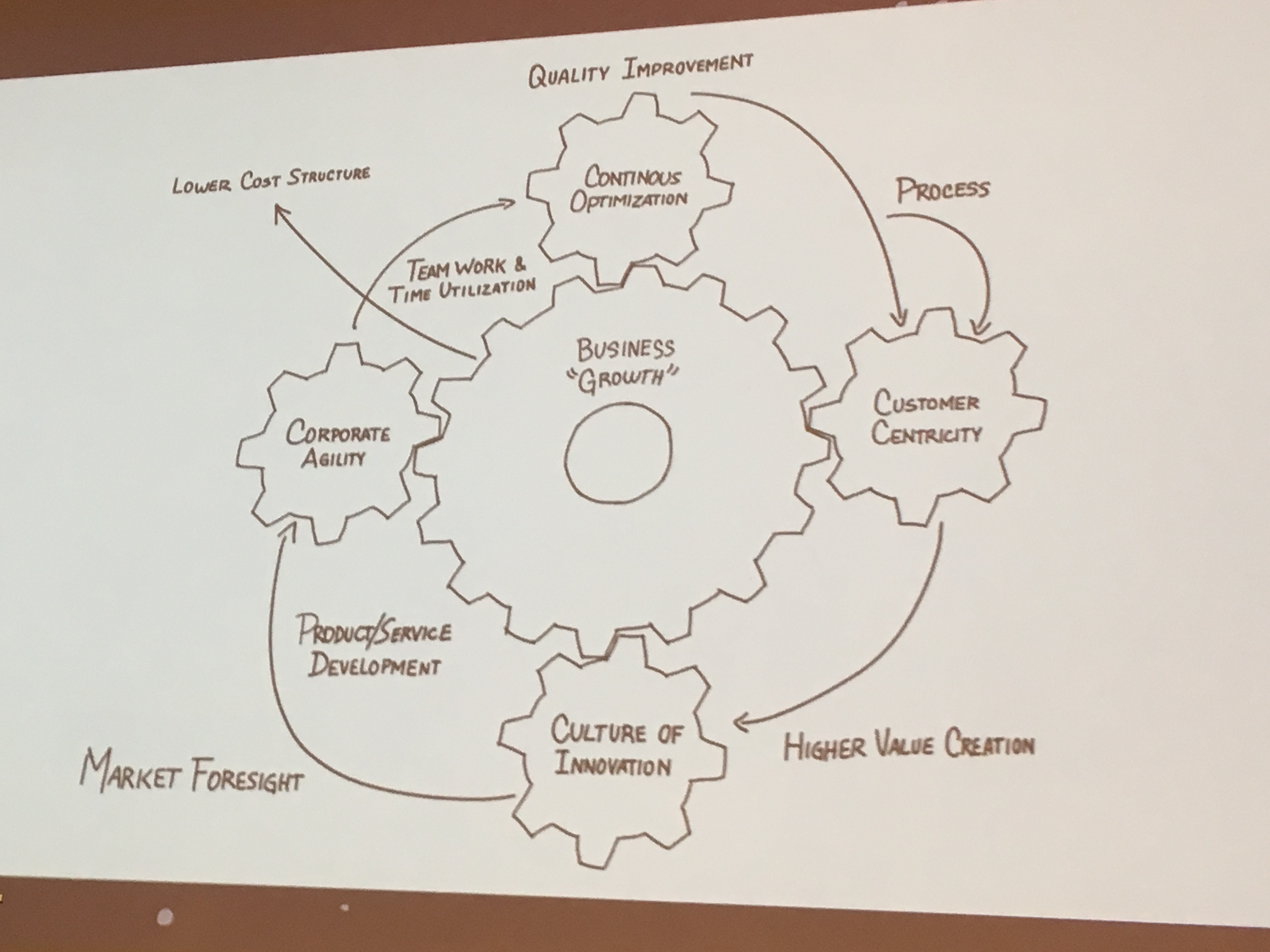
According to Amazon CEO Jeff Bezos, four building blocks are responsible for the steady growth of the online giant:- Customer Centricity- Culture of Innovation- Corporate Agility- Continuous Optimization, hence the quote from Jeff Bezos: "Start with the customer and then work backwards".Optimize websites with big-bang or permanent deploymentVarious other presentations showed how self-profiling functions can be embedded on homepages to guide visitors to relevant content more quickly and thus significantly increase the conversion rate, while Scandinavian John Ekmann, CEO of Conversionista, used the examples of Booking.com and Spotify.com to show that these two websites have fundamentally different approaches to website optimization. Booking.com is constantly and gradually improving, while Spotify pursues a big-bang approach at long intervals.The conclusion that can be drawn from all the day's presentations is that website optimization is still too often and too much based on assumptions rather than on real customer information or user and transaction data.It was also pleasing to note that significantly more online marketers from Switzerland attended this year's 9th edition of the conference. Growth Marketing Summit will take place on September 6, 2018 in Frankfurt.



