
10 brands that are properly positioned for 2016


MARK ANALYSIS With its "Full Potential Analysis", Enigma Lab shows which ten brands in each sector best exploit their branding potential. Some Swiss brands can also make a name for themselves.

These ten brands are characterized by the fact that they make very good use of their branding potential.The customer and the brand - a friendshipJust like our brains, brands often only use a fraction of their potential. Brand, target group and communication platform have the potential to improve: what used to be a walk to the village store is now a sea of possibilities. The brand is central to this. The brand conveys the character of a company. The first impression, gaining importance, maintaining contact, the shared joy. Brand management, i.e. branding, is the foundation on which the relationship between the customer and a company is built. In order to maintain this contact in the long term, the reason must be stable and consciously strive for an emotional connection with an easy-to-understand story. The brand must have a clear appearance, be consistent and appeal to the target group individually. Then customers will recognize its added value and will consider a product or service as a possible purchase option.Full Potential Analysis
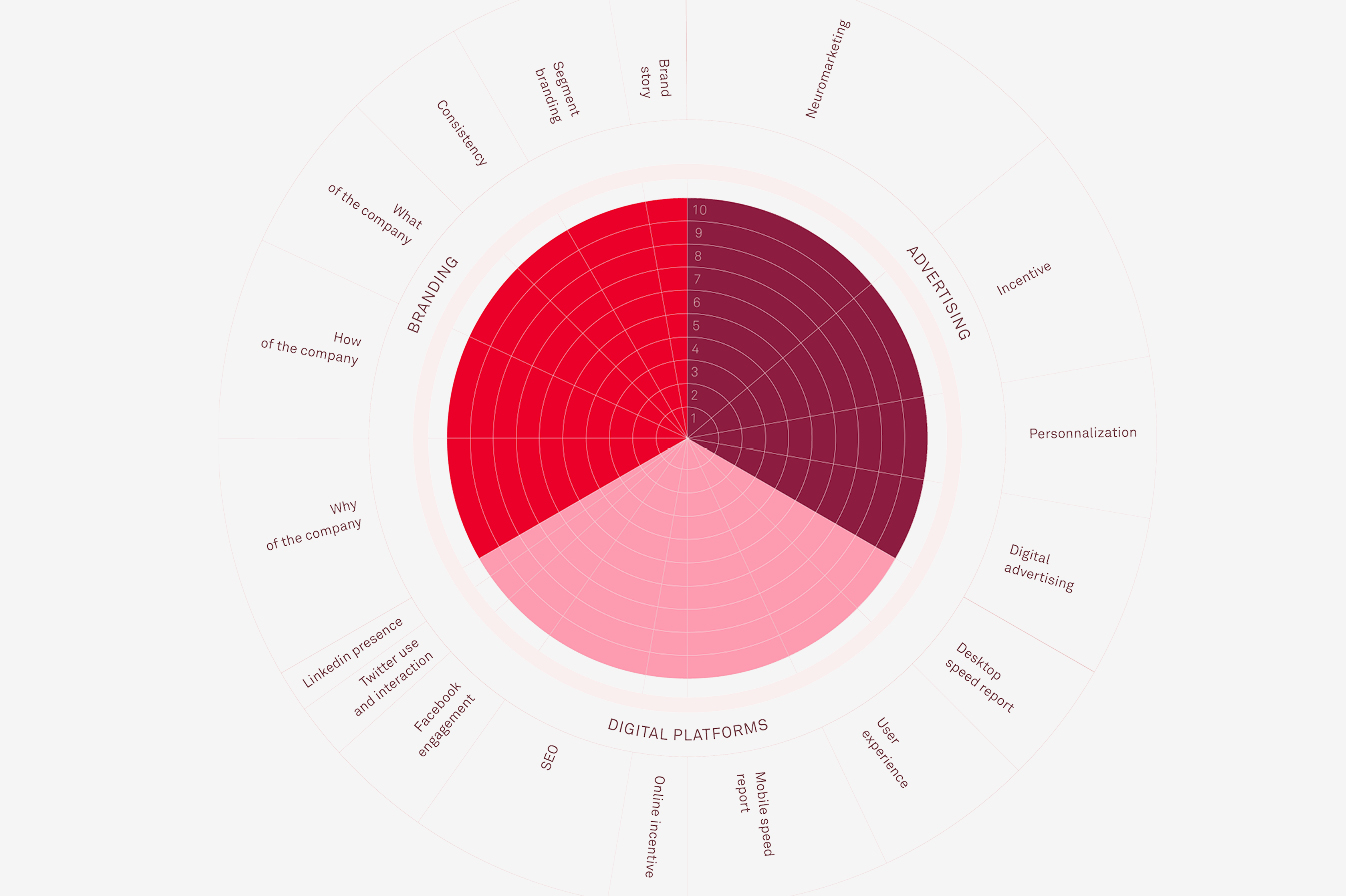
The Enigma Lab has with the Full Potential Analysis developed an agile decision-making method for brand analysis. It allows a strategic focus on three axes: branding, advertising and digital platforms. The analysis is a snapshot of a brand. The method identifies areas where companies are strong and areas where improvements can be made - improvements to exploit the full potential. The results, visualized in a pie chart, are based on over 60 criteria. The quality of the criteria is shown on a 10-point scale. The larger the radius, the better the potential utilized. The resulting score per area and across all three areas is particularly meaningful when applied within an industry and shows where it makes sense to target marketing opportunities.How is branding evaluated?
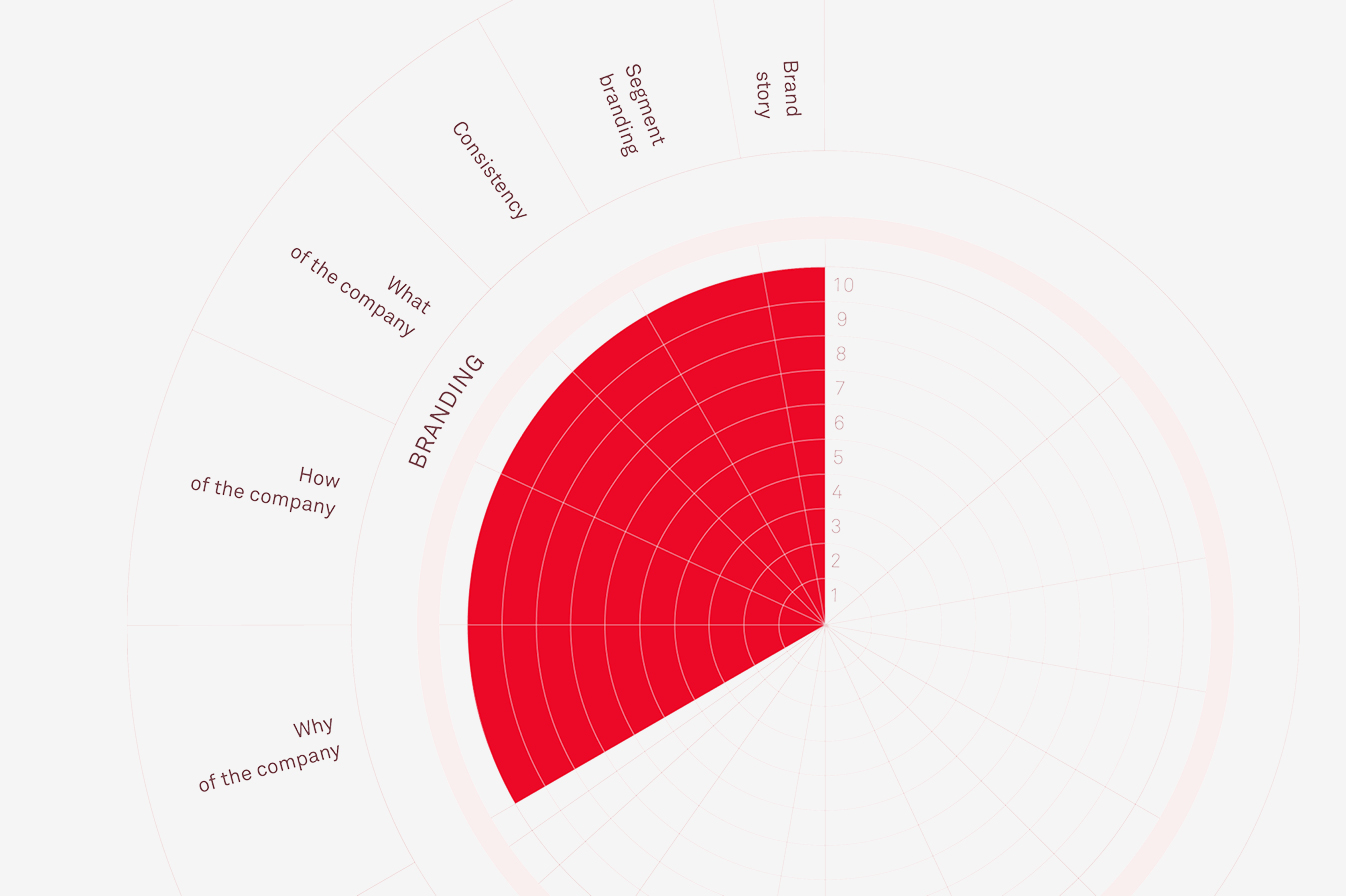
The analysis takes a critical look at various aspects of a brand and its history. The questions "Why?", "How?" and "What?" are used to analyze the vision, brand identity and value proposition. Transversal branding examines the consistency of the brand identity in terms of design, font, color and recognizability. And finally, the analysis examines whether a company is telling a story and whether this is individually tailored to customers.What are the 10 brands mentioned doing right?No brand can afford to fully exploit every sub-area. This is neither economical nor practicable. Marketing is the art of setting the right priorities. Those who master this discipline use the advertising franc where it works. Successful brands answer the question "Why?" perfectly. They have learned, that people don't buy what a company does, but why it does something. Successful companies develop their brand with great sensitivity in terms of design and recognizability. This is not about correctly implemented corporate identity, but about understanding design in the sense of a service that is perceived by the consumer as added value: at Apple, design is a religion, at Chanel a symbol of luxury and Easyjet uses design to offer its service online, simply and without the support of staff. In addition, these brands know how to tell catchy stories. Coca Cola wants consumers to Give joy. Camille Bloch's latest creation from Ragusa, "Ragusa Friends"promote friendships. And Zalando wants to be the happiness maker with its slogans "Scream with happiness" or "Rejoice!". Companies that have mastered the art of branding also know how to address and communicate with a diverse target group in a differentiated way. Migros lets Co-create productsFrom M-Selection to M-Budget and from regional products to private labels, it offers a broad-based brand presence that is almost unparalleled. 10 brands from 10 different sectors will be revealed in our next article in January.Author: Martin Künzi, Associate Partner Enigma




