Report: These are the trends in the event industry in 2026
The event and brand experience industry will reach a turning point in 2026: For the first time, five generations will come together at events; artificial intelligence will become operationally effective; and experiences will evolve from marketing touchpoints to strategic success factors. This is shown in Kesch’s Event & Brand Experience Trend Report 2026.


The event and brand experience industry is at a turning point in 2026. For the first time, five generations will meet at events simultaneously, artificial intelligence will become operationally effective, sustainability will be measurable - and experiences will evolve from a marketing touchpoint to a strategic success factor. These are the findings of Kesch's Event & Brand Experience Trend Report 2026, which is based on a comprehensive European industry study and international market data.
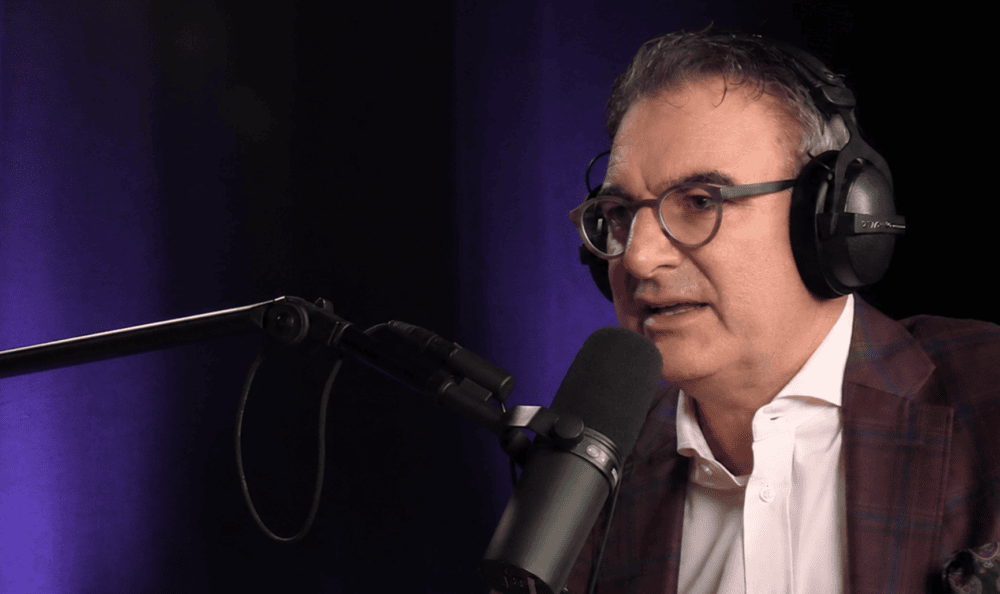
Under the motto "The Age of Meaningful Experiences", the international brand experience agency Kesch analyzes the ten key developments that will shape events, brand staging and corporate communication in the coming year in its latest trend report - and shows why relevance, emotional impact and community building will become more important than reach or size. "In 2026, events will no longer be isolated measures. They are culture, identity and relationship drivers - both internally and externally. Anyone planning events today is designing meaningful experiences with a measurable impact," says Thomas Kenyeri, Founder & CVO of Kesch, during the presentation at the BOE experience marketing trade fair in Dortmund.
European study: Focus on quality and innovation
The report is based on an exclusive survey of 35 leading European event agencies from the BEIC network and a comparison with international studies. Overall, the results show a clear focus on high-quality attendee experiences, the importance of new technologies (especially AI) and dealing with budget pressure and uncertainty. Despite various challenges, the industry is cautiously optimistic about 2026 and is predominantly planning for stable or growing event figures.
While live events remain strategically relevant in both markets, there are clear differences between Europe and the USA: Europe focuses more on stability, quality of experience and long-term relationships, while the USA is more performance- and ROI-driven. The common denominator: AI is becoming the standard - but with different objectives.
From format to meaning
The Kesch Trend Report 2026 clearly shows that events are moving away from standardized formats towards consciously designed, meaningful experiences. The main driver of this development is generational change. For the first time, five generations are attending events at the same time - with completely different expectations in terms of content, tone, interaction and added value. One-size-fits-all no longer works. "This fact opens up new possibilities, events are becoming places where differences don't divide but enrich - and where a genuine multi-generational experience is created," says Thomas Kenyeri. Micro-communities, modular agendas and target group-specific experience spaces are emerging. At the same time, networking is changing fundamentally: large cocktail receptions are becoming less important, while curated small groups, thematic circles and activity-based encounters are becoming the real value drivers.
At the same time, technology is coming of age. Artificial intelligence is finally leaving the experimental phase and becoming an integral part of the entire event lifecycle - from planning and personalization to smart networking and impact analysis. AI automates processes, creates efficiency and opens up new ways of measuring ROE (return on experience). The decisive factor here is that technology does not take center stage, but supports the experience in the background.
Small is the new luxury
At the same time, there is a clear counter-trend to size: "Small is the new luxury". Instead of individual large-scale events, companies are increasingly focusing on small, highly relevant and personalized formats - from executive dinners and retreats to micro-events. Proximity, access and curated content are becoming the new luxury. This development also reinforces the "creativity first" trend: creativity is becoming the most important differentiator in a market with rising costs and growing competition. It is not budget or size that determines impact, but ideas, storytelling and emotional relevance.
Sustainability is changing fundamentally. In 2026, sustainable events will no longer stand for green symbolism, but for measurable, transparent decisions - from mobility and energy to food concepts, inclusion and accessibility. Supported by data and AI, sustainability will become a quality feature of modern events and a natural part of experience design.
There is also a greater focus on content. "Content is king" remains a central rule, but is gaining new depth: participants expect authenticity, real talk and interactive learning formats instead of polished PR panels. Content, networking and experience are merging - learning happens in dialog, not in frontal lectures.
Employee experience as a growth driver
This development does not only affect external formats. Employee experience is one of the most dynamic growth drivers in the event sector. Internal events are becoming central cultural instruments: Onboarding festivals, learning camps, culture days and family events are replacing the traditional office as a place of encounter and identity.
All of these trends are leading to a fundamental change in roles: "The event manager is dead - long live the experience designer." Event managers are evolving into strategic designers of experiences that combine storytelling, technology, sustainability and impact into an orchestrated overall experience. The success of an event is no longer measured solely in terms of reach or budget, but in terms of emotion, relationship and long-term impact.