68 percent of Swiss trust editorial media more than social media
So much for the «lying press»: Despite the populist accusations leveled by some critics, traditional editorial media brands remain highly regarded by most Swiss people and enjoy a high level of trust.



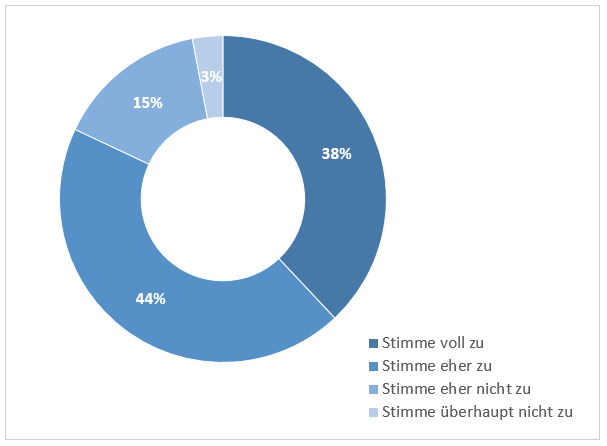
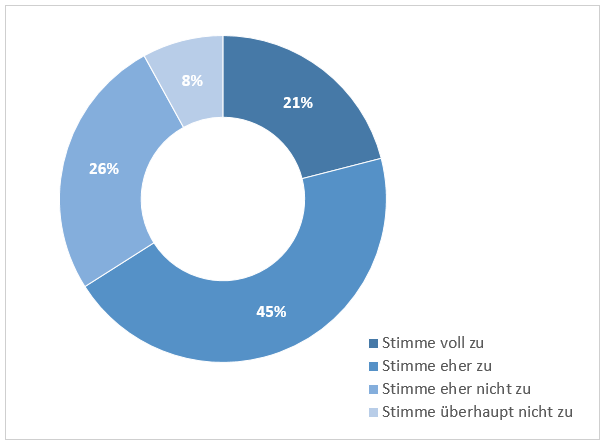
For example, 68% of the Swiss believe that they trust the content of editorial media more than social media such as Facebook or Twitter because journalists check the truthfulness of reports before publishing them. And 82% of Swiss people distrust the content of social media and blogs because practically anyone can publish unchecked reports there and there are often deliberate false reports.
These are the key findings of an online survey conducted by global brand consultancy Prophet on the topic of "Journalism vs social media: How much do you trust editorial media?", for which 500 adults in Switzerland were surveyed in May of this year.
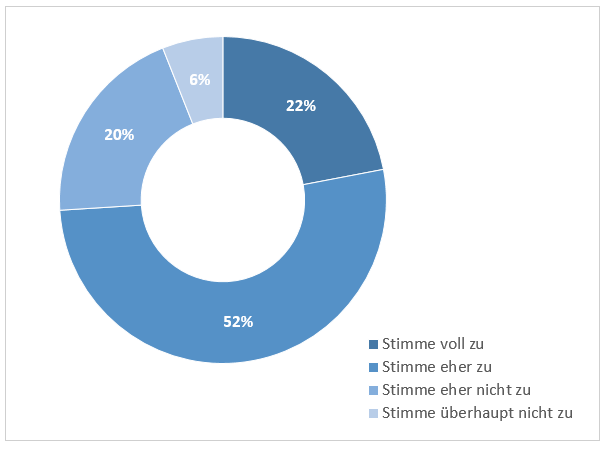
According to the participants, editorial media are also extremely important for the functioning of democracy. Almost three out of four respondents believe that traditional media brands are very important for Swiss society because they can control politics and the economy.
Influenced media
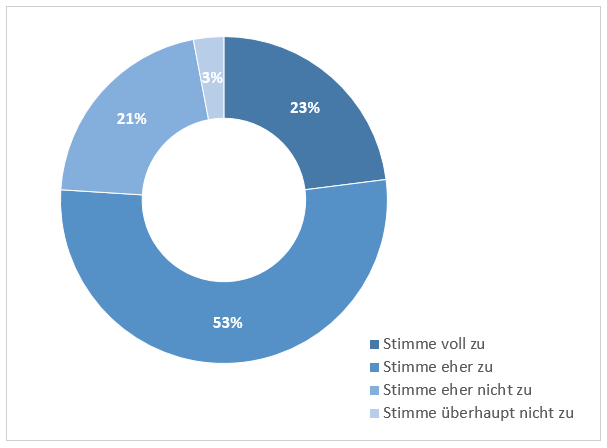
However, 76% of Swiss people believe that editorial teams are influenced by politicians, interest groups and companies to disseminate news based on their interests. "People rightly ask themselves whether the functionalities of social media help them to assess state crises and political developments just as well as the question of which hotel in Paris is the best and cheapest," says Prophet partner Wolfgang Jacob, assessing the results of the survey. Prophet, a consultancy specializing in brand management and strategy, also works for leading international media companies. However, it is too early to speak of a comeback of the traditional media, says Jacob: "People have become more critical and have been disappointed by some editorial offices of the traditional media in the past."
Putting customers at the center
However, the recent scandals have put a severe damper on the resulting turn to social media. Media brands must therefore learn to understand their customers better and put them at the center of their attention, says Jacob: "Every consumer needs well-researched, independent content, regardless of age and personal interest." This is why a return to such journalistic virtues is important and promising. The key to success is to prepare your own content for your target group and to be present wherever well-researched media content is needed. Only in this way is it possible for a media brand to take a firm place in people's lives. Leading media companies such as the New York Times have understood this and are currently gaining more subscribers again through appropriately designed offerings.
On Prophet.com you will find the interview with Wolfgang Jacob.
Survey results
I trust the content of editorial media more than social media such as Facebook or Twitter because journalists usually check the truthfulness of reports before publishing them.

Anyone can publish unverified reports on social media and blogs. As a result, there are often false reports that are intended to put others in a bad light. I therefore do not trust these media.
Editorial media are of great importance to our society because they are independent and can monitor politics and the economy. Their existence is important for the functioning of a democracy.
Printed media still have their value. Paper seems more credible to me than the web.
Traditional media are not as independent as they claim to be. Editorial teams are controlled and influenced by politicians, interest groups and companies, and thus disseminate interest-dependent reports.