AI agents relieve tourism organizations of routine tasks
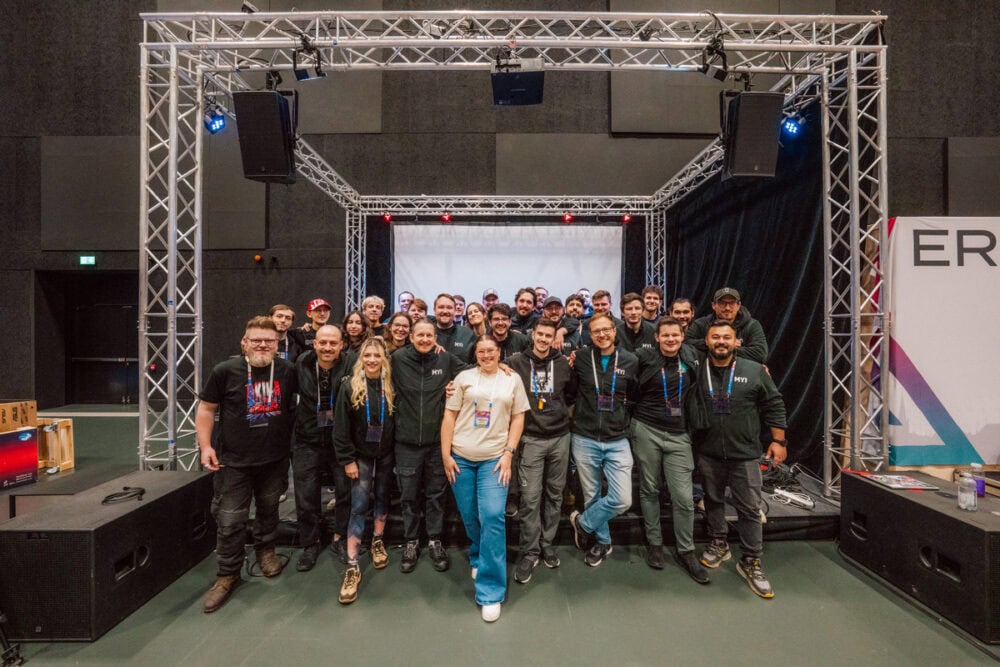
Artificial intelligence is already being used productively in the Swiss tourism industry. At the «Future Unfolding» industry event at ETH Zurich, Basel Tourism and Aumera AI presented specific applications that noticeably reduce the workload for employees in their day-to-day work. About 80 participants gained insight into both existing and planned uses of AI agents.


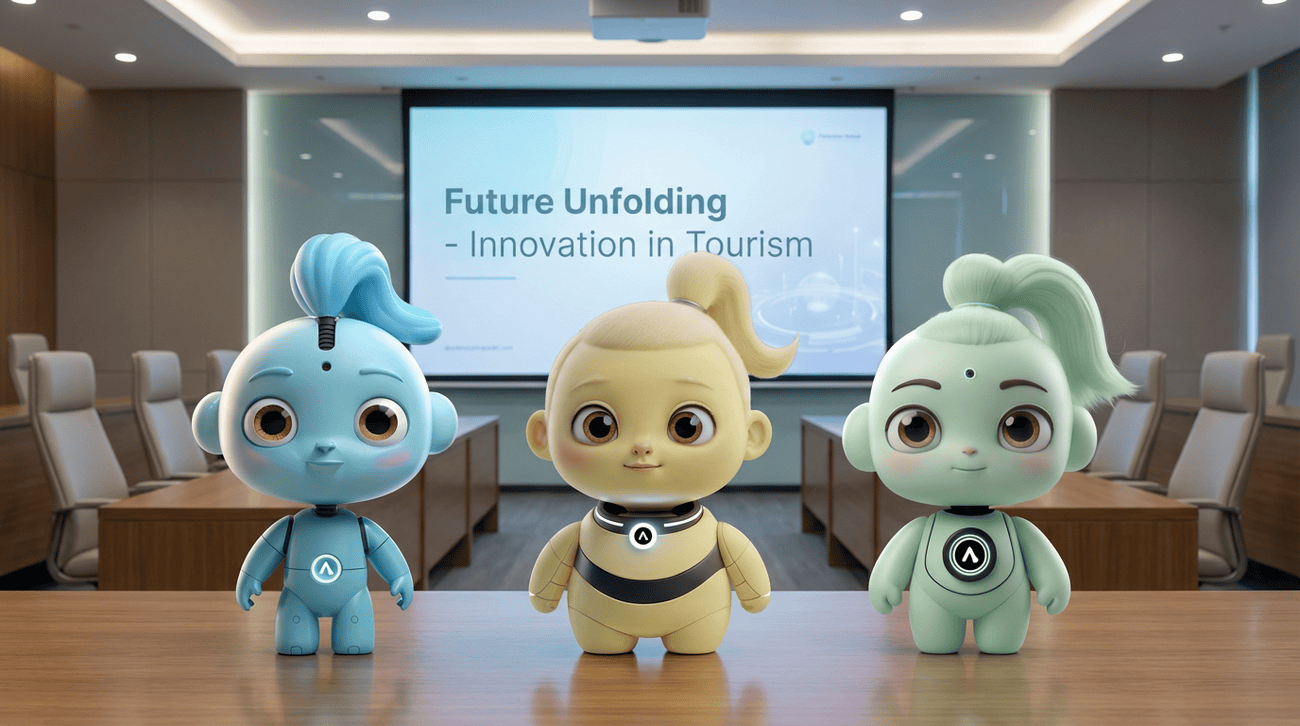
The event focused on the AI agents Eve, Joy and Sonny, who provide effective support to tourism organizations in German-speaking Switzerland, the Engadine and Ticino. The project, initiated by Basel Tourismus and Aumera AI and financed by the State Secretariat for Economic Affairs SECO (Innotour), is being rolled out step by step. Currently, 15 tourism organizations are involved in the project. They are developing needs-based applications and then sharing these with all project partners.
Concrete use cases in everyday work
The use cases presented live showed how AI agents can relieve employees of repetitive tasks in guest communication and internal workflows in particular. Processes that used to take several days can now be completed in just a few minutes. Different AI agents with clearly defined roles are used for this: Eve automates inquiries, content planning and newsletters and ensures consistent, centrally organized content. Sonny creates offers or travel programs and provides support in the entire sales area. Joy supports dialog formats, makes content understandable and critically classifies perspectives.
The content review and final approval remain the responsibility of the organizations and their employees, who control the use of AI through clear guidelines. In the subsequent panel discussion, the influence of AI on the industry and future job profiles was also addressed.
Freedom for innovation
For Dominic Stöcklin, Head of Marketing at Basel Tourism, one thing is clear: "AI will also fundamentally change jobs in our industry. Our task remains to inspire people. If we delegate clearly structured processes to AI, we create space for innovative ideas and new projects."
In addition to the opportunities, the requirements for the successful use of AI were also discussed. Michael Koch, founder of Aumera AI, emphasized: "It is not the technology itself that is decisive, but the structured feeding of relevant content and the sensible integration of AI into existing workflows. AI agents are only as good as the information available to them."
Focus on joint learning
Continuous exchange within the industry is central to this. Christoph Schlumpf, Innotour program manager at SECO, explains: "The project shows how important it is to learn together when dealing with AI. We started with six tourism organizations, today there are 15. The structured exchange enables solutions that are not only innovative, but can also be realistically integrated into the day-to-day work of tourism organizations."
Interested parties can gain further insights into the integration of artificial intelligence into existing work processes at Basel Tourism at the annual media conference on February 12, 2026.