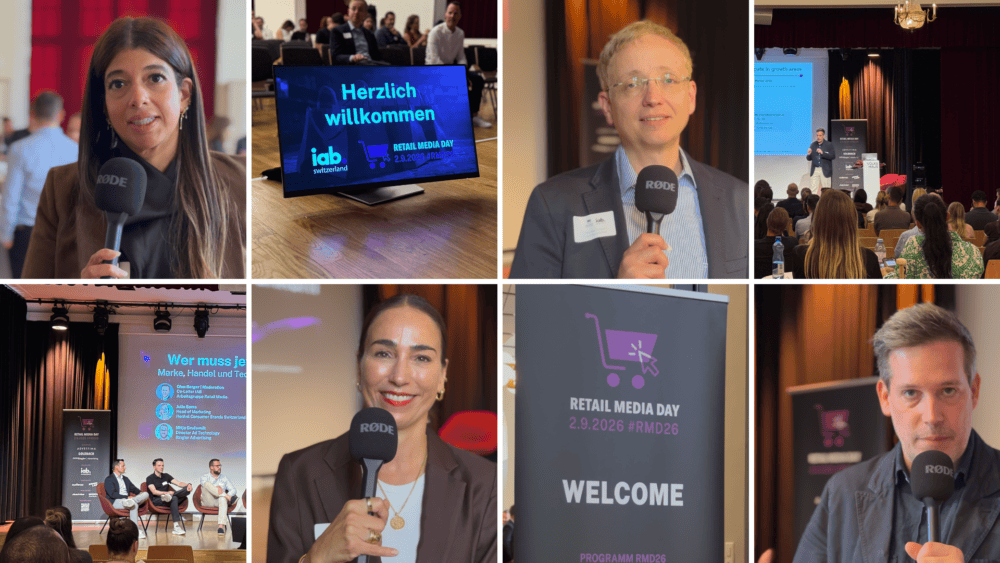
Bad websites make the brain vomit


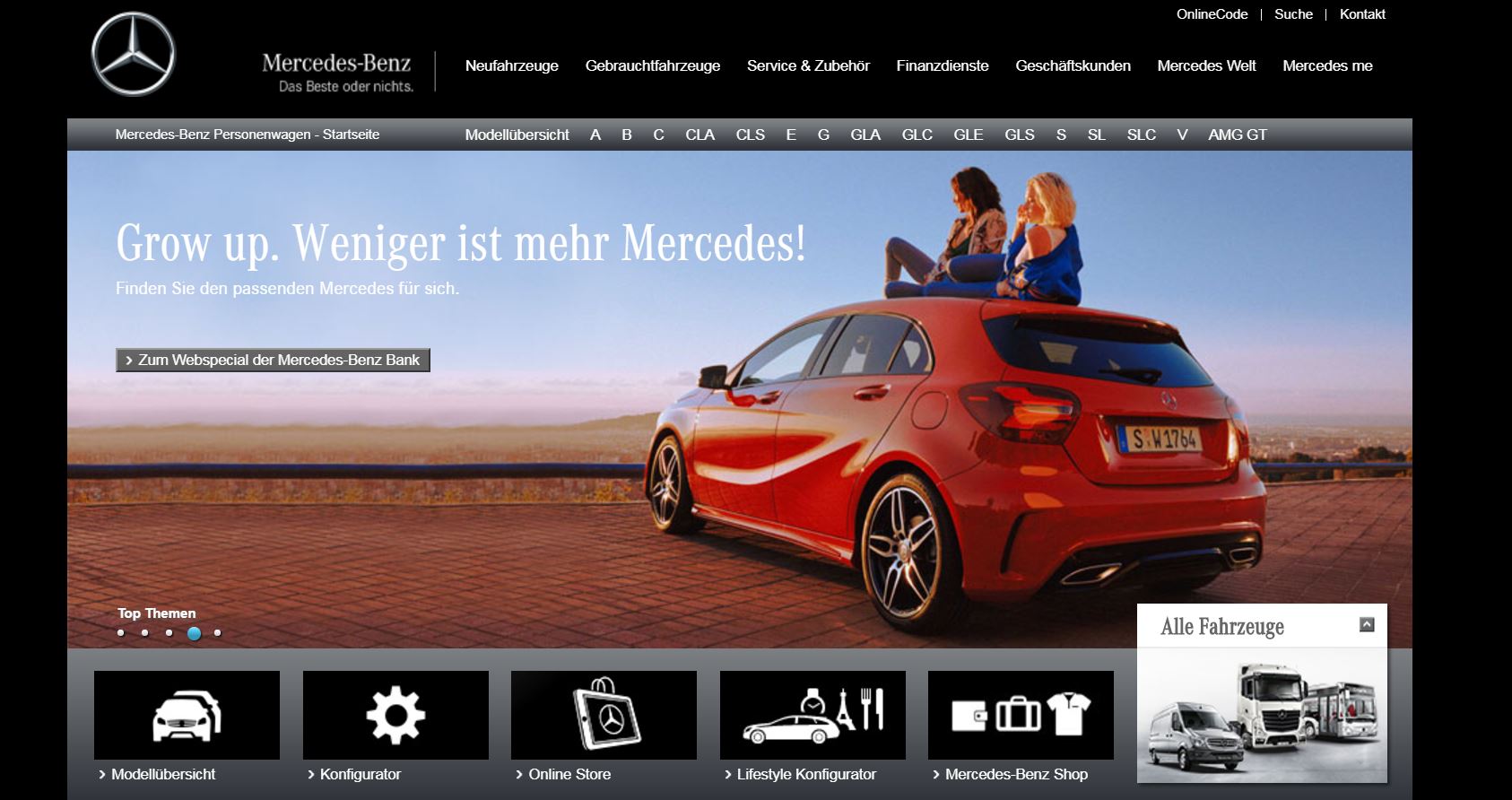
It was a shot in the arm. The cancer images on cigarette packets are intended to deter smokers from their addiction, but it was of little use. "Because other areas of the brain are activated", provides Dr. Hans-Georg Häuselpsychologist and brain researcher, explained this in his presentation at the Online Marketing Conferencewhich are GS1 Switzerland he showed how we make decisions and how brain research can help us to advertise better.The cigarrette case is a classic. When people see the packet, the pleasure center is activated. They are not - as desired - disgusted, but want to smoke one. "This is the desire and reality paradox," explains Häusel. An essential component of neuromarketing. He explains that we can only be successful if we understand how people work.If it doesn't trigger an emotion, it's meaninglessThis also includes knowledge of the subconscious. "We make 70 to 80 percent of all decisions unconsciously," Häusel explains. The brain knows in advance whether we are going to buy something or not. Or as the Australian neurologist Allan Snyder puts it: "Consciousness is just a PR campaign by your brain to make you think you have something to say." Häusel adds: "Everything we do has an emotional background. So anything that doesn't trigger emotions is meaningless." That's why the entire marketing world relies on "emotional boosting". It creates stories around a product. Coffee, for example: it's not the bean that counts, but how the bean became a drink. Marketers today are asking themselves how they can emotionalize everything. However, it is important to know how the brain really works so that the right emotions are addressed - not like the cigarette packet.The brain is lazyThe emotional evaluation of products and services is therefore largely unconscious. However, there is another factor worth knowing in order to survive in the online world. Because what is predominantly found online today are overloaded websites. Three to even four columns wide and heaps of text. A big mistake, according to Häusel. The brain doesn't work automatically for nothing. "Thinking consumes a lot of energy and the brain is lazy," Häusel explains. The brain hates thinking and loves simplicity. And this is also how a website and an online store must be structured. Häusel compared the websites of BMW and Mercedes as an illustrative example:
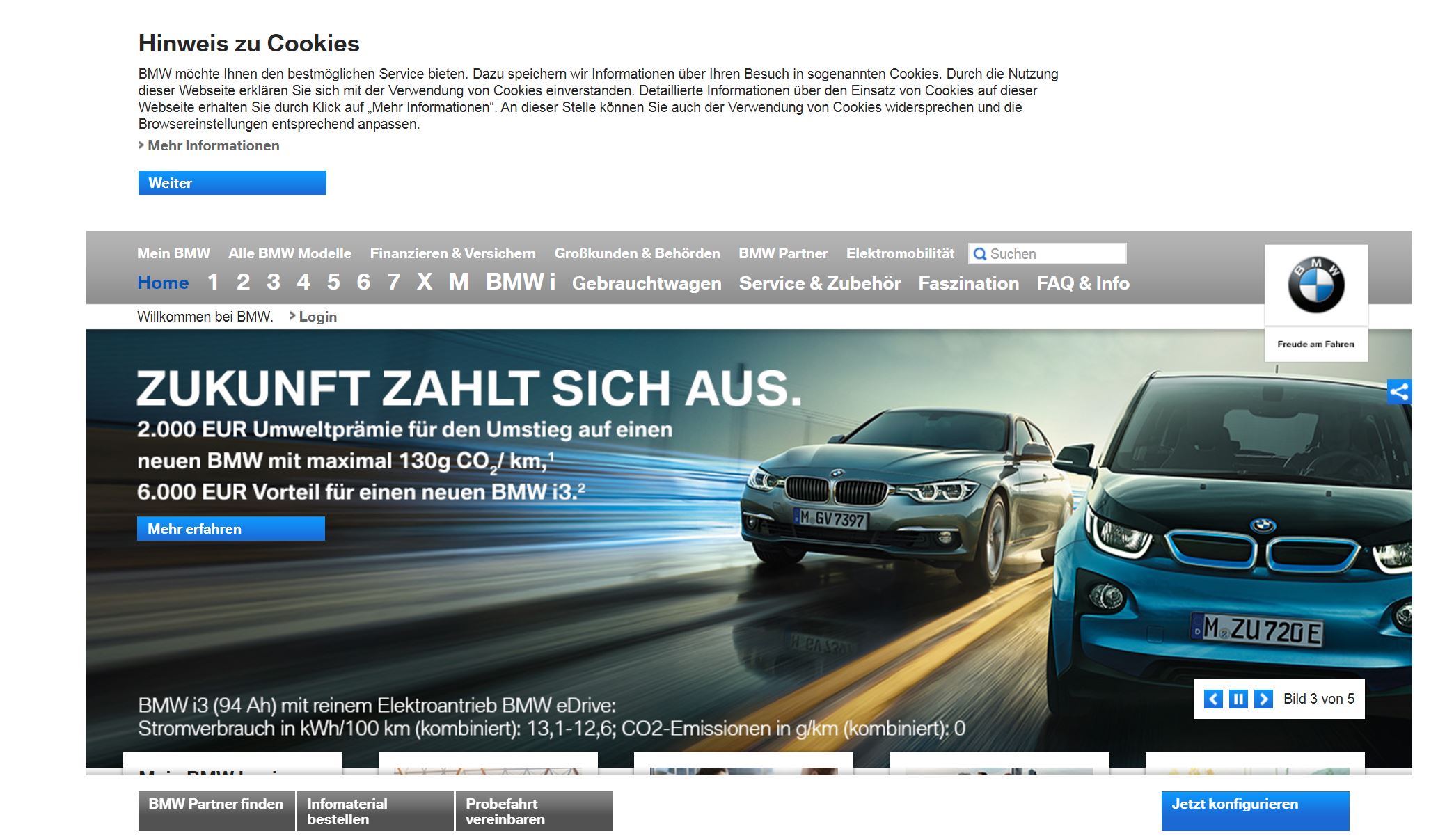
While BMW overloads the brain with lots of text and a long cookie notice, Mercedes relies on storytelling.
When the brain pukes"Websites have to be brain-friendly. If you can't show what it's about within 30 seconds, you'll make the brain vomit", as Häusel puts it directly. The brain should be asked to do as little work as possible. Lots of images, little text and change. "Google amuses us again and again by simply changing its Doodle. Whether for Easter, Christmas or other holidays, Google creates a simple story and makes itself likeable." Another successful example is the Oerlikon website:
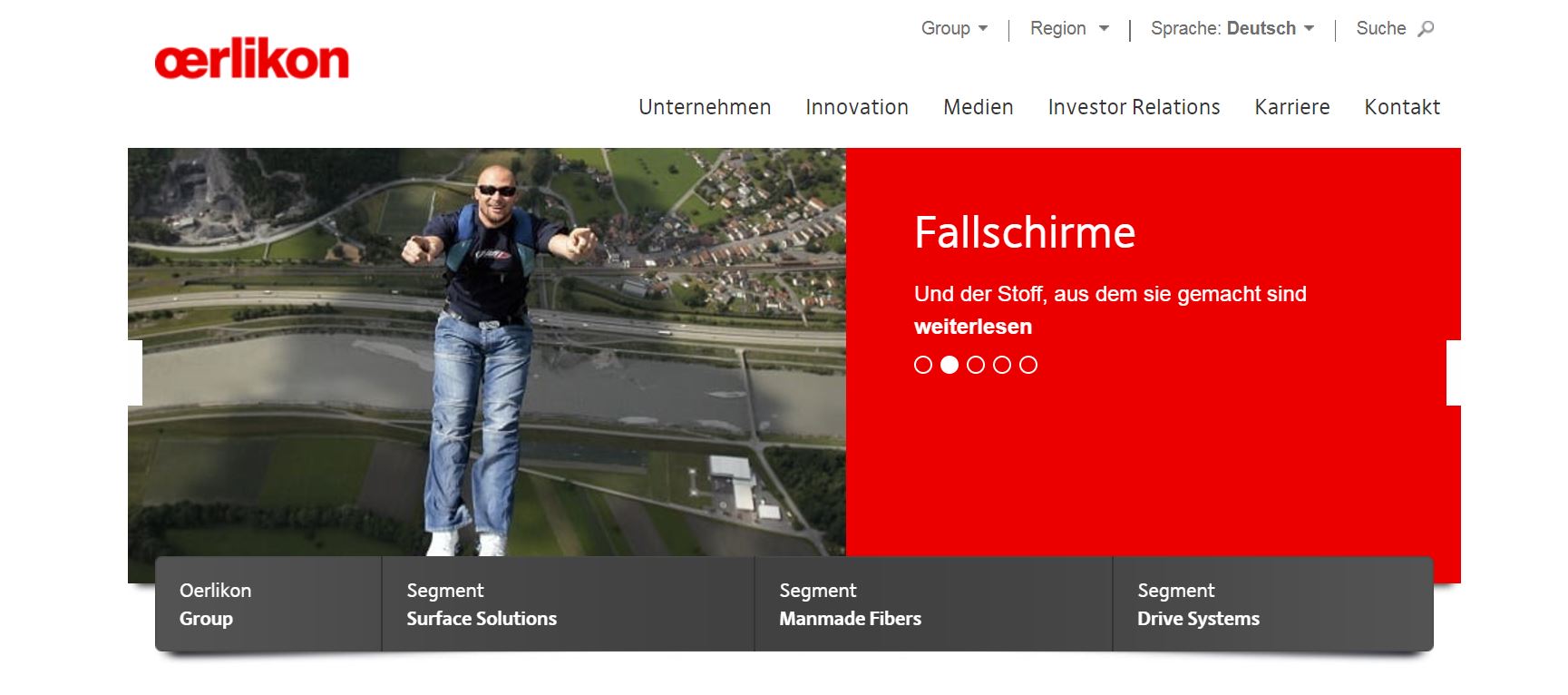
Emotions, little text, rotating content - the company implements the most important factors. That's how the brain likes it.