
Lead factory social media: How B2B marketing benefits


Facebook and LinkedIn are best
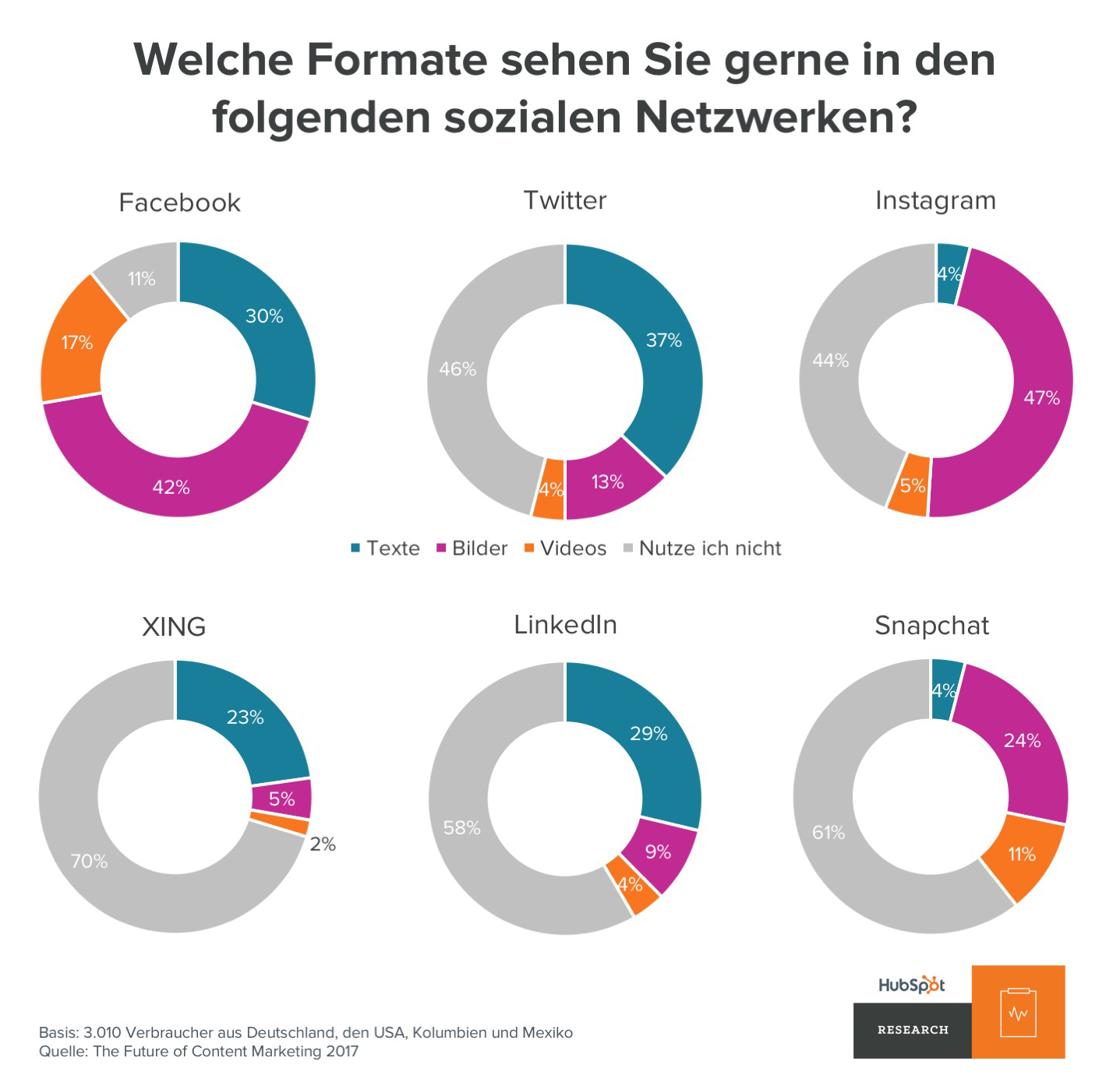
Thanks to its wide range of content options, Facebook offers many advantages for B2B marketers, and a colorful mix of videos, images, and texts goes down very well with users. If you want to include photos, you should focus on snapshots rather than glossy images. In one of our own B2B lead campaigns, we at HubSpot observed that natural-looking photos brought in over 3,000 percent more leads because they look less like advertising and fit better between friends' posts in users' chronicles.But: Facebook shows its users more posts from friends and less content from companies due to an internal algorithm - a problem for the organic reach of company posts. By additionally sponsoring their own particularly successful posts, companies can compensate for this loss and thus also reach users who have not yet subscribed to the company page. With so-called "lookalike audiences," the target group for these ads can be easily and effectively narrowed down on the basis of existing customers or existing followers.LinkedIn is also interesting for B2B marketers and sales, because the platform is ideal for networking - an important factor for both areas of responsibility. A lot of essential information is available there to find the right contacts and relevant decision-makers to approach: the company, the position, the relevant competencies, and also the interests and current topics that move them.That's why it's not surprising that, according to the report... "State of Inbound 2018" from HubSpot LinkedIn is already the best sales channel for 12 percent of salespeople. In order to do justice to the social character of the platforms, those responsible must personally cultivate their own contacts. For example, marketers and sales specialists can get involved in thematically relevant groups and find potential leads there.XING offers similar opportunities to LinkedIn, but lags behind its international counterpart in terms of the variety of marketing options as well as user-friendliness, and is particularly worthwhile for companies that operate mainly in Germany, Austria and Switzerland. Twitter is particularly suitable for generating attention in connection with current topics by combining so-called "trending hashtags" with suitable own content. The audiovisually focused networks Instagram, Pinterest and YouTube are particularly useful for companies that have expressive images, photogenic products or creative videos to offer.
Promote premium content and generate leads
Social media can support all phases of the purchase decision: generate attention with infographics, generate leads with contributions to white papers, support the conclusion of the purchase through personal contact and inspire with community services afterwards. Social networks are particularly suitable for lead generation. For example, companies can use Facebook to announce a current blog post or interesting premium content such as a study. Those who then want to read the content can download it on a landing page in exchange for contact data. Facebook also offers so-called "lead ads" for this purpose, so that users no longer have to leave the platform to download the content. This way, the user experience remains unbroken and the conversion rate is significantly higher. This function is not yet available for posts on LinkedIn or XING; instead, the posts must still refer to a page of the user's own company.However, before the sales department starts contacting the user, it is advisable to first further qualify the generated leads via follow-up e-mails. This process, called "lead nurturing," helps the company not appear too pushy on the one hand, while on the other hand bundling sales forces as effectively as possible for leads that are really interested in buying.The be-all and end-all for the successful use of social media for lead generation is that marketers deliver high-quality content that offers potential customers added value at all stages of their decision-making process. For an integrated approach, marketers should also align their social media strategy with all other tools such as the website, blog and events. A central marketing platform helps to integrate the channels and keep an eye on the metrics to further optimize the content marketing mix. *About Inken Kuhlmann-RhinowInken Kuhlmann-Rhinow is Senior Manager Growing Markets at HubSpot, responsible for strategic development in DACH and France. HubSpot is a leading all-in-one platform for marketing, sales, customer service and CRM. Over 44,500 customers from more than 90 countries use HubSpot's solutions.


