Is the spoken word the future of e-commerce?


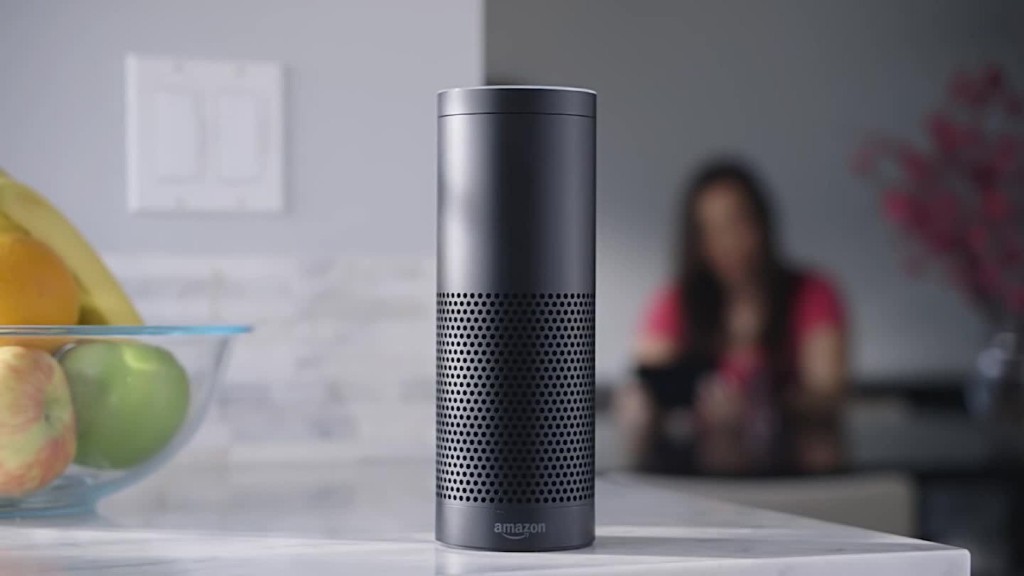
Amazon Echo not only answers simple questions, but also orders.Intelligent systems process digital footprints, in-store movement data or personal characteristics such as credit and loyalty cards. The goal is clear - to better understand customers, predict their preferences and inspire them to buy with a personalized shopping experience and relevant products. But what else will artificial intelligence be used for in retail in the future? The Internet giant Amazon grants with its Echo an interesting look into the future.An assistant for all casesAfter Amazon's Echo was initially only available to die-hard nerds by invitation since the beginning of the year, everyone has been able to call the charming assistant with the name Alexa their own for a few weeks now. She plays your favorite songs, controls lamps, and tells you what the weather will be like. Is that new? No, because these things have been part of the skillset of Siri and Google for years. But Alexa can do more: She not only answers simple questions, but also orders razor blades that have run out in the morning. Artificial intelligence thus becomes the new user interface, allowing the online retailer Amazon into the living room.How exactly does voice shopping work?Shopping with Echo is initiated by a simple voice command. It is important that the desired item has either been ordered before or is a 'Prime' item. If several items match the purchase request, Alexa suggests the product that has been ordered most frequently. Finally, Alexa states both the item description and the price and asks whether the item should be purchased. Although such a confirmation procedure should make erroneous purchases almost impossible, it is recommended to additionally secure the function with a pin code. Just recently, for example, a newscaster in the U.S. unintentionally demonstrated that this technology also carries risks: In a news report, he mentioned the words "Alexa" and "buy dollhouse" and thus triggered a mass order of dollhouses.Is a contract of sale with a robot valid?The voice command should conclude a purchase contract without hurdles if possible. Does it matter that the order is placed verbally? Is it relevant that you are talking to an artificial intelligence and not to a human being? If only means of distance communication are used for the contract negotiations and the conclusion of the contract, it is a distance contract. Without digressing into the details, one can assume that the criteria are given here. In this respect, there is no difference between ordering via Alexa and ordering via the Amazon website. However, Amazon is subject to numerous information obligations, including, for example, how this distance contract is concluded. Unfortunately, Alexa does not tell you anything about this. Since Alexa clearly states the price of the product and then asks whether you want to "buy" the product, the ordering process is designed in such a way that it is made clear to the consumer once again that he or she is now entering into a payment obligation.It can become problematic if third parties - perhaps even the underage children - initiate orders via the system. This is because the contract is not concluded with the child, but with the account holder.The protection of minors then does not apply and the parents must pay for the children's order.Even if Alexa is probably not very interested in this, Amazon can be warned for the missing mandatory information. And even if the consumer is not informed about this, he still has a right of withdrawal with regard to such contracts - the withdrawal period may even expire one year and 14 days after delivery of the goods if Amazon does not provide the information about the right of withdrawal in text form in the meantime.How will e-commerce change as a result of systems like Alexa?Intelligent systems such as Alexa have the potential to permanently change consumer behavior. When a purchase decision is made today, it is usually preceded by research. Product and store reviews are read, friends are asked or, in case of doubt, the advertising messages on the packaging or in the advertising are trusted. In the future, customers will leave part of this decision-making process to the digital assistant. It will then enjoy trust in goods with low costs or low emotionality and select, for example, which washing powder to buy on its own authority. This will massively intensify competition and possibly cost smaller retailers their existence.As a unique selling point in the premium segment, trust and personal support will play an even greater role in the purchasing process in the future. It will be a matter of creating shopping experiences and putting the customer at the center. At the same time, personalization and the convenience people are accustomed to from their digital assistants will also be expected here. For example, a customer advisor should use predictive algorithms to know before a visit whether the customer wants a leather outfit or not. Feedback or evaluation should have a direct influence on how one is addressed the next time. Otherwise, the product, the service, and ultimately the brand degrades into interchangeable mass-produced goods and thus becomes a case for selection by the digital assistant.