Five retail changes that will outlast Corona
During the pandemic, retailers rapidly accelerated their digital transformation, thereby laying the groundwork for a «new normal.» Many of the changes that have taken place in recent months are not going to simply disappear—Scandit, a provider of mobile computer vision and augmented reality solutions, explains which trends are here to stay.


The retail sector is one of the hardest hit by coronavirus because stores have had to close for long periods and consumers are increasingly using online shopping, click and collect or scan and go. Many retailers quickly adapted to the sales restrictions and changes in customer behavior and massively accelerated their digital transformation.
Changes that would otherwise have taken years took place in just a few weeks and months. As a result, retailers have not only ensured their survival during the pandemic, but also their future, as Scandit believes that these developments and trends will shape the retail sector in the long term.
The high online share remains
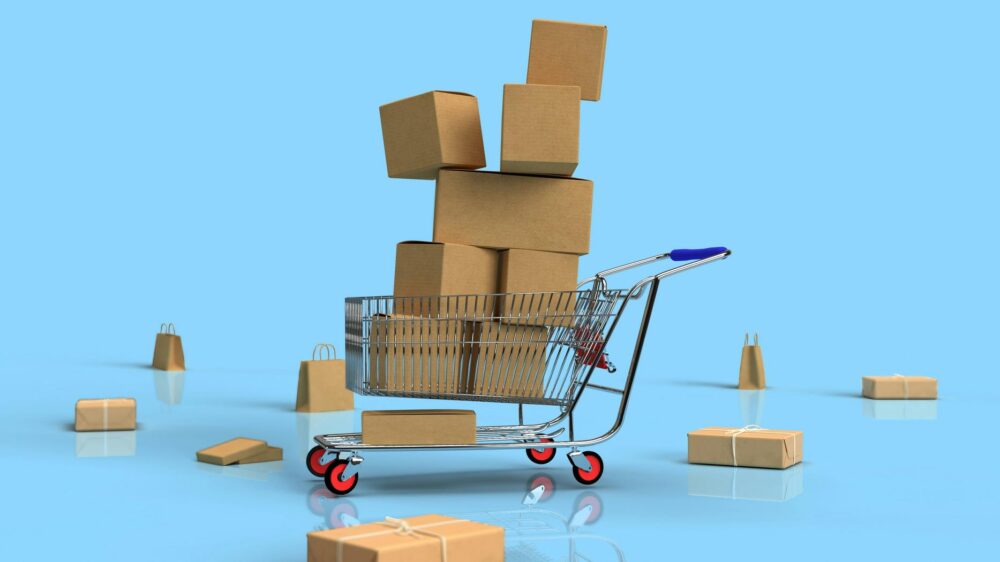
The most important change in retail as a result of the pandemic was the shift towards online channels. This includes not only traditional online shopping, which received a massive boost across all demographic groups and which many retailers handled directly from their brick-and-mortar stores - they also often created new offerings such as click and collect. They expanded their stores into fulfillment centers and faced major challenges in order processing and inventory management. With proven technologies such as smartphone scanning, retailers can handle the new picking processes more easily and efficiently, process orders faster, optimize supply chains and keep costs low.
Single-device strategies are becoming the norm
The increased online share of business has changed the tasks of many retail employees, who are taking on additional picking and storage tasks. Employees need to find products quickly, call up stock information in real time and identify and sort orders within seconds - ideally using a single device.
Smartphones have proven to be the ideal solution because they are powerful and intuitive to use. Regardless of whether retailers rely on BYOD (Bring Your Own Device) or COPE (Corporate Owned, Personally Enabled) smartphones: If the devices are permanently assigned to employees, they can meet hygiene requirements better than with barcode scanners that are shared by all colleagues.
Customers want contactless shopping
Despite social distancing and hygiene rules, many consumers are still skeptical about visiting stores. However, with self-scanning and self-checkout, retailers can reduce the number of contacts with people and minimize the time spent in the store. In this way, they protect the health of customers and employees and strengthen trust in local shopping. Customers also appreciate the shopping experience and the time saved at the checkout and therefore want to continue shopping contactless even after the pandemic. As many as 37.9 percent of European retailers have already Scandit study According to the survey, 20.8 percent have already introduced solutions such as Scan and Go, while a further 20.8 percent are in the process of doing so.
Further peaks in demand are likely
The huge surge in demand for online shopping has been a challenge for retailers and has led to new online offerings and new processes. Many retailers are now better prepared for sudden peaks in demand and changes in customers' shopping behavior - this is important as the crisis is not over yet and further peaks in demand are likely. In addition, even after the pandemic, there will still be a rush of customers due to seasonal fluctuations, Christmas sales and special offers.
With digital solutions such as scannable smartphones for employees, retailers are prepared for this and can process significantly larger than usual order volumes. They can bring additional staff on board quickly and easily because temporary and seasonal workers can use their own smartphones, eliminating the need for new equipment purchases and training.
Customers expect digital shopping experiences in-store
The pandemic has changed consumers' expectations and preferences when shopping in-store. They also want quick and easy access to product information, tests and recommendations in-store - just as they do when shopping online. With mobile apps that support barcode scanning and augmented reality, retailers offer them such omnichannel experiences and bring online shopping experiences into the store. For example, customers can use their smartphone to call up product ingredients or care instructions, check the availability of product variants in stock, read reviews from other shoppers or find out about discounts. They can then pay for their purchase via their smartphone or at self-checkout terminals without having to queue at the checkout.
"Corona has permanently changed the retail sector. Online shopping, click and collect or scan and go will not disappear after the pandemic, but will become normal everyday shopping," says Christian Floerkemeier, CTO and co-founder of Scandit. "However, digital solutions not only improve the shopping experience for customers and thus contribute to customer loyalty and higher sales through up- and cross-selling. They also ensure much more efficient processes in retail and make work much easier for employees."