
Contextual Commerce: Much more than a trend?


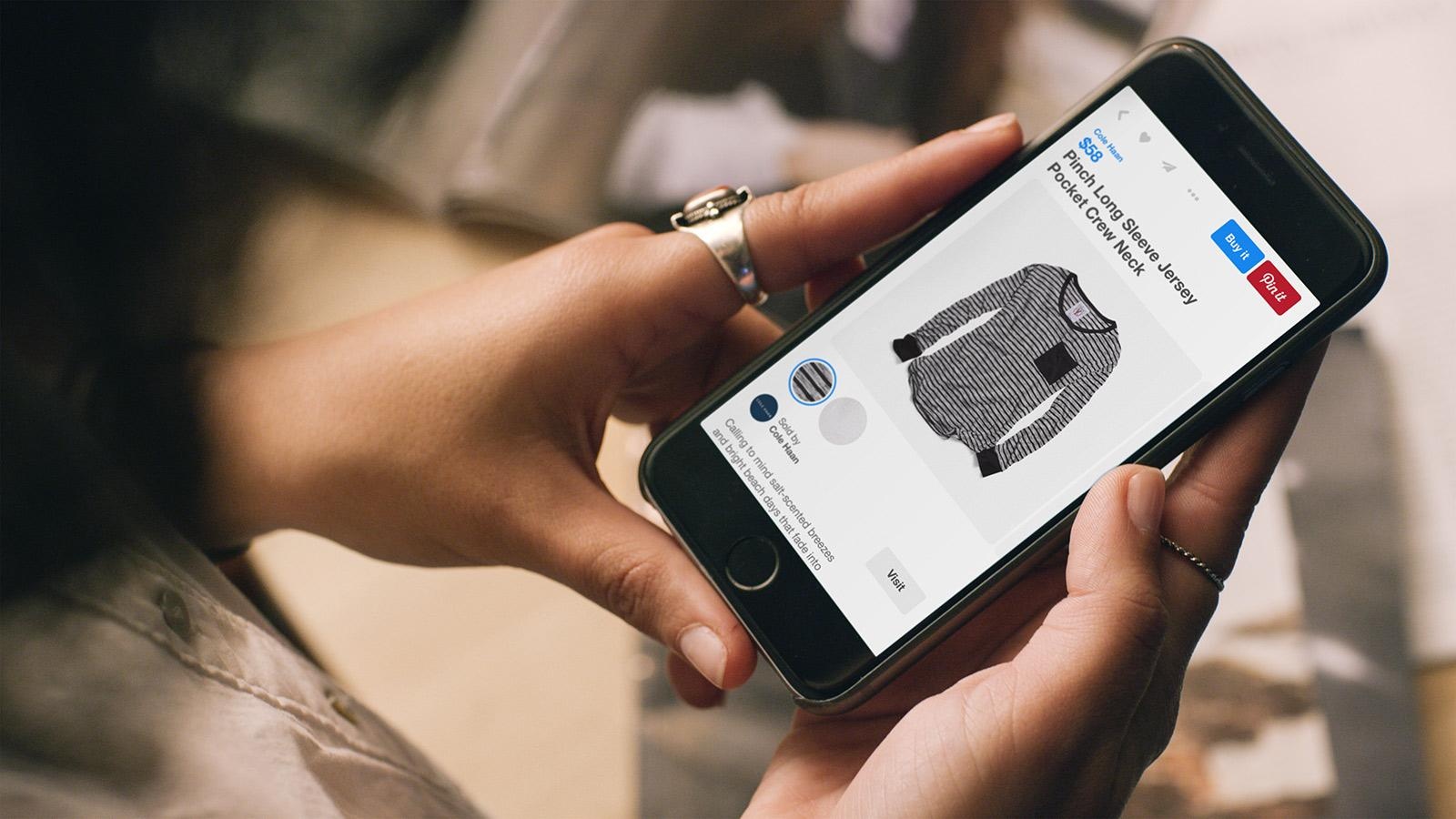
In the USA, for example, it is possible to place a "buy button" on Pinterest or Instagram.Contextual commerce attempts to shift the purchasing process outside of an online store, for example to blogs, newsletters, social media platforms or even emails. An important component is the "buy button", which can be used to purchase the relevant product with just a few or even just one click - without having to switch to the actual seller's site. The aim is to radically shorten the purchasing process and thus lose fewer customers on the customer journey. Facebook, Pinterest and Instagram have already been enabling contextual commerce for some time, but only in the USA. Paypal has been testing a corresponding service since February.Divergence between internet users and online shoppersThe potential of contextual commerce is huge simply due to the divergence between internet users and online shoppers. Worldwide, the gap is around 14% (51% Internet users, 39% online shoppers). In Europe, this gap is as high as 19 percent. The so-called "non-buyer potential" is therefore enormous. However, the fact that most online shoppers obtain detailed information before making a purchase is not quite as convincing. Only ten percent buy goods online on impulse. However, one in four shoppers state that they do little or no research before making a purchase. Contextual buy buttons can also be successful here.Legal hurdles in Europe are majorIt is therefore to be expected that contextual commerce will play its part in increasing sales in e-commerce. The extent to which this will be the case is difficult to estimate at present. There is not yet any reliable data on this from the USA, and there are other legal hurdles to overcome in Europe. According to consumer protection laws, "buy buttons" in Germany, for example, must "outsource" legally binding consumer information to corresponding micro-sites. This makes the actual goal of contextual commerce virtually impossible, as an external page always has to be loaded.Purchase by click is possibleIn Switzerland, a purchase by click is legally possible today. The essential points of the purchase must be clear to the buyer: the object of purchase, the purchase price including surcharges and the time of conclusion of the contract. The buyer must also be given the opportunity to obtain detailed information about the general terms and conditions, delivery costs, purchase and delivery addresses and the identity of the seller. However, the applicable law will also change in Switzerland next year with the introduction of the EU Data Protection Act. The relevant details have not yet been definitively clarified.


