Gender struggle? No, thanks
She is a role model for young women just starting their careers: Regula Bührer, co-founder of the Rod agency, author of the book *Frauenarbeit*, two-time Advertiser of the Year, and a new member of the advisory board for Ringier’s «Equal Voice» initiative, speaks her mind.


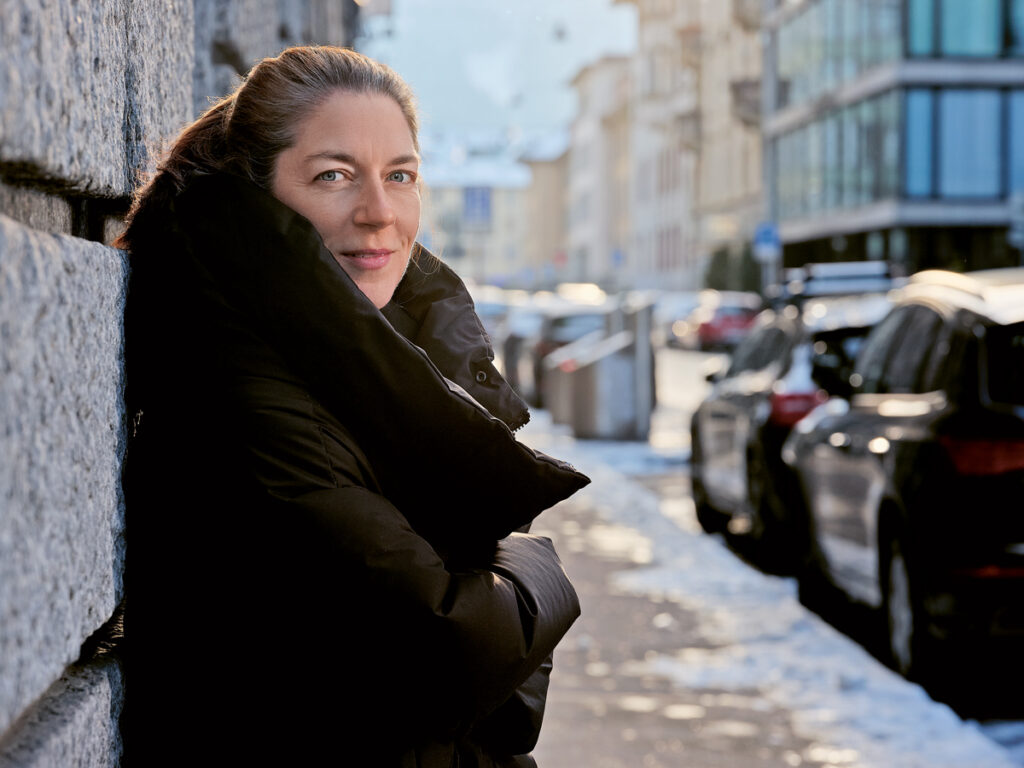
m&k: Ms. Bührer, Throughout your career, you’ve often been the «youngest» or even the «first» woman. Did you plan that out well in advance as a strategist, or did life just take its course?
Regula Bührer: It's like everything else in life—you have a certain idea of how things might turn out, but you never really know. Being the youngest gave me a unique advantage, and I made a point of using it, but now that I'm this age, that's over, so I have to come up with a new strategy. (laughs)
Are You Already a Feminist? grew up in a socialized environment or You've worked hard for that?
No, I didn't always believe I could achieve anything. My goal was to be a consultant at an agency by the time I was 30. I didn't manage to do that at all because I switched to strategy when I was just 24. Luckily.
What fascinates you about working as a strategist?
It was back in the pre-Internet days when I realized that the deeper aspects—the detective work, so to speak—come extremely naturally to me. But it took years for me to move from thinking to sharing my thoughts and then to taking action. After all, you really put yourself out there when you articulate your strategy and take action. By now, I’ve developed a deep-seated confidence in this—I’ve done it often and extensively.
Have you run into glass ceilings in your Career?
I think I simply avoided that by founding my own agency with like-minded people when I was 29. I'm convinced it would have been very difficult for me to work my way up to the position I hold today.
With your book *Frauenarbeit*, you give young women the tools they need to launch their careers. What inspired you to write about your own experiences?
A lot happened in 2017: I was about to turn 40, my children were both past the baby stage, and my mother was seriously ill—unfortunately, terminally so. I probably wanted to bring a phase of my life to a close—and to show my mother something of myself and say thank you before she passed away. That’s probably why I wrote the book.
What made you decide on a self-help book? It could just as easily have been a cookbook or a mystery novel, right?
The great thing about this guide is that I’ve experienced all of these things myself, so I’m drawing from a wealth of personal experience; and on top of that, being the strategist that I am, I’ve divided the book into 10 topics, with each section containing 10 tips. That way, I could easily write two or three tips in the evenings and finished the «Women’s Work» guide bit by bit.
I have two kids, too—that's quite an accomplishment.
To be honest, I have no idea how I managed to pull it all off. I certainly couldn’t work at that pace for years on end, but it was like a sprint—and it worked. Fortunately, the publisher put a little pressure on me, because at that time the «Me Too» movement and other feminist waves were really gaining momentum, and they said they’d publish the book—but it had to be finished within the next four months. So I hit the ground running.
What was the response to the book?
It’s been very well received. We’ve already sold out of the second printing. Alongside the book, we’ve also launched a foundation with the same name as the book. It’s active on Instagram. The tips and insights in the book are just things I’ve experienced myself. There are so many women out there who have different experiences, and I wanted to invite everyone to use the platform to connect with others. We now have 8,000 followers—and they’re relatively active. But on this platform, we also feature other role models—women we admire, men we admire, and companies founded by women. So it’s a content and knowledge platform. I get a lot of messages; there’s been a bit of a buzz. It’s almost like a side job (laughs).
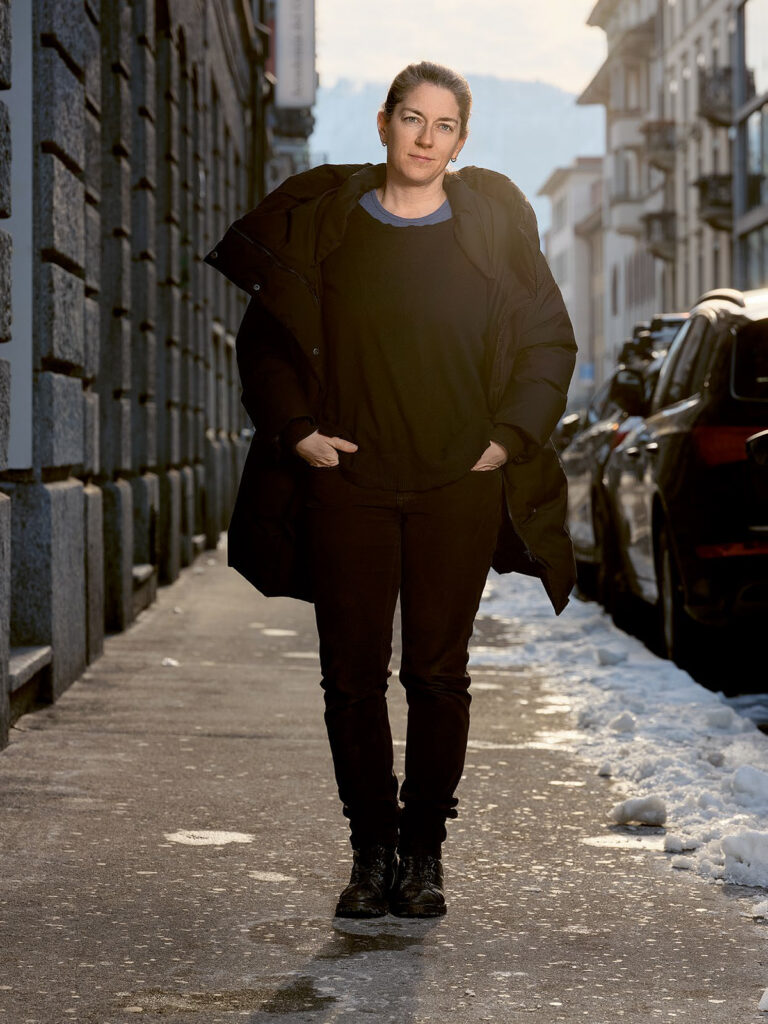
You joined the «Equal Voice» initiative this year. The Ringier Group, led by CFO Annabella Bassler, launched the initiative. Its goal: to increase the visibility of women in media coverage. Why is this initiative necessary?
That’s the strategist in her—I think the impact of this initiative is massive. It precisely measures how often women appear in media coverage and how often men do. But it doesn’t just stop at measurement—it also involves tracking, discussion, and optimization. And I think it’s great that it’s linked to other measures.
What are they?
Equal Voice has compiled a list of female experts. This way, when journalists need a «quote»—for example, for an advertising piece—they can turn to female experts instead of always interviewing the same people. The initiative has a sense of seriousness, and—what I really like about it—can I even say this? It’s not a pro-women initiative, but a balanced one. Very contemporary and forward-looking. We don’t want to fuel the gender battle.
As a strategist, you take companies by the scruff of the neck and make it clear to them just how much potential they’re leaving untapped if they don’t seize the opportunity to differentiate themselves and address the issue of gender equality in business. Why are companies so hesitant in this regard?
I had a moment of realization. I was at the women’s strike with my daughter—the atmosphere was amazing, very peaceful, full of energy, and a huge, feel-good event. I looked around and realized that not a single company was showing solidarity in this setting—even though this is half the population, demonstrating what political celebration is all about. I thought it was a shame that no one had the courage to take a stand there, and I felt it wasn’t forward-thinking. The more time passed, the more I figured out why that is.
Why?
Many companies are afraid because they haven’t yet achieved balance within their own ranks. They think, “How are we supposed to stand our ground when the spotlight is on us, if we can’t actually deliver in practice? That would trigger a massive backlash.” But I think the pressure has increased, and a lot is happening now. What’s still missing, though, is a clear definition of our goals—and here’s the strategist speaking—what do we want to achieve in terms of gender balance? 50/50? 70/30? Where do we want to go?
What is your opinion on the women's quota?
I'm against quotas; I don't think they're helpful. Quality has to prevail organically, but as I listen to myself speak, I realize that doesn't sound very feminist. Time is on our side as women; now we have to keep pushing so that gender parity becomes a reality.
What advice do you give to companies, to successfully establish a foothold there to bring?
First, companies should look inward to assess their status regarding equality and balance. How do employees feel about this? A survey is strategically helpful in this regard to gauge where the company stands. That alone makes a huge difference. Externally, you can explore how customers view the company—how women-friendly and balanced do they perceive it to be? I think it’s very important to realize that you don’t have to be perfect—you just have to be on the right path. The timing has never been better, because no other company is perfect yet either.
I'd like to go to another one that isn't a less current topic. With Rod, you handle the communication for the FOPH during the COVID-19 pandemic. How does that work?
From the very beginning, we had a very constructive and efficient working relationship with the BAG team; especially at the start of the crisis, we worked day and night—after all, it was impossible to predict how things would unfold. We always had to stay two steps ahead and anticipate where things were headed in the coming days. Then we’d develop a campaign based on that—ideally in real time. After 12 months, this collaboration has proven itself and is now solid. Being so closely involved with a client on a project like this is truly special. Everything is so urgent that there’s no time for the sales pitch that usually takes place between a client and an agency. That requires a lot of closeness and trust. I’m grateful for that.
Spring is coming, and people are tired of COVID-19; how do we communicate? Discuss the next steps with Rod, which the BAG initiates?
We're in touch every day, and of course we're also discussing the medium-term measures. We have a great team at Rod, and I'd like to thank everyone, including the team at the FOPH.
What lessons have you learned from the COVID-19 crisis?
Closeness and solidarity work even in times of crisis—and better than we might have thought.
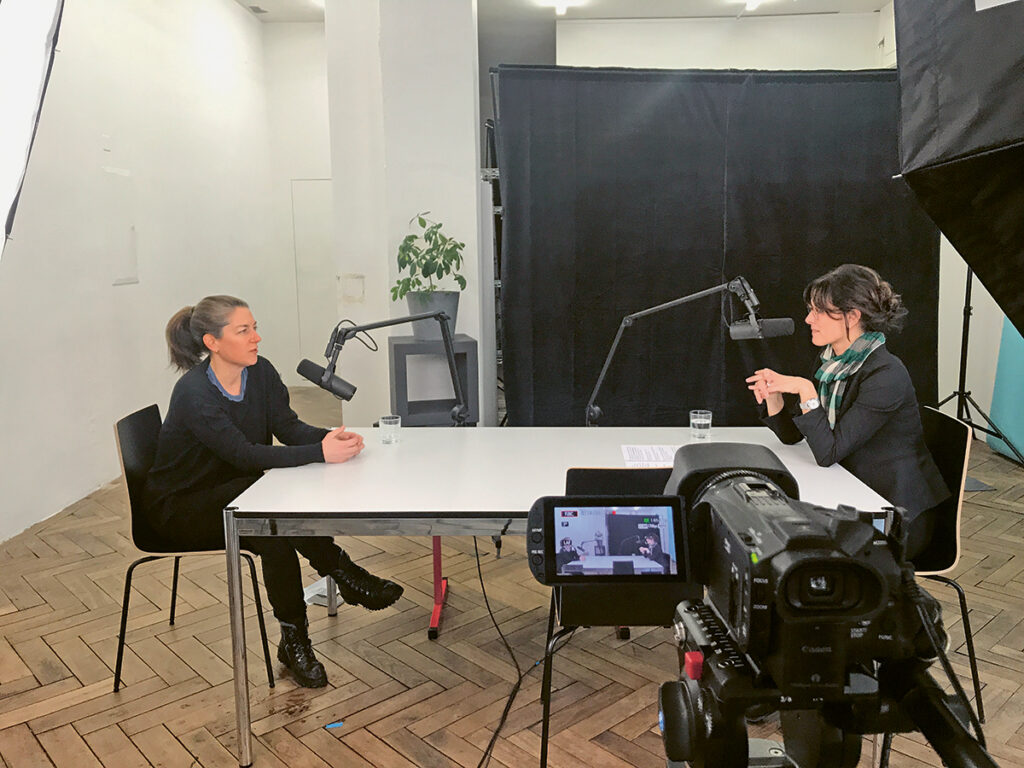
Off the Record with Regula Bührer Fecker
With our new video podcast, «Off the Record,» we’ll introduce you to some of the scene’s key figures and even share some of the things that are usually only said after the microphone has been turned off.