To the point: Of ignorance and unwords
It was a bombshell at the end of the year that was barely reported in Swiss publications: Almost one in two Germans distrusts the media, and only 40 percent of the German population considers the press to be objective.


This was found out by the Cologne research institute YouGov on behalf of Zeit online. At the end of December 2014, 1043 people gave their opinion about the media. 47 percent of respondents supported the statement that the media report in a one-sided manner and are steered by politics. Only 40 percent believed in objective and independent reporting. The higher the respondents' educational attainment and monthly income, the stronger their distrust of the media.
Tough stuff. But not because this stretched left would really allow a statement about the quality of the media, but because of the undifferentiated nature of such statements. Of course, journalists and media people are traditionally among the most unpopular professions. They are regarded as immoral flies in the ointment, merciless in their search for the hottest story, if necessary over dead bodies. That's why "representative" surveys that corroborate this image are popular. In addition, skepticism and distrust are part of good manners among educated citizens. Because the smart person doesn't let himself be fooled. But is it always clever to celebrate skepticism?
From the inside, at least, media look different: Many a media representative - #jesuischarlie - lays down his life to show others how the world is. And most media makers I know invest a lot of time and accept a few gray hairs before offering a topic to their readers, listeners or viewers. Media help people form an opinion. To do that, the recipients don't have to have the same opinion as the journalist who expresses it.
That's why the 13 percent of survey participants who answered "don't know" to the question of whether the media in Germany report in a one-sided way seem to me to be the most honest. What kind of question is that anyway? Who are "the media"? In Germany, there are 361 daily and Sunday newspapers, 20 weekly newspapers, 842 consumer magazines, 1137 trade journals, about 60 television stations and countless online portals. So who could be meant by "the media"? And which of the media is it that reports one-sidedly and allows itself to be influenced by politicians?
It's amazing that no one in Germany is upset about this survey. But why should they? After all, it confirms common sense. So I'm all the more grateful to the Unwort des Jahres jury, which chose the word "lying press" for 2014. The reason given was that such a blanket condemnation prevents well-founded media criticism and thus contributes to endangering the freedom of the press, which is so important for democracy. The acute threat posed by extremism has become unmistakable, especially in recent days. Exactly.
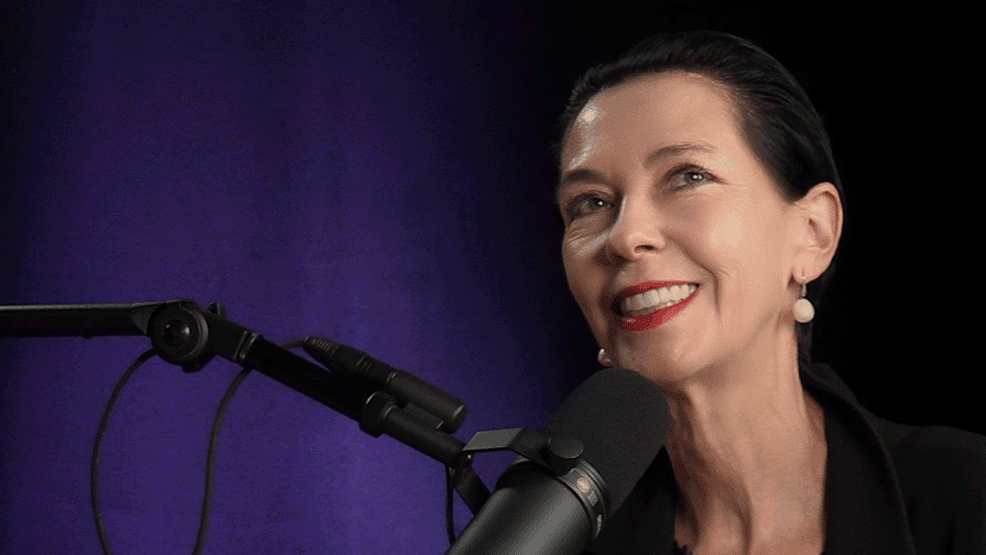
Anne-Friederike Heinrich, Editor-in-Chief
[email protected]