Advertising in computer games: A lucrative game with gamers

Bring on the «Bäseli» and «Schüüfeli»: Many so-called “new” marketing trends aren’t really that new. Often, they’re just new terms for tried-and-true concepts. And then suddenly there’s eSports. Playing soccer on the couch, taking over an enemy country as a team, or qualifying for the “gaming” World Cup in Seattle. Is that supposed to be a sport?

20170507_Steffie-Wunderl_ESL-Meisterschaft-01308-t

Note: You can read the full article in the current issue of Werbewoche 9/2017. If you are logged in as a subscriber, you can also access the e-paper or read the article in German. here as a digital version.

epaper-2

From Peter Ehm

Yes, it's an old term for a new phenomenon. Computer games such as Counter Strike and Dota2 have become a mega-world of entertainment. Millions of young people are involved. Which brands are already ingame with eSports, which agencies are involved and how marketing can find its way in the gigantic eSports playing field - a current interim result, a compass through a new world of entertainment.

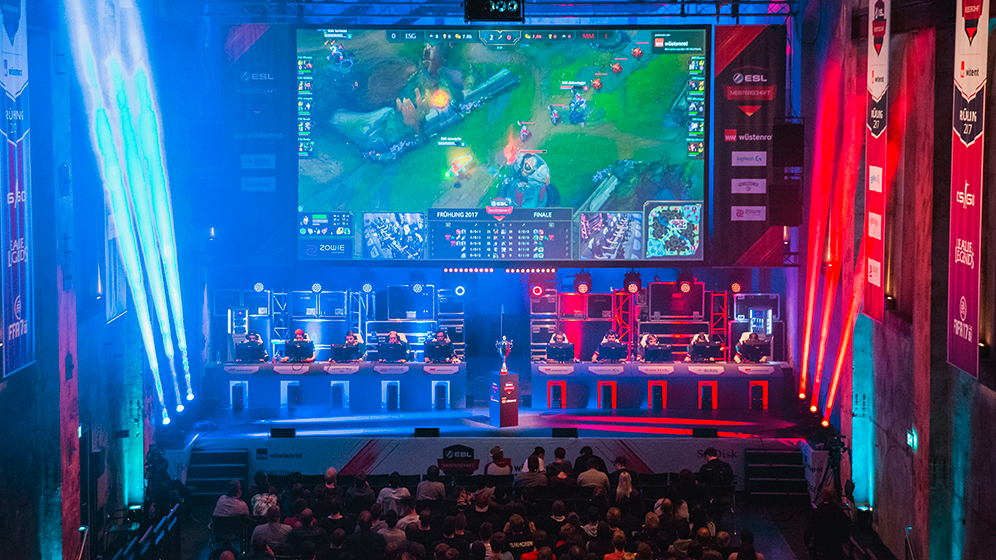
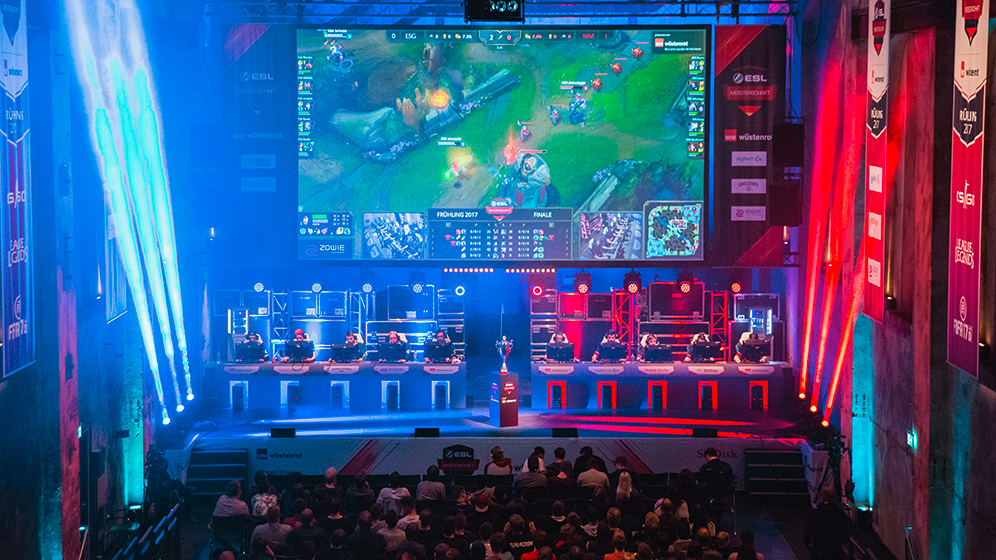
Fanfares roar, laser flashes flash through the hall, the XXL screens flicker: Down on the stage, two teams battle for points on their high-performance keyboards, while 10,000 spectators scream their hearts out in the stands above. An eSports match day in Cologne's Lanxess Arena. There were 15,000 spectators in Shanghai, 20,000 in the Staples Center in Los Angeles and 11,000 in Katowice, Poland.

Good live potential - an initial indication of the interest of a financially well-endowed, digital-savvy target group. Admission to the respective events alone costs between 40 and 1500 euros or dollars. A glance at the spectator stands shows: It's not parents who have bought tickets for their kids to have a look around their world, the keyword being "family experience". No, it's the millennials, young people between 15 and 29, who cheer expertly for every point and every new level, either solo or with friends.

The viewer structure on site is interesting. The following eSports figures will amaze any marketer: 288 million TV/online viewers in 2015 for a one-week European Championship tour through Europe, in 2016 it was 344 million. 20 million dollars were recently up for grabs at a tournament in Seattle, with the winner alone receiving 10 million. Conservatively calculated, the global annual turnover of the eSports industry will be one billion dollars in 2019. The figure for 2016 was already 500 million dollars.

What's going on? Why are there no headlines about it, no primetime TV shows? "Almost unnoticed," the German Olympic Sports Confederation (DOSB) recently stated in astonishment, "a parallel world has developed almost unnoticed, which is experiencing dynamic development under the acronym eSports."

Anyone who tackles the topic of eSports quickly experiences a "royal jungle feeling", in other words: you are amazed and confused. The spelling alone is controversial. eSports with a capital E or a lower case, with a hyphen or without? Why are there so many different leagues? Is football played electronically or do you kill your opponent with flamethrowers and grenades?

"In international comparison, football is more like second division," says Daniel Luther, "strategic conquest games like Dota2 and League of Legends are the big bestsellers, worldwide." The man is a recognized eSports expert. One of the few insiders. He gives lectures all over Europe, knows the players' codes and the organizers' tricks. Luther says: "Millennials have created a fascinating new world for themselves with electronic games. A world that belongs to them alone. Over 30s don't really exist here."

eSports: Incredible marketing potential

Daniel Luther is 26 years young. He is German and now works in St. Gallen, in the team of the Swiss ESB Marketing Netzwerk AG. Three years ago, Luther won the title of eSports World Champion as a professional. He toured the globe under the player name L-KING. His teams included H2k, Speedlink and Tek-9, culminating in victory at the Call of Duty World Championships in Dallas. L-KING managed to leave the professional business because he "recognized the incredible marketing potential of eSports early on" and was able to logically explain the fascination of gaming to others.

Honestly, Mr. Luther, what does eSports have to do with traditional competitive sports? The political science graduate explains: "Our sport is just as strenuous, competitive and emotionally charged as golf or football." The major flaw, however, is that there are no overarching organizations. What Fifa has in football or the FIA in Formula 1 is missing for electronic players.

Many different organizers, leagues and game developers are battling it out on the market. It's all about TV and online rights, merchandising, market share and sponsorship budgets. ESL has established itself in Cologne as one of the leading eSports players in the online and offline segment and, according to its own information, is the world's largest provider. The company has branches all over the world, runs its own teams of players and organizes its own events. Tens of thousands of kids are once again expected to attend ESL One, the world's biggest CS:GO tournament, from July 7 to 9 in Cologne's Lanxess Arena. Tent pitches can already be booked. If you want to chat with the stars backstage, you can pay 2999 euros for a 5-person private lounge.

Advertising in computer games: A lucrative game with gamers

Bring on the «Bäseli» and «Schüüfeli»: Many so-called “new” marketing trends aren’t really that new. Often, they’re just new terms for tried-and-true concepts. And then suddenly there’s eSports. Playing soccer on the couch, taking over an enemy country as a team, or qualifying for the “gaming” World Cup in Seattle. Is that supposed to be a sport?

20170507_Steffie-Wunderl_ESL-Meisterschaft-01308-t

Yes, it's an old term for a new phenomenon. Computer games such as Counter Strike and Dota2 have become a mega-world of entertainment. Millions of young people are involved. Which brands are already ingame with eSports, which agencies are involved and how marketing can find its way in the gigantic eSports playing field - a current interim result, a compass through a new world of entertainment.

Fanfares roar, laser flashes flash through the hall, the XXL screens flicker: Down on the stage, two teams battle for points on their high-performance keyboards, up in the stands 10,000 spectators scream their hearts out. An eSports match day in Cologne's Lanxess Arena. There were 15,000 spectators in Shanghai, 20,000 in the Staples Center in Los Angeles and 11,000 in Katowice, Poland.

Good live potential - an initial indication of the interest of a financially well-endowed, digital-savvy target group. Admission to the respective events alone costs between 40 and 1500 euros or dollars. A glance at the spectator stands shows: It's not parents who have bought tickets for their kids to have a look around their world, the keyword being "family experience". No, it's the millennials, young people between 15 and 29, who cheer expertly for every point and every new level, either solo or with friends.

The viewer structure on site is interesting. The following eSports figures will amaze any marketer: 288 million TV/online viewers in 2015 for a one-week European Championship tour through Europe, in 2016 it was 344 million. 20 million dollars were recently up for grabs at a tournament in Seattle, with the winner alone receiving 10 million. Conservatively calculated, the global annual turnover of the eSports industry will be one billion dollars in 2019. The figure for 2016 was already 500 million dollars.

What's going on? Why are there no headlines about it, no primetime TV shows? "Almost unnoticed," the German Olympic Sports Confederation (DOSB) recently stated in astonishment, "a parallel world has developed almost unnoticed, which is experiencing dynamic development under the acronym eSports."

Anyone who tackles the topic of eSports quickly experiences a "royal jungle feeling", in other words: you are amazed and confused. The spelling alone is controversial. eSports with a capital E or a lower case, with a hyphen or without? Why are there so many different leagues? Is football played electronically or do you kill your opponent with flamethrowers and grenades?

"In international comparison, football is more like second division," says Daniel Luther, "strategic conquest games like Dota2 and League of Legends are the big bestsellers, worldwide." The man is a recognized eSports expert. One of the few insiders. He gives lectures all over Europe, knows the players' codes and the organizers' tricks. Luther says: "Millennials have created a fascinating new world for themselves with electronic games. A world that belongs to them alone. Over 30s don't really exist here."

eSports: Incredible marketing potential

Daniel Luther is 26 years young. He is German and now works in St. Gallen, in the team of the Swiss ESB Marketing Netzwerk AG. Three years ago, Luther won the title of eSports World Champion as a professional. He toured the globe under the player name L-KING. His teams included H2k, Speedlink and Tek-9, culminating in victory at the Call of Duty World Championships in Dallas. L-KING managed to leave the professional business because he "recognized the incredible marketing potential of eSports early on" and was able to logically explain the fascination of gaming to others.

Honestly, Mr. Luther, what does eSports have to do with traditional competitive sports? The political science graduate explains: "Our sport is just as strenuous, competitive and emotionally charged as golf or football." The major flaw, however, is that there are no overarching organizations. What Fifa has in football or the FIA in Formula 1 is missing for electronic players.

Many different organizers, leagues and game developers are battling it out on the market. It's all about TV and online rights, merchandising, market share and sponsorship budgets. ESL has established itself in Cologne as one of the leading eSports players in the online and offline segment and, according to its own information, is the world's largest provider. The company has branches all over the world, runs its own teams of players and organizes its own events. Tens of thousands of kids are once again expected to attend ESL One, the world's biggest CS:GO tournament, from July 7 to 9 in Cologne's Lanxess Arena. Tent pitches can already be booked. If you want to chat with the stars backstage, you can pay 2999 euros for a 5-person private lounge.

The main sponsor of the ESL One in Cologne is the Swiss software developer and accessories manufacturer Logitech. One of many brands that wants to position itself positively in the young target group via eSports. Intel has also been investing in players and events worldwide for years.

In Sweden, McDonald's sells burgers named after CounterStrike teams and yogurt brands run TV commercials with testimonials from CounterStrike teams. Audi sponsors a Danish eSports team. Adidas, Gerolsteiner, Warsteiner, Snickers and Visa have recently become involved.

The list of brands in the game goes on and on. The Taiwanese computer manufacturer HTC, Subaru, Coca-Cola and even the rather conservative German building society brand Wüstenrot are all involved. After a year of "observing the scene", the financial services provider has signed a three-year sponsorship agreement with the Cologne ESL.
"Our focus is clearly on building brand awareness and popularity," said Katrin Schwartzentruber-Koch, Head of Brand Management at Bausparer. A gentle, defensive approach to the German-speaking target group is being taken with email marketing, video clips and via social networks. "When you get to know a new person, you don't immediately reveal everything and open the door," added the brand manager.

Agencies don't always want to open the door straight away either. But new business is vital for survival. And the hype topic of eSports is increasingly on the agenda. Clients are demanding figures and information, and the new business departments are researching opportunities and risks. The well-known creative agency Jung von Matt (JvM) and its sports marketing department were one of the first major players to get involved.

Since January, it has been cooperating with and marketing Mousesports (Mouz), the German record champion in several game series (including CounterStrike). Mouz is an internationally renowned eSports brand. Toan Nguyen is the Strategy Director of the JvM sports division. He is well aware of the problems in the huge world of eSports: "The huge reach is one thing, the other is how to implement it in the interests of the brand."

Range is the lesser problem in this sport. Experts are certain that it will continue to increase in the future. This is confirmed by Sport1's results for German-speaking countries. The broadcaster has set up its own marketing for eSports. And things are really taking off internationally: YouTube, Facebook and Twitch are currently engaged in a multi-million euro bidding war for exclusive eSports broadcasting rights. Riot, the publisher of League of Legends, the world's most-played eSports game, recently gave the rights to its premium league format to US broadcaster MLBAW - for 50 million dollars a year until 2023.

The problem for brands that want to take part in the global gaming circus is therefore not reach. The crux of the matter is: how can a brand position itself creatively ingame? With the exception of the major computer and high-tech suppliers, no customer has yet managed to do this with resounding international success.
Intel & Co. are often the namesake of events and game series. The owners of smaller sponsorship packages behave in the same way as the sponsors of pop concerts. In other words: no funny commercials during the breaks and no plastering the hall with logos. "This strategy would be counterproductive. The target group doesn't get a kick out of plain posters and quickly mobilizes a mega shitstorm in the community," says former eSports world champion Daniel Luther.

Just under a year ago, the Pro Sieben TV channel chain experienced just such a shitstorm. The special-interest channel MAXX stopped its broadcasts of CounterStrike eSports after a Munich schoolboy shot dead nine people during a rampage in a shopping center. Expert Luther: "In the German-speaking market, the killer game debate hangs like a sword of Damocles over the heads of decision-makers." Yet there is not a single study that proves a direct link between shooting games and crime.

Safety is the trump card

This is why security is the trump card in the content and communication strategy for the DACH region. When it comes to eSports, the first route quickly leads to the big bestseller in sponsorship, football. Famous clubs such as Schalke 04, Ajax Amsterdam, Paris St. Germain and VfL Wolfsburg have now founded eSports teams. They offer existing partners the opportunity to go digital together. For relatively little money.

But even in this special football division, there are no guarantees of winning. Schalke 04 was relegated from the LoL Champions League in its very first season and is now playing in the second division. In the digital football game Fifa, on the other hand, things are looking better for the Royal Blues. Schalke won the final of the virtual Bundesliga.
A total of 40 football clubs are currently active in eSports worldwide. According to insider reports, FC Bayern Munich is also currently exploring its entry into the digital team business. eSports expert Daniel Luther is preparing a concept for FC Basel to play along with. He says: "With the right strategy, we can not only tap into new, young target groups, but also new business areas."

Did this idea also play a role in the Asian Olympic Committee (OCA)? It probably has. One thing is certain: eSports will be an official sport for the first time at the 2022 Asian Games in the Chinese city of Hangzhou. According to the Olympic organizers, this is in recognition of the "rapid development and popularity of this new form of sports participation". eSports will already be a demonstration sport at the 2018 Asian Games in Jakarta, Indonesia. eSports: from killer game to Olympic gold medal - the digital world has already produced another shooting star!

Peter Ehm

More articles on the topic