Social networking promotes innovation in Swiss companies
A study by the consulting firm Campana & Schott shows that employees use social collaboration tools to work together more efficiently and innovatively. In most companies, however, the use of these tools is still in its infancy.


Social networking, or social collaboration, allows employees to work more efficiently and master challenges better. This is the conclusion of a recently published study conducted by the Technical University of Darmstadt together with the management consultancy Campana & Schott. A good 1000 employees took part, 10 percent of whom work for Swiss companies, the rest for German ones. Social collaboration is generally understood to mean working together via tools that run over the Internet. According to the authors of the study, teams are more innovative on average and feel a stronger sense of belonging together.
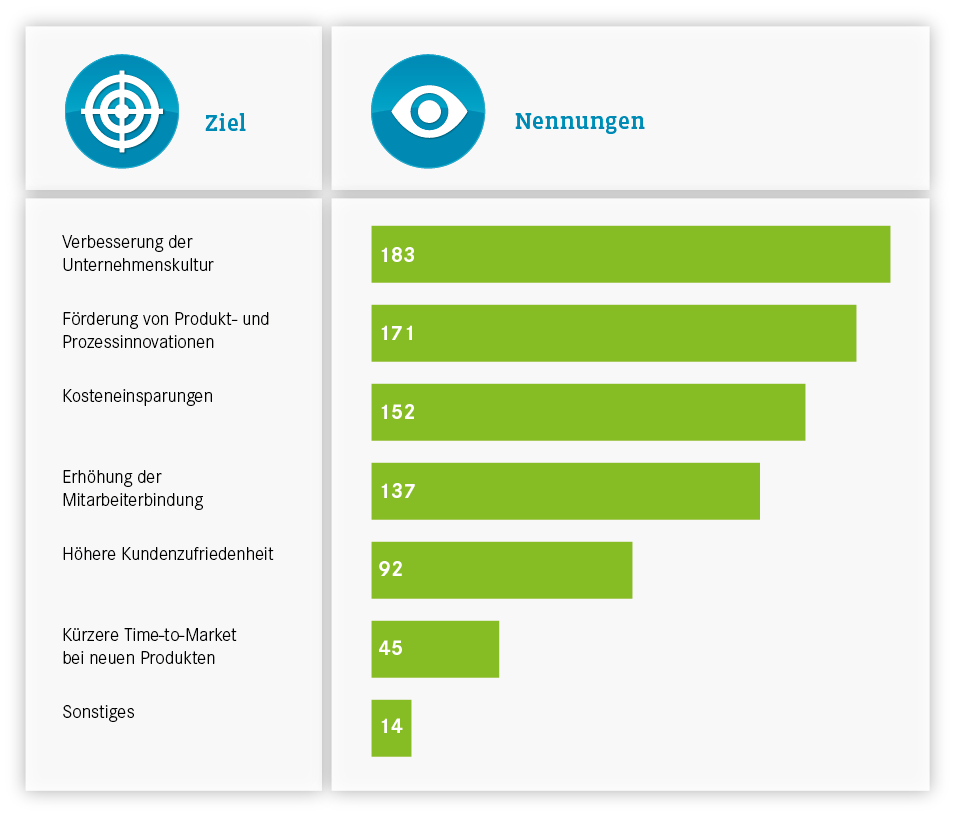
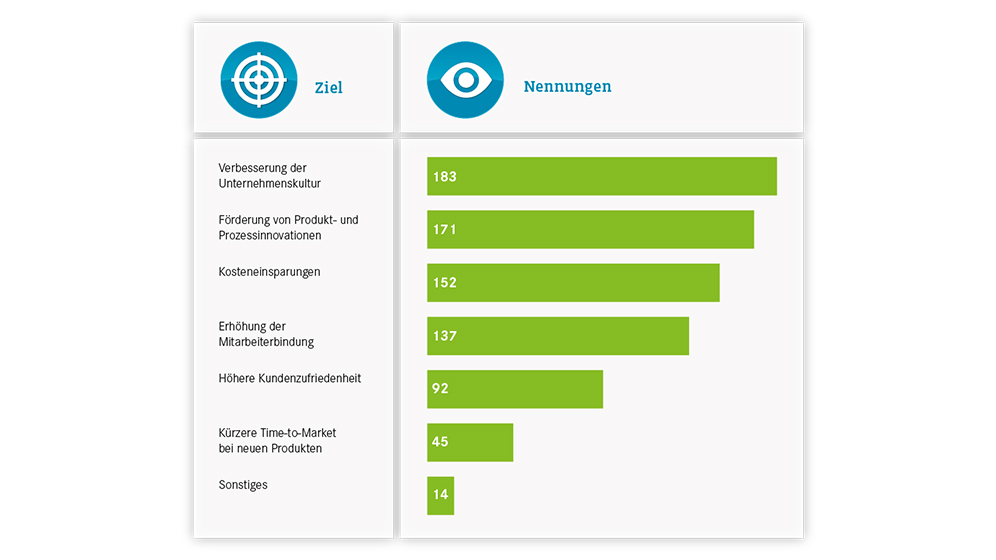
"Most study participants use networked forms of collaboration not primarily to save costs, but first and foremost to further develop their corporate culture and drive the digitization of their business," explains Eric Schott, Managing Director of Campana & Schott. Specifically, 57 percent of respondents cited cultural change in their company as a key motive for using collaborative technologies. In second place, at 53 percent, was the desire for greater innovativeness. In third place, with 47 percent, is the desire to reduce costs and increase work efficiency.

Engine for efficiency and innovation
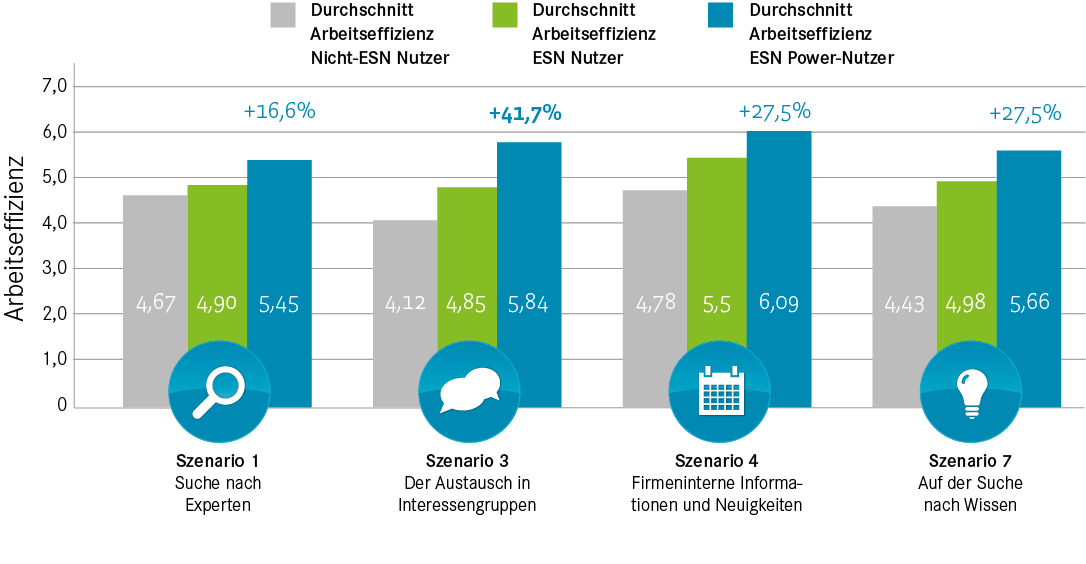
The impact of social collaboration on work efficiency interacts with corporate culture, according to the report. For example, an enterprise social network increases work efficiency the more intensively the workforce uses the network in everyday work. Depending on the usage scenario, users work up to 42 percent more efficiently than non-users. In addition, the intensity of use correlates with how innovative employees are. "Social collaboration promotes network-like collaboration and has a positive effect on innovation, agility, technology affinity and corporate culture," comments Boris Ovcak, Director Social Collaboration DACH at Campana & Schott and initiator of the study.
Another study result from which conclusions can be drawn for companies is that where collaboration tools are available from the cloud and are used intensively, the efficiency gain is up to 13 percent greater than with conventional tool provision.
Swiss companies are further ahead than German
So far, however, much potential remains largely untapped. On a scale of zero to three, the average level of social collaboration maturity among respondents is 1.14. Zero stands for conventional forms of collaboration, while three indicates the widespread use of advanced collaboration solutions. So there still seems to be room for improvement in most companies.
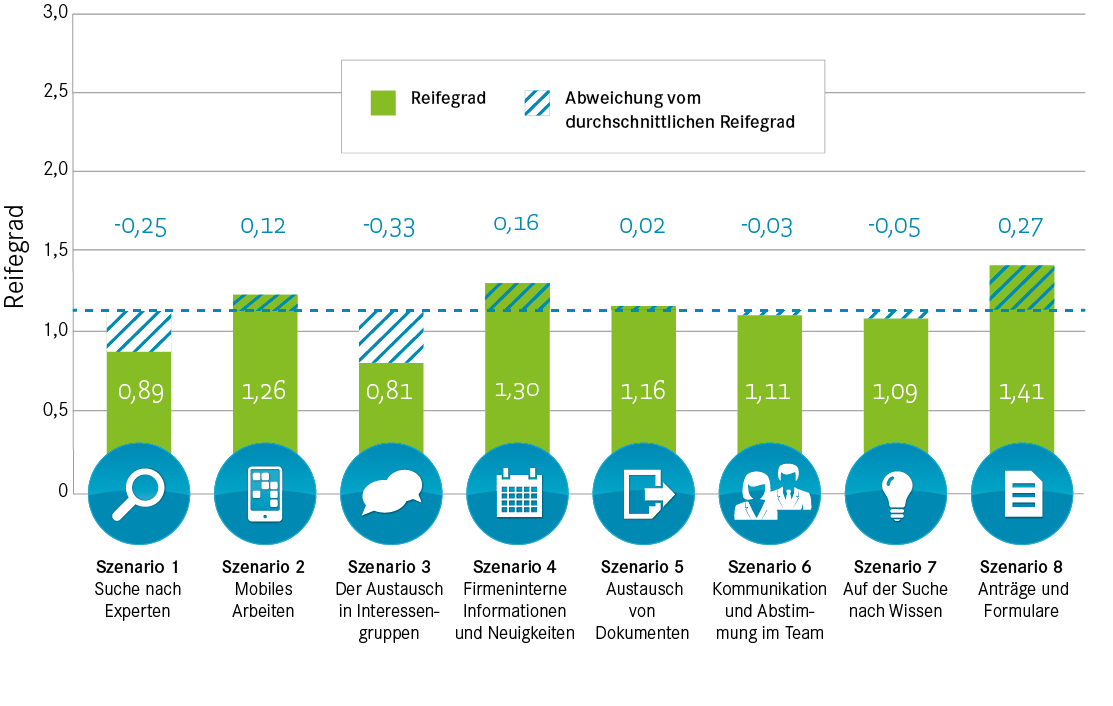
Compared with the previous year, when the study was conducted for the first time, the average maturity level has changed only slightly: In the subgroup of companies that already participated in the study in 2016, it increased by four percent. In a country-specific comparison, participants from Switzerland - with an average score of 1.21 - have a slightly higher maturity level than participants from Germany. (aks/pd)
About the study
With its Social Collaboration Study, the management and technology consulting firm Campana & Schott aims to show the development of digitally networked collaboration in companies. The study is designed to run over several years. This year's survey involved 1005 employees of large and medium-sized companies in various industries, with 10 percent working for Swiss companies. The third wave of the survey is planned for the end of 2017 and the beginning of 2018.