Zurich Film Festival: Sunrise as the New Main Partner—and an Interview with Mehmet Inan
Mehmet Inan has been Managing Director of Spoundation Motion Picture, which runs the Zurich Film Festival, since March 2026. In this interview, he talks about the new main partner, Sunrise, his first 100 days, and his vision for the ZFF.


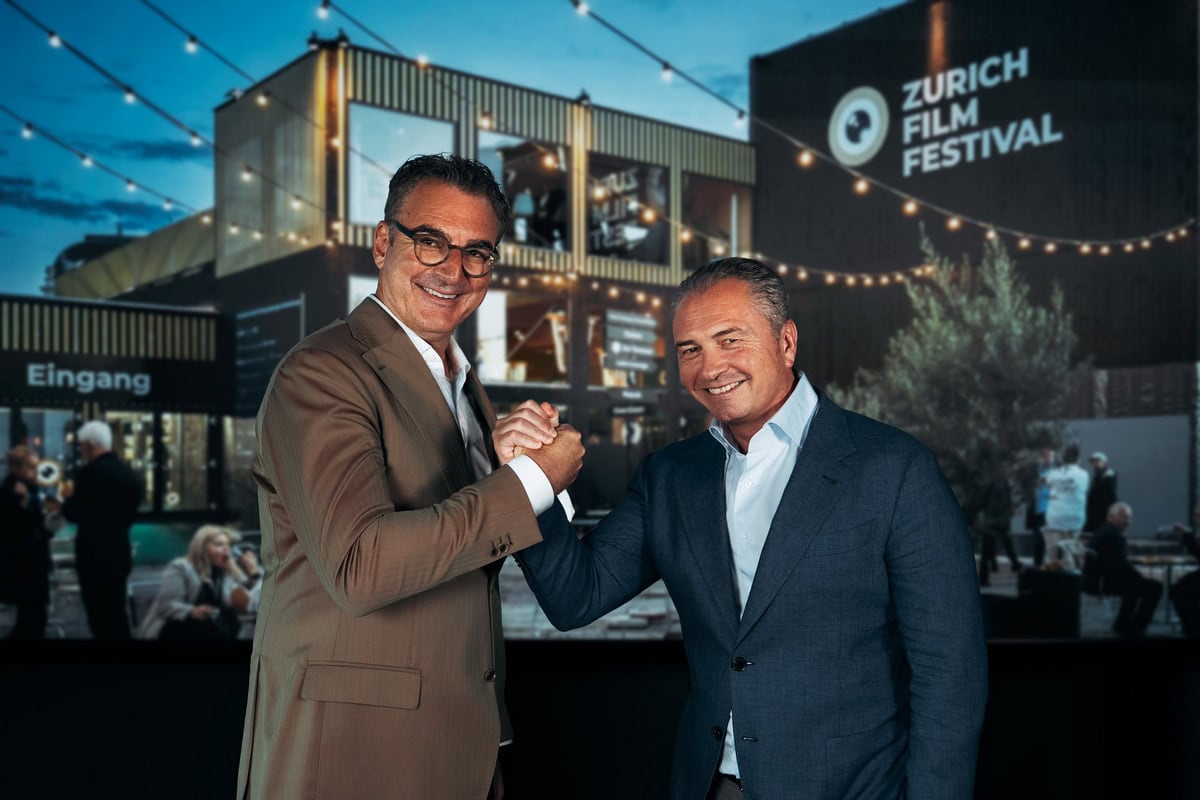 Sunrise will be the main partner of the Zurich Film Festival (ZFF) for the next three years. With this partnership, the ZFF rounds out its portfolio of main partners and strengthens its position as Switzerland’s leading cultural and social event. As part of the Sunrise Rewards Program, customers will enjoy exclusive benefits such as discounted tickets, invitations to Opening Night, and special encounters with international film stars. In addition, Sunrise supports the festival with high-performance mobile, landline, and internet services, ensuring a reliable technical infrastructure throughout the festival. m&k spoke with him.

100 days in office—and a homecoming
Mr. Inan, you have been Managing Director of Spoundation Motion Picture AG—the company that markets the Zurich Film Festival—since February. What attracted you to this role, and what has surprised you most about it?
First, a quick correction: In February, I was still on my sabbatical in Spain. Since March 2026, I have officially been Managing Director of Spoundation Motion Picture AG—which means I’ve been in this role for almost exactly 100 days as of today.
It feels a bit like coming home. I was able to get involved right from the very first festival. During my time with the 3+ Group, I was closely connected to the festival for over 14 years, as we supported the ZFF as a media partner. I’ve witnessed the festival’s development up close over many years and have always enjoyed being part of this special success story. Today—22 years later—being part of the ZFF again fills me with great pride and deep gratitude.
I am particularly fascinated by how many people work on this festival with such passion and dedication. The ZFF has long been more than just a film festival. It is a strong brand, an important gathering place for the film industry, and a cultural ambassador for Zurich.
What surprised me most during the first 100 days was the festival’s enormous appeal—which extends far beyond the eleven days of the festival. Whether among partners, filmmakers, the media, or the audience: the ZFF is highly regarded and continues to inspire people long after the festival season ends. Developing this potential further and guiding it into the future is, for me, a task that is as exciting as it is responsibility-filled.
The ZFF operates at the intersection of culture, business, and glamour. How would you define your leadership role in this unique environment?
I wouldn't call it a conflict—rather, a privilege.
For me, culture, business, and glamour are not opposites. On the contrary: they make the ZFF what it is today. Culture gives the festival its soul and relevance, business lays the foundation for sustainable success, and glamour provides the appeal that captivates people, the media, and partners far beyond the city limits.
I see my role as a leader as connecting these three worlds while always keeping our shared vision in focus. I want to create an environment in which creativity, entrepreneurship, and excellence can work together.
A festival that thrills hundreds of thousands of people and stirs their emotions year after year is far more than just an event—it is a cultural powerhouse. The real challenge today is not reaching people. The challenge is truly moving them. That is precisely where the ZFF’s special strength lies.
To ensure and further build on this impact over the long term, strong and sustainable partnerships with renowned brands are crucial. They enable us to continuously develop the festival and provide new inspiration. At the same time, it is our responsibility to passionately convey the festival’s uniqueness, vision, and emotional power to the outside world
With the new main partner, the lineup of the four main sponsors is complete again—how did you achieve this success, and what ultimately convinced the partner to collaborate with the ZFF?
We are very pleased to have secured Sunrise as a new, long-term main partner for the ZFF. At the same time, it is important to me to emphasize that this success is the result of a true team effort. Partnerships like this do not come about through the efforts of a single person, but rather through the close collaboration of many dedicated colleagues. I particularly appreciated the dialogue with André Krause and Sandro Tschuor. Both think very entrepreneurially, are consistently customer-focused, and have a clear vision for long-term partnerships. This approach aligns very well with our understanding of collaboration and was certainly a key factor in our ability to find common ground so quickly. It was also crucial that we identified the right areas of focus and demonstrated how the ZFF can support Sunrise’s strategic goals. Particularly in connection with the new Rewards program, we were able to develop attractive added value—ranging from exclusive experiences and special festival access to unique encounters that create genuine added value for Sunrise’s customers.
What has further brought us together is a shared philosophy. This year’s theme for the ZFF Opening Night is „Dream Big“—a message that also fits perfectly with Sunrise. Both brands stand for inspiration, a forward-looking mindset, and the courage to think big.
What does this partnership mean for the ZFF from a strategic perspective—both financially and in terms of content?
As a rule, I do not comment on financial details. Strategically, however, the partnership sends a strong signal for the ZFF.
When a company like Sunrise chooses the ZFF, it shows that our platform is appealing and that our vision resonates. For me, this is confirmation that, as a festival, we can combine cultural relevance with social and economic impact.
In terms of content, this partnership gives us the opportunity to reach new audiences and further enhance the festival experience. At the same time, we’re gaining a partner who, like us, believes in innovation, networking, and the power of stories.
But there’s something else that’s particularly important to me: Good partnerships go beyond logos and visibility. They arise when both sides share common values and want to make a difference together. That’s exactly what I see at Sunrise. We’re united by our commitment to inspiring people, connecting them, and making special moments possible.
The ZFF enjoys an excellent international reputation—where do you see the festival in five years, and what personal priorities would you like to set?
Personally, I would like to emphasize three things above all: innovation, content, and Zurich as a festival city
The future lies in moving images and in inspiring people not just during the eleven days of the festival, but in reaching them with stories and emotions all year round. That is exactly why we consistently invest in our own content and new formats.
At the same time, it’s no coincidence that Zurich bears our name. The city is a central part of our identity and our success. That’s why we want to position Zurich even more strongly as an international film, culture, and entertainment destination. When people around the world think of the ZFF, they should automatically think of Zurich—as a cosmopolitan, innovative, and culturally relevant metropolis in the heart of Europe. In five years, I see the ZFF as the leading film and entertainment platform in the German-speaking world—with international appeal and an even stronger presence in Zurich.
What innovations or new formats are you planning to make the ZFF more appealing to new audiences without losing its traditional core?
To me, innovation does not mean changing the essence of the ZFF. On the contrary: The festival’s success is based on excellent films, international guests, compelling stories, and the promotion of talent. We must preserve this essence.
The key question is how we can make this content accessible to new generations. Today, people no longer experience stories only in movie theaters, but also on digital platforms and through video formats.
That is why we are placing greater emphasis on our own content and year-round initiatives. Our goal is not only to raise awareness of the ZFF during those eleven days a year, but also to inspire people throughout the year.
I don't want to give too much away just yet, but this will result in numerous exclusive insights, interviews, and content that will further boost the festival's reach and visibility.
Streaming platforms, social media, AI-generated content—how important are traditional movie theaters and the film festival format in today’s media landscape?
I don't see this as an either/or situation. Streaming platforms, social media, and AI have become an integral part of today's media landscape. They are changing the way we discover, consume, and share content.
That is precisely why film festivals remain relevant. They provide guidance, curate content, and draw attention to films, talents, and stories that might otherwise go unnoticed.
For the ZFF, this means taking advantage of the opportunities offered by new technologies and platforms without losing sight of its own identity. We want to be present where people consume content, while at the same time maintaining the quality, credibility, and cultural relevance that the festival stands for.
Film is considered the dominant medium of the 20th century—does it still have the power today to spark social debates and bring people together?
Absolutely. Perhaps this strength is even more important today than ever before.
We live in an age where information is available in a matter of seconds. What’s often missing, however, is context, perspective, and emotion. That’s exactly what film can provide.
For me, a film’s greatest strength lies not in providing answers, but in raising questions. Good films open up new perspectives, encourage reflection, and foster understanding of other realities of life. One example of this is *The Secret Agent*, starring Wagner Moura, which we screened at the ZFF last year.
That’s why I’m convinced that film can still bring people together today. Not because everyone ends up agreeing, but because they experience a story together and start talking about it. That’s exactly where the special power of film lies—and the enduring relevance of a festival like the ZFF—‘cause life is better with movies!