Where is the brand in the home office?
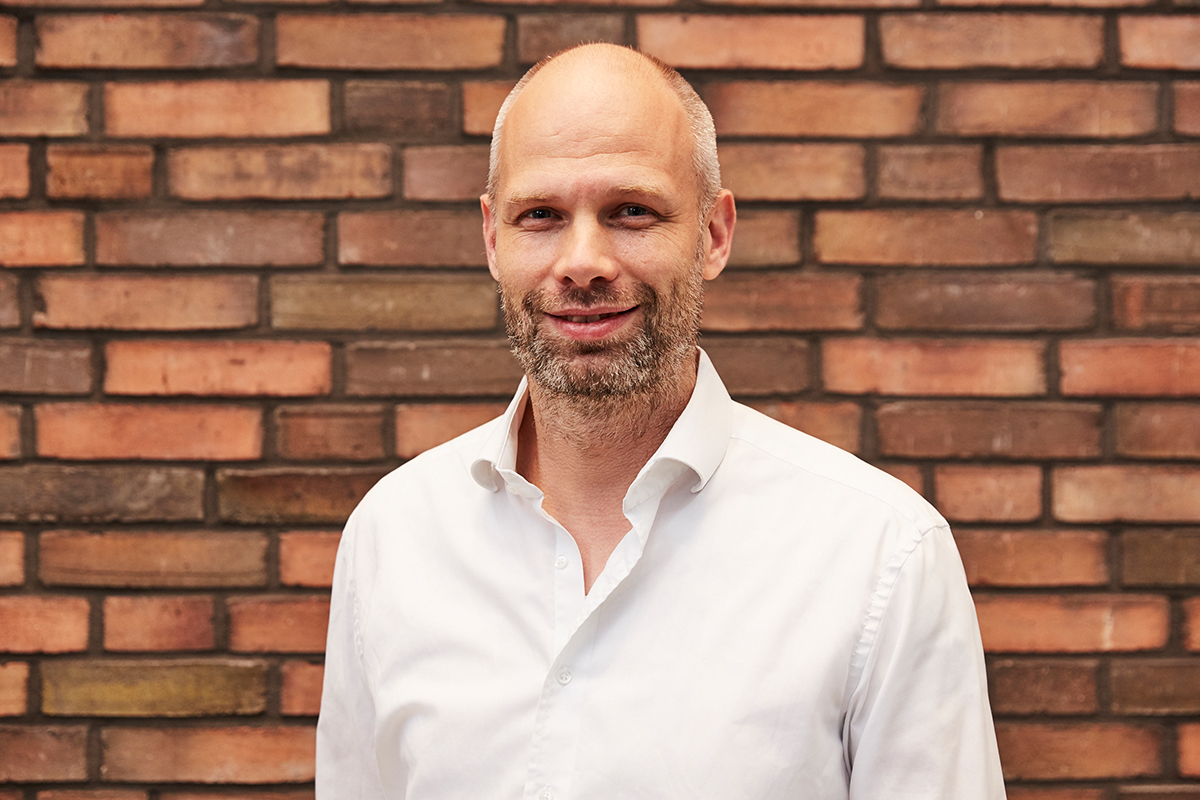
So far, brands have stayed out of the home office. Compared to the office, the home office seems like an unregulated and unstructured space. Nevertheless, there is potential there for brands, as Oliver Dering of Mutabor points out.


What image do companies convey to customers, applicants and other stakeholders via the images from their home offices? It is highly likely that many more employees will represent their company from their own four walls in the future. Compared to the office, where CD and CI guidelines clearly orchestrate visuals, messages, atmosphere and behavior, the home office appears to be an unregulated and undesigned space. It's high time to make better use of the potential of "the branded home office.

How does contact with the brand change in the home office?
On the other hand, every personal visit to a company offers completely different impressions. You experience numerous brand contact points that enable you to grasp and understand brands holistically: Corporate architecture, branding, meeting culture, safety processes, a visit to the canteen, a look at production, and so on. All of this disappears from the external perspective in the home office. We asked ourselves: what can we translate into the home office?
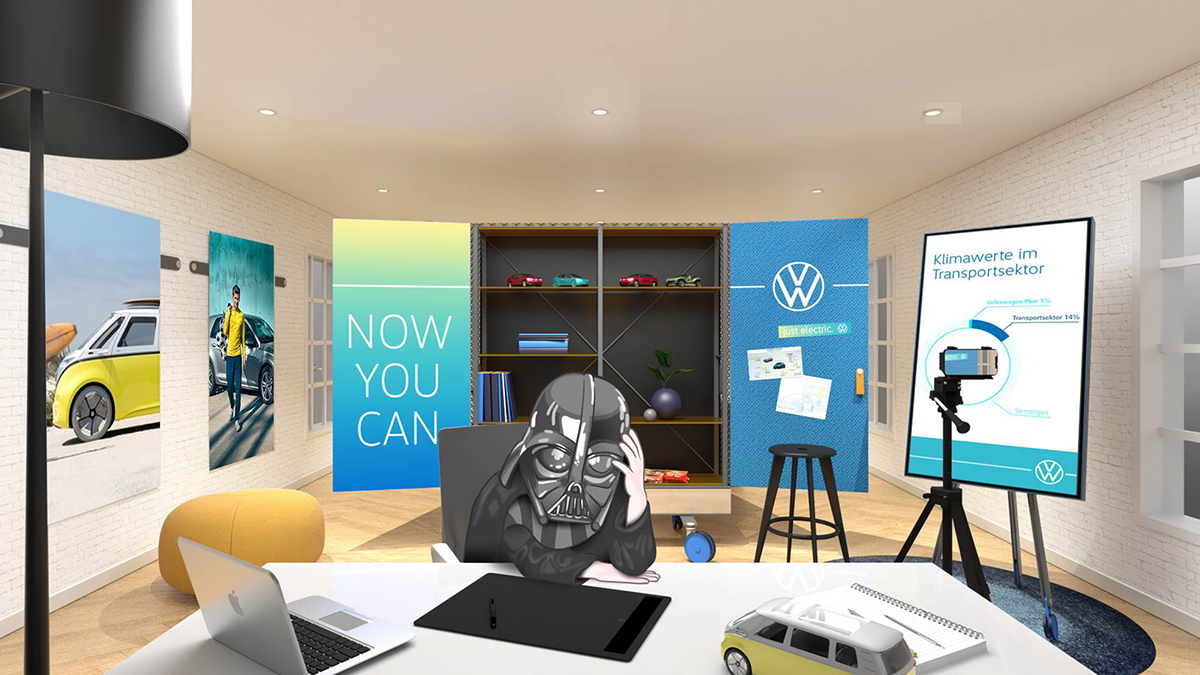
The Home moved into the Office - is the Office now moving into the Home?
The last few years have seen the home move into the office. Sofa landscapes, beanbags, foosball tables, ping-pong tables or creative playrooms for adults are just a few examples of the so-called hybridization of office landscapes. In terms of employer branding, the attractiveness of the workplace goes hand in hand with creative workplace design. And: new ways of working call for new spatial concepts. Employees should "feel at home." Employee pride in their workplace is an essential part of identifying with an employer brand. Via digital access authorizations, employees become part of modern office worlds, are ambassadors of the brand, and work in work environments that correspond to the brand positioning. But what does a brand-adequate design of the home office workplace mean?
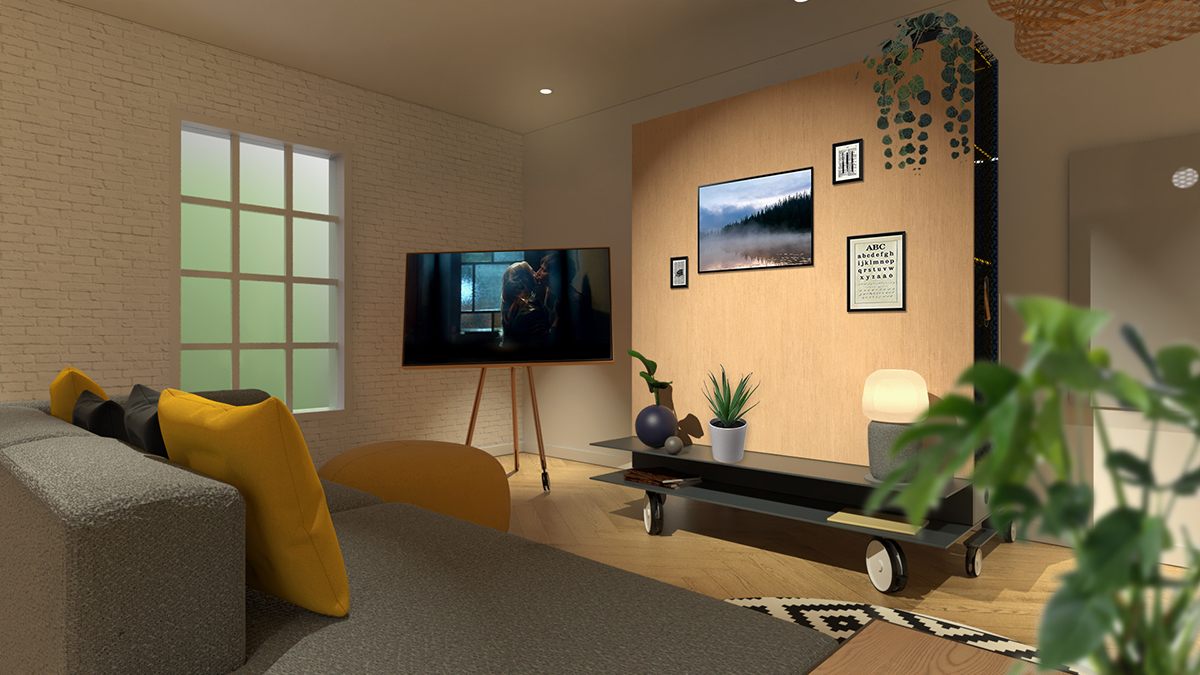
The office moves in at home, does the employer stay at the door?
How can I individualize the office for myself? An important question in the age of New Work. Brands should also and especially take advantage of the potential of home offices to meet the demands of Generation Z.
So if you want to be an attractive employer, you have to offer an attractively designed workplace. What does this mean for the design of the workplace at home? What does a future home office workplace look like? A modern home office workplace naturally includes technical equipment. It should be mobile and meet the ergonomic requirements of computer workstations. Also the right Tools are indispensable. In the future, good lighting conditions, soundproof windows and doors, adequate ventilation and legally compliant handling of confidential data will also require a considerable rethink. The separation of private and work life will remain an important need.
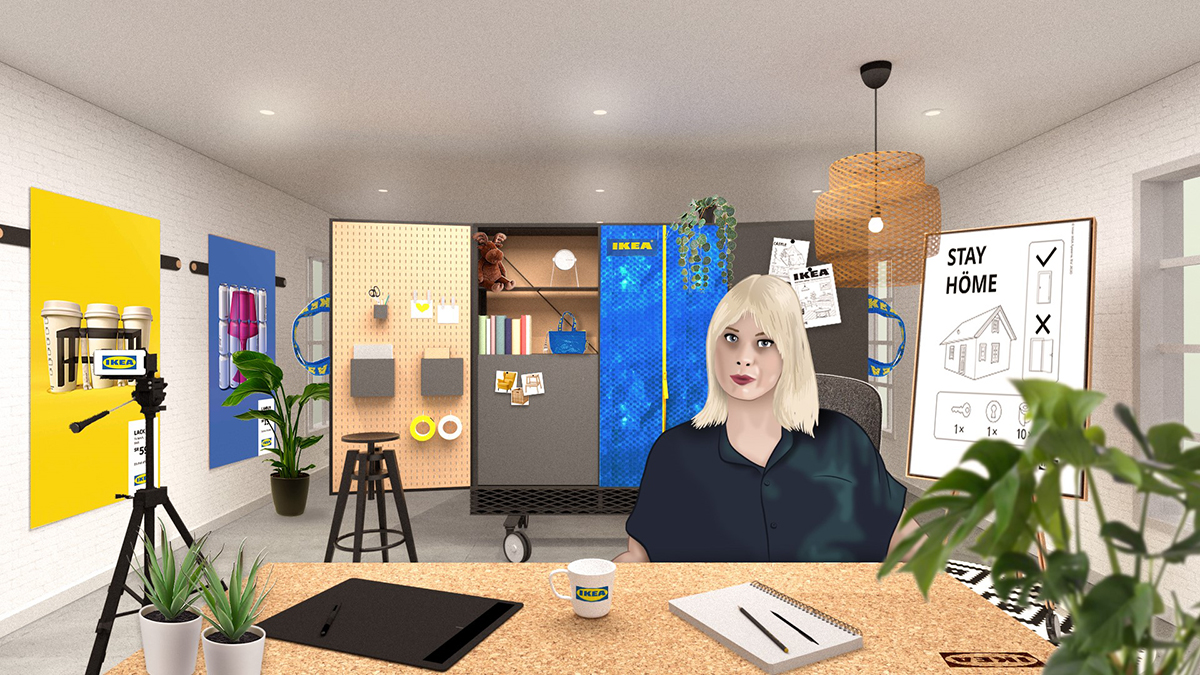
How is the "war of talents" changing?
In the battle for talent, the home office will play an increasingly important role. In the future, the equipment package provided by the employer for the home office will be a decisive factor for the potential employee. The home office and new mobility concepts will expand the company car, cell phone and work laptop as equipment provided by the employer. Generation Z is now entering the market, with new attitudes toward values and ways of working. Flexibility is at the forefront. Sabbaticals are becoming "work as you travel." A mobile home office can make that possible, too. The digital nomads have shown the way.
Is the "branded homeoffice" an undiscovered, gigantic market?
We are at the beginning of a social change that has been announced in recent years. Corona is only the catalyst and accelerator of the change in thinking. The benefits are obvious: more efficient work, less travel, greater time flexibility. Less wasted time in traffic jams, on planes, on the way to work. More freedom and individuality. We should prepare ourselves for the fact that in the future every employee will have the right to work from home, and we need smart solutions for this.
* Oliver Dering is head of architecture at Mutabor